Hello everyone! Charlie here. I’d like to introduce you all to an extremely enthusiastic young man who already has a massive wealth of knowledge when it comes to Nihonto, Nicholas Zogu.
To support his interest, his research and his further progress with Nihonto, I have permitted him to write and post blogs and articles on the Tosatokendo website. This will be his first written piece on the website, I suspect that all of you will be just as impressed as I was.
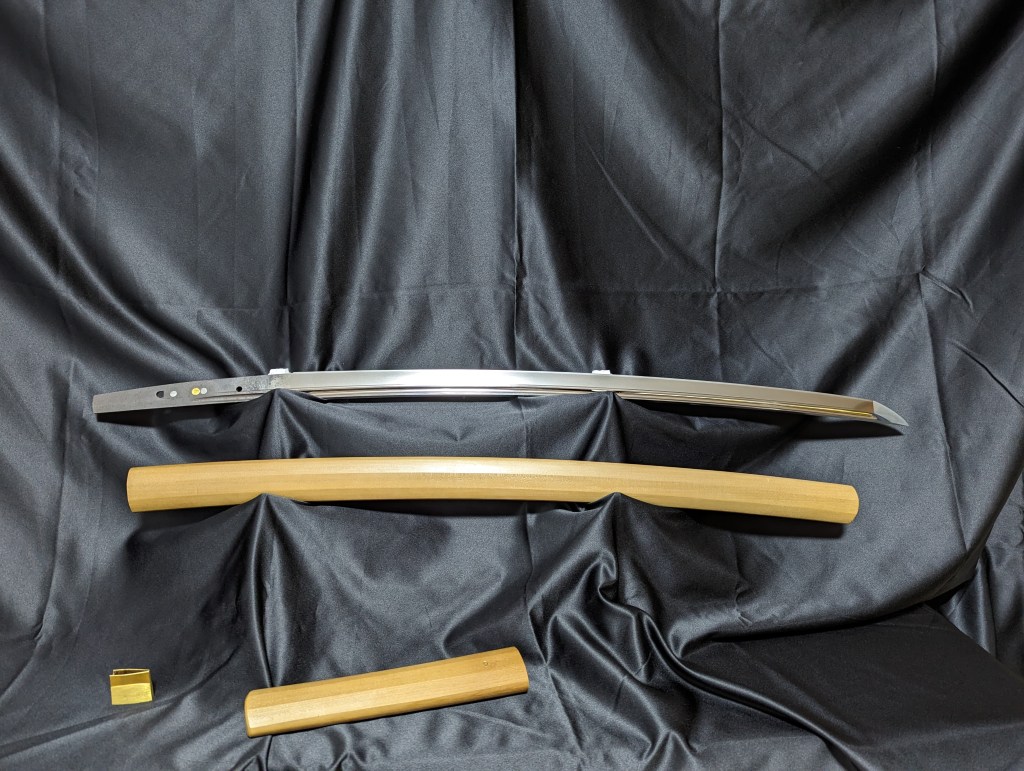
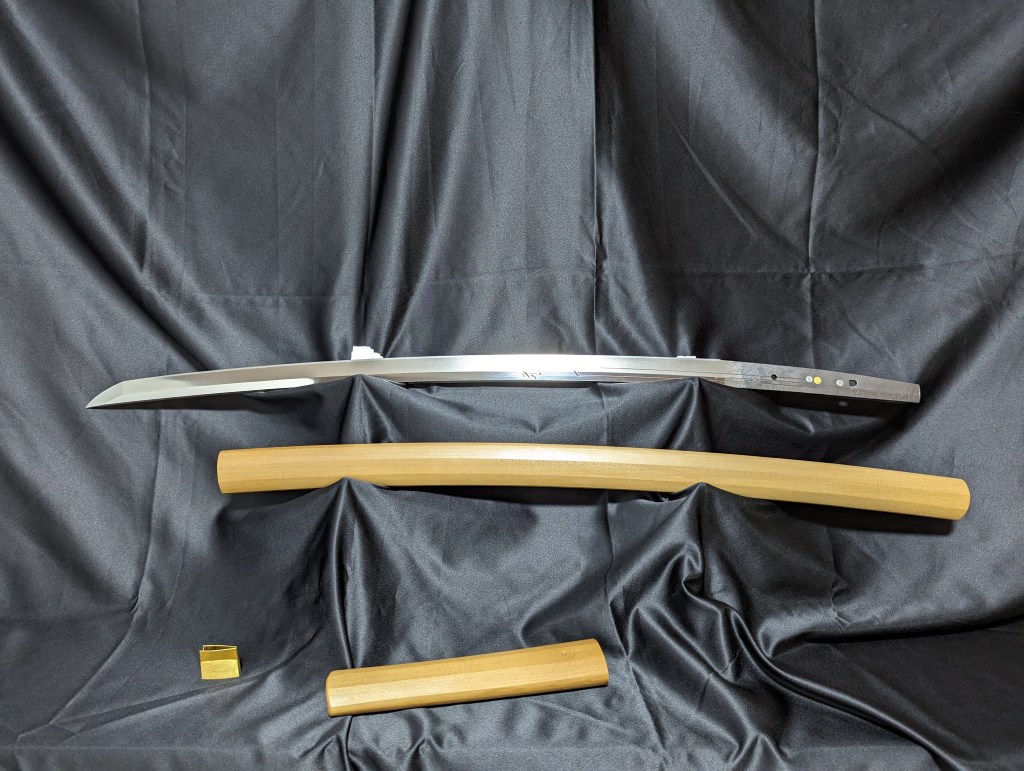
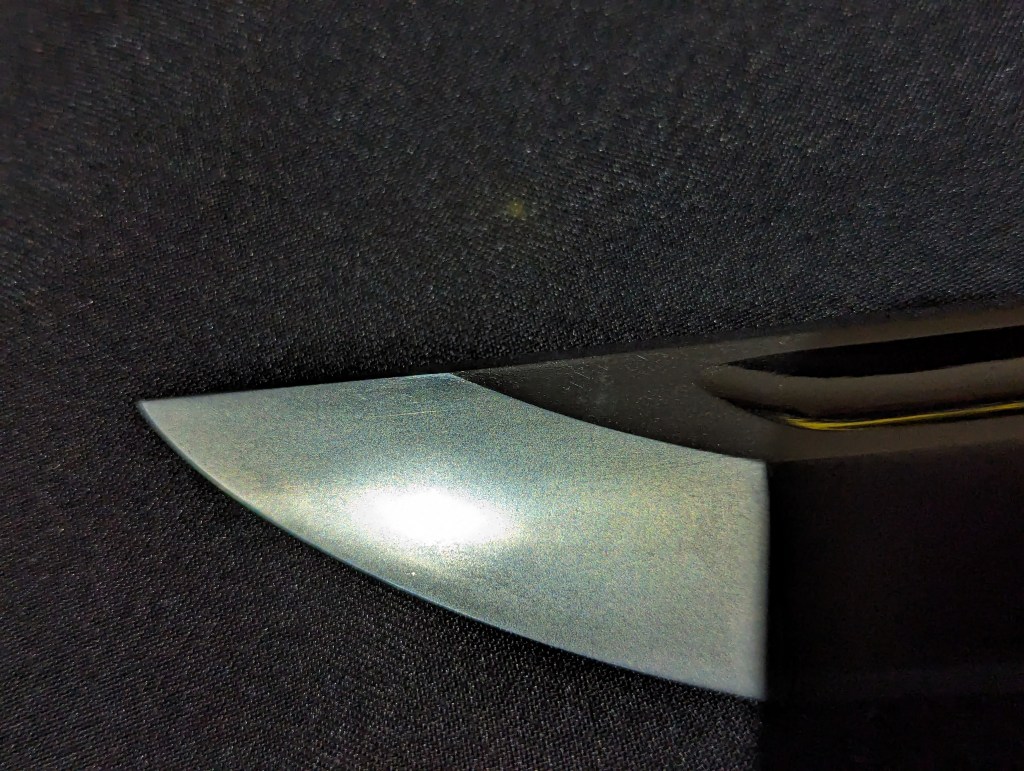
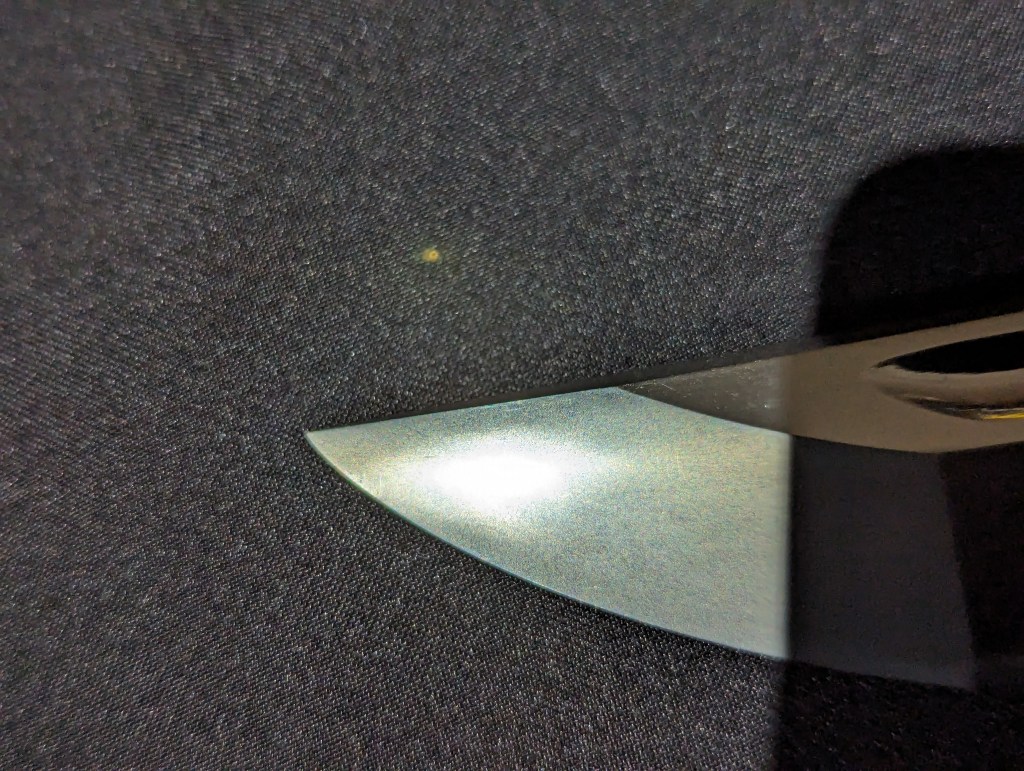
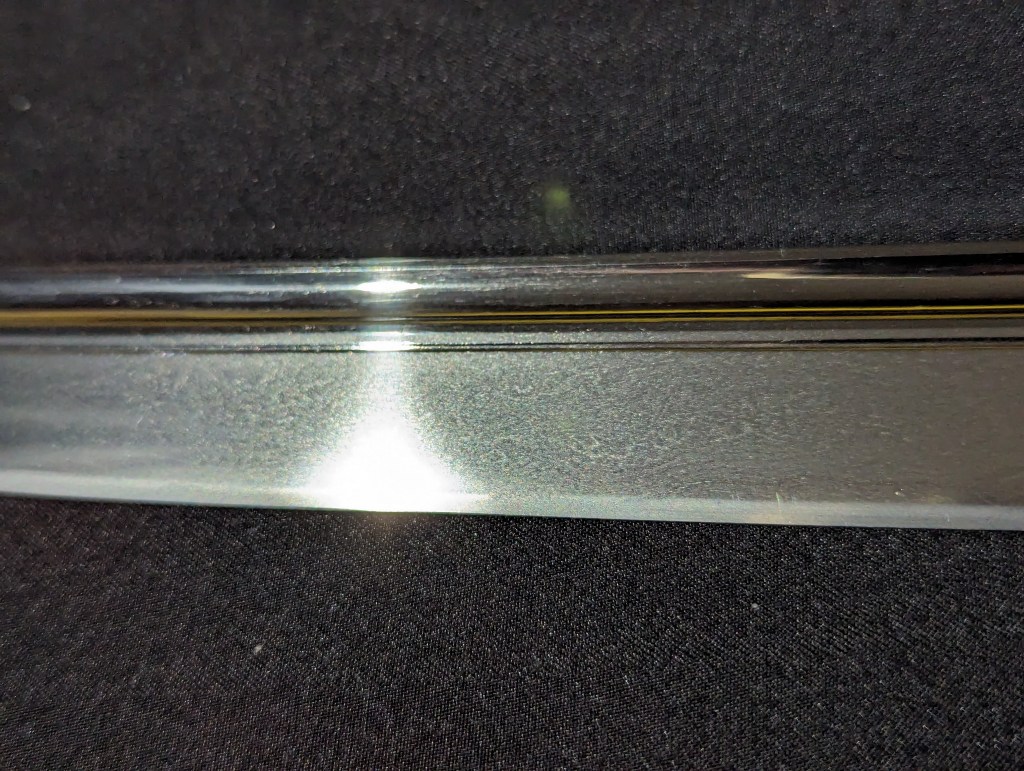
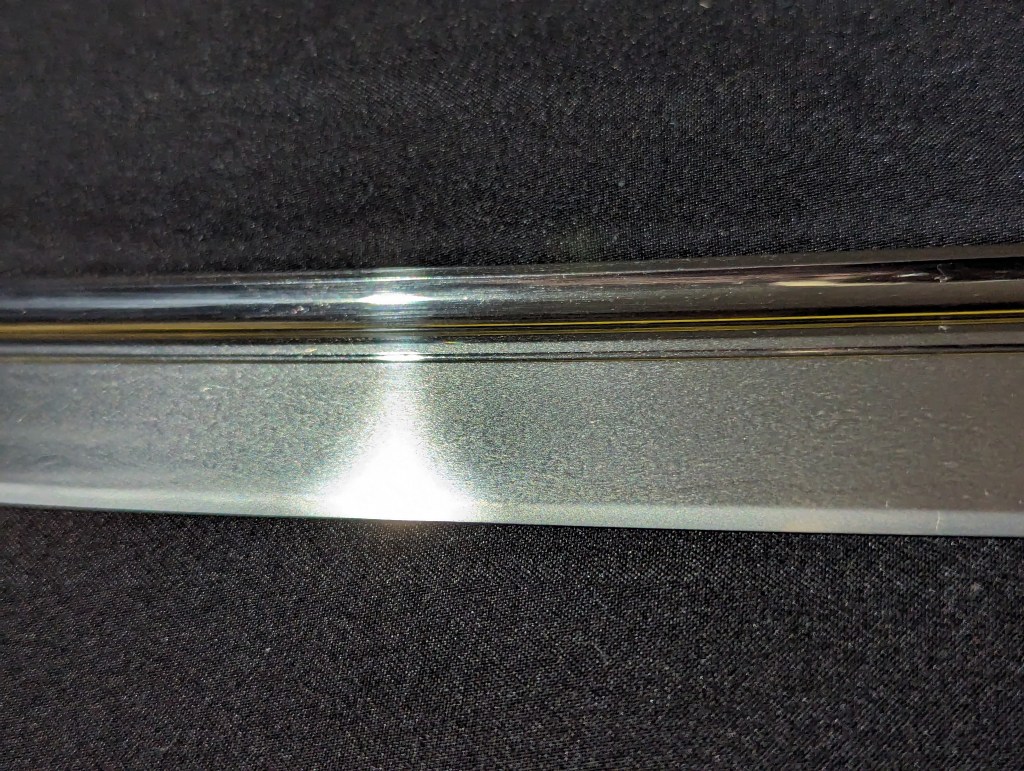
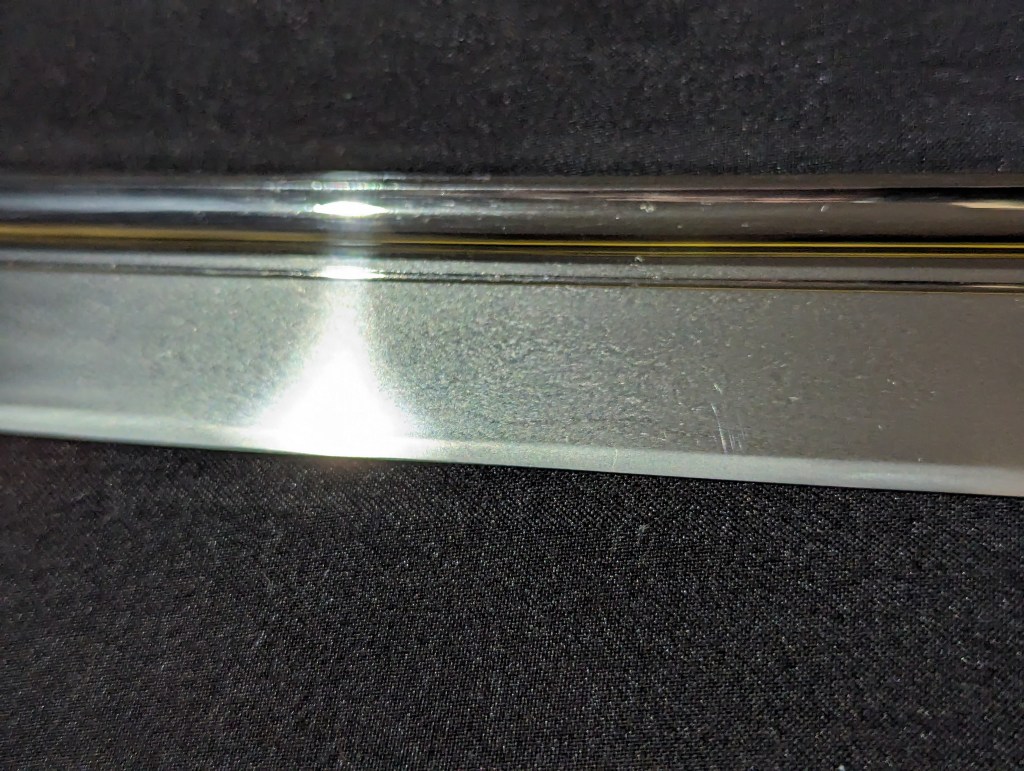
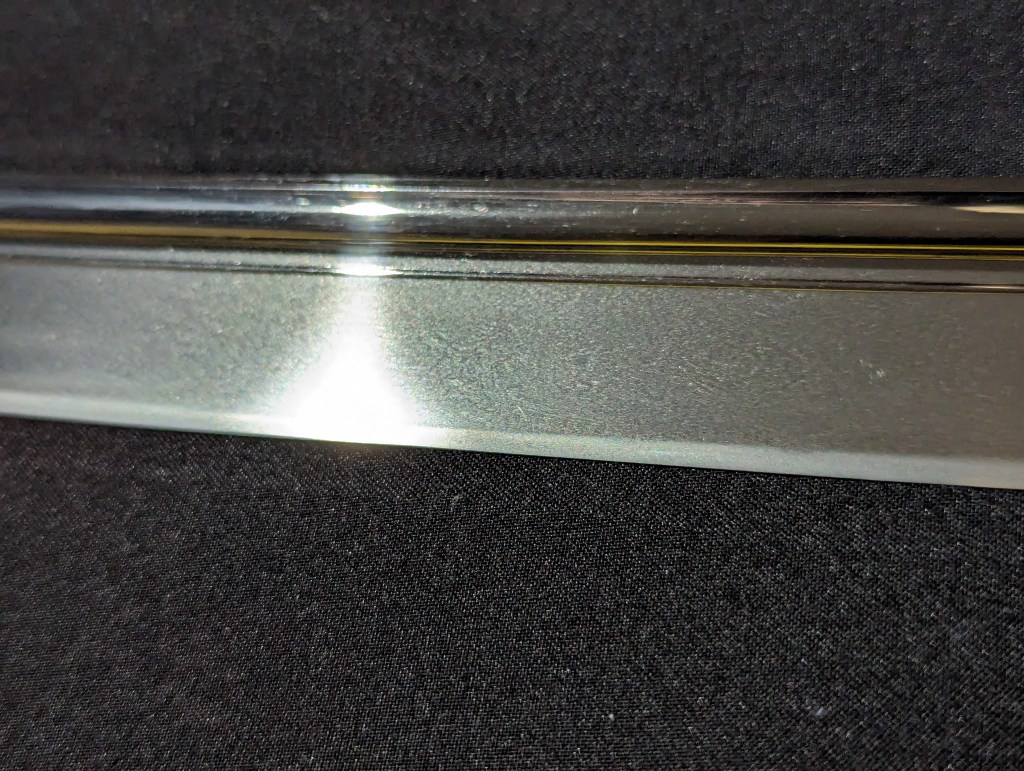
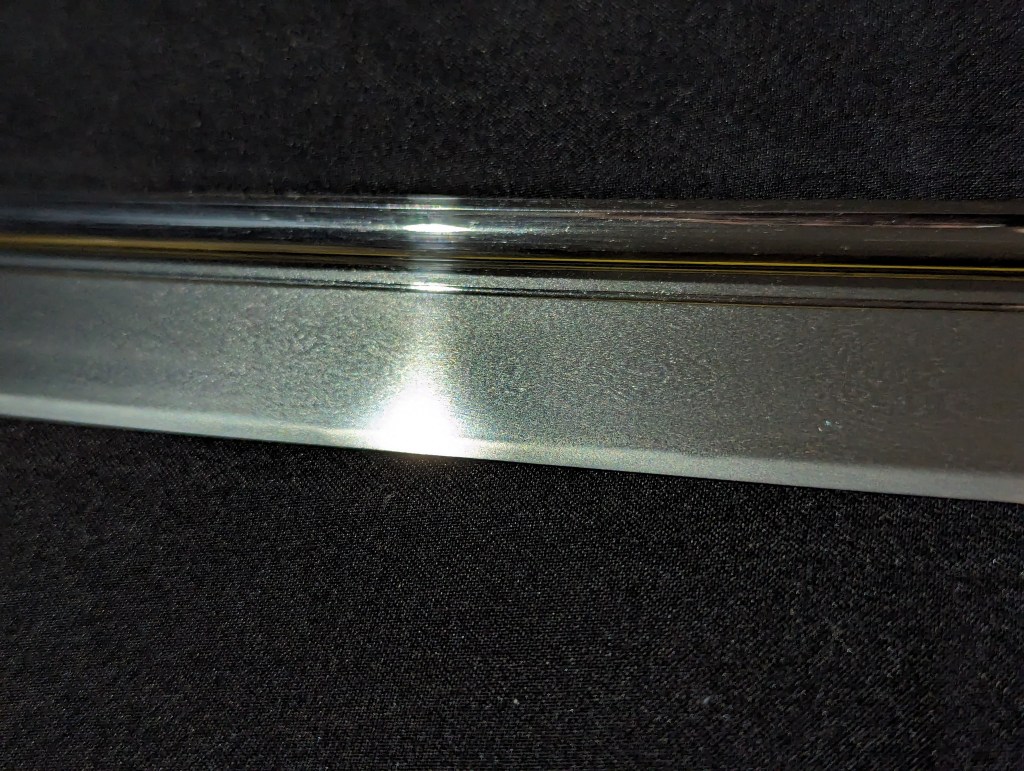
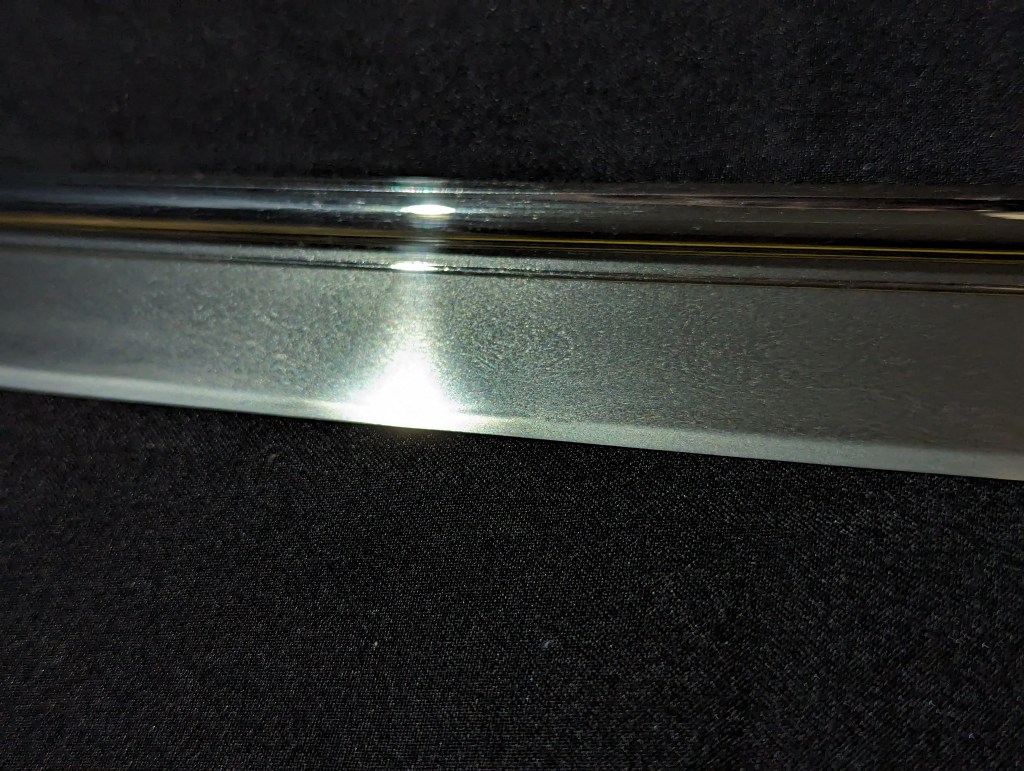
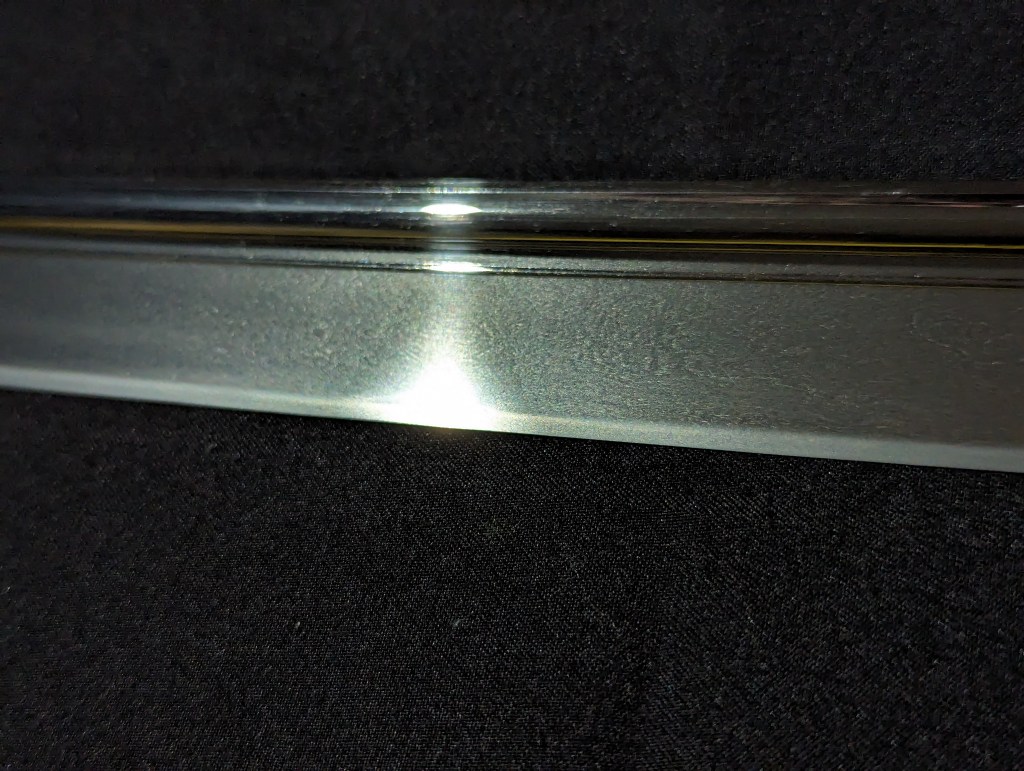
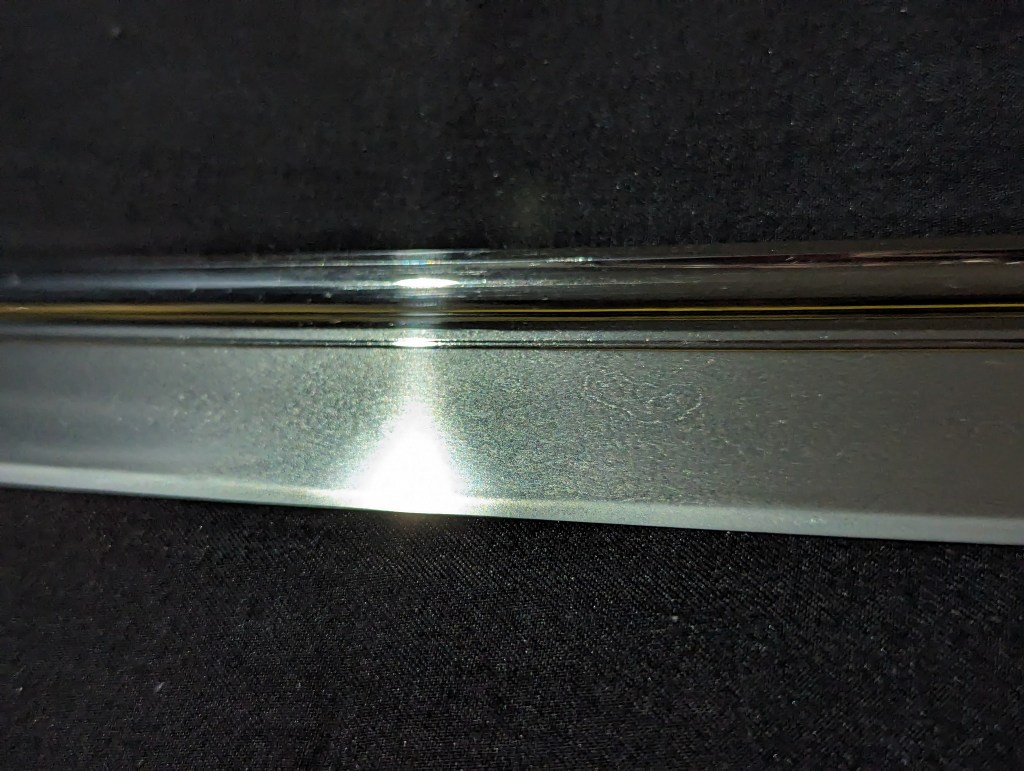
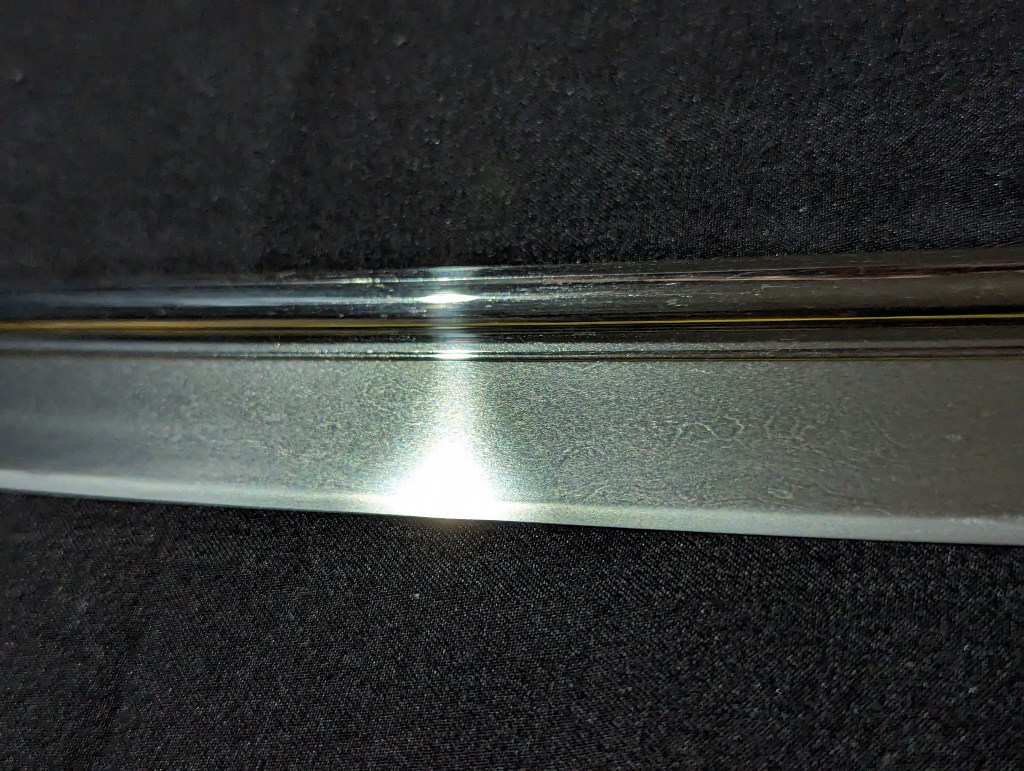
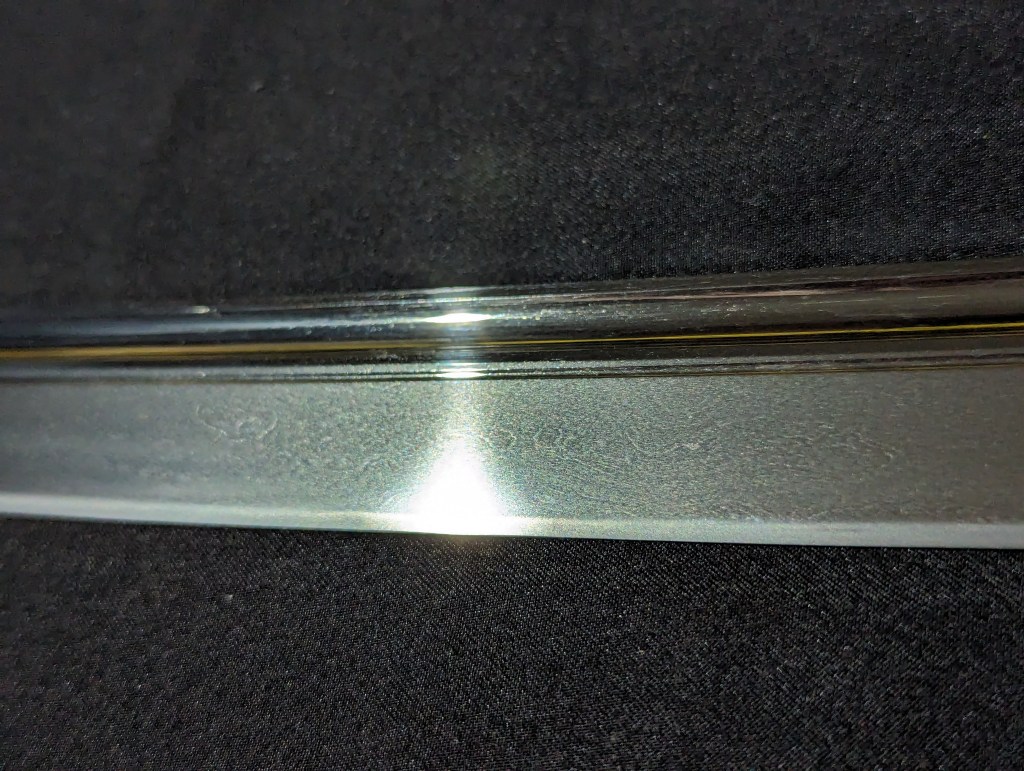
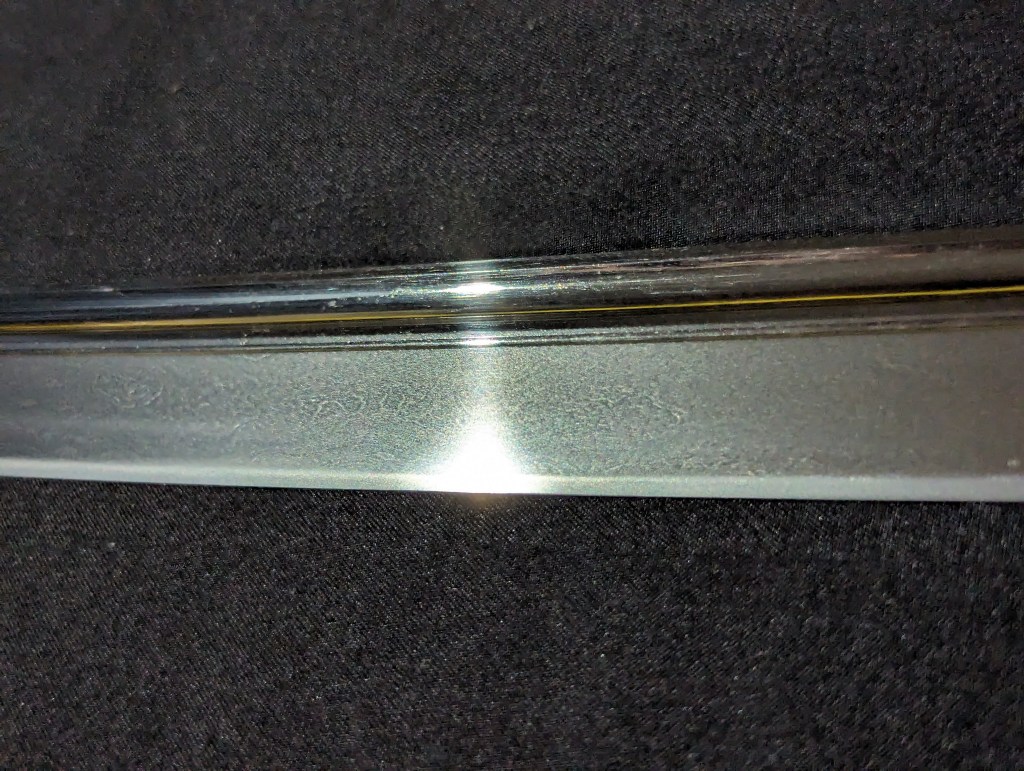
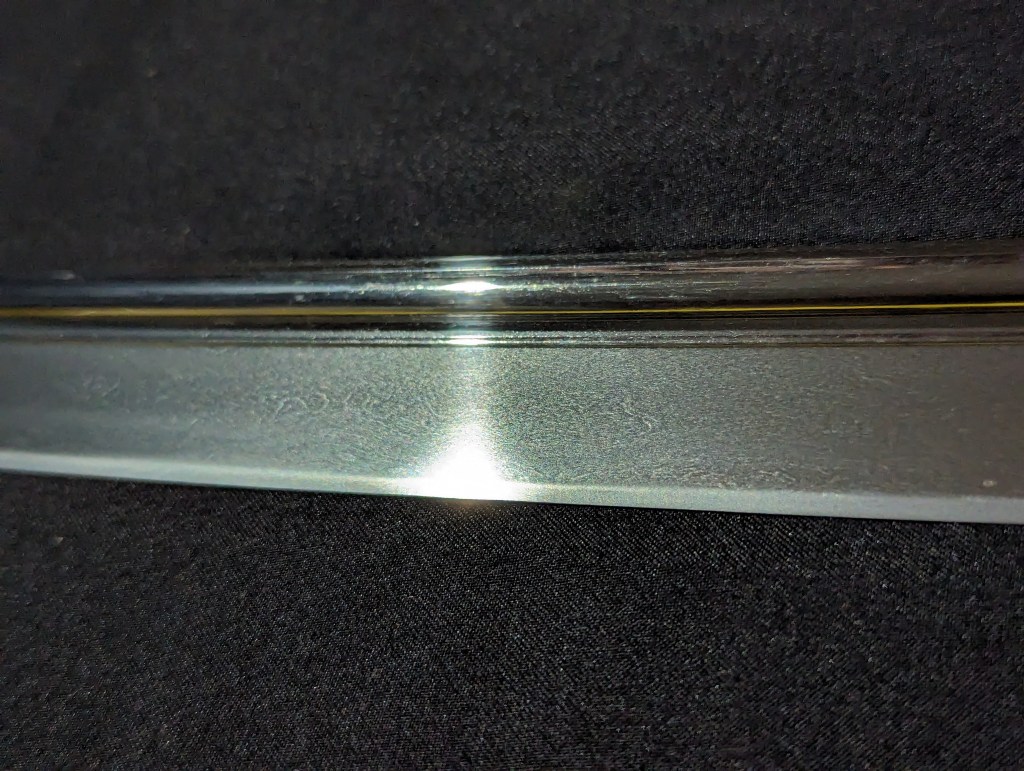
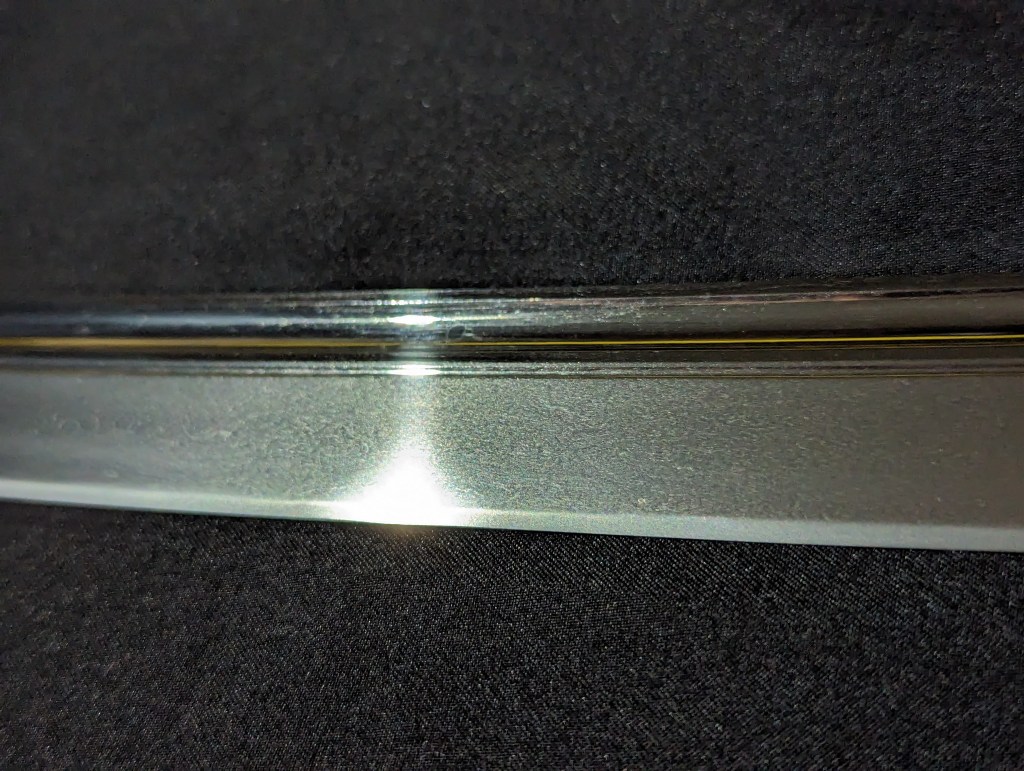
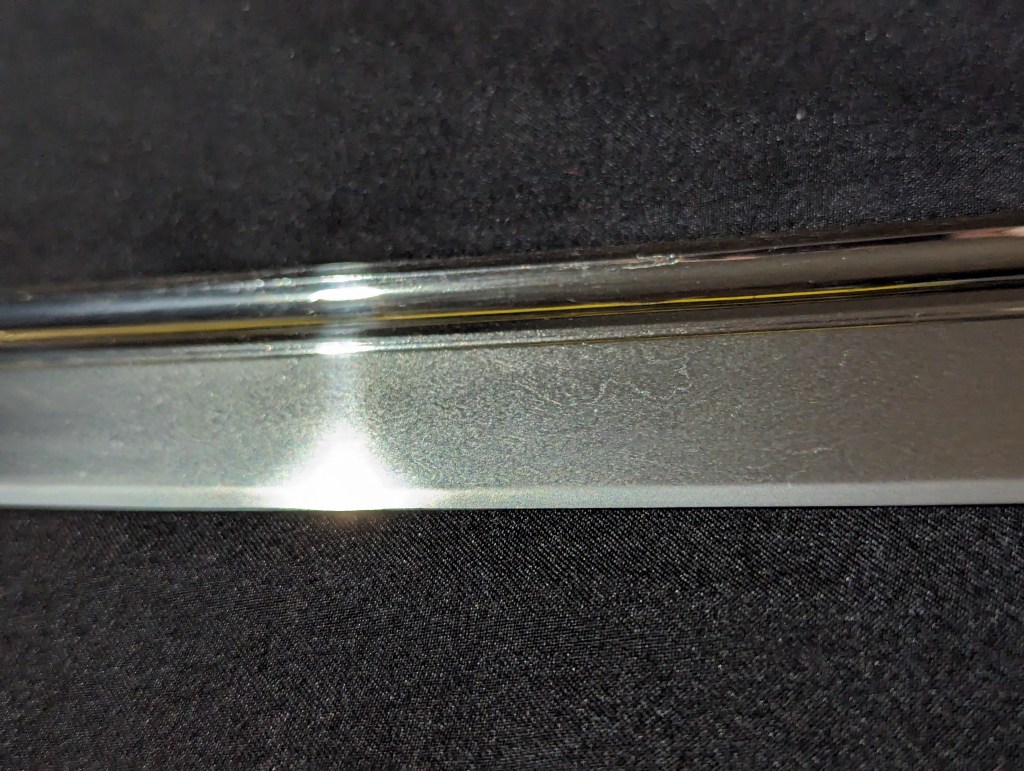
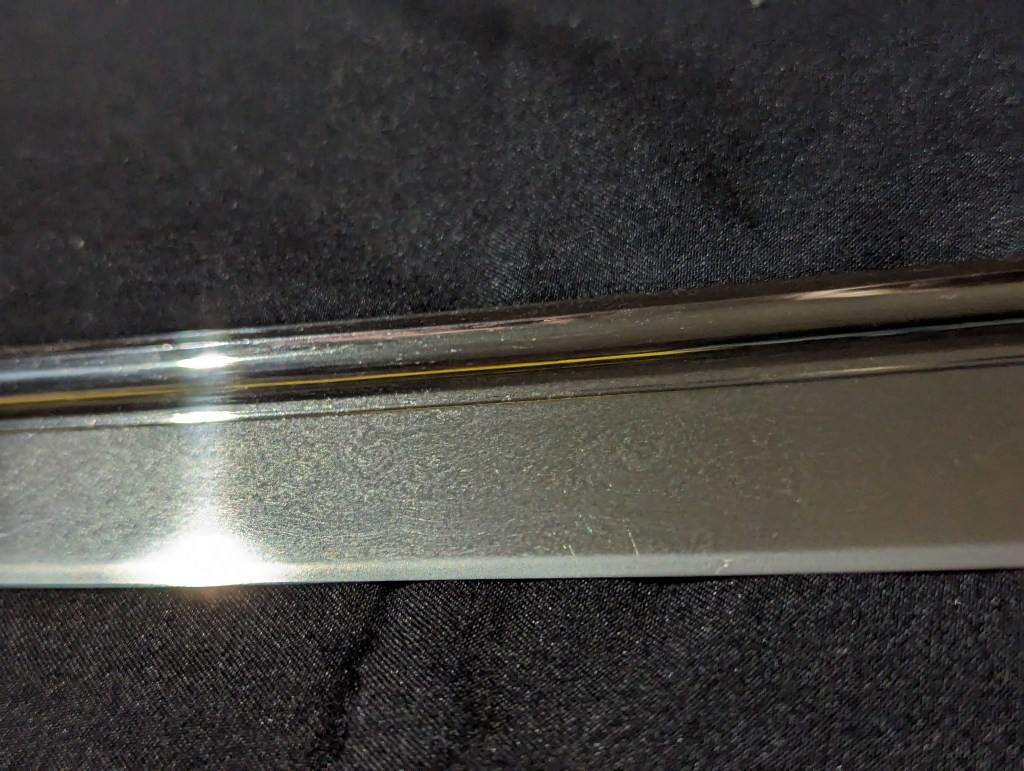
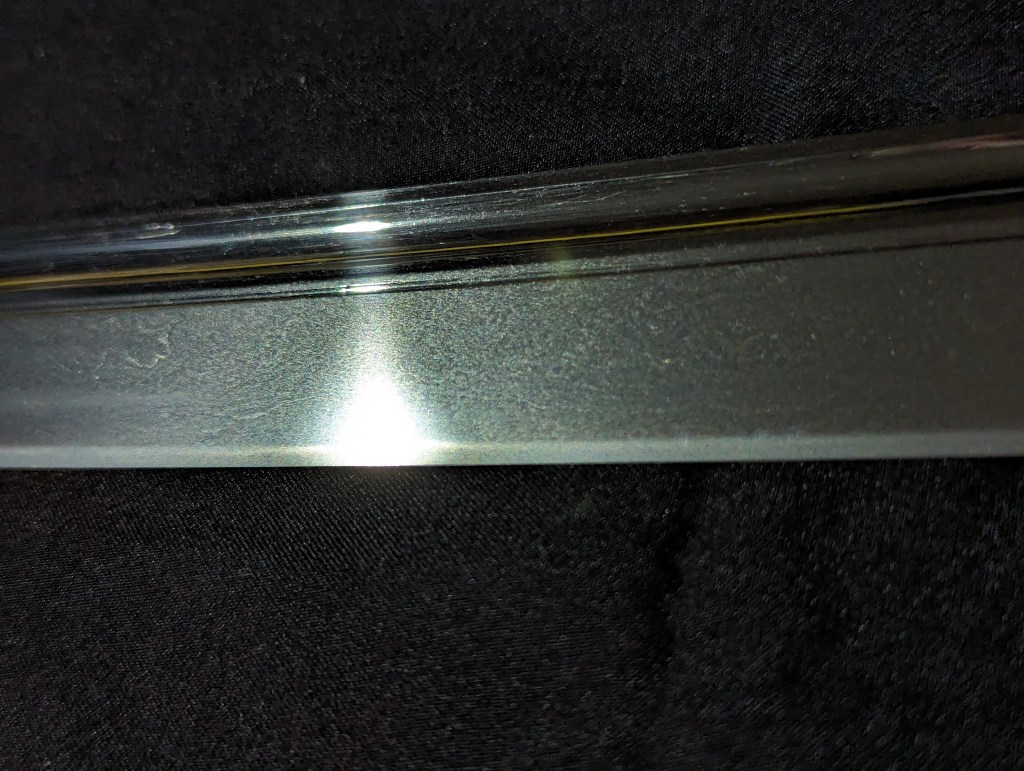
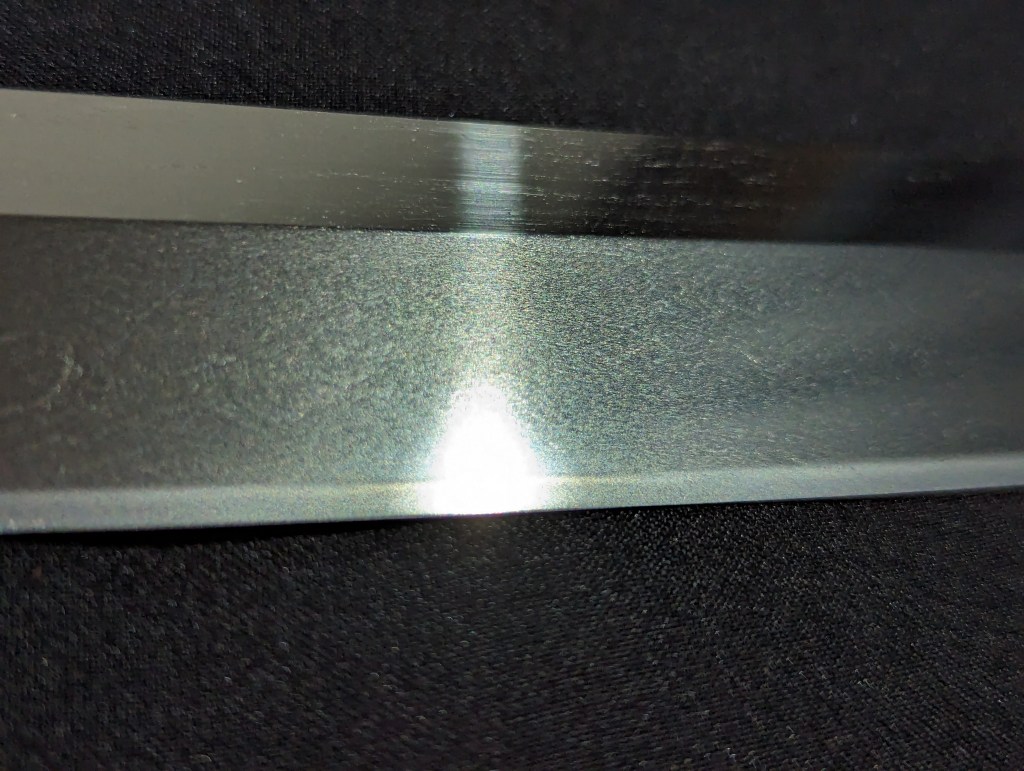
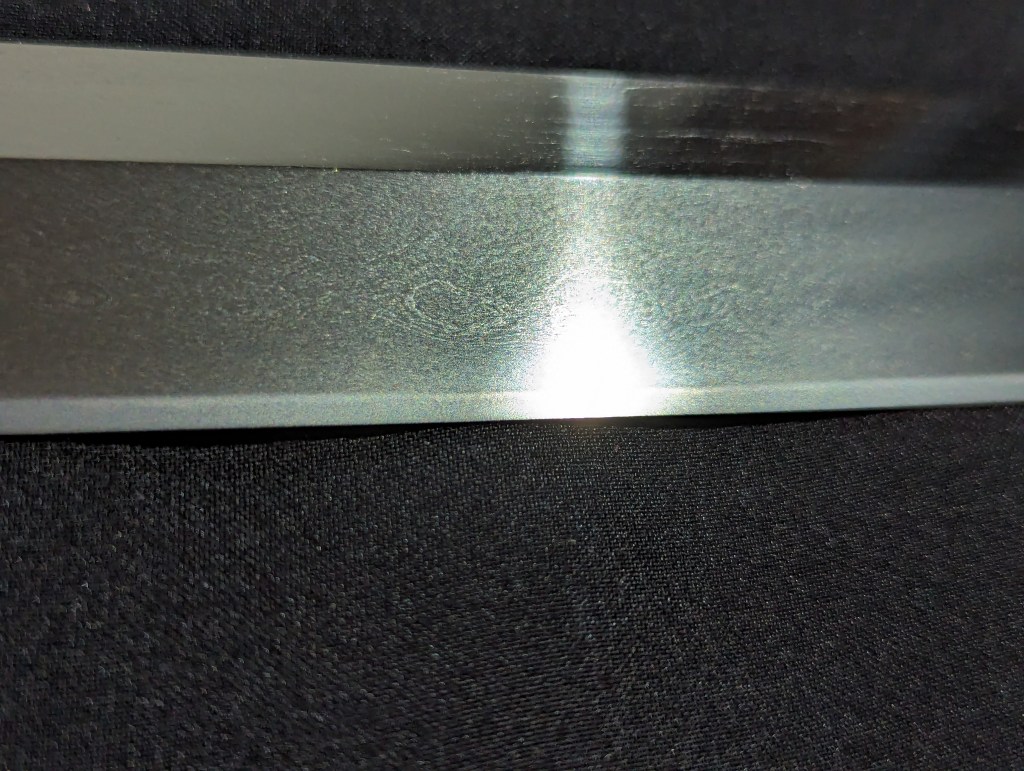
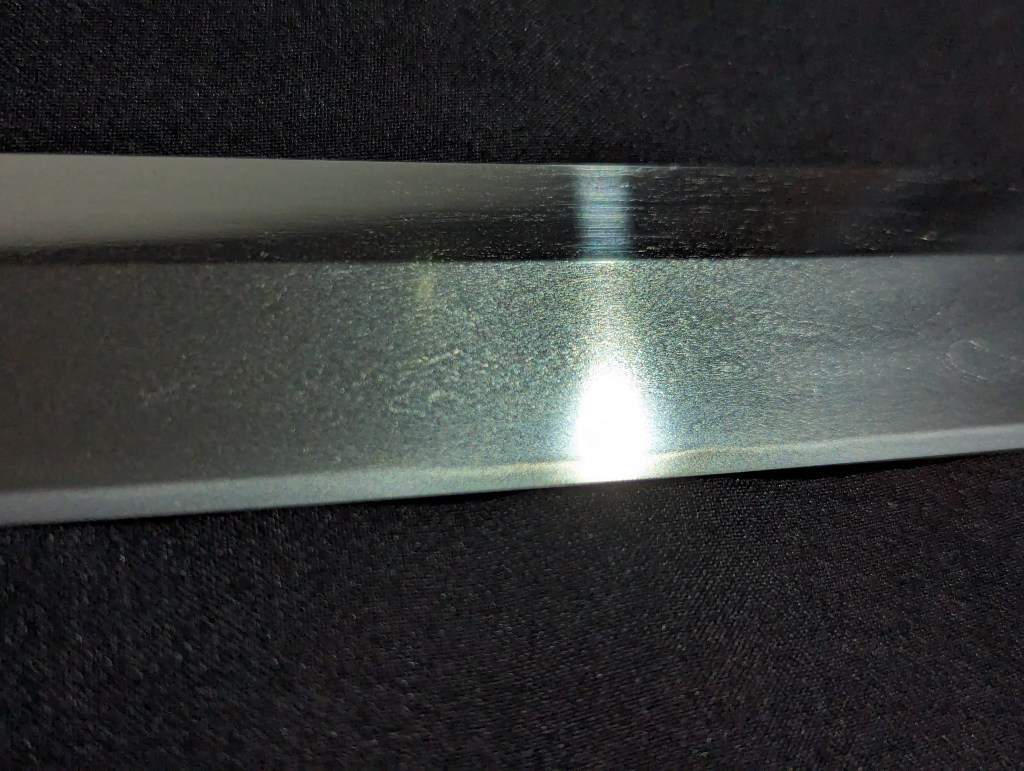
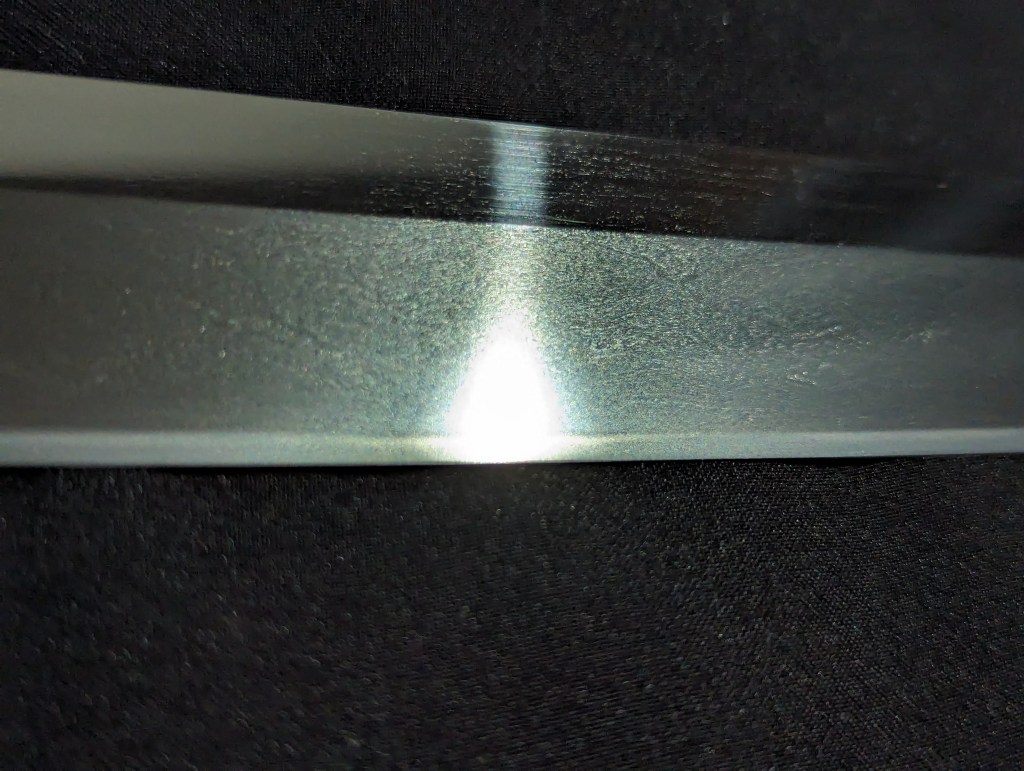
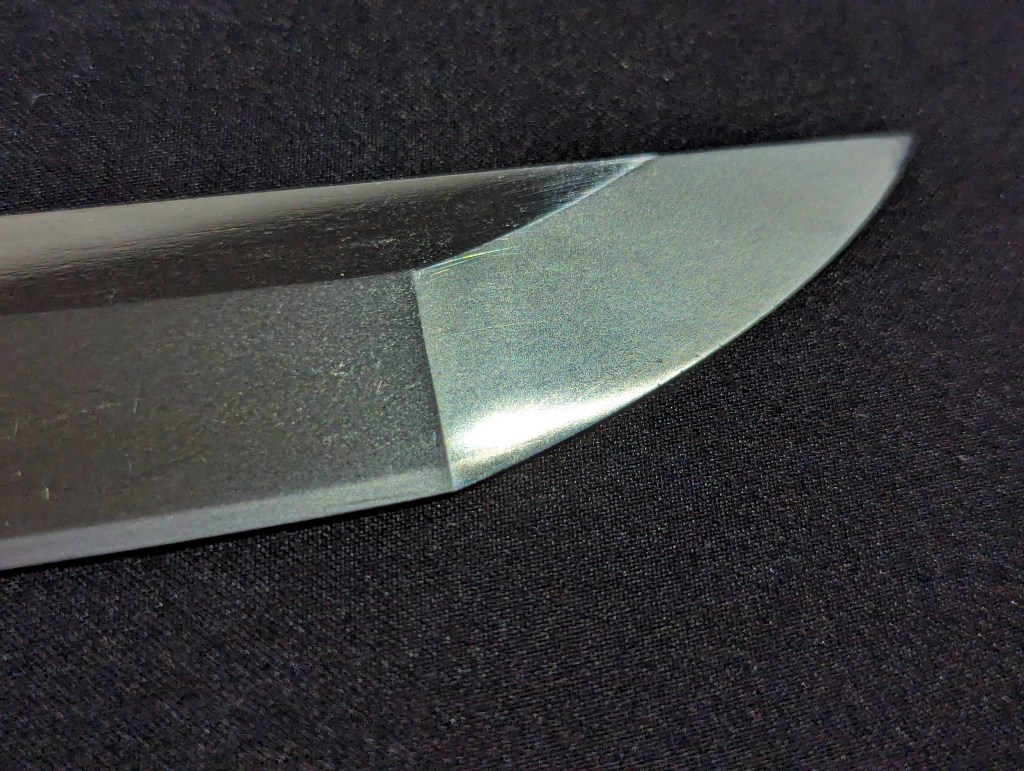
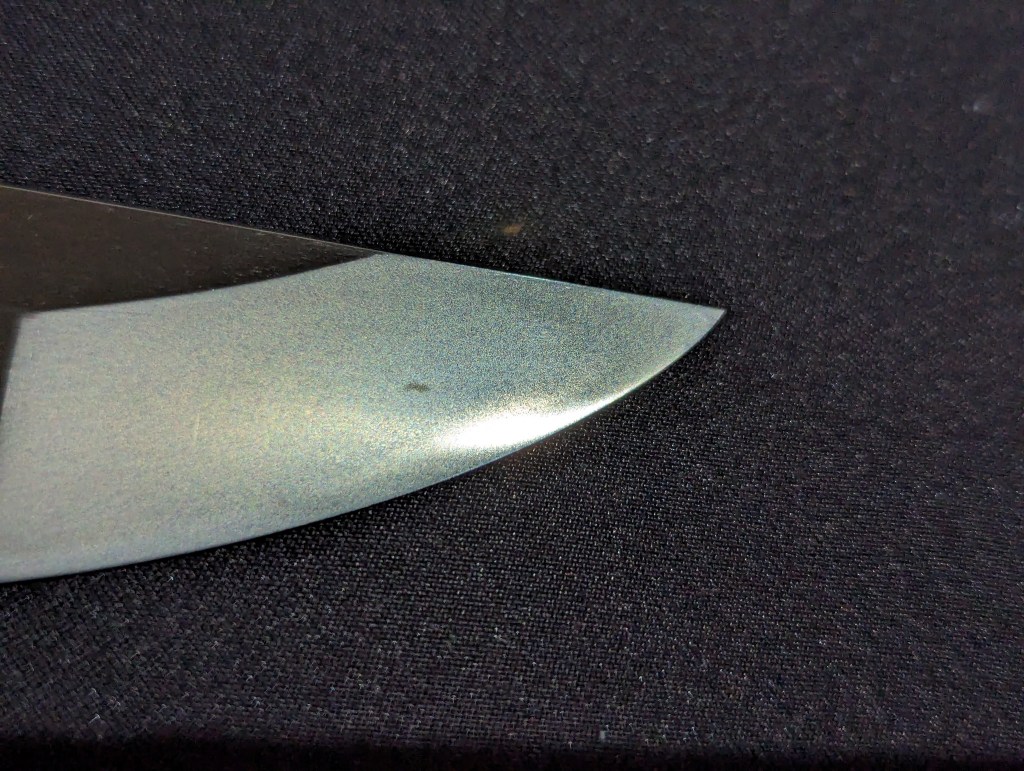
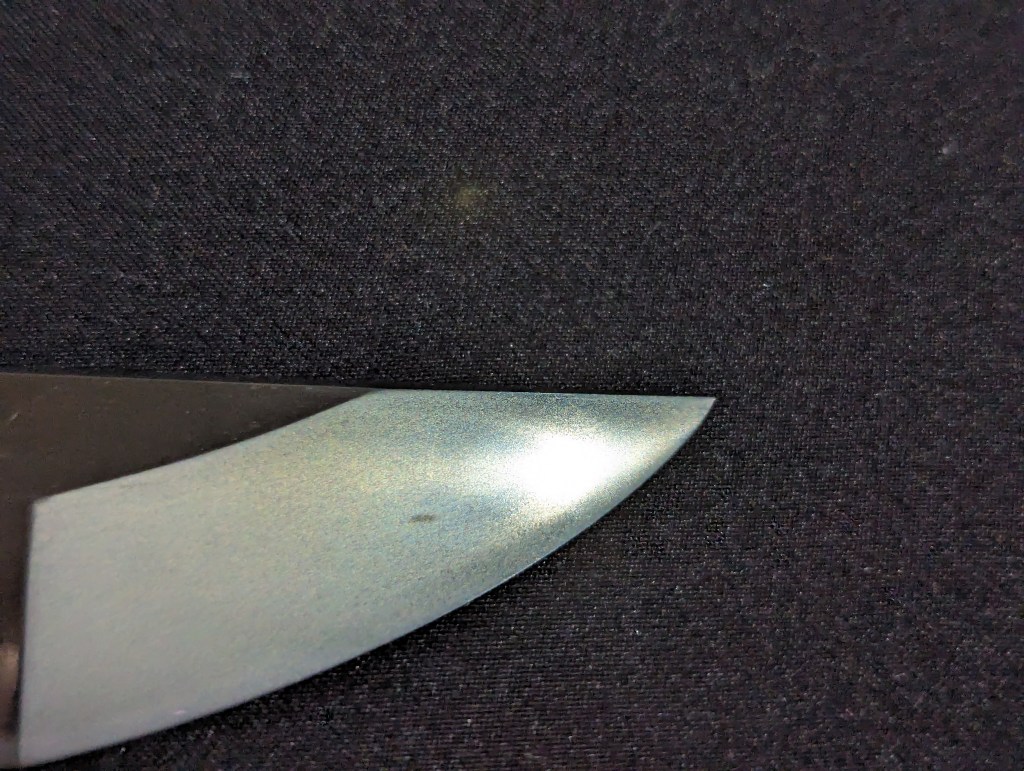
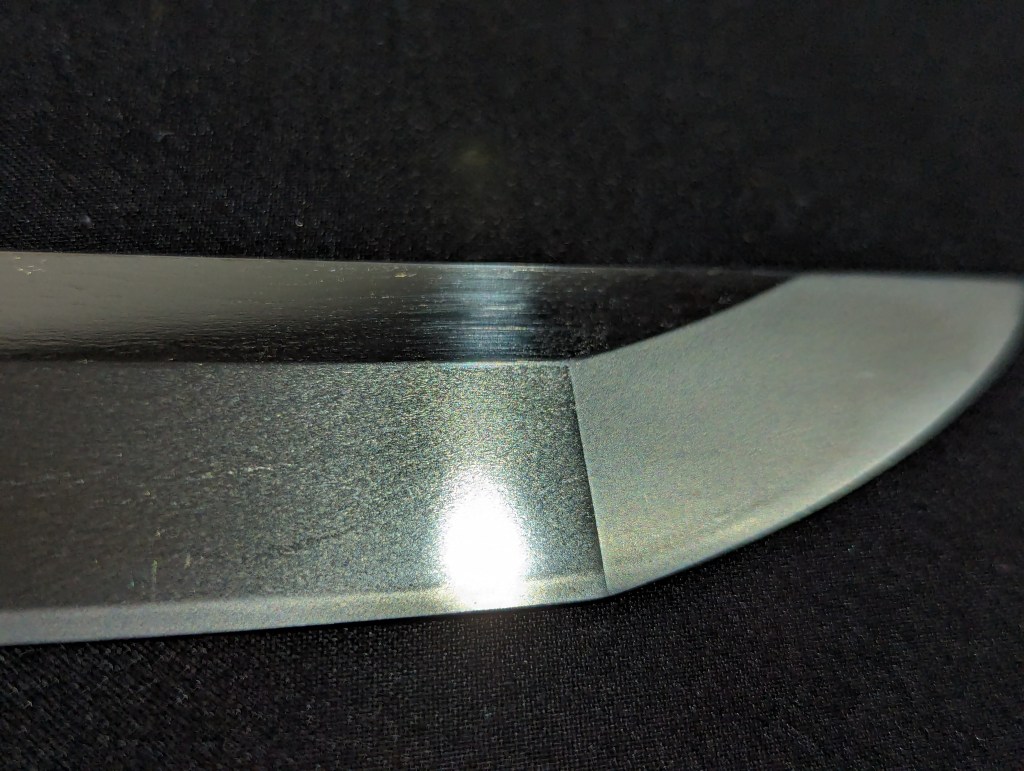
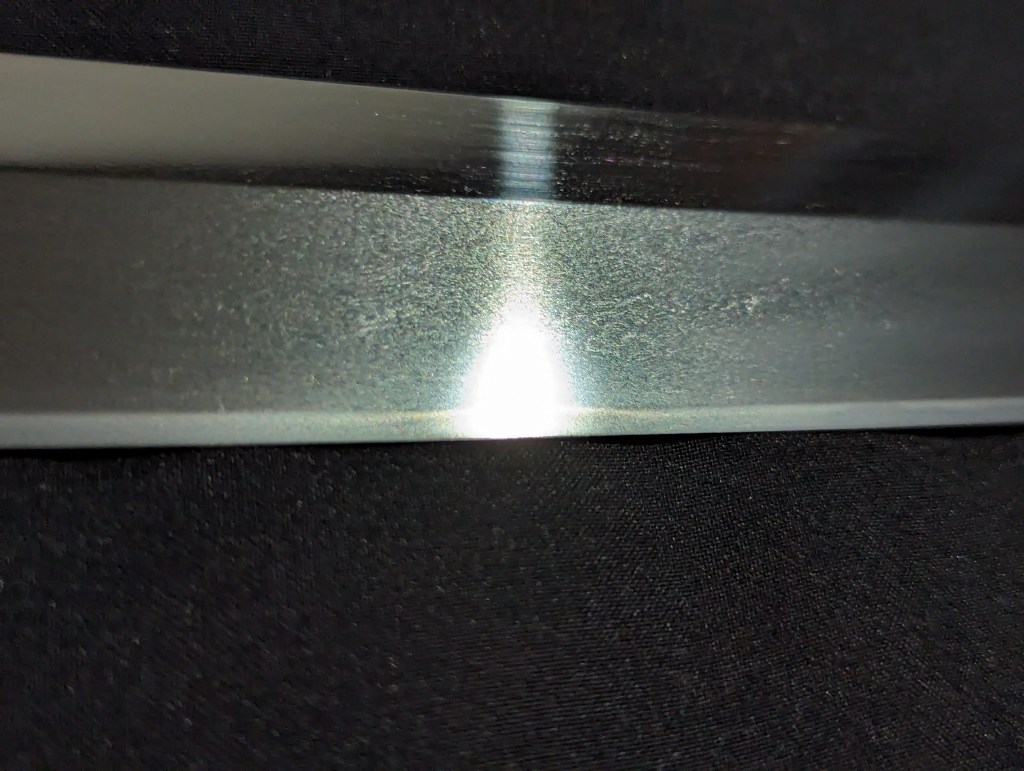
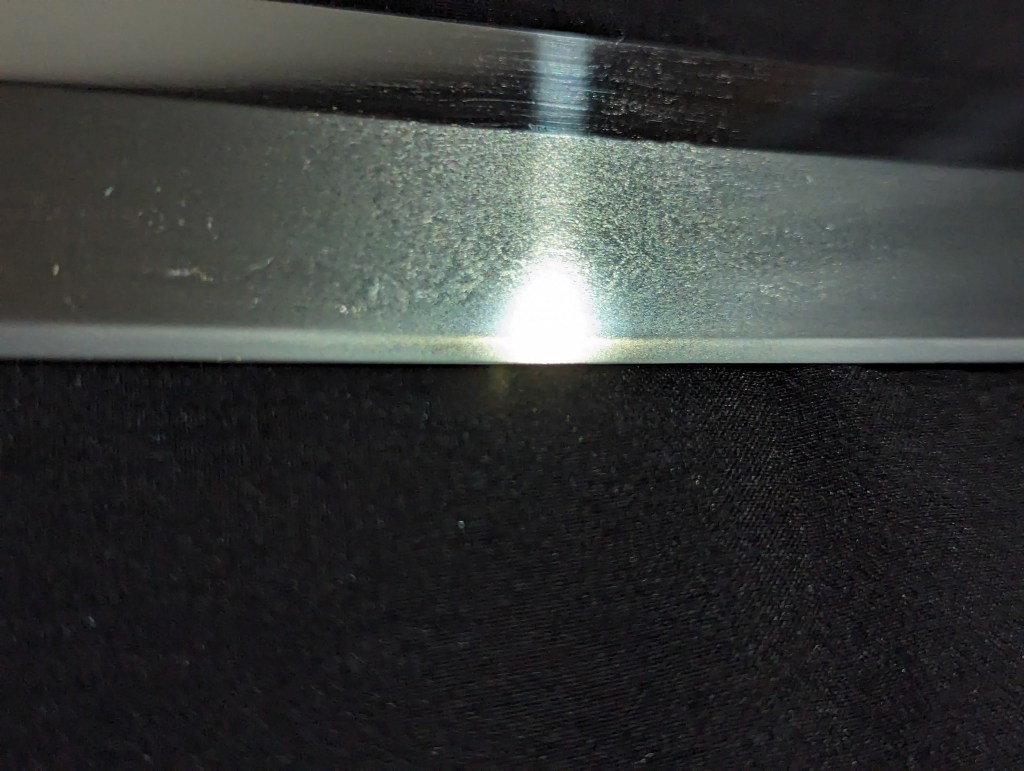
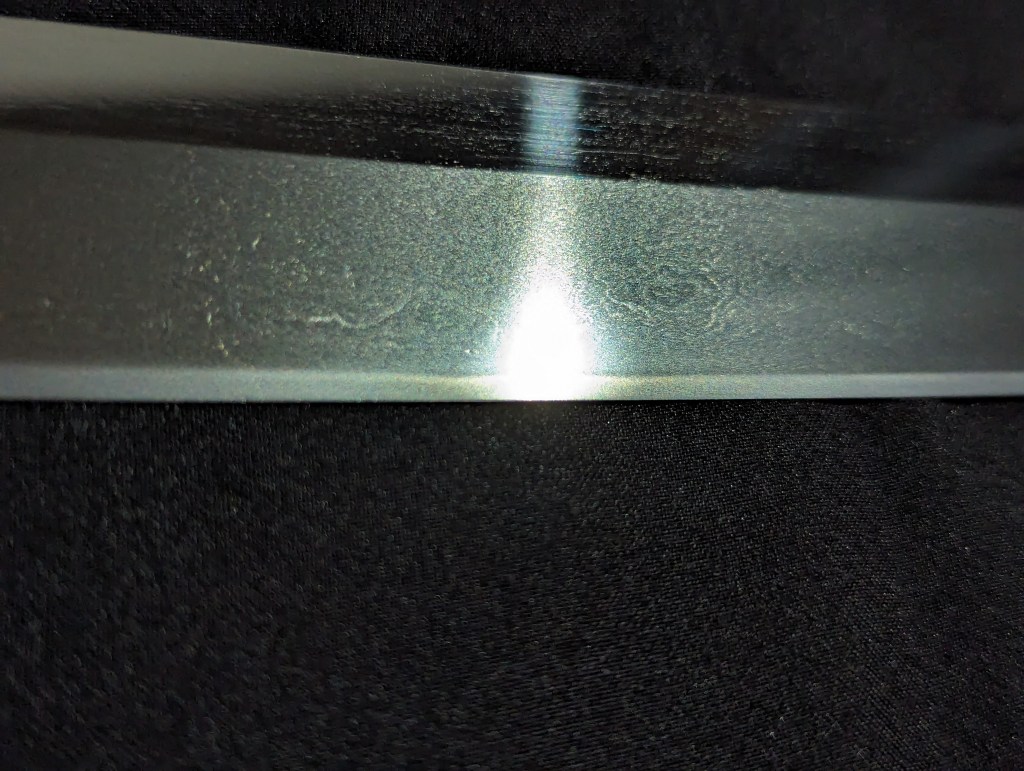
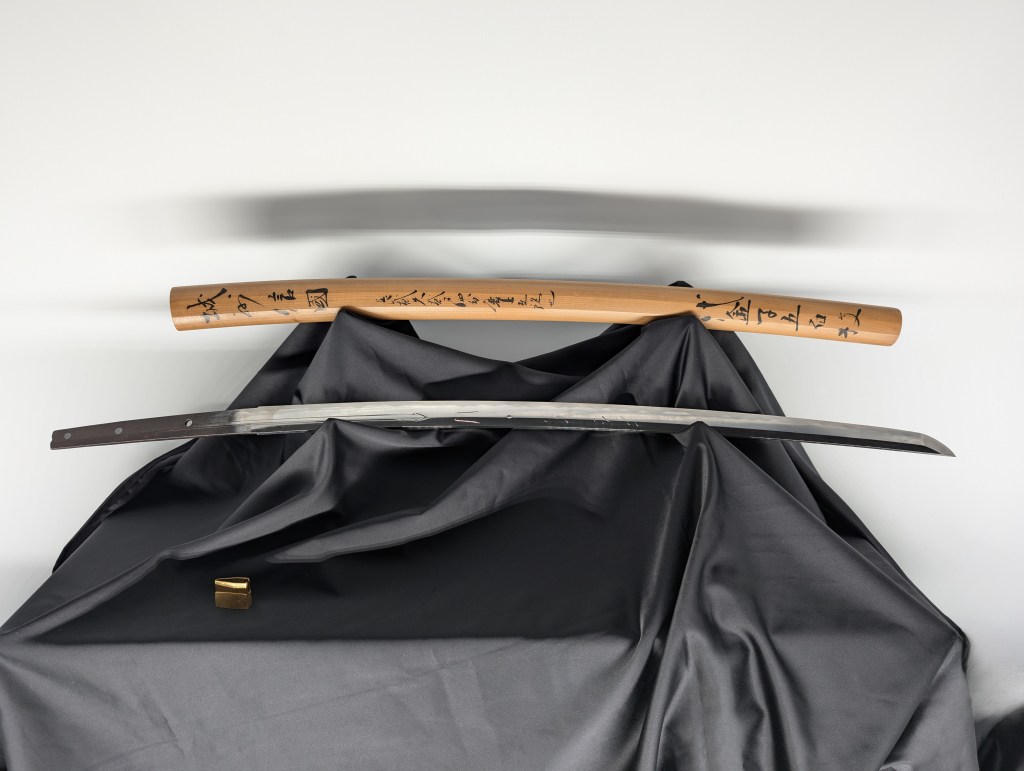
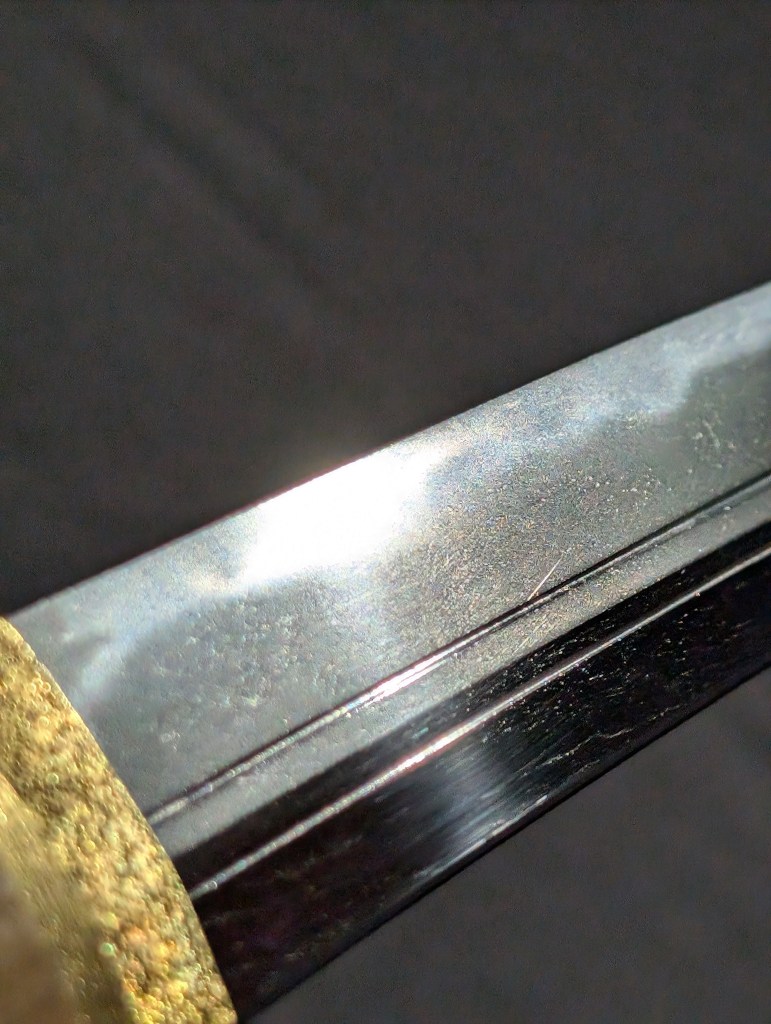
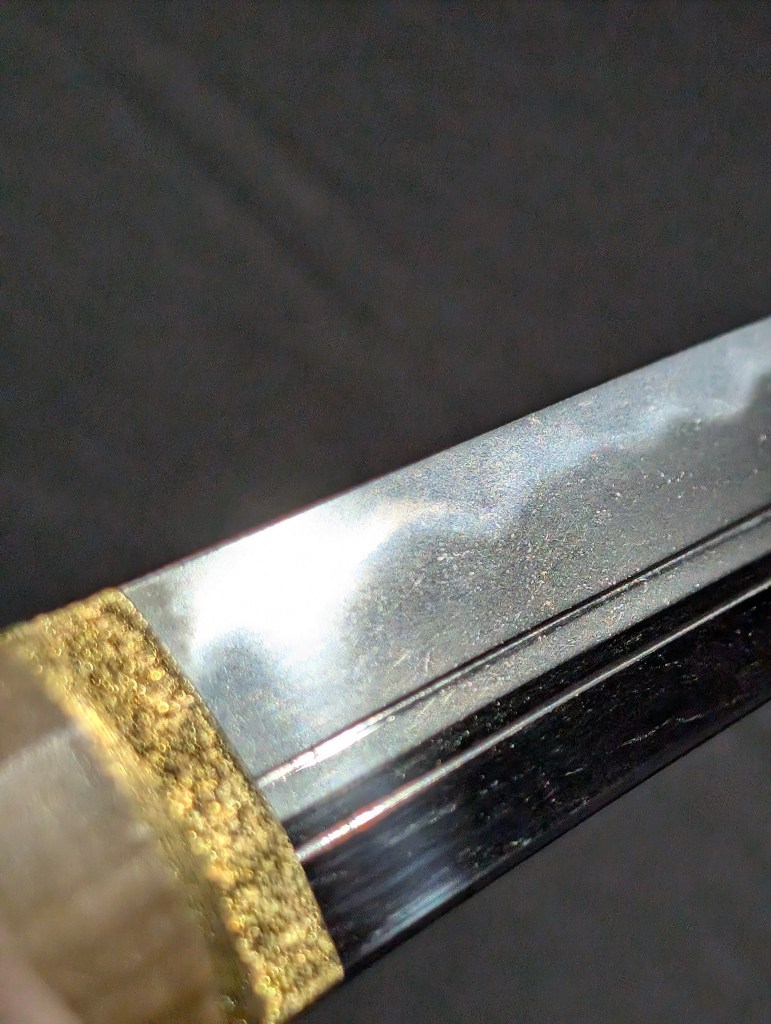
Today’s post is an opportunity to study two successive generations of one of the most prolific schools of the Nanbokucho Period: the Yamashiro Nobukuni School. Two daito made by the first-generation (shodai) and second-generation (nidai) Nobukuni smiths are described here. The first blade measures 66.8 cm, with a modest sori of 1.6 cm. The mihaba is relatively wide, typical of Nanbokucho Period works, with a motohaba of 2.95 cm and a sakihaba of 2.4 cm. On the other hand, the work of the Nidai measures 68 cm, with a shallow curvature of 1 cm. The blade is slightly thinner than that of his predecessor, measuring 2.75 cm for the motohaba and 1.95 cm for the sakihaba.
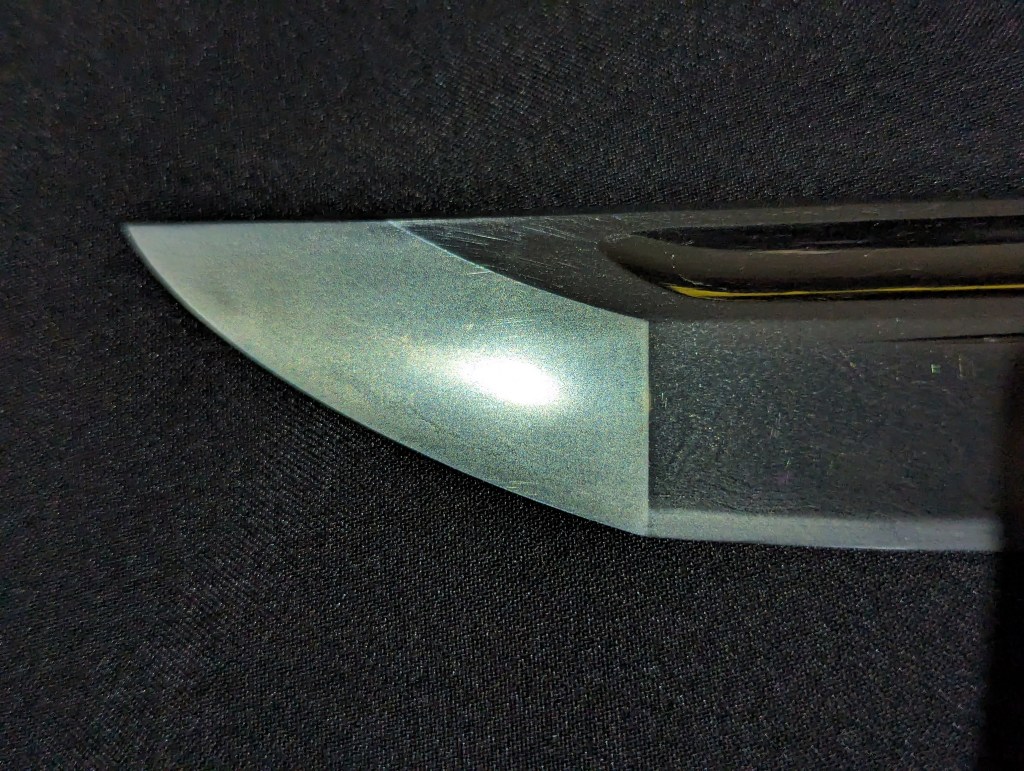
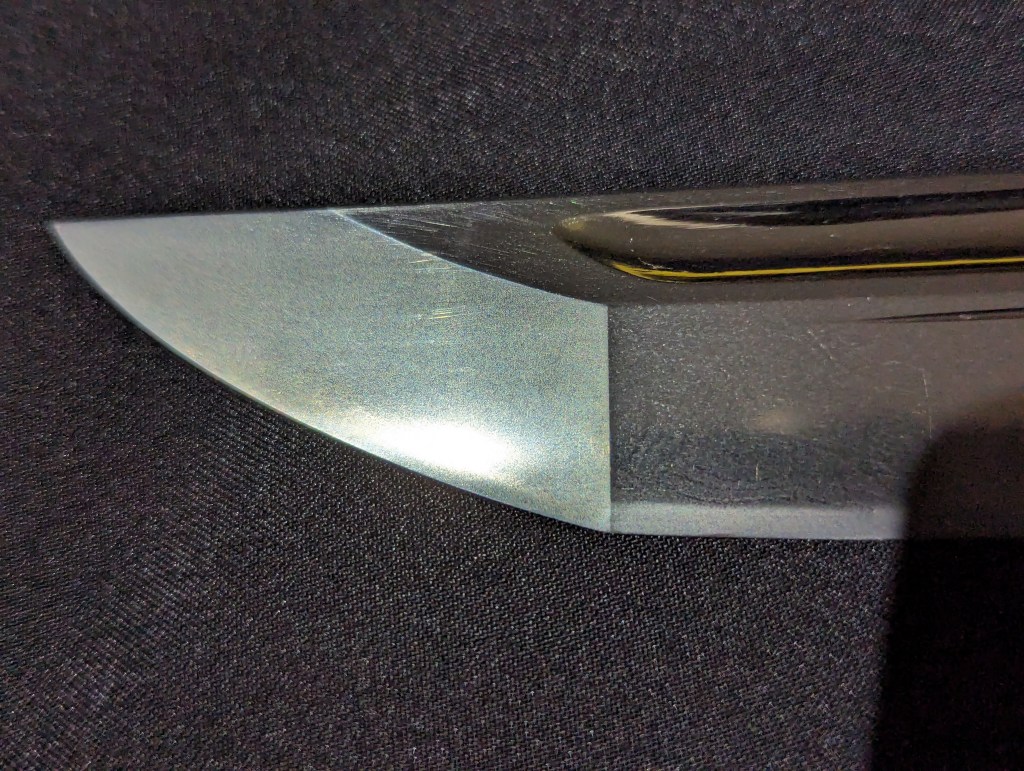
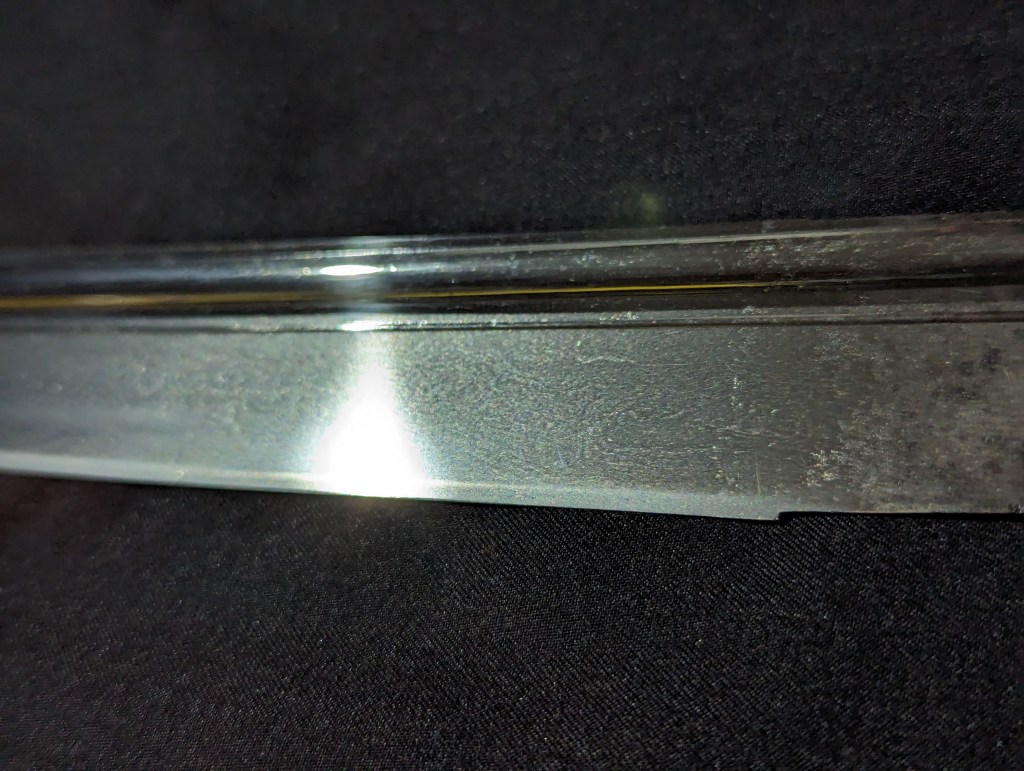
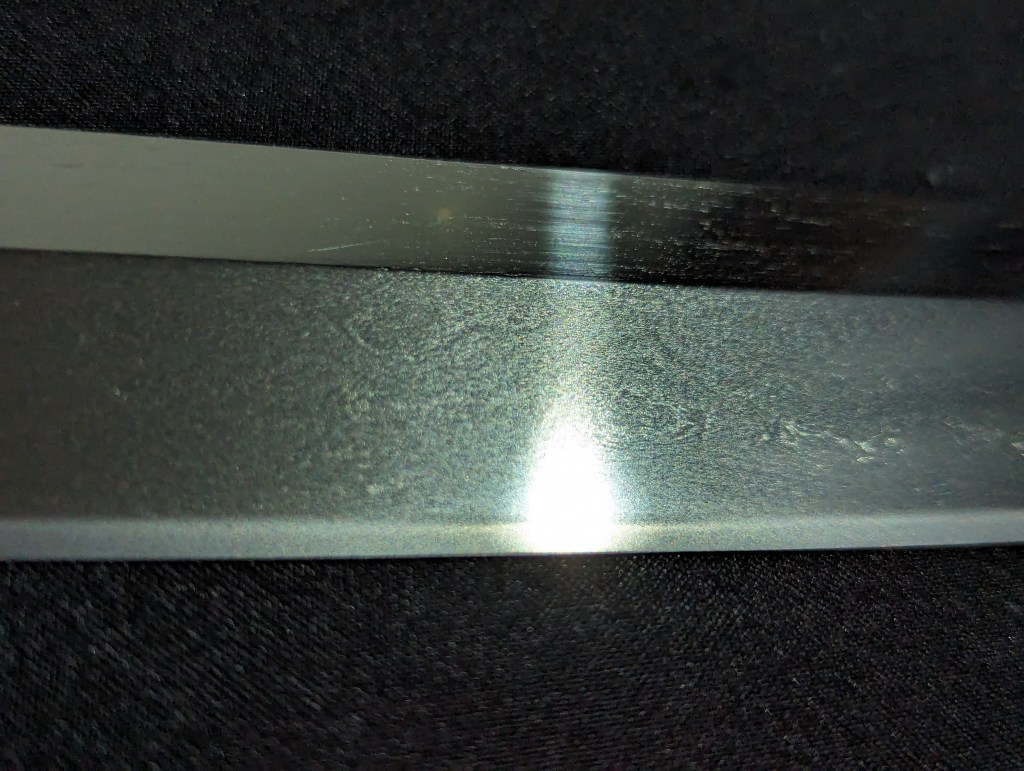
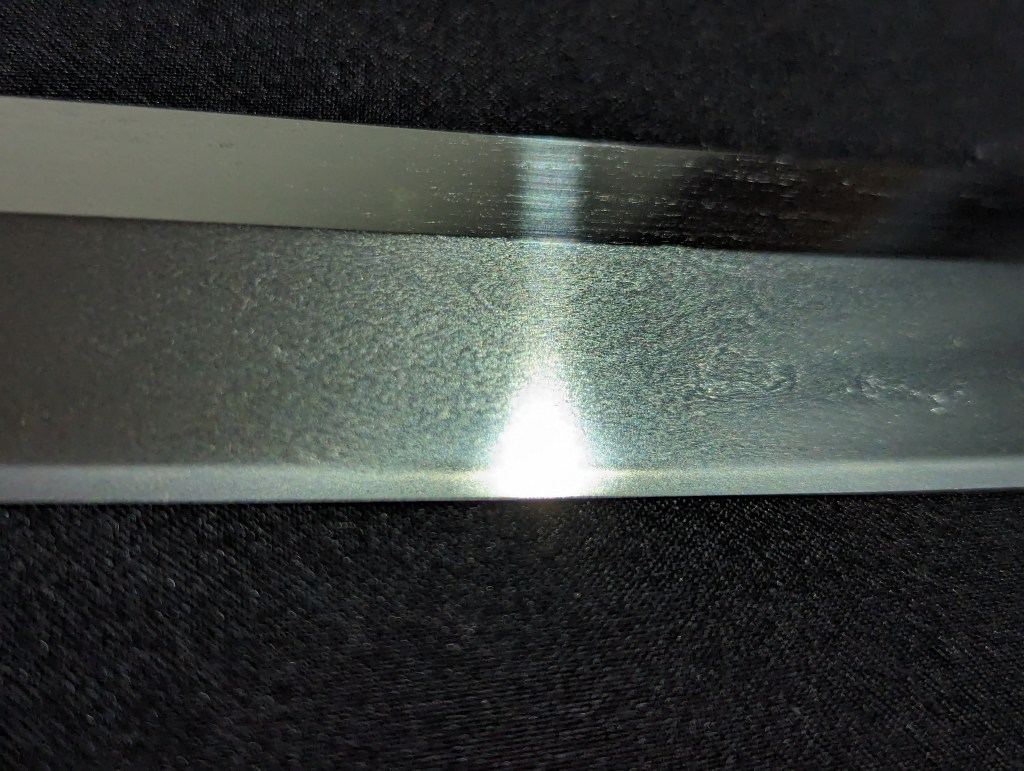
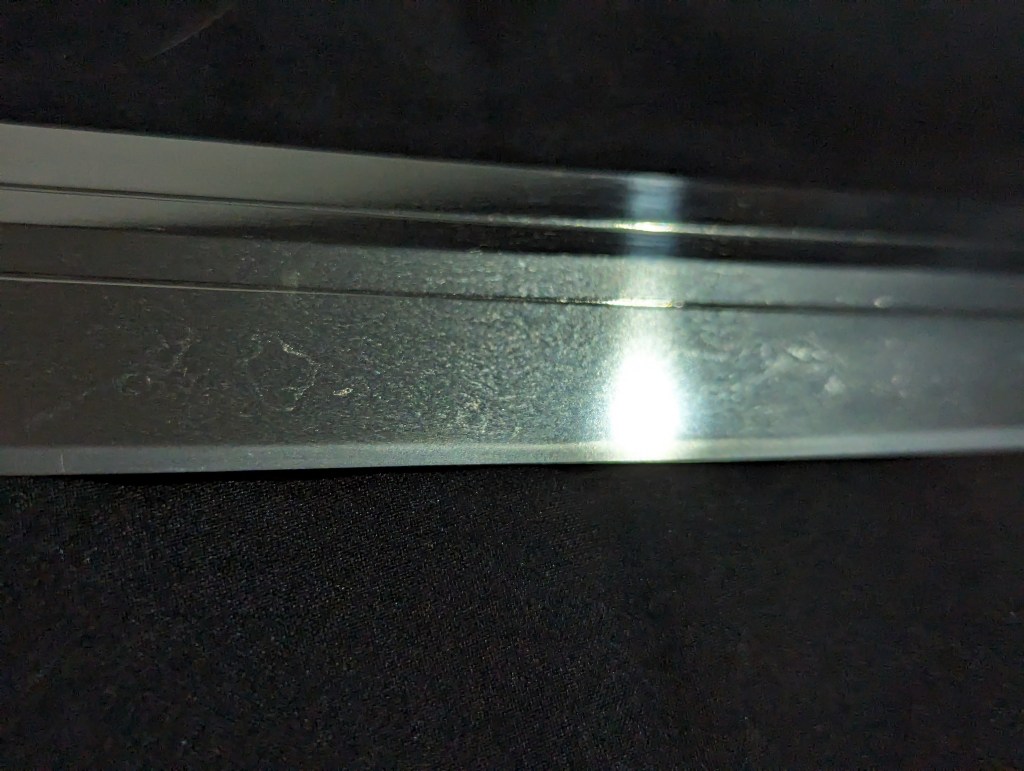
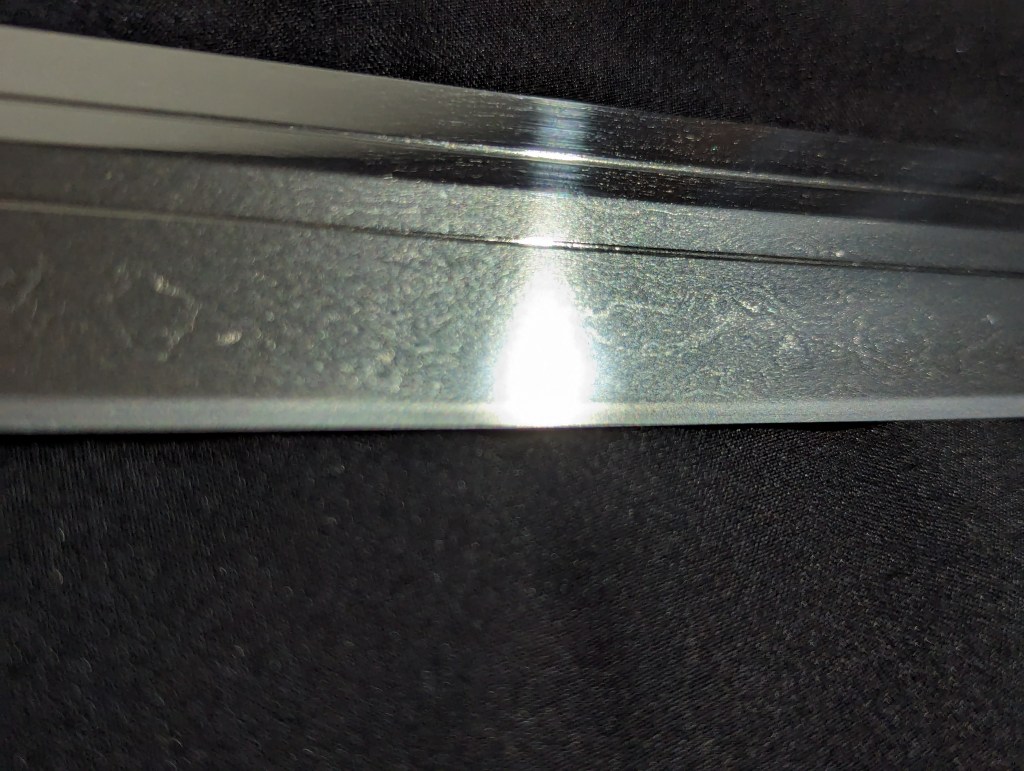
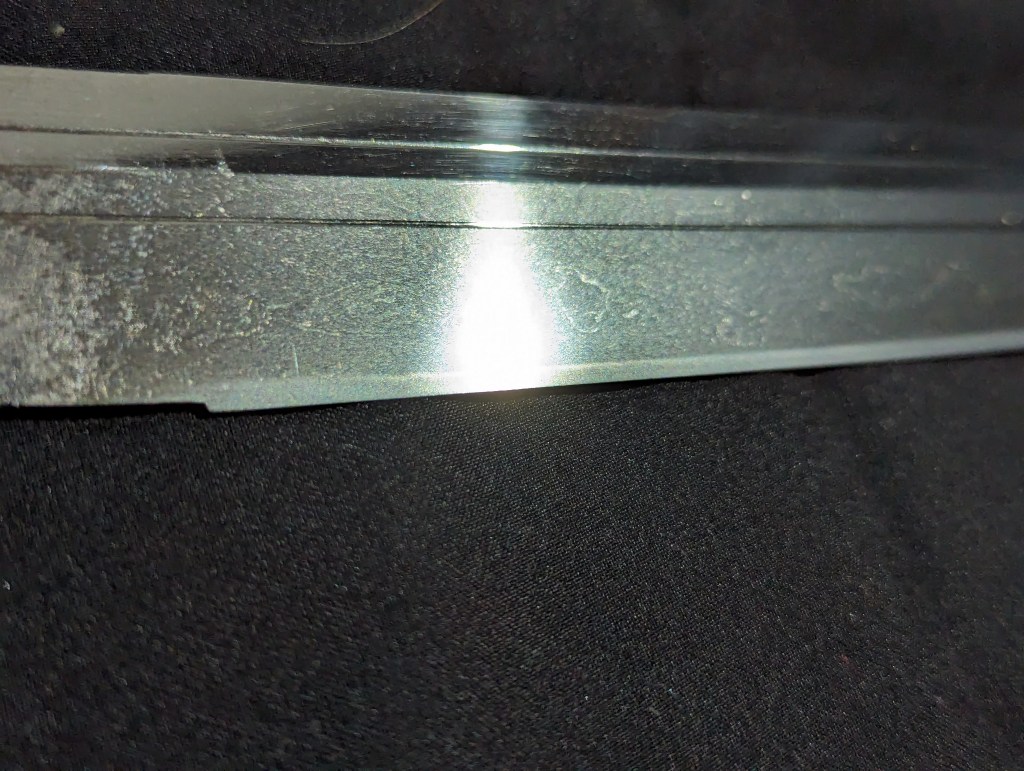
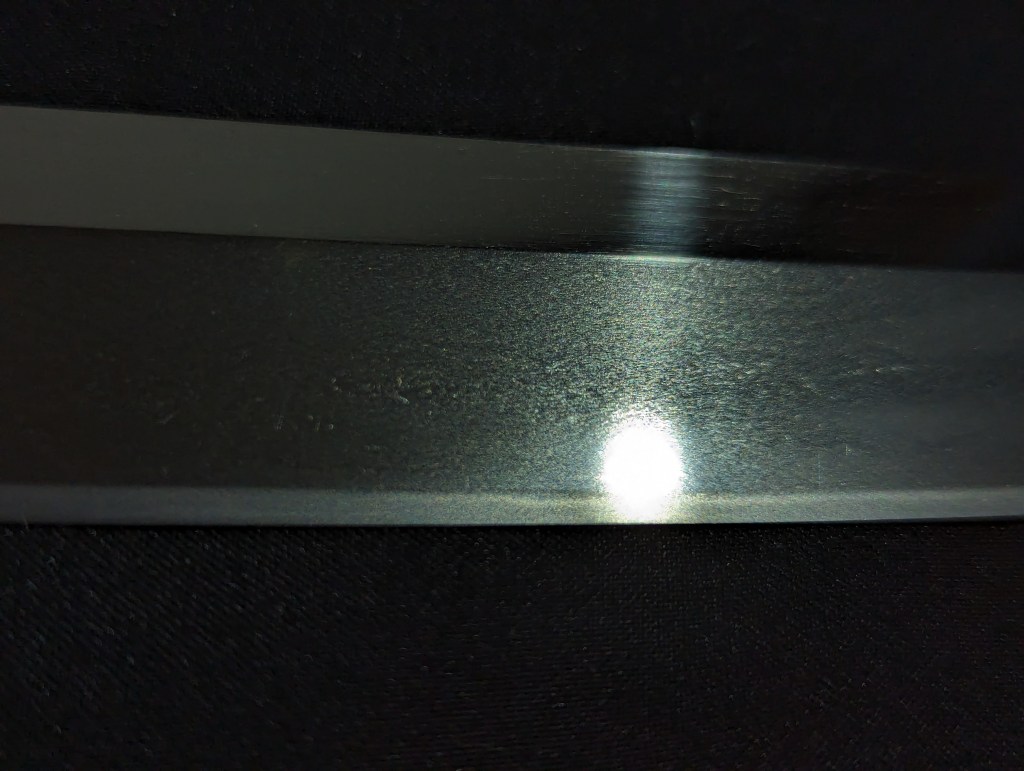
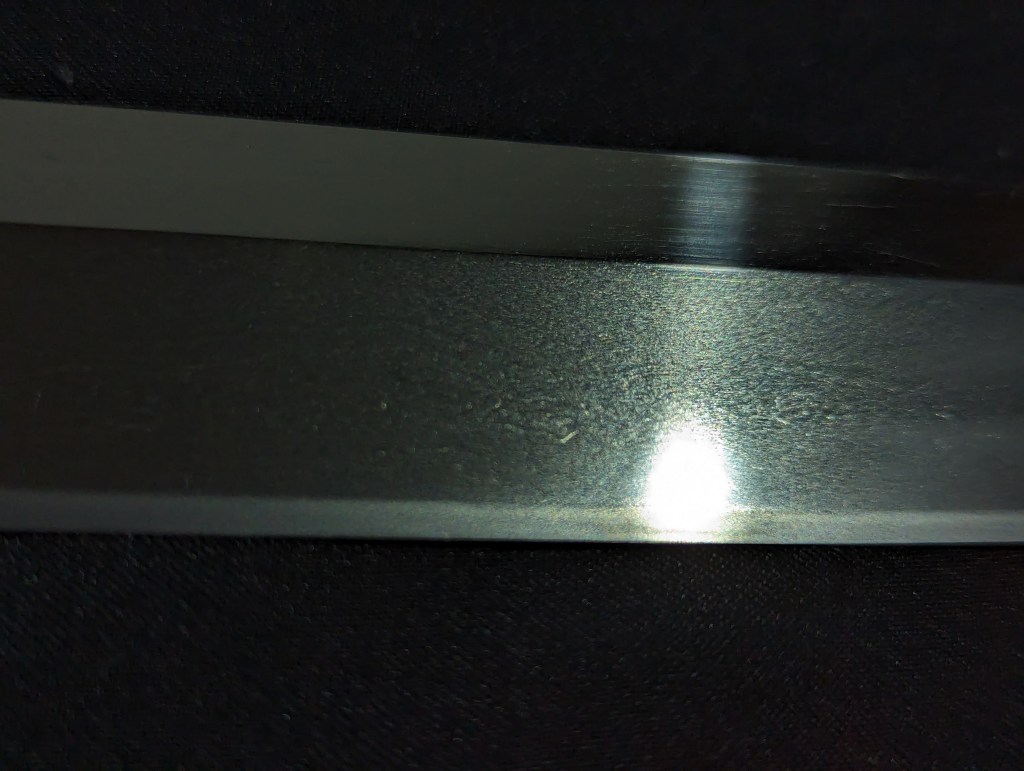
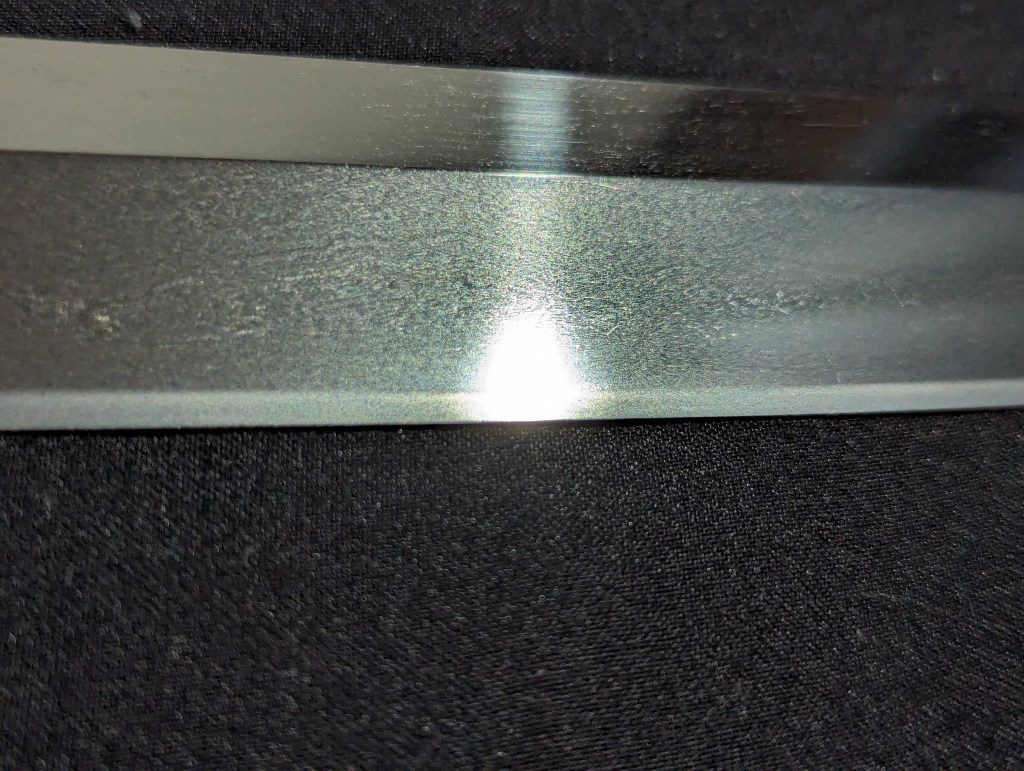
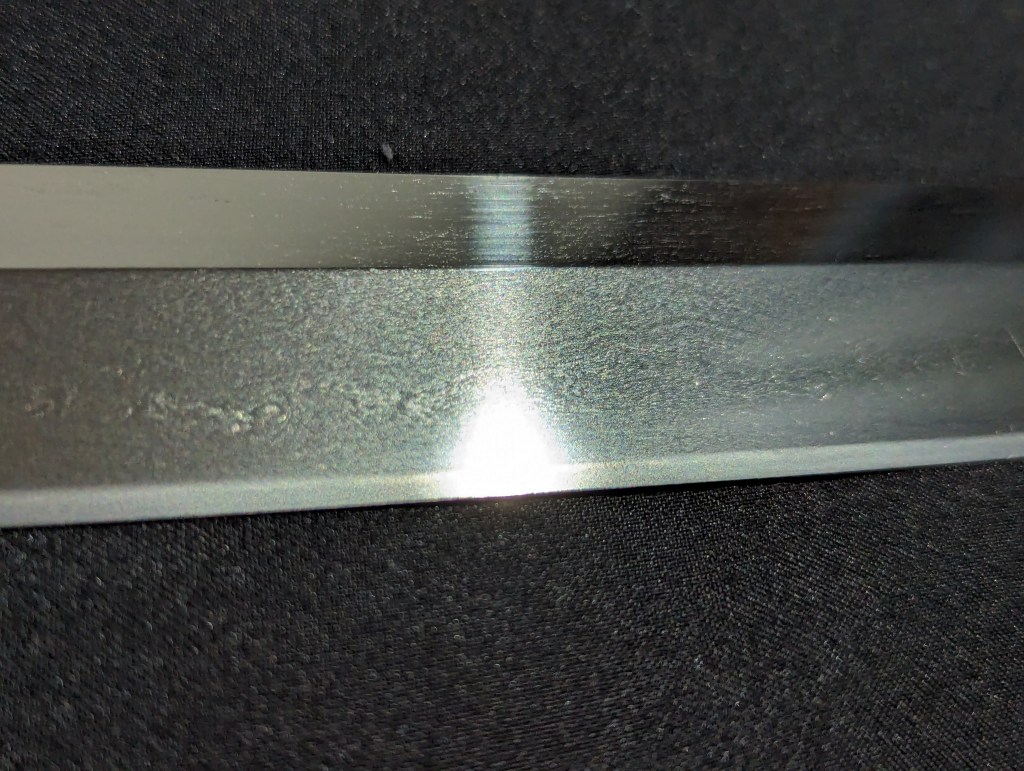
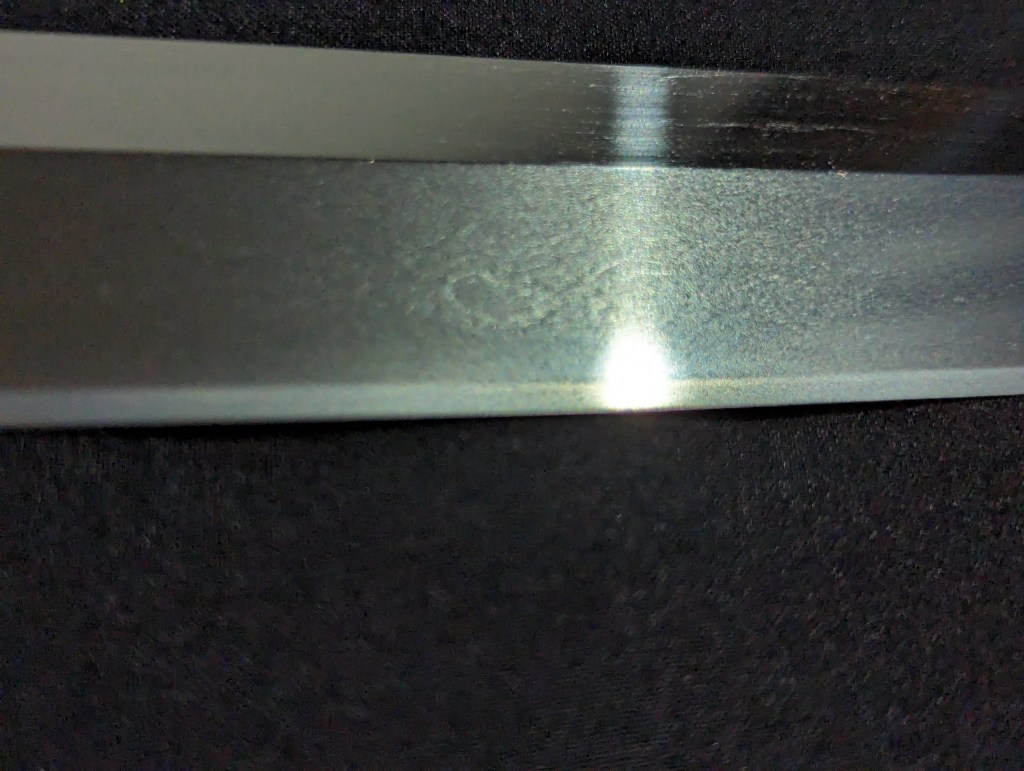
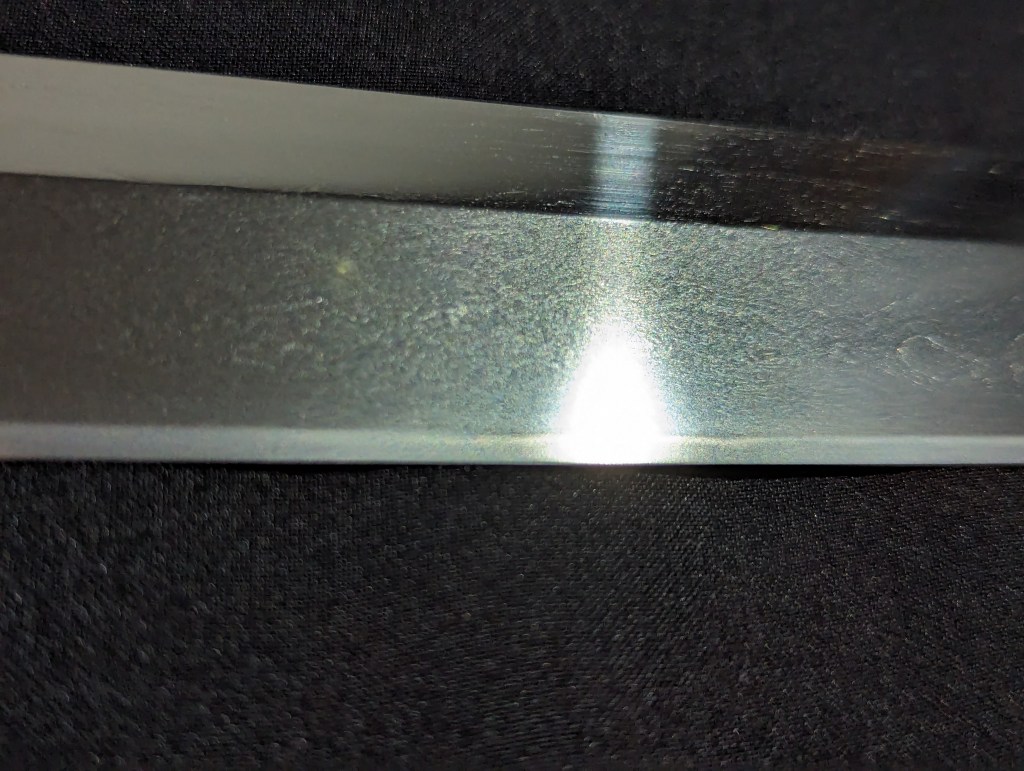
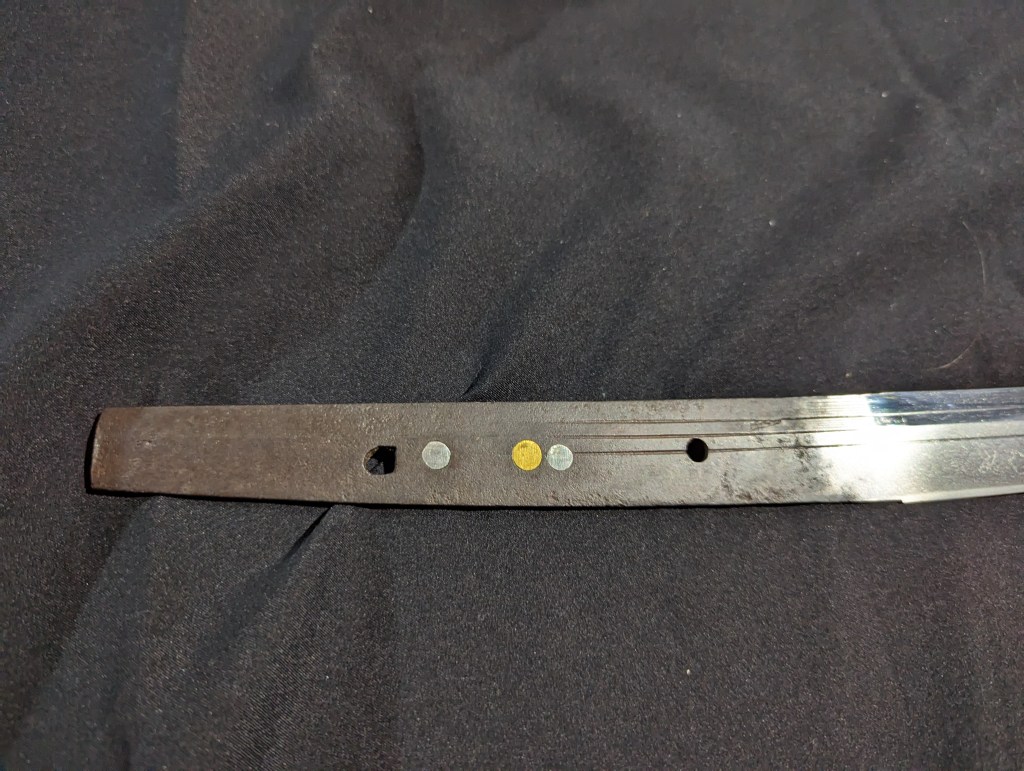
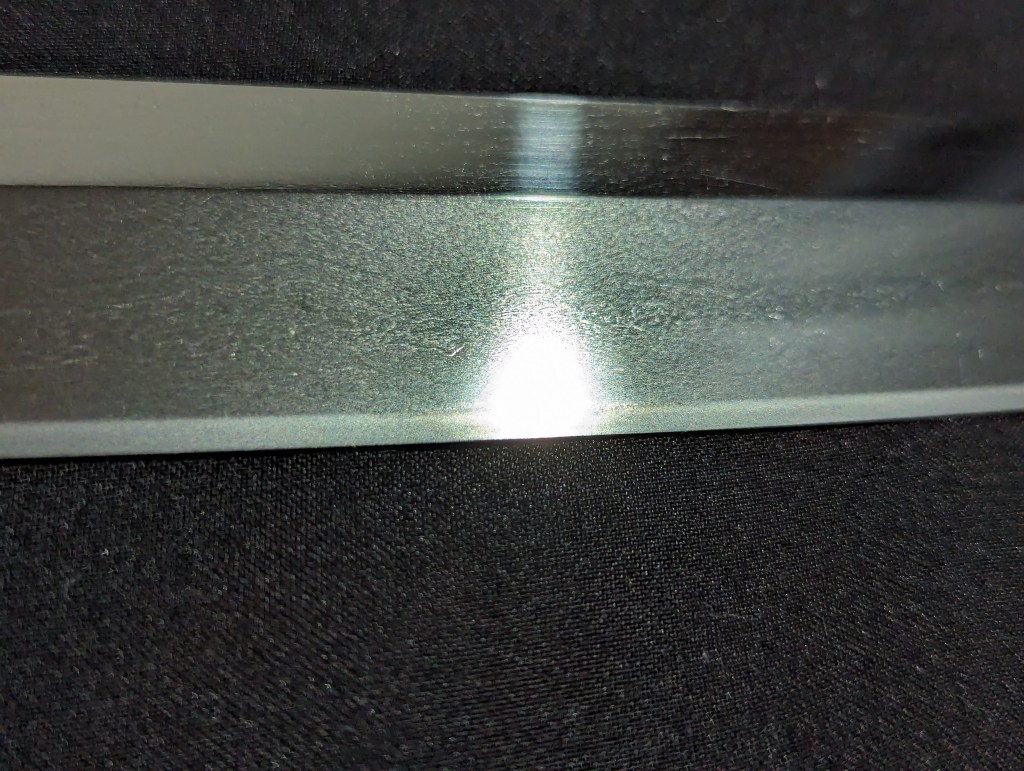
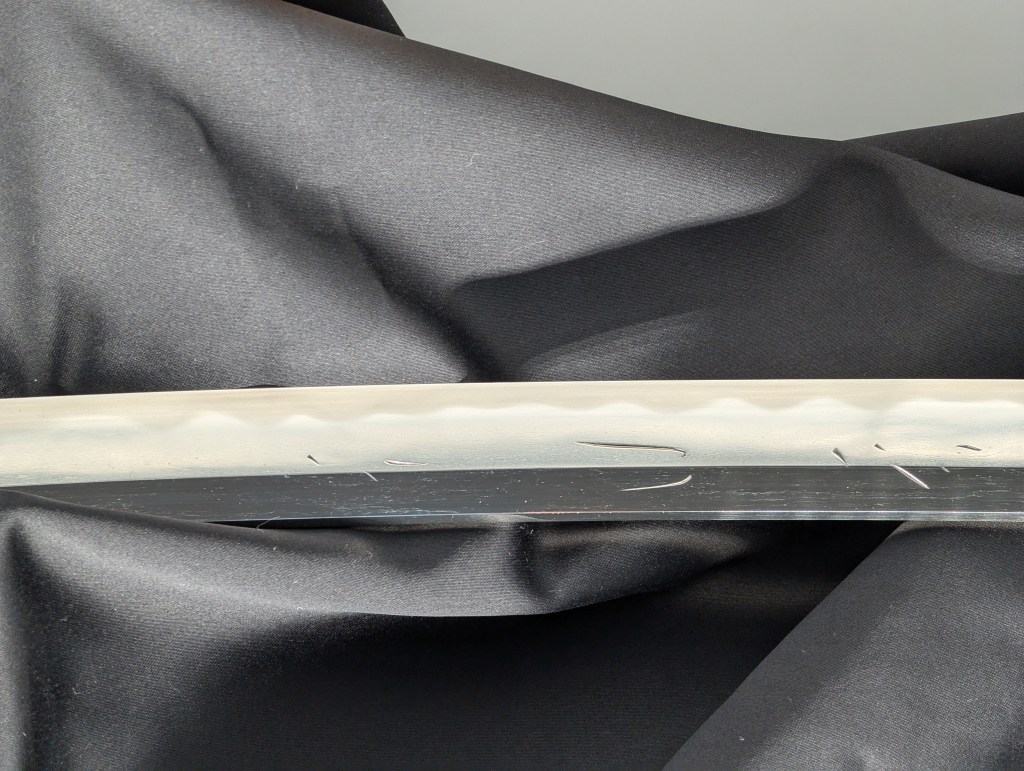
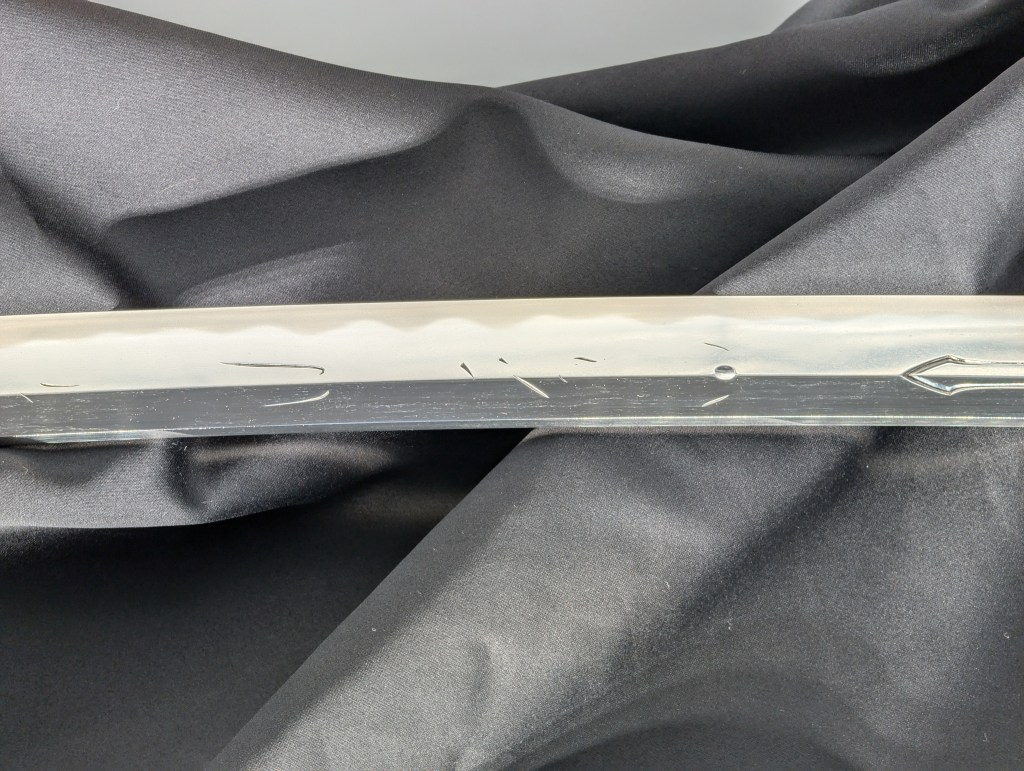
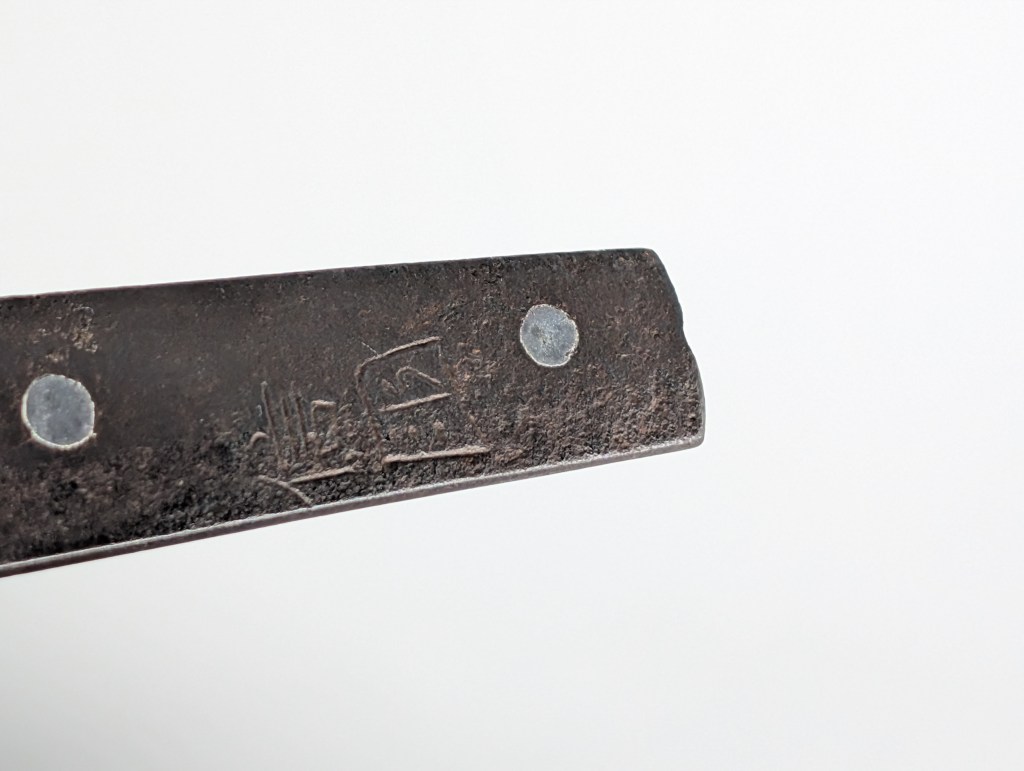
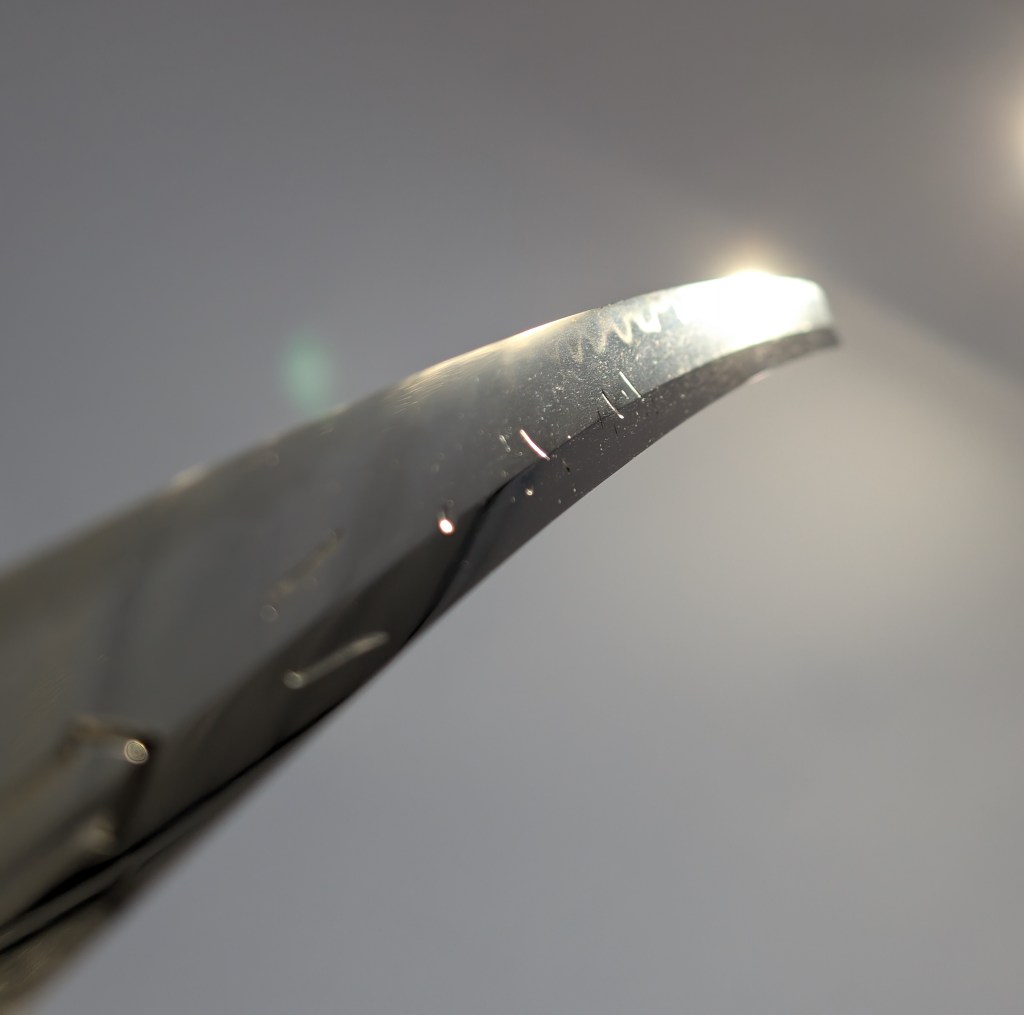
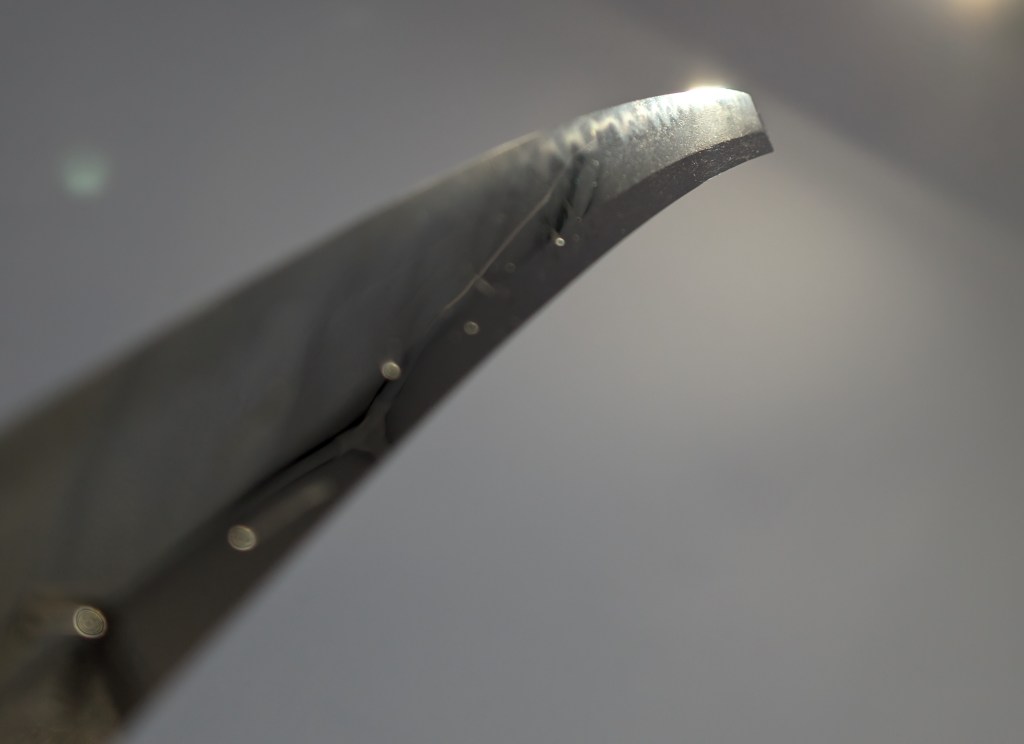
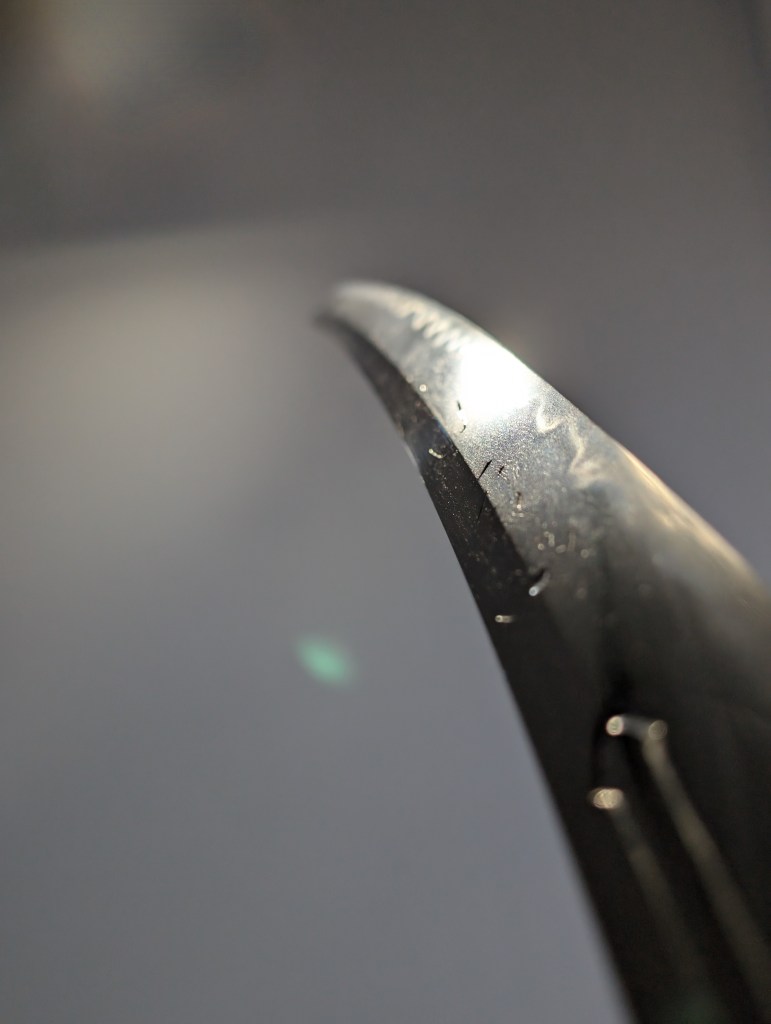
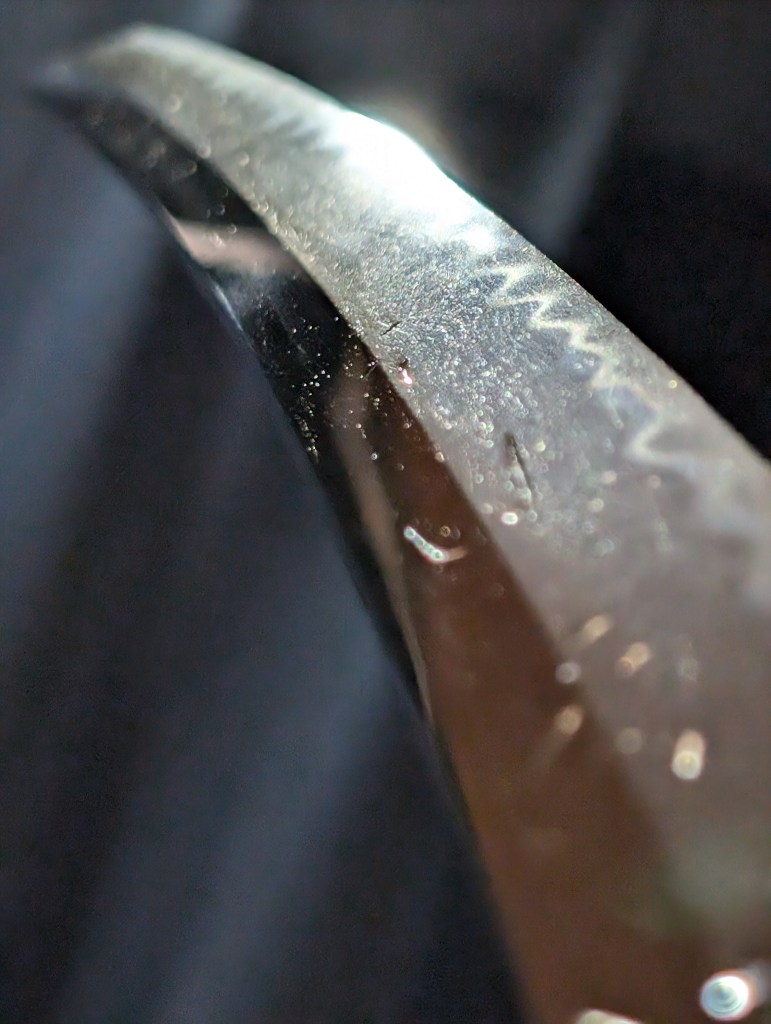
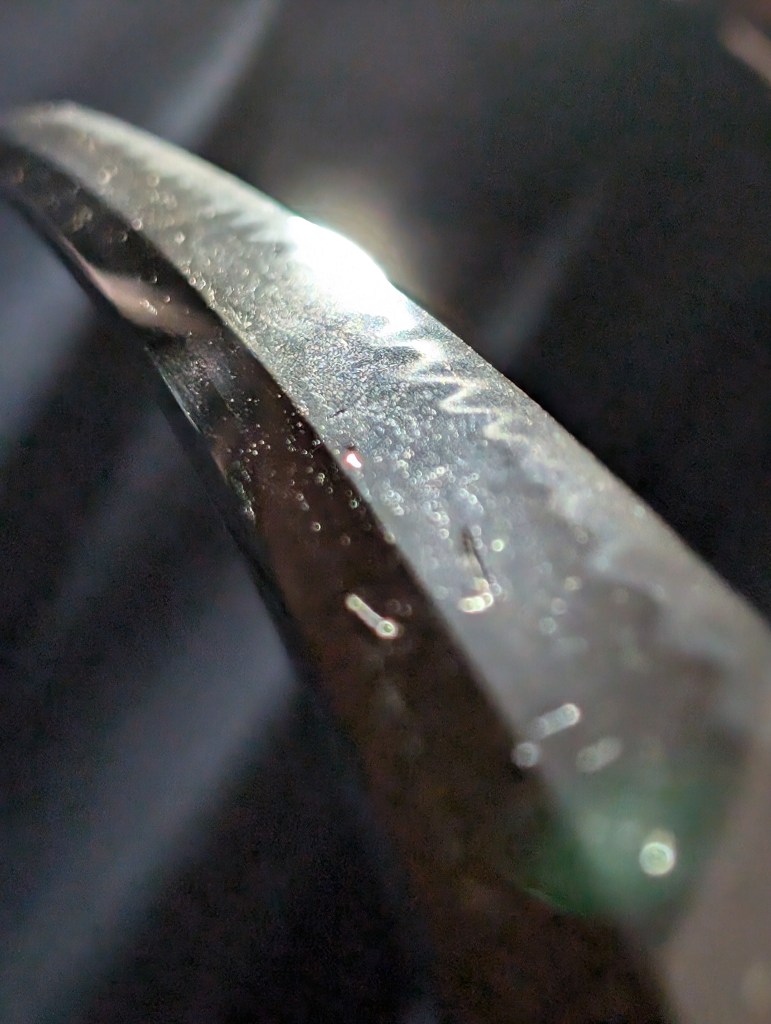
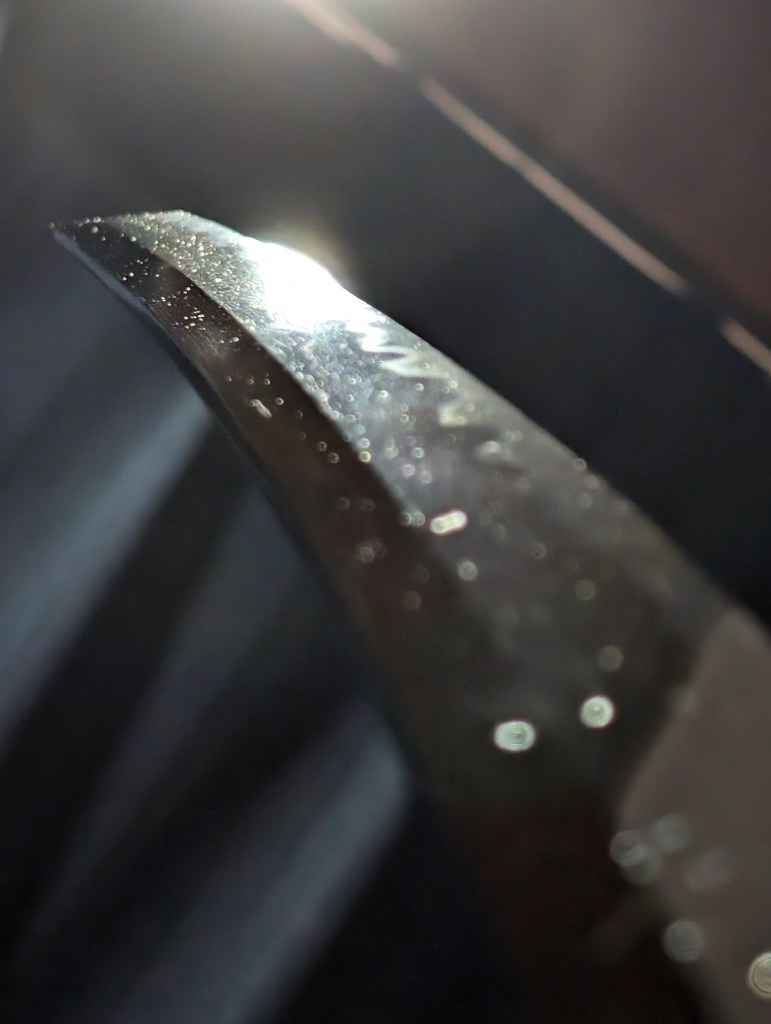
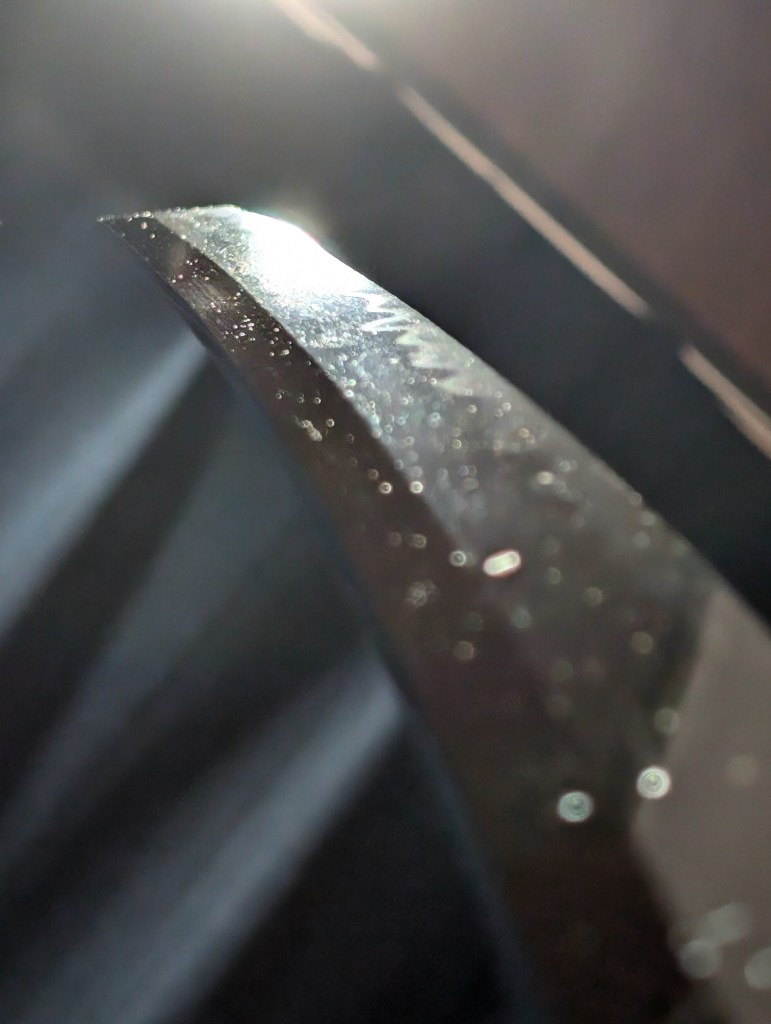
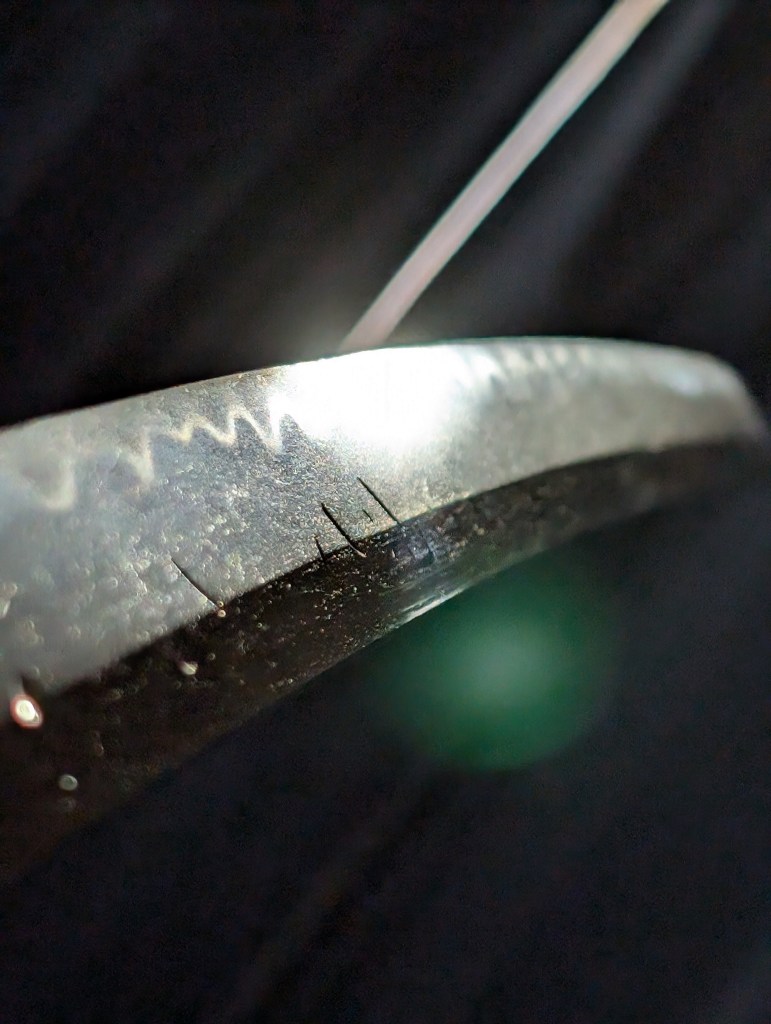
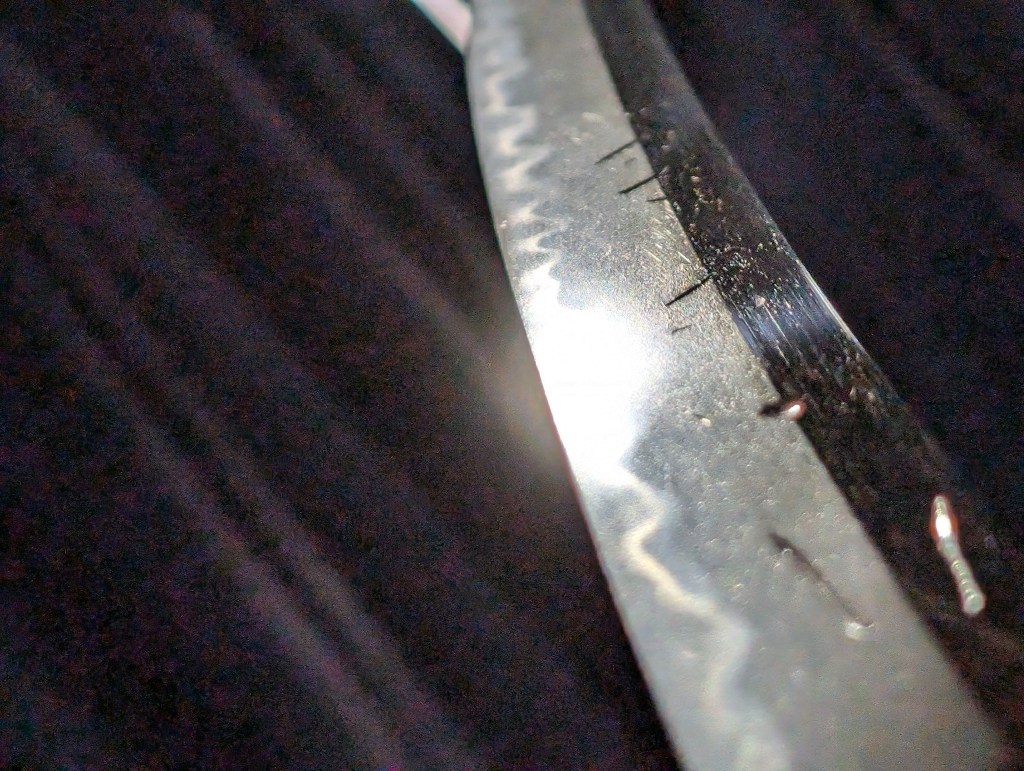
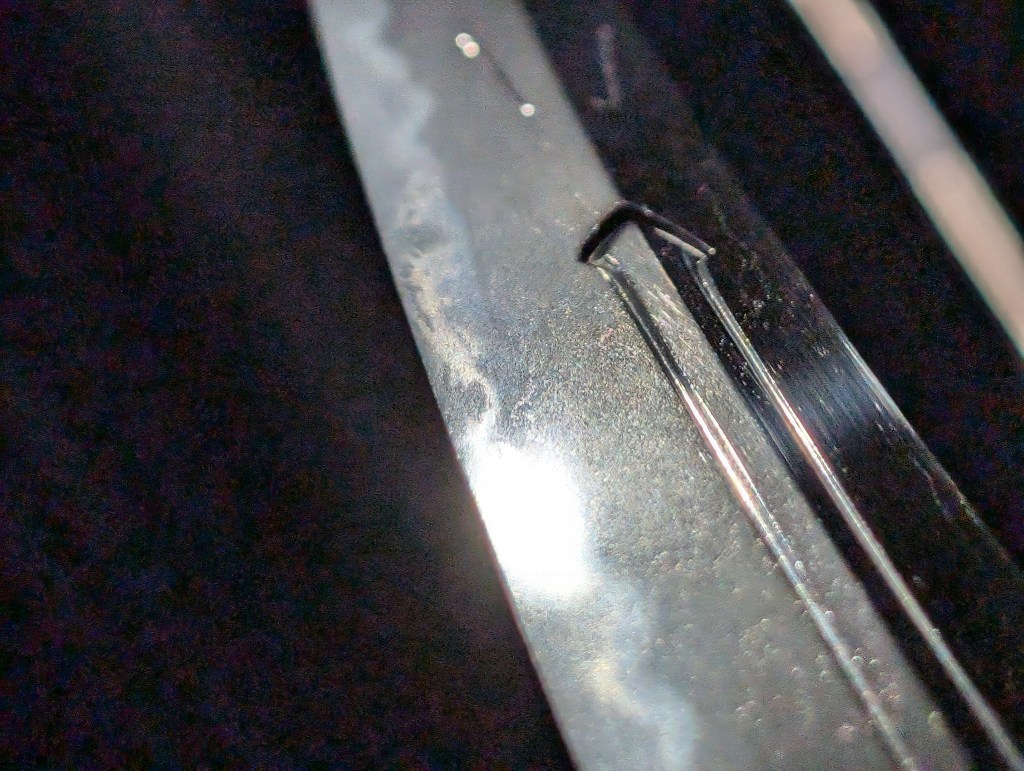
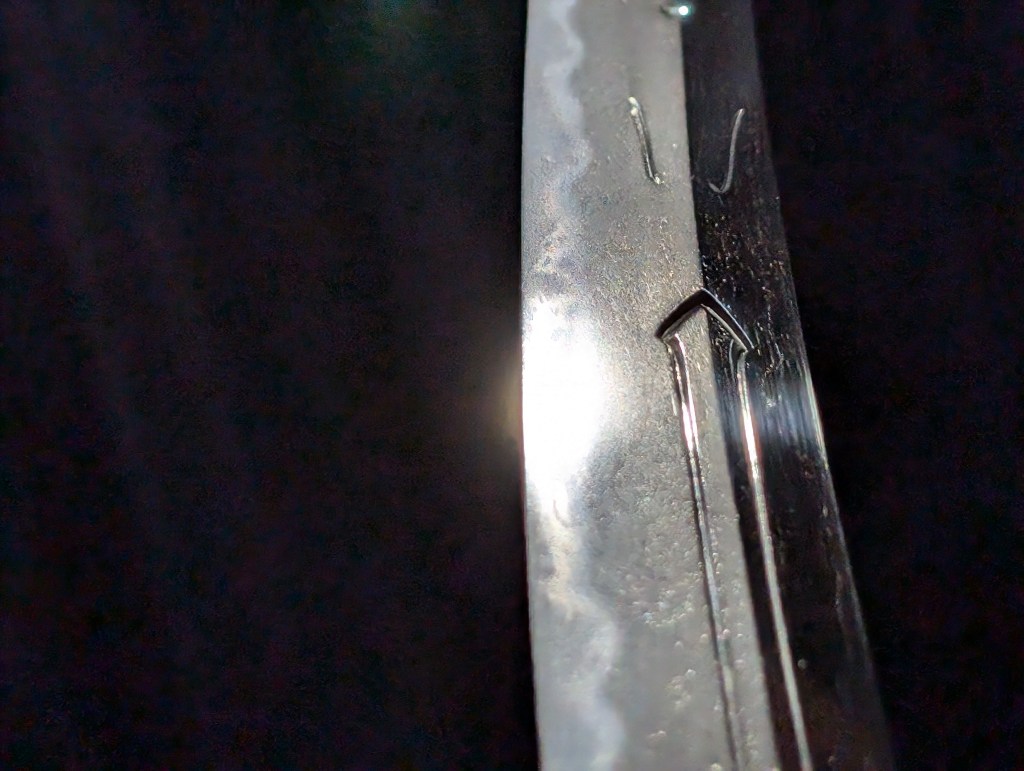
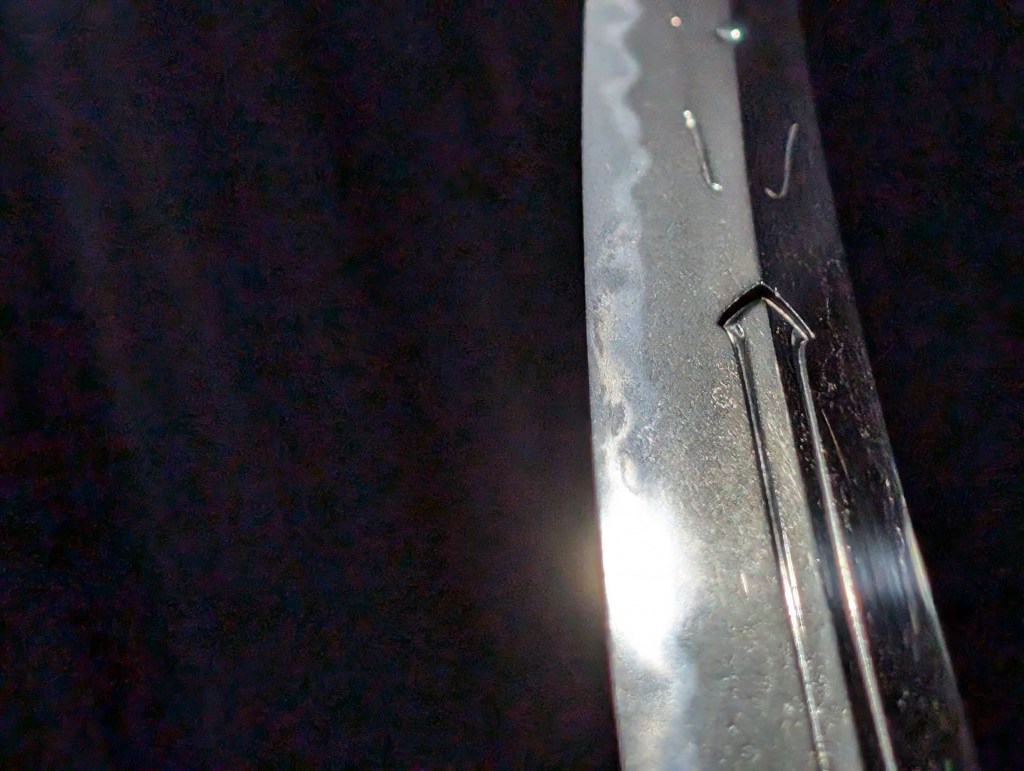
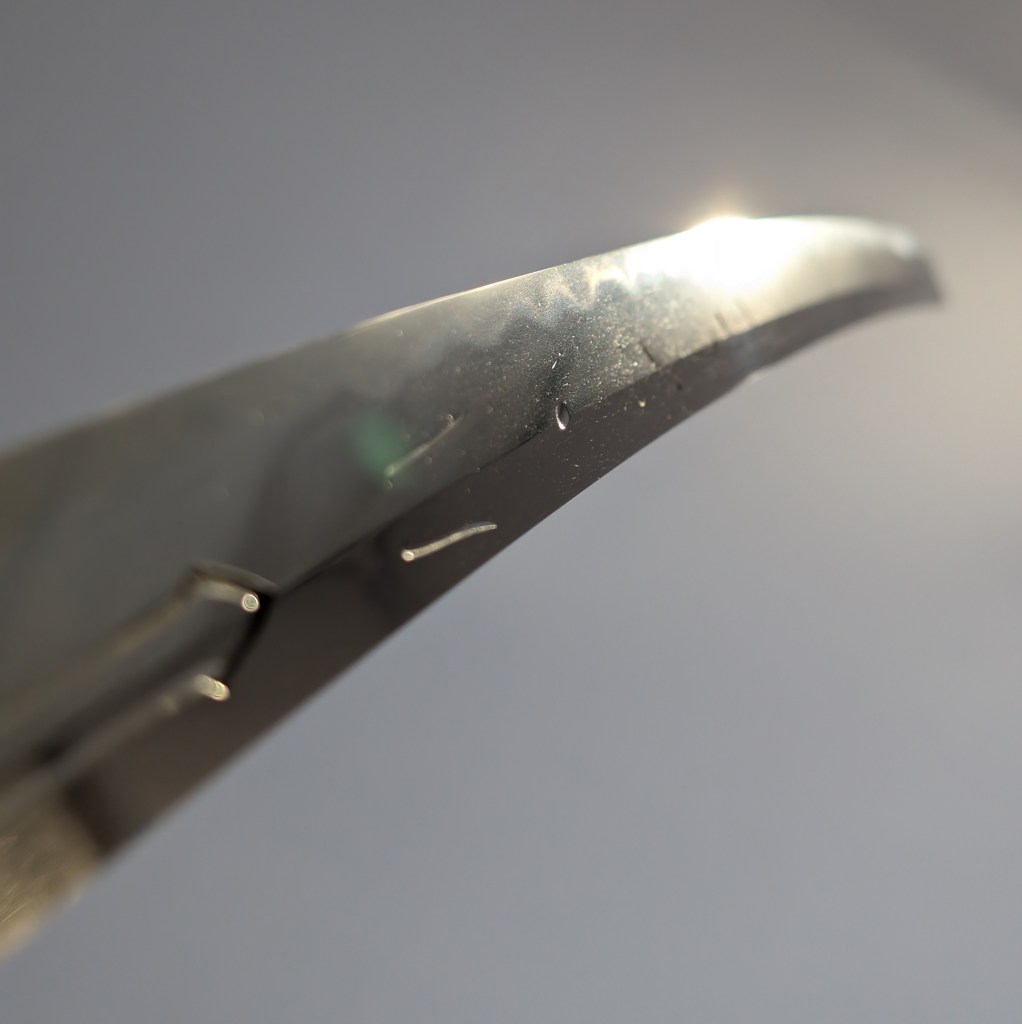
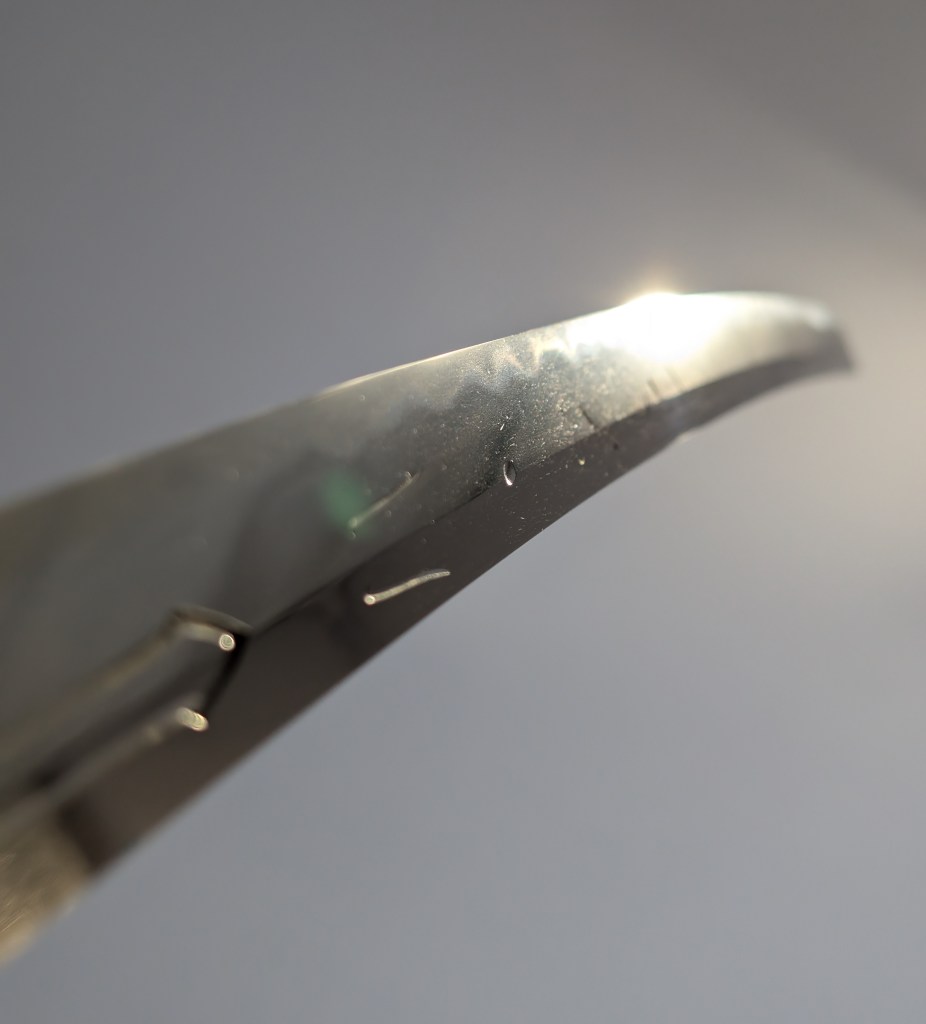
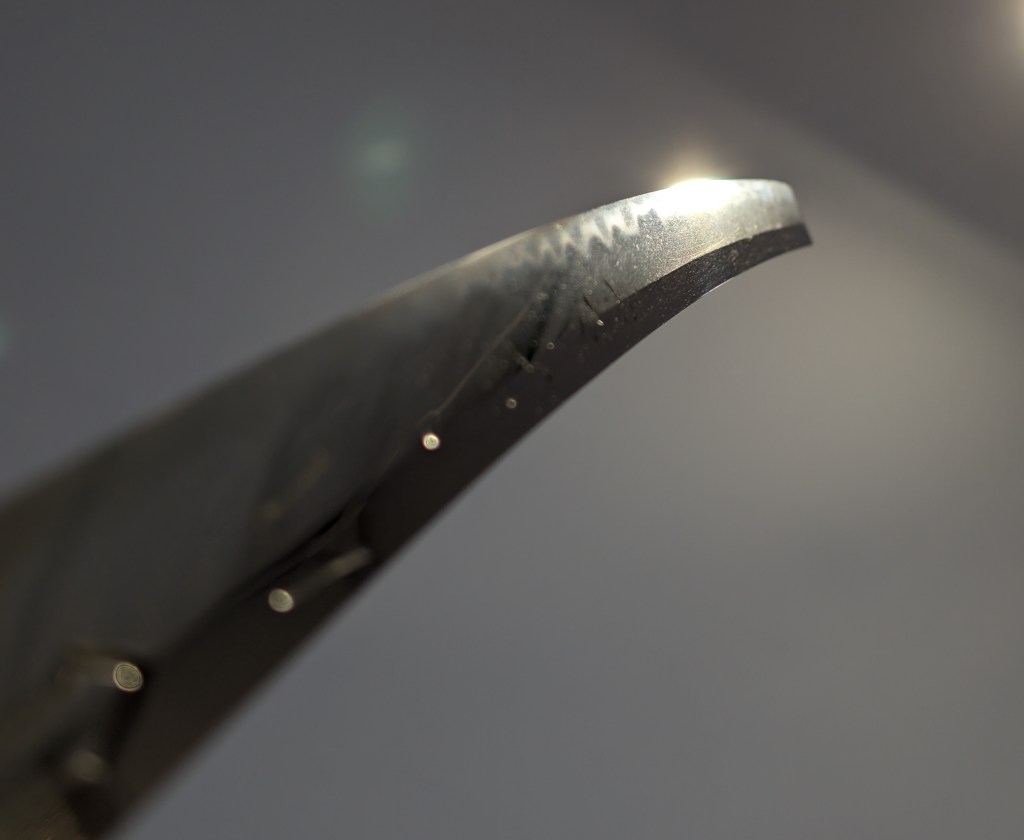
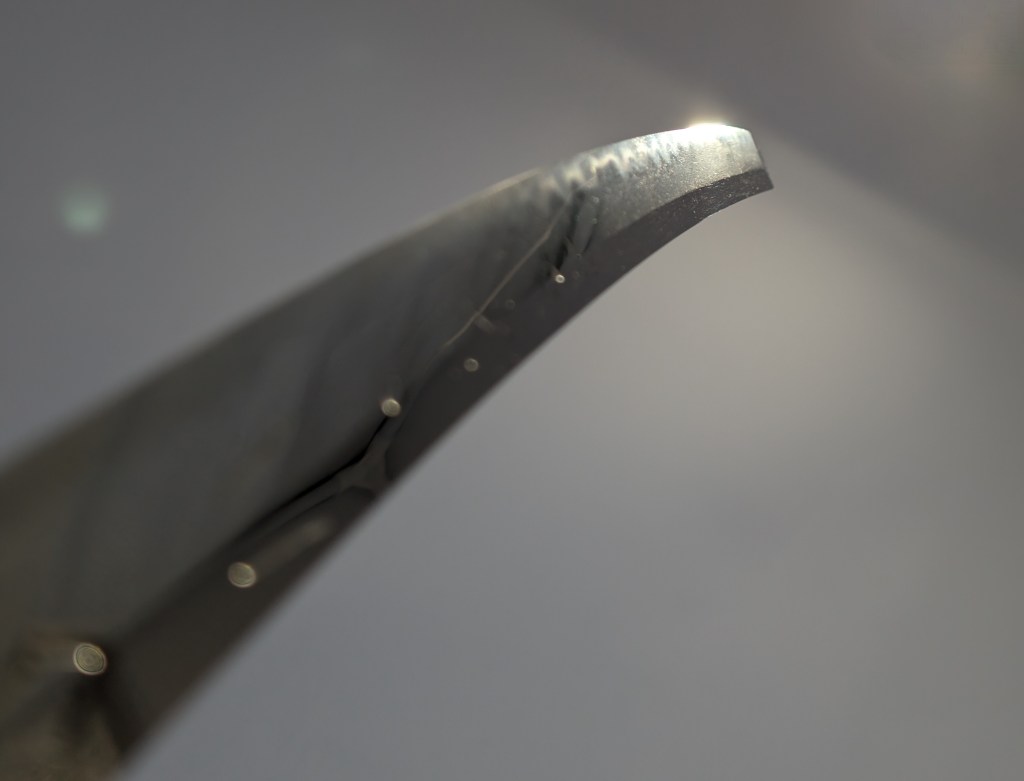
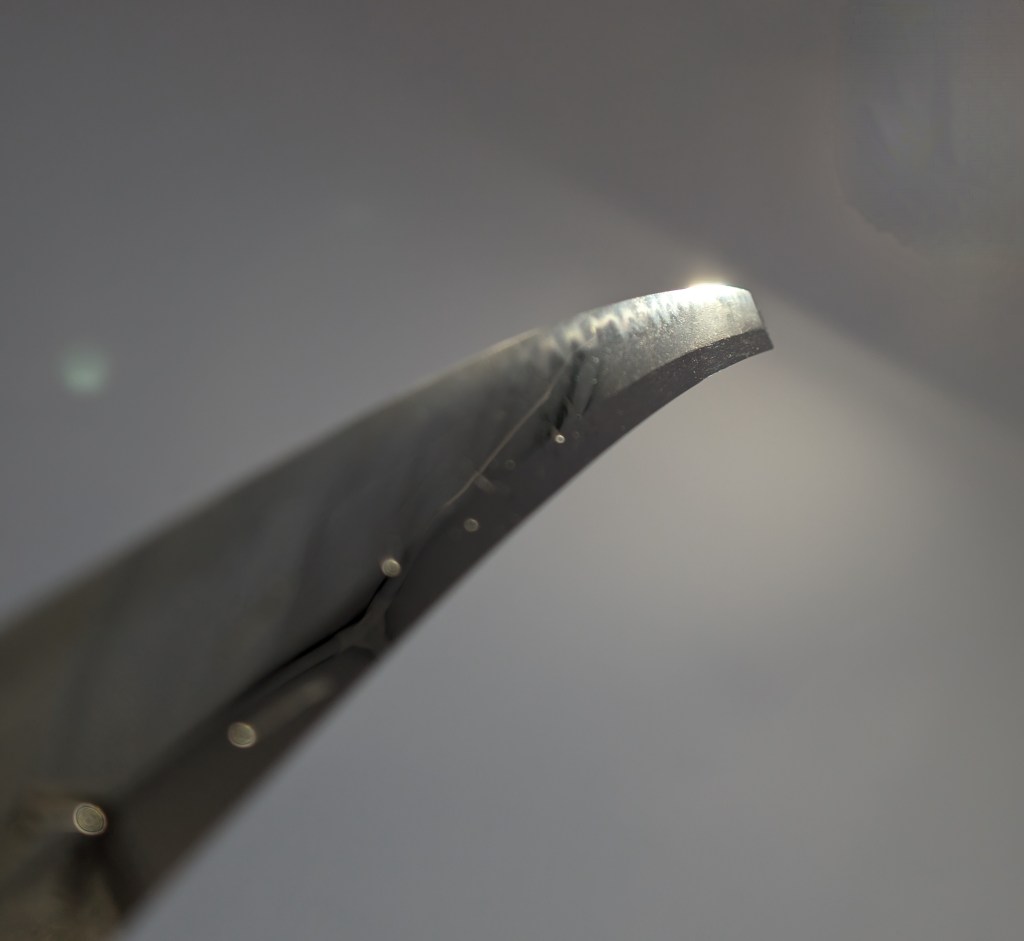
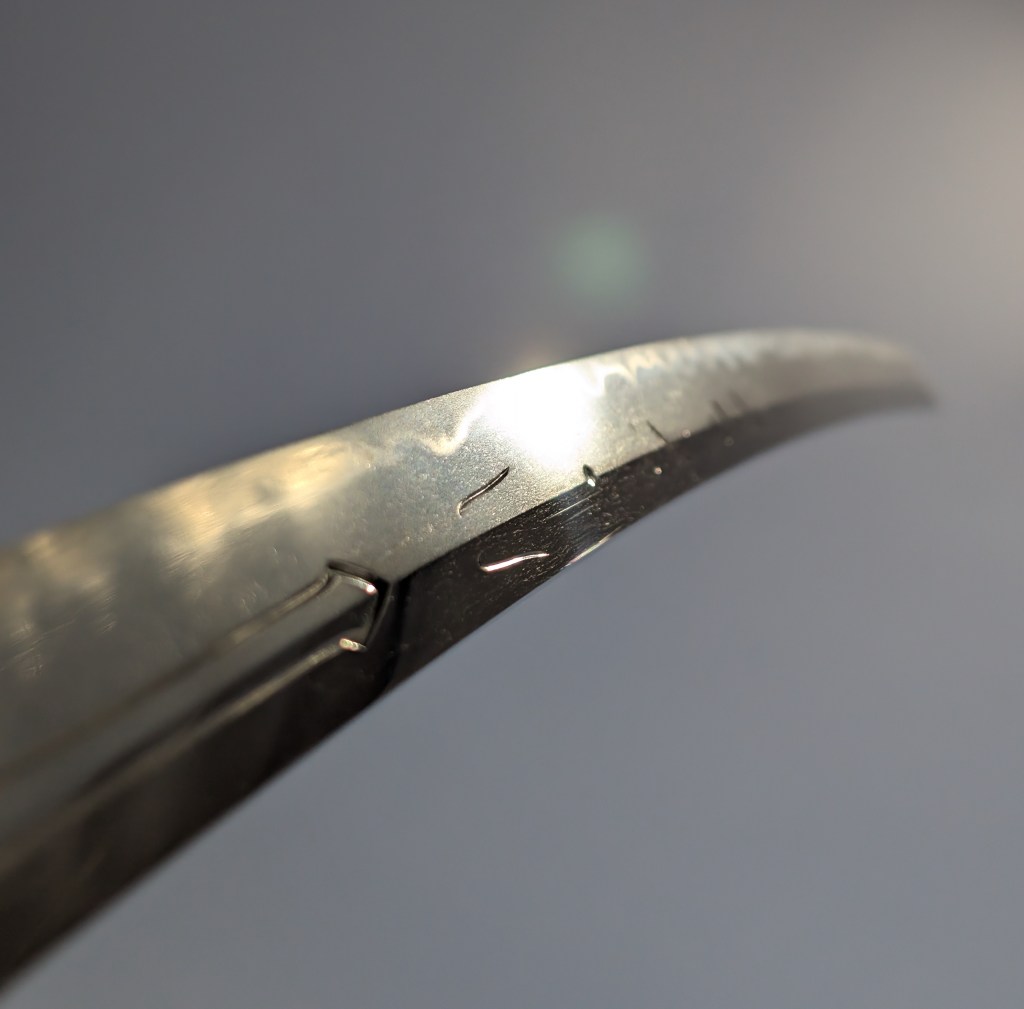
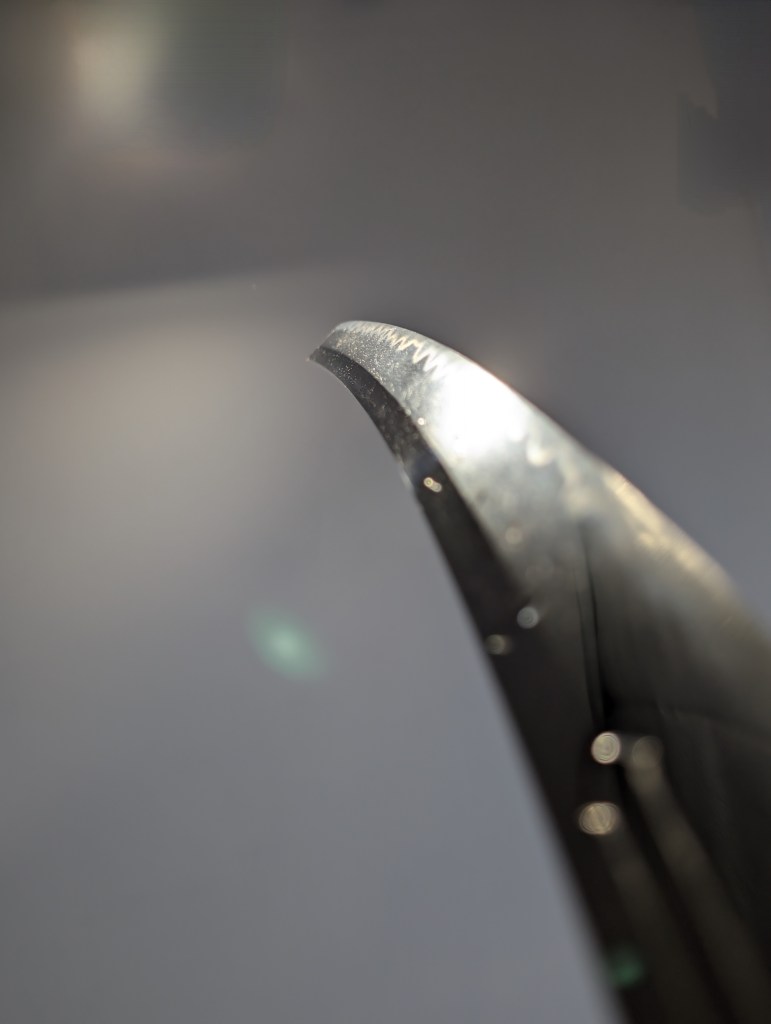
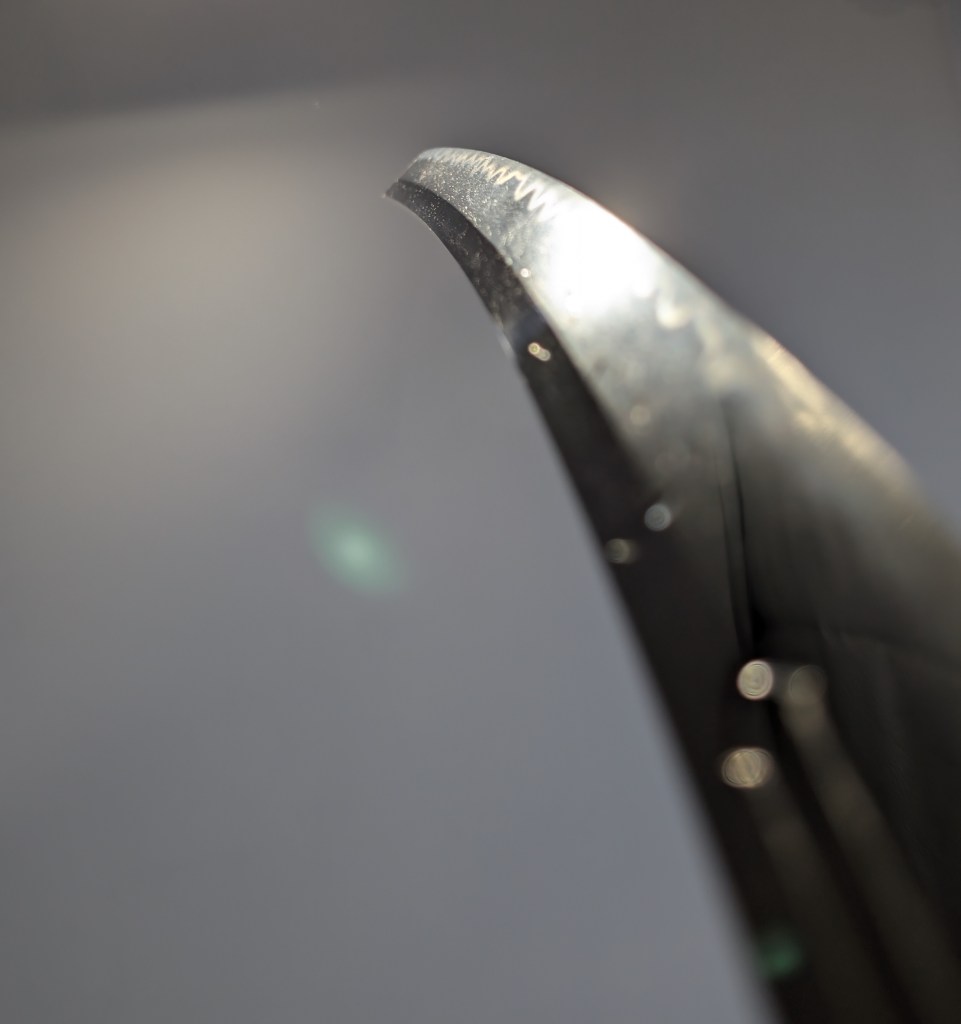
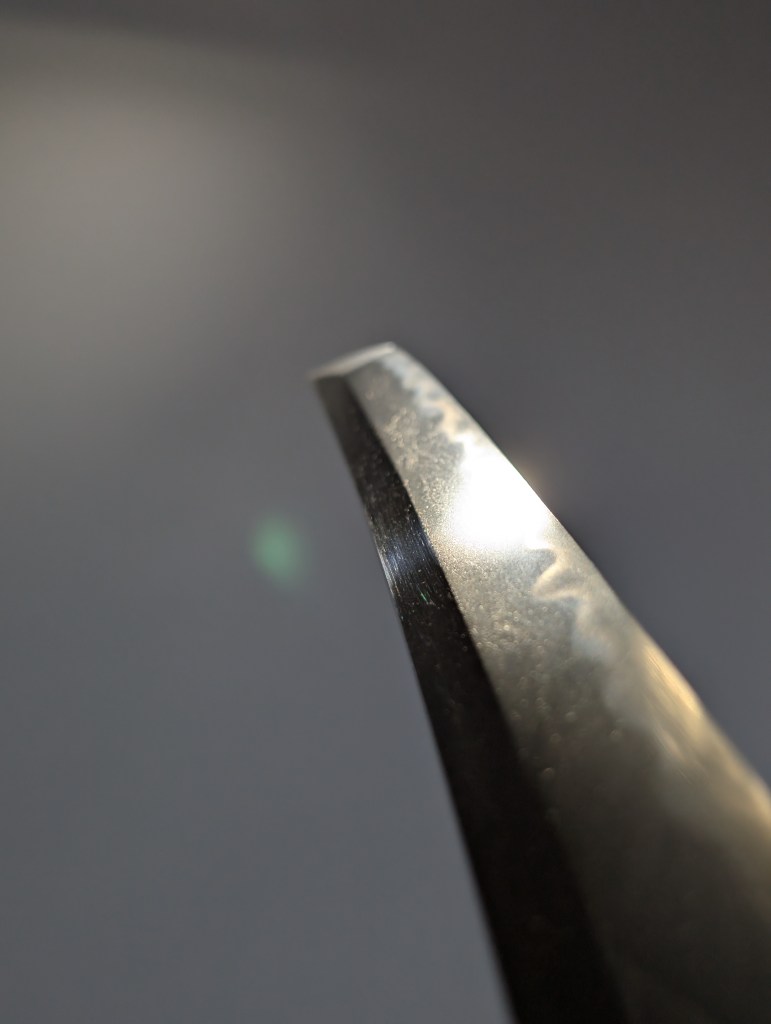
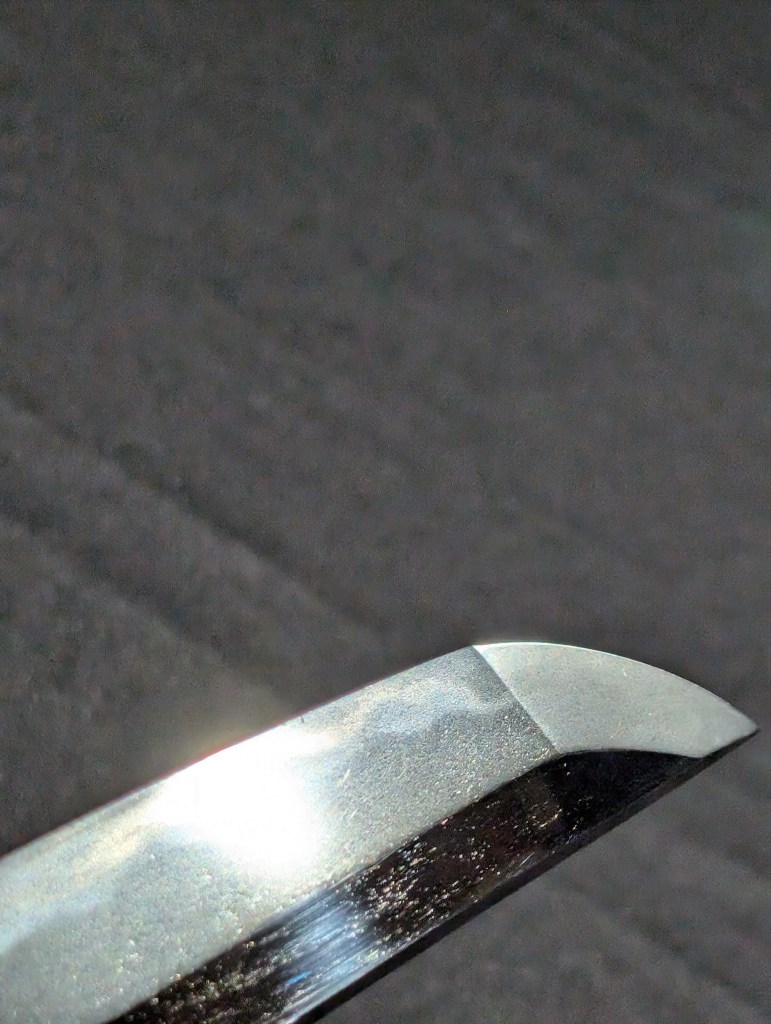
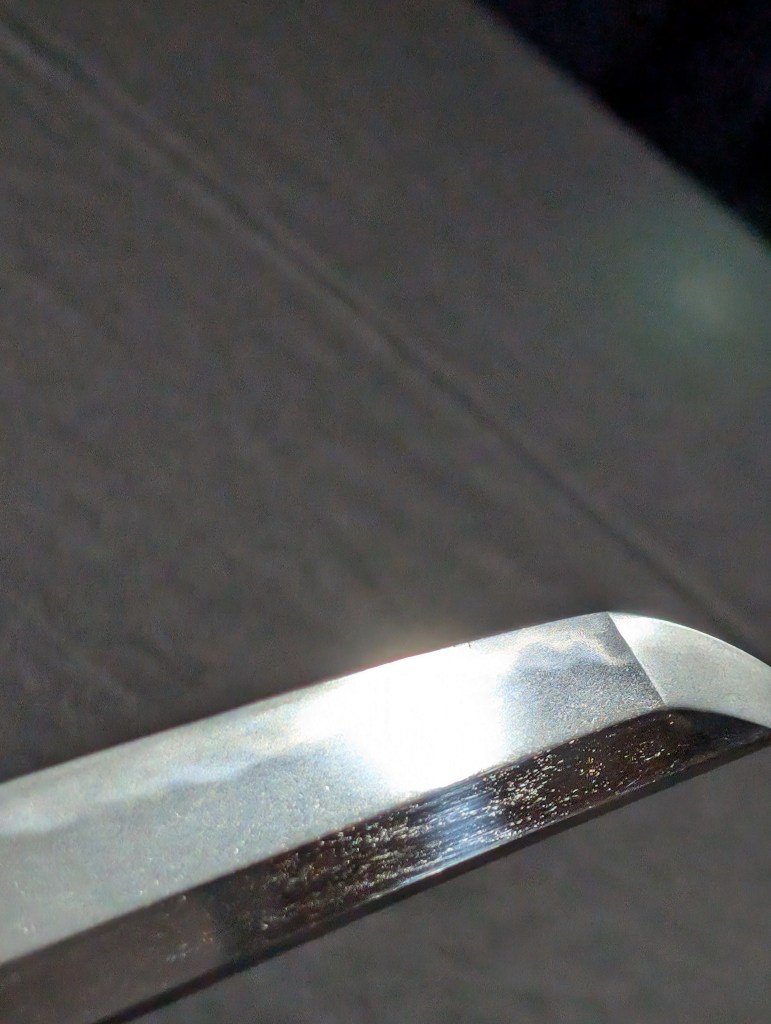
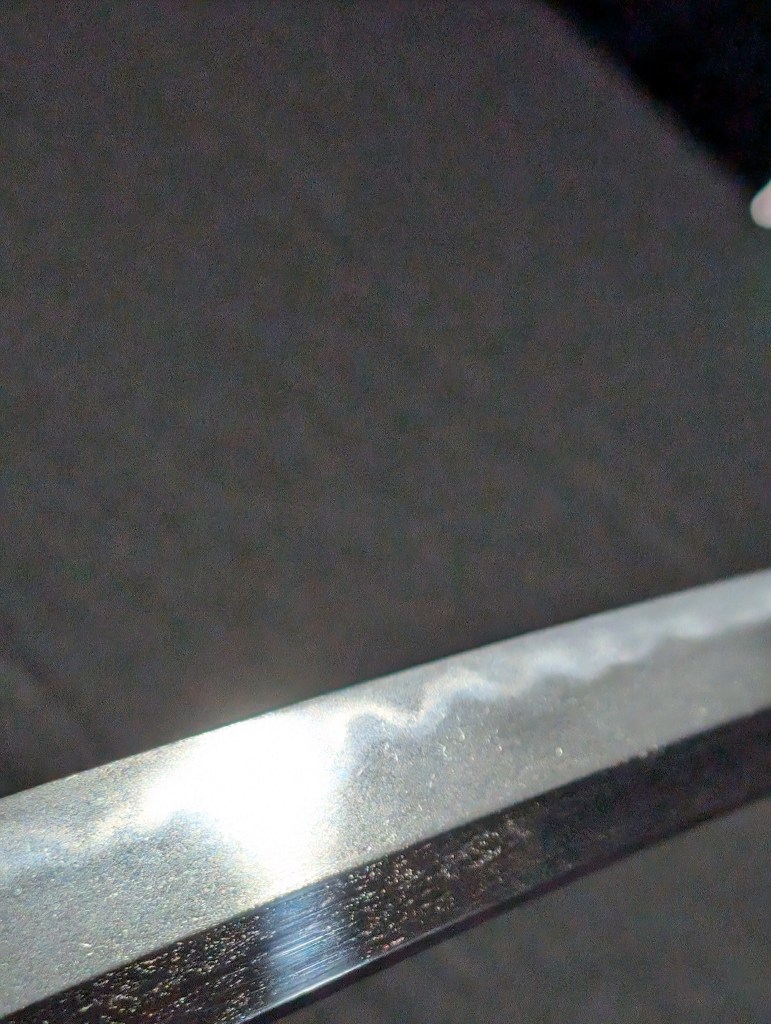
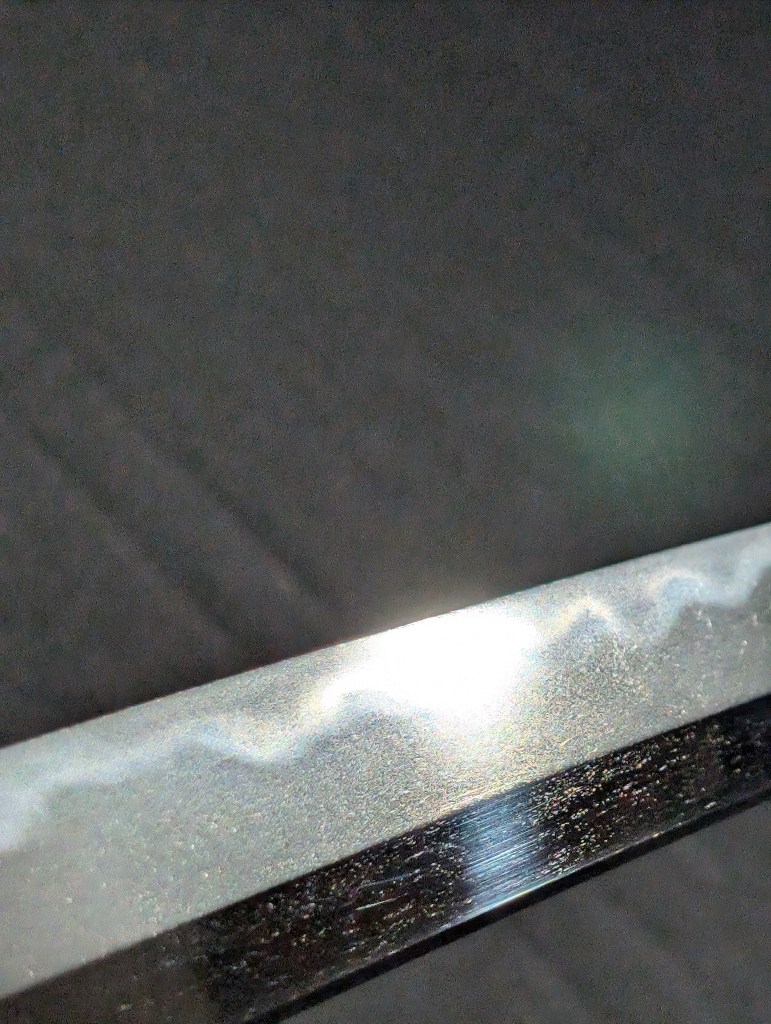
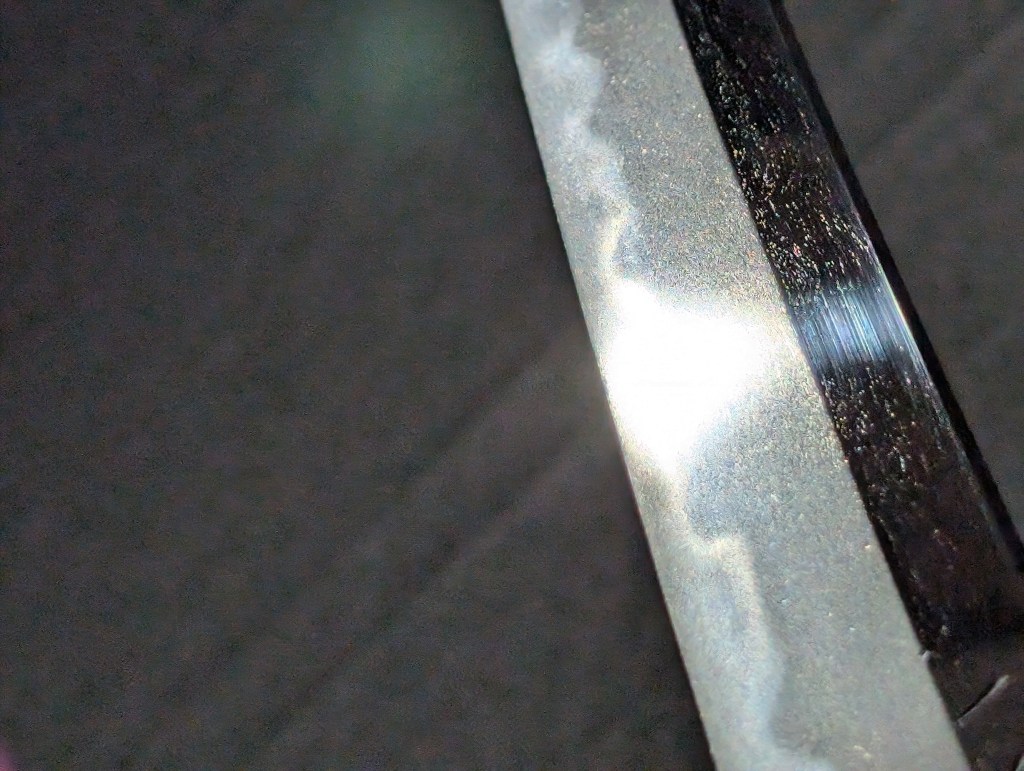
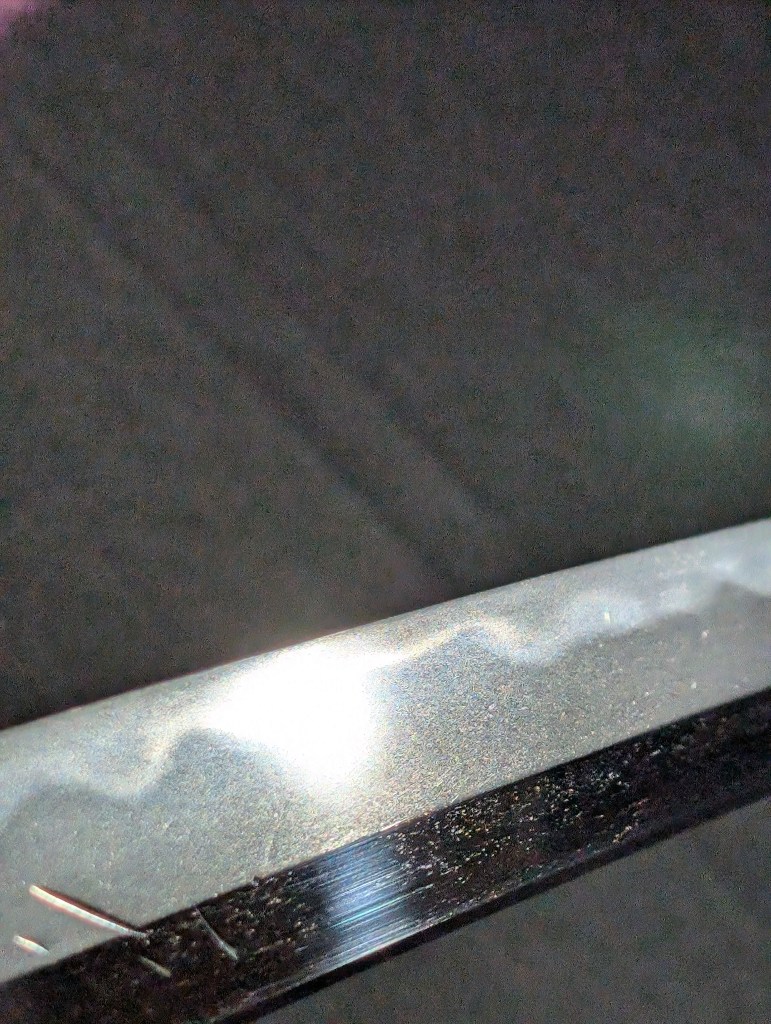
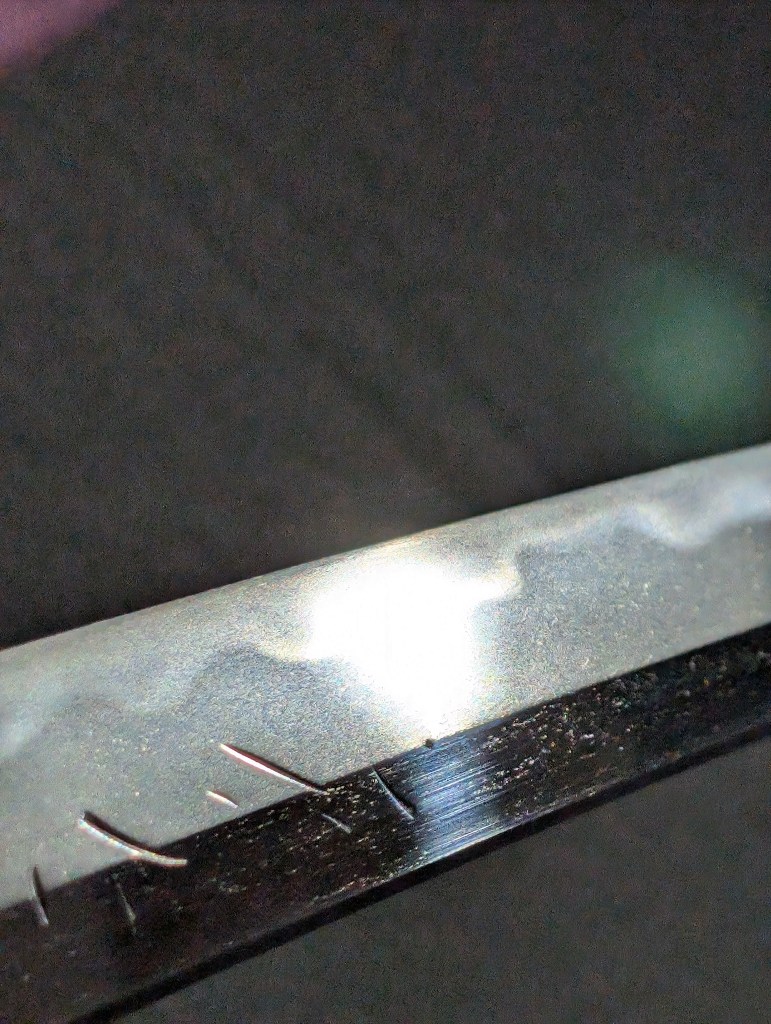
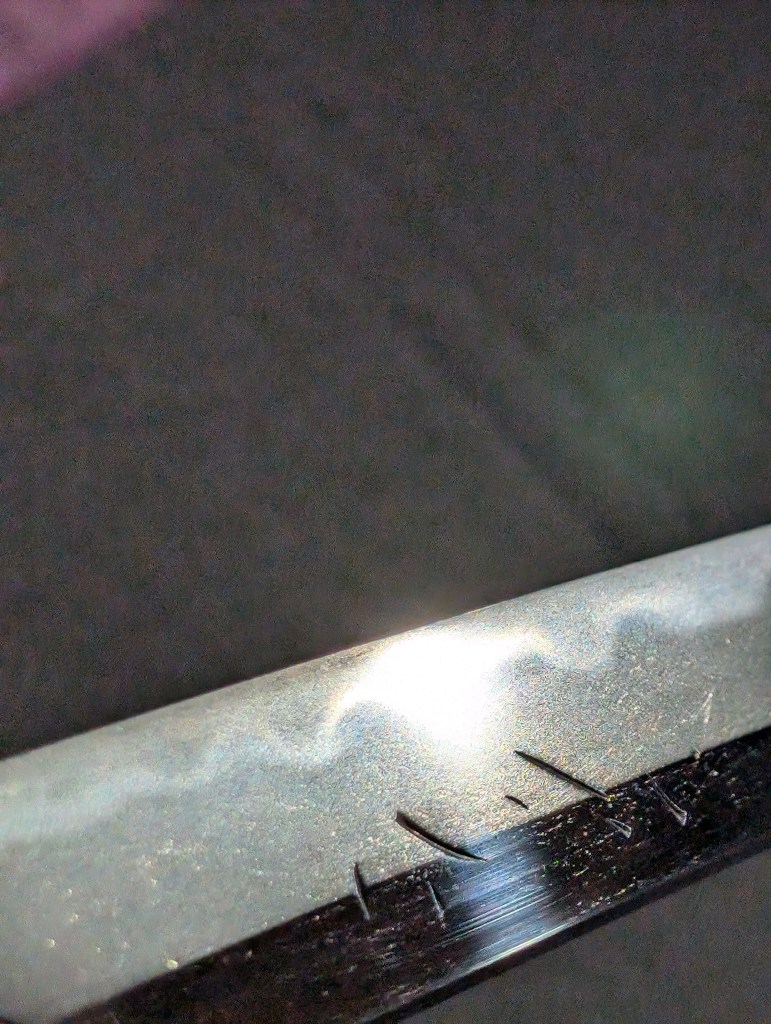
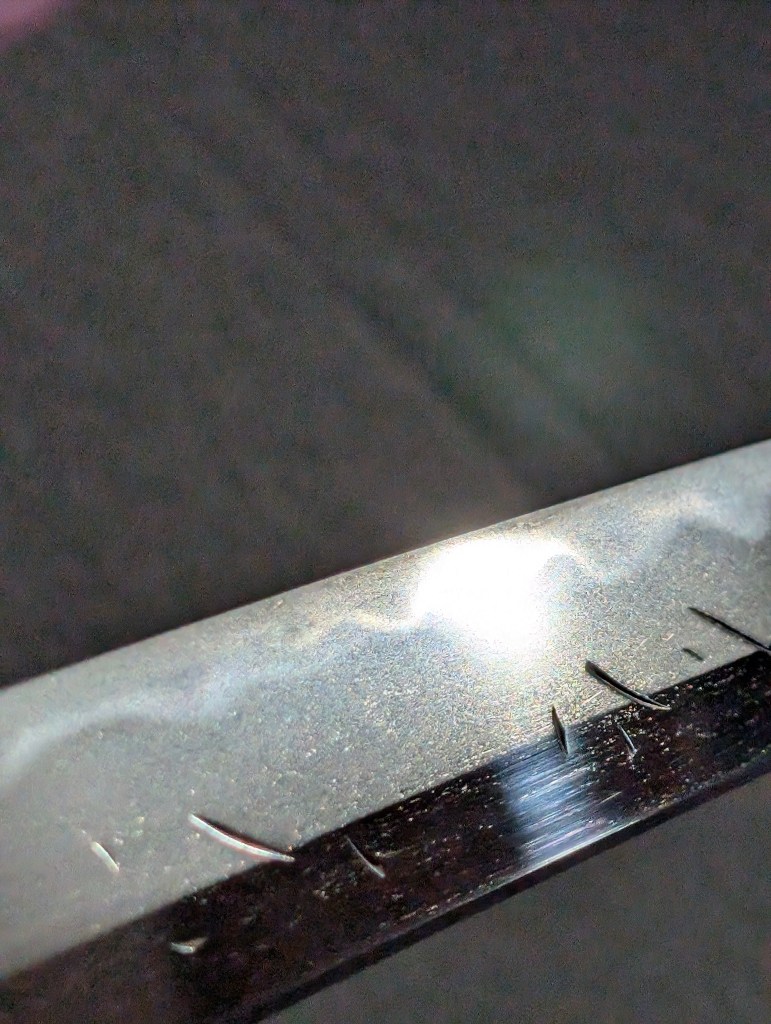
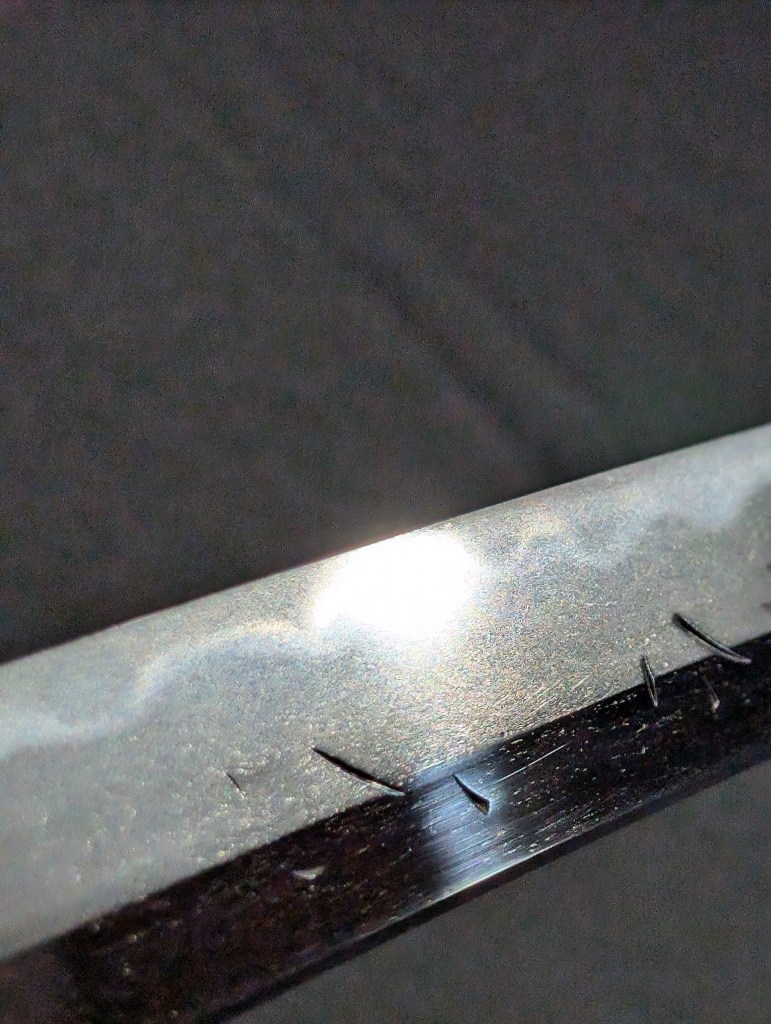
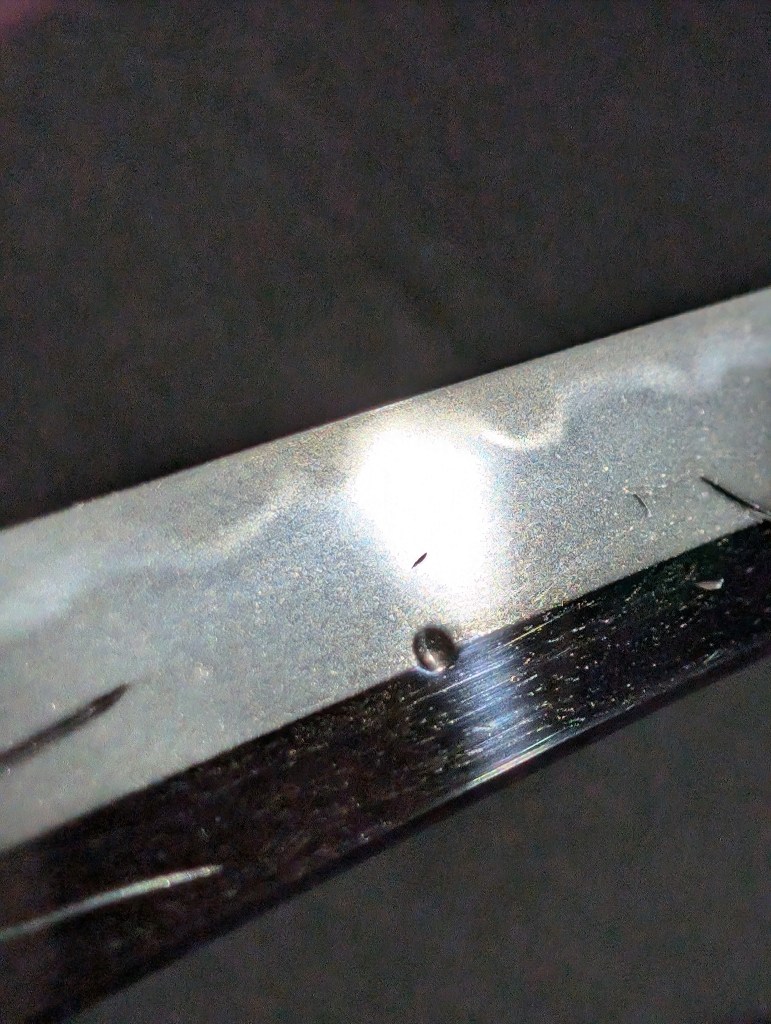
Both blades possess a fine ko-itame grain throughout the entirety of their surface; however, what sets the two apart greatly is their hamon. The shodai is a subdued ko-suguha, which is emblematic of Yamashiro’s work, harkening back to his lineage from the Ryokai School, while Nidai Nobukuni’s hamon is a bold gunome midare with ko-notare ba, culminating in pronounced yahazu-ba and expressing a decadence shared by the Soshu School, particularly the teacher of his predecessor, Soshu Sadamune. Both blades are shortened, however, to different extents. Shodai Nobukuni’s work is o-suriage, with no aspect of the signature remaining. On the other hand, the second generation smith’s nakago is only suriage, with a niji-mei “Nobukuni” signature visible. Both blades are kirijiri at the end of the tang.
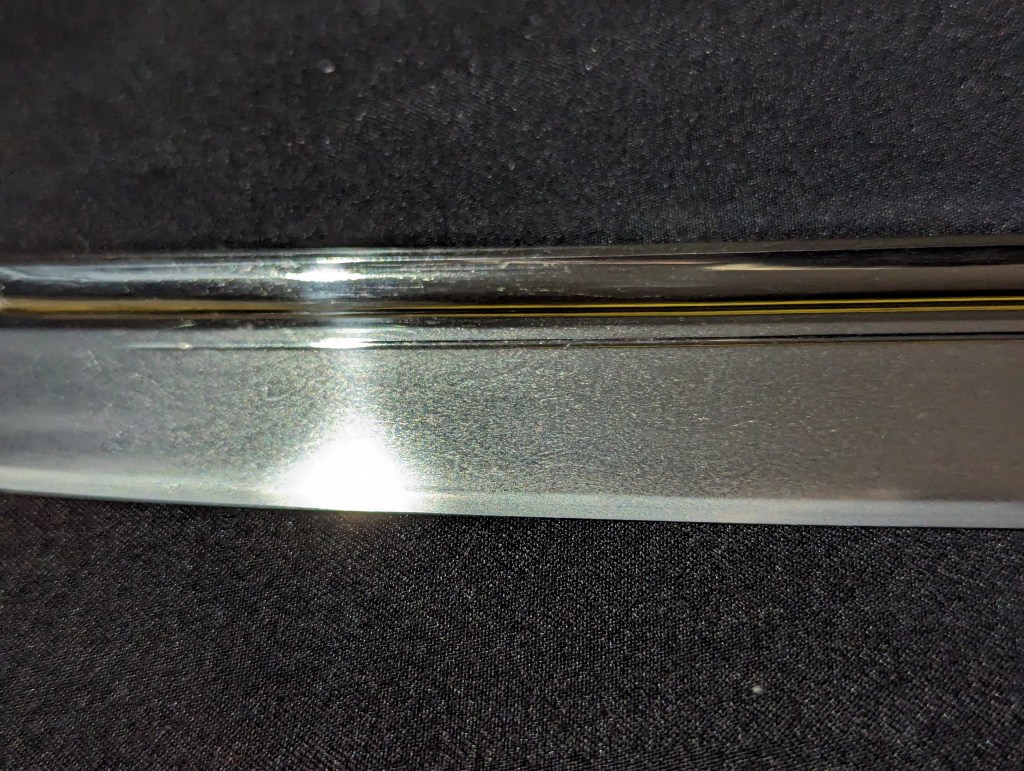
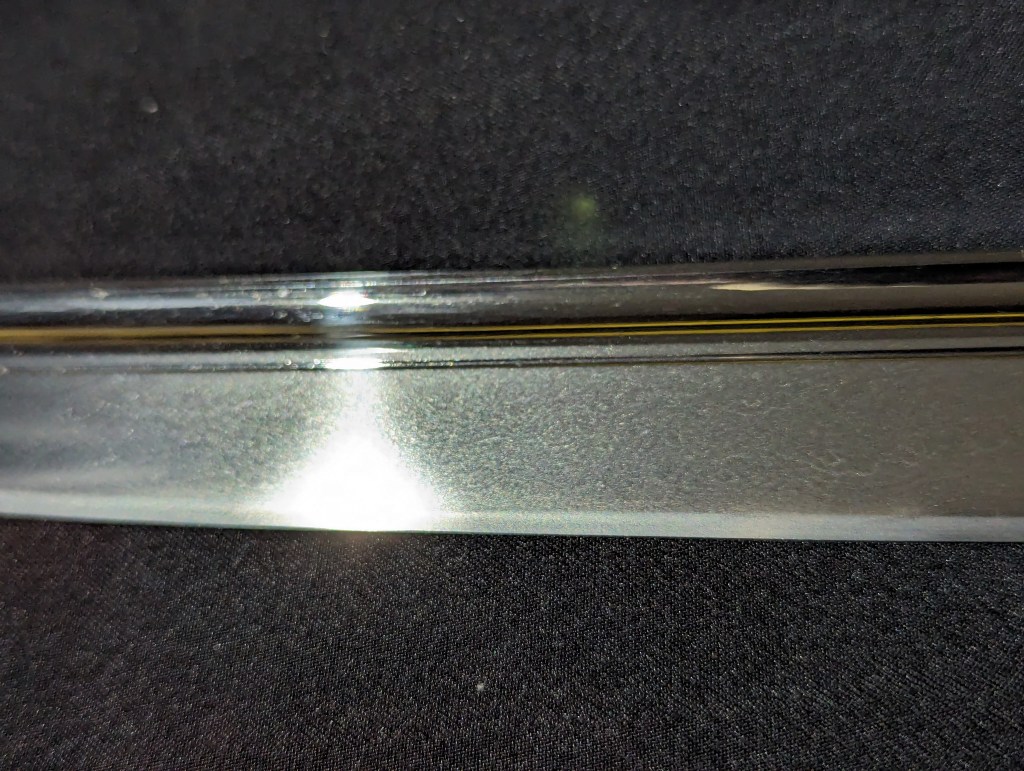
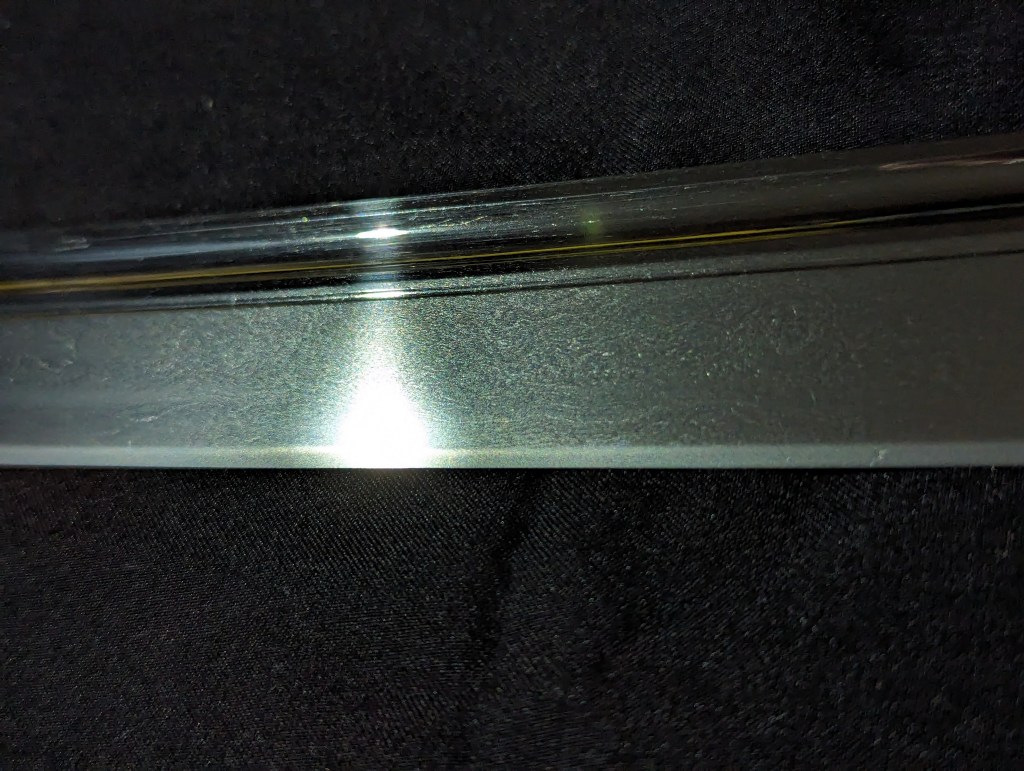
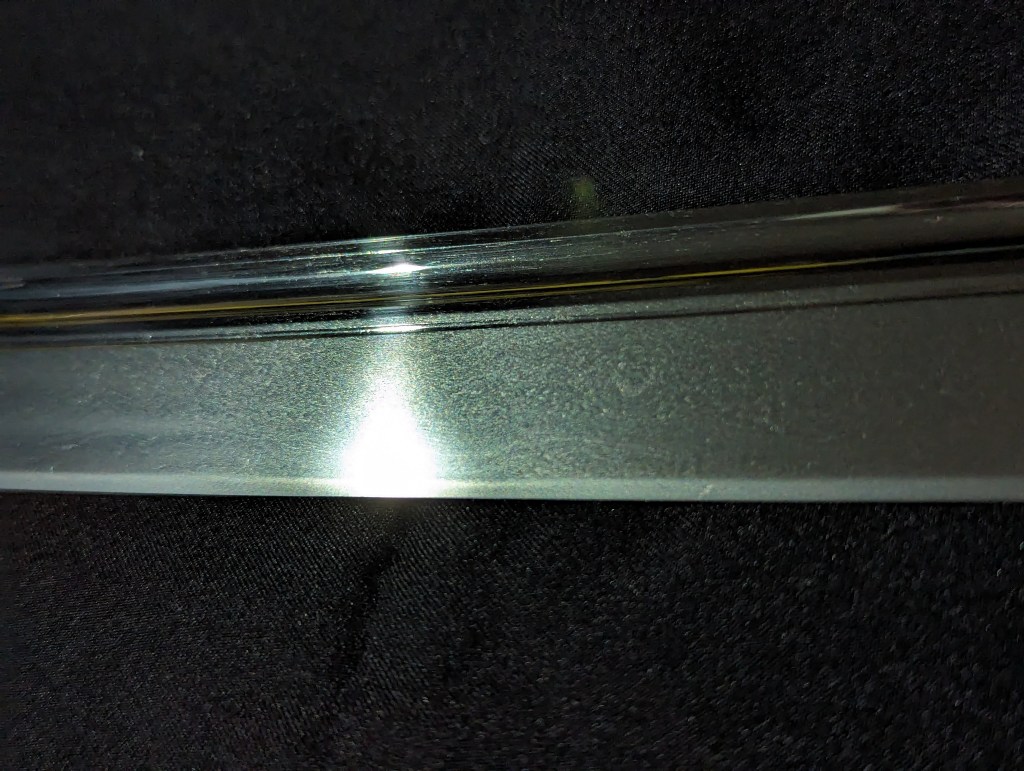
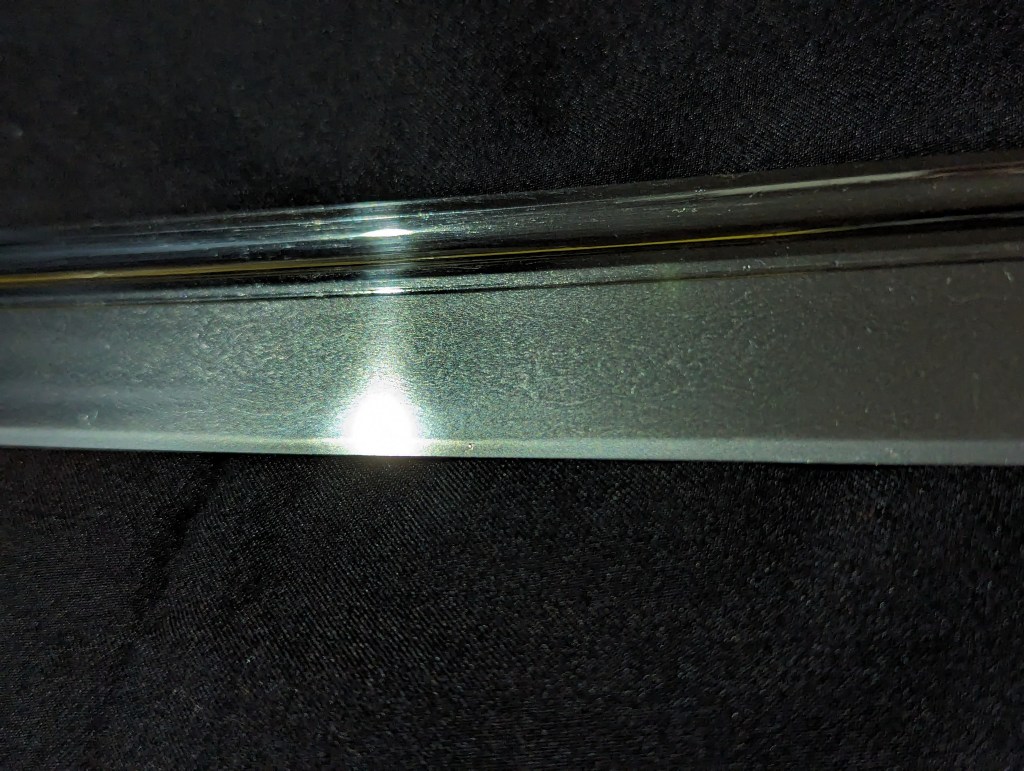
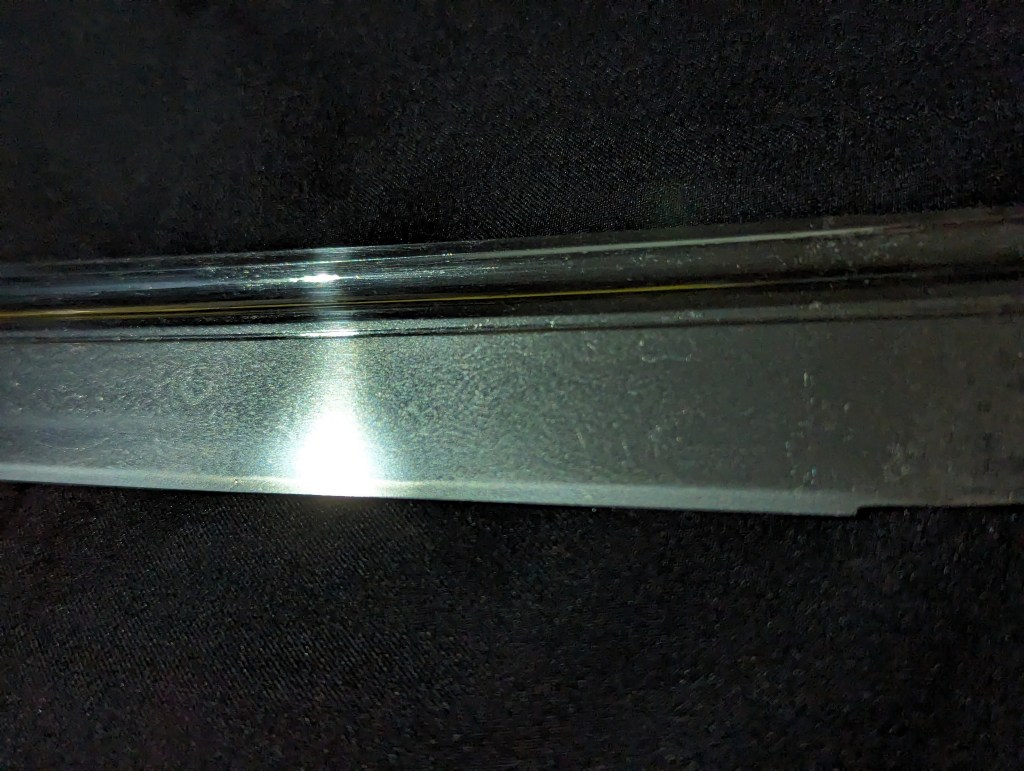
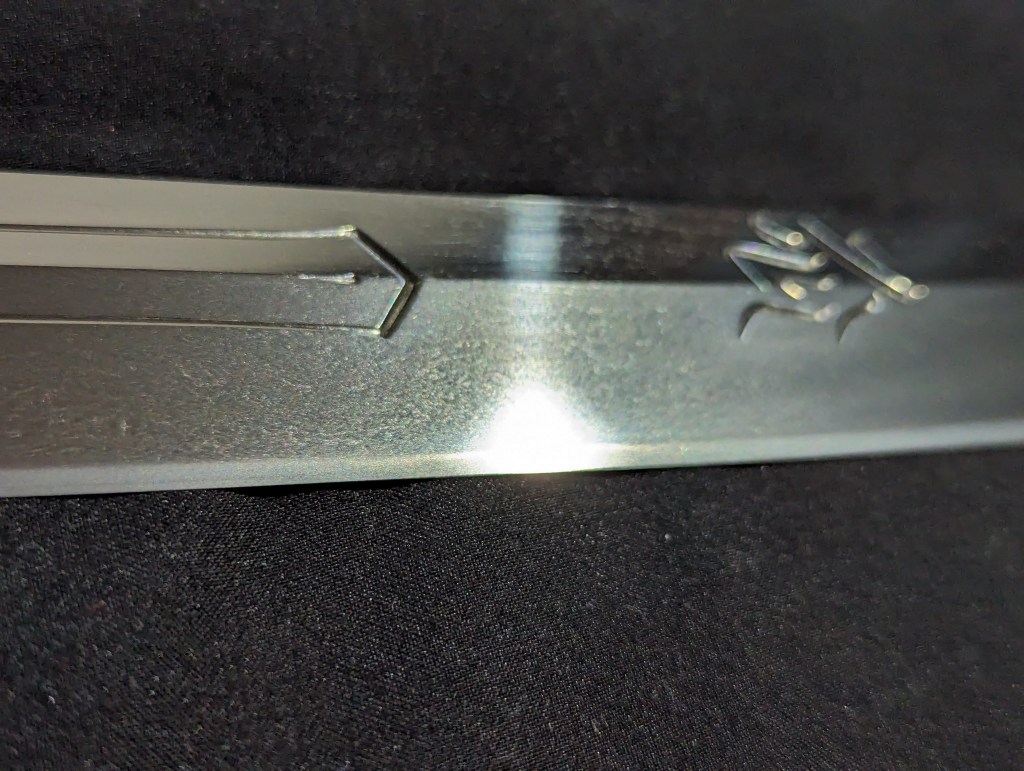
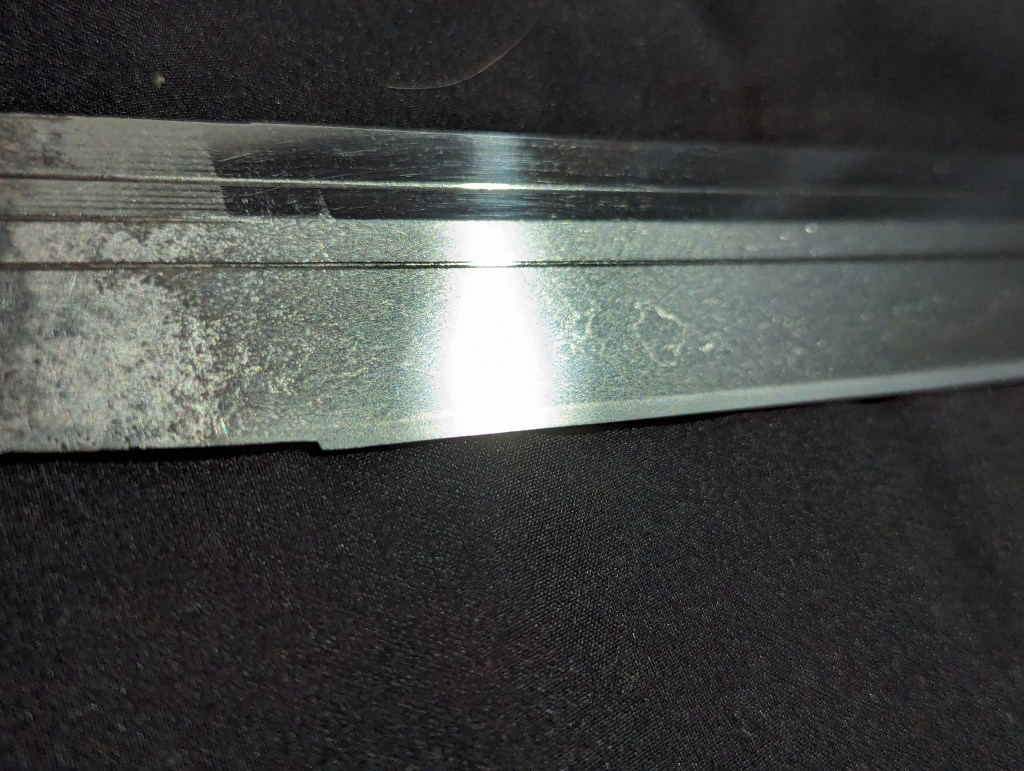
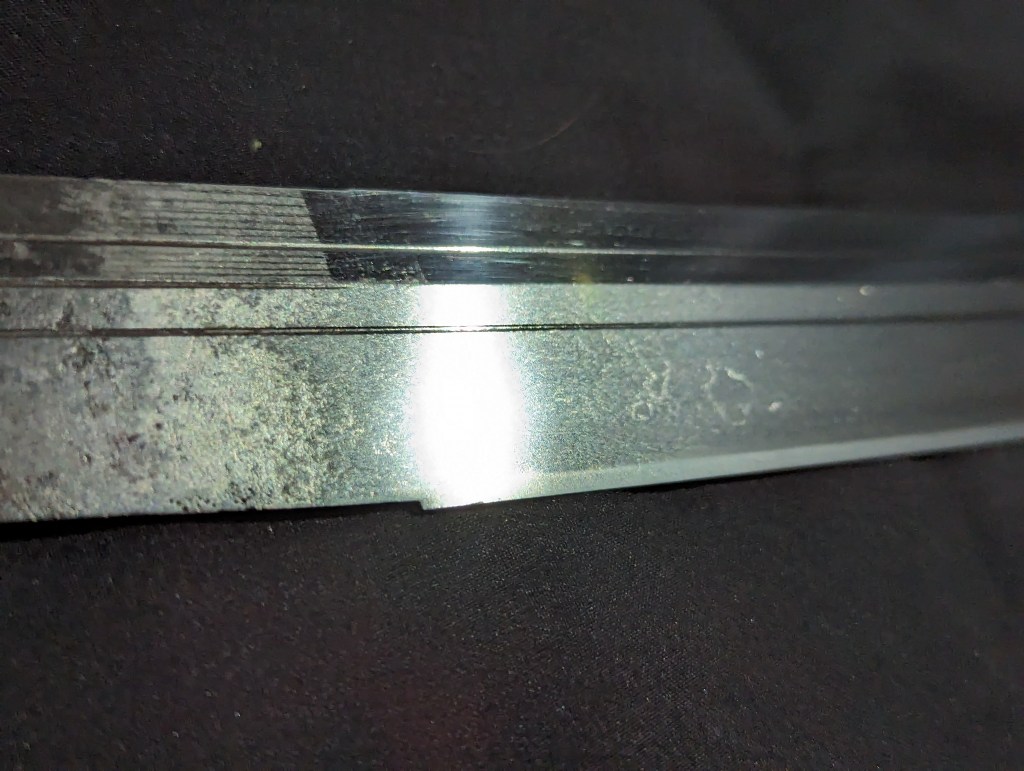
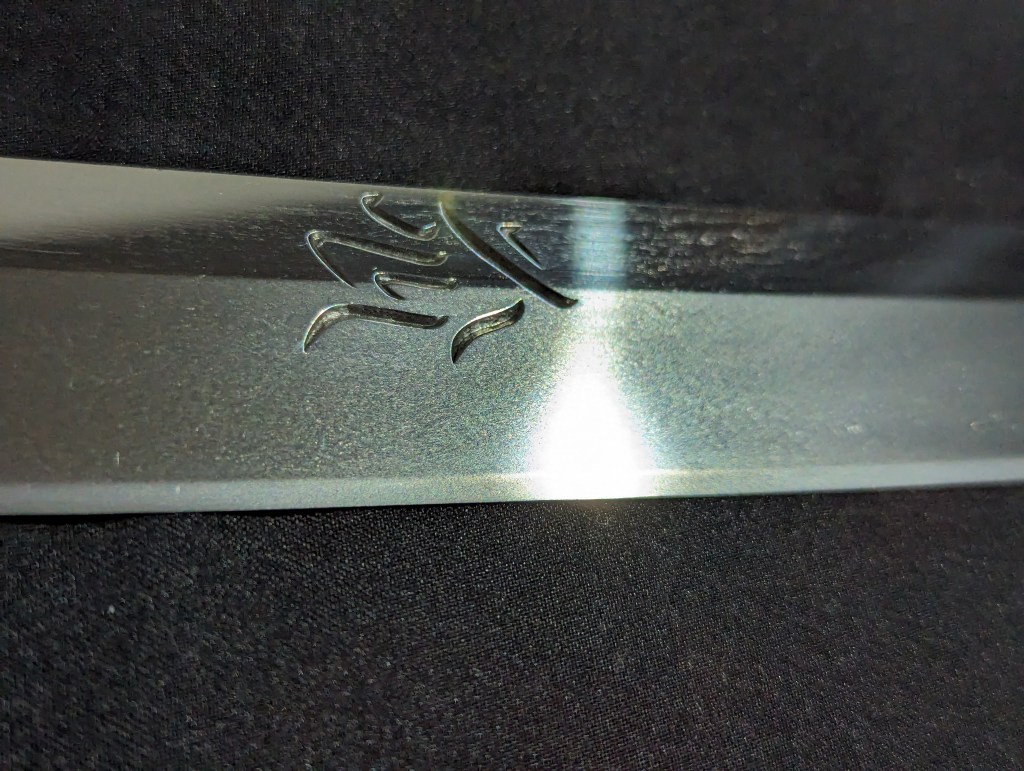
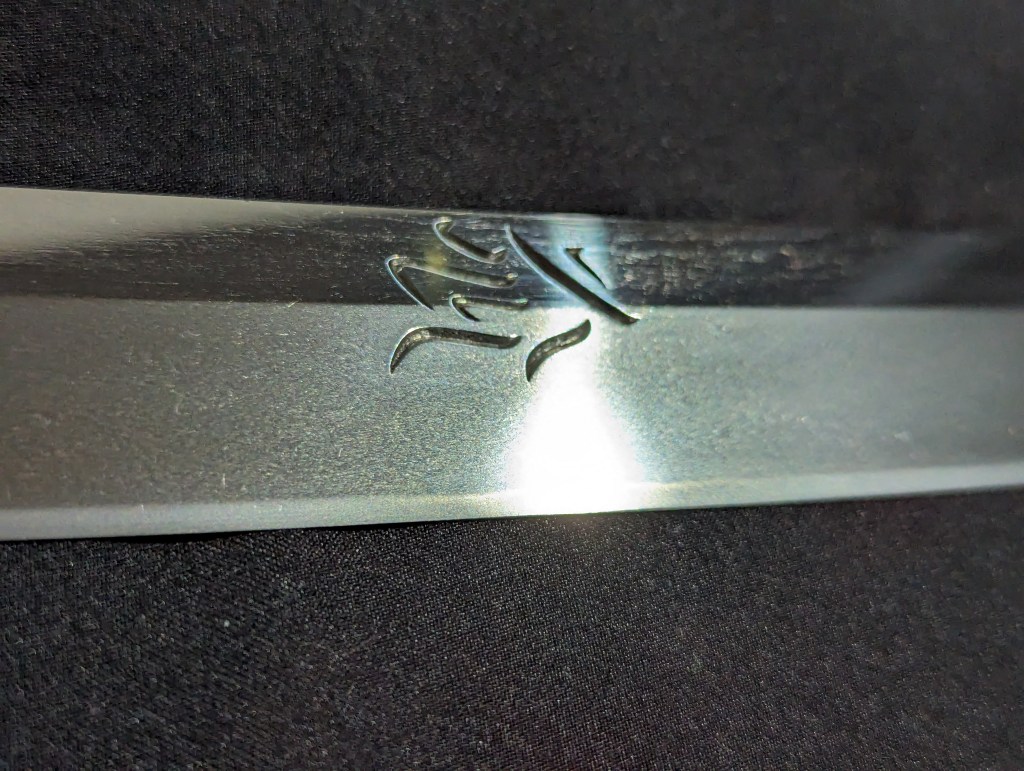
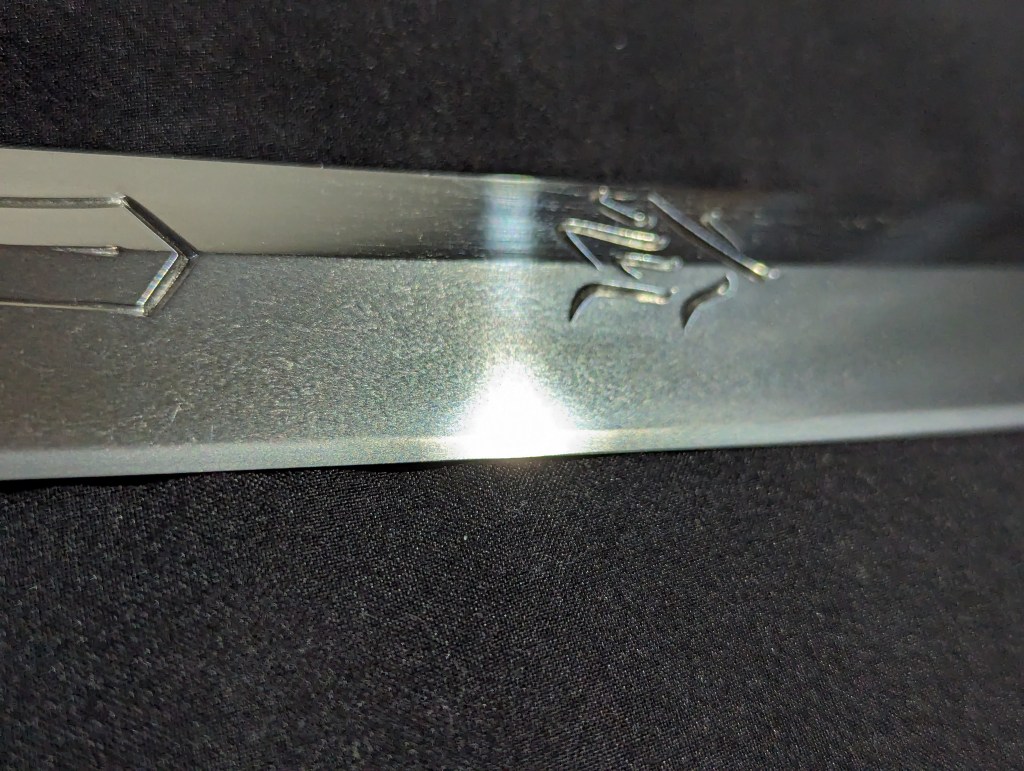
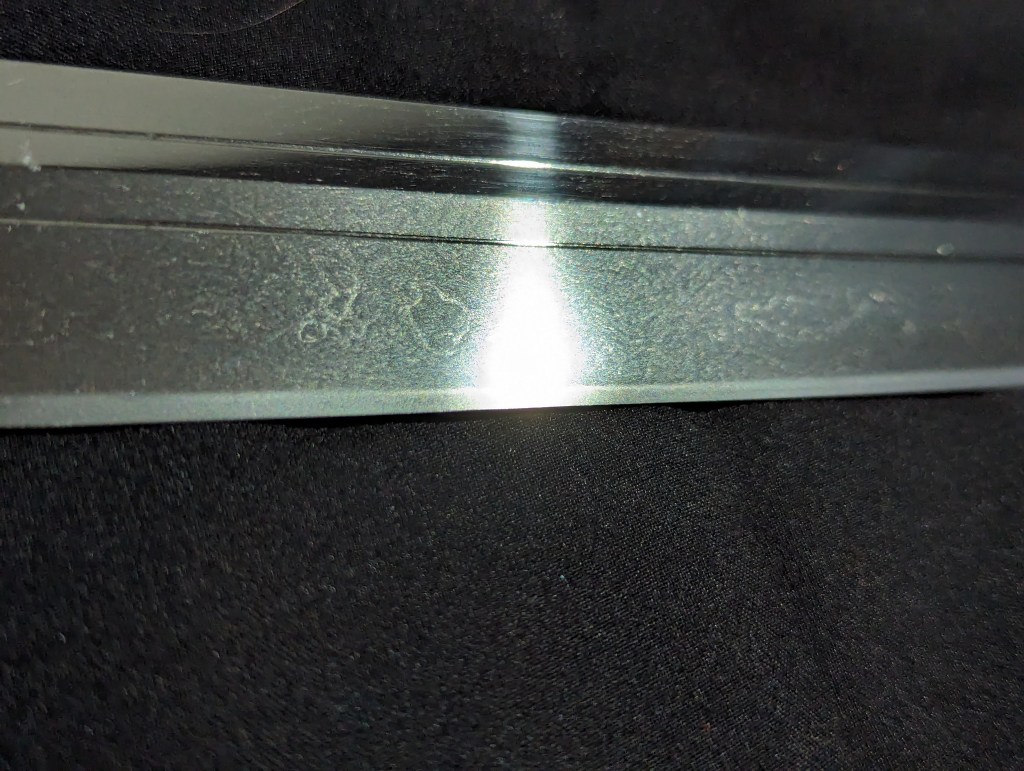
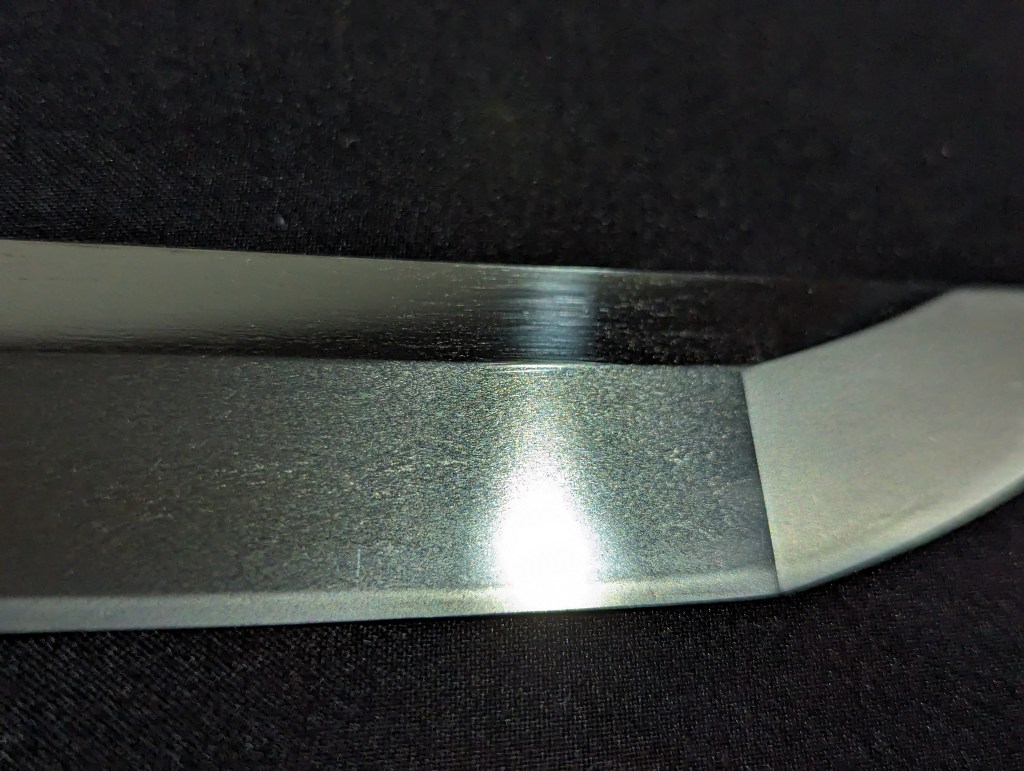
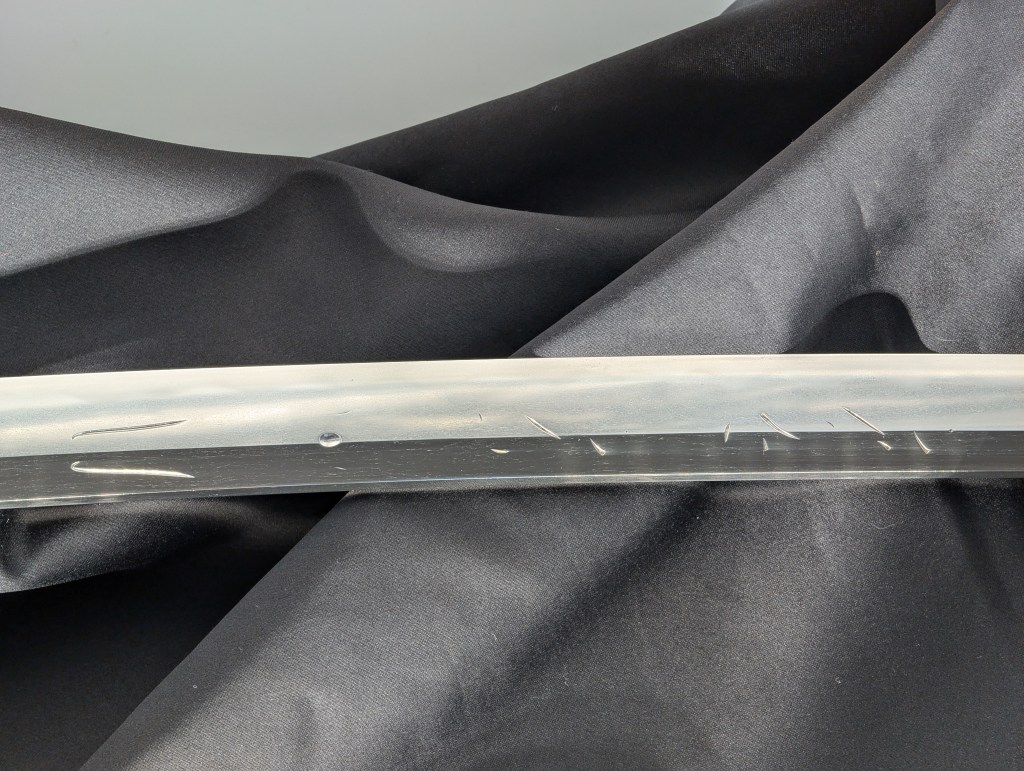
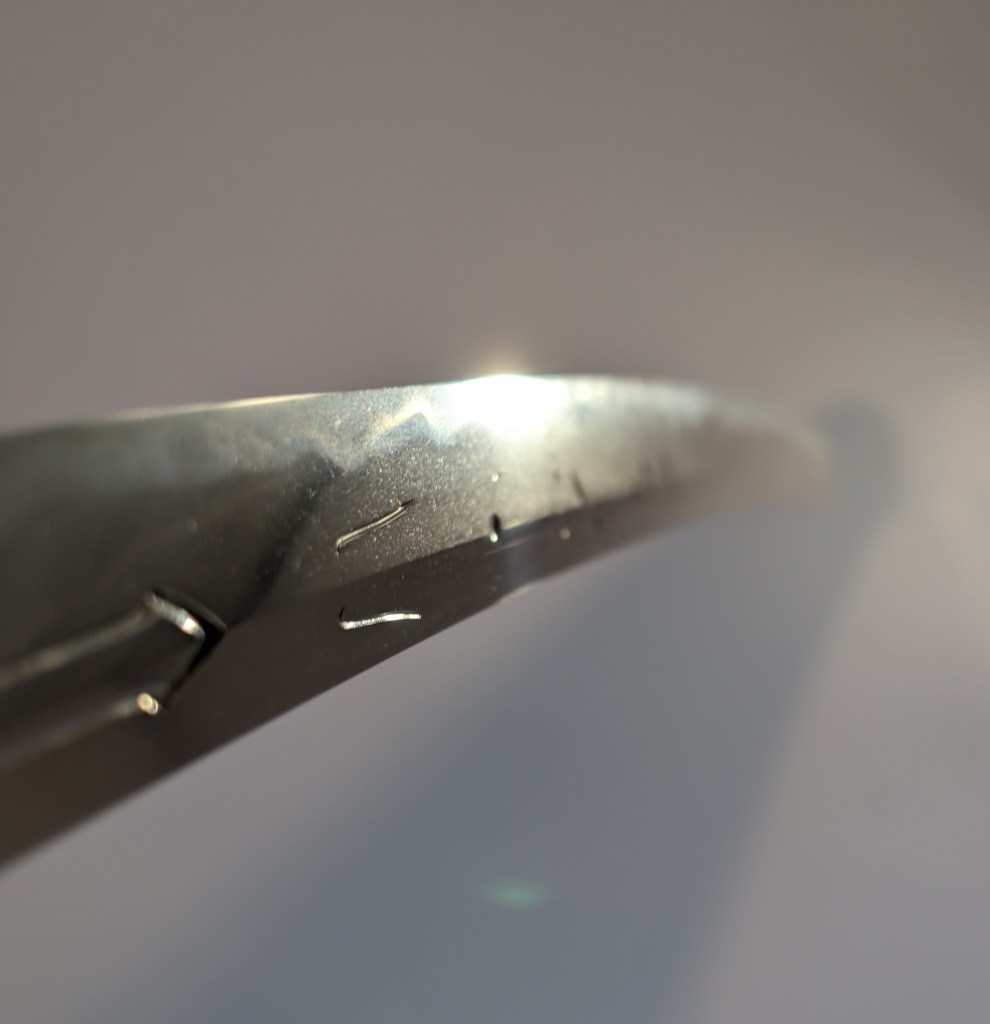
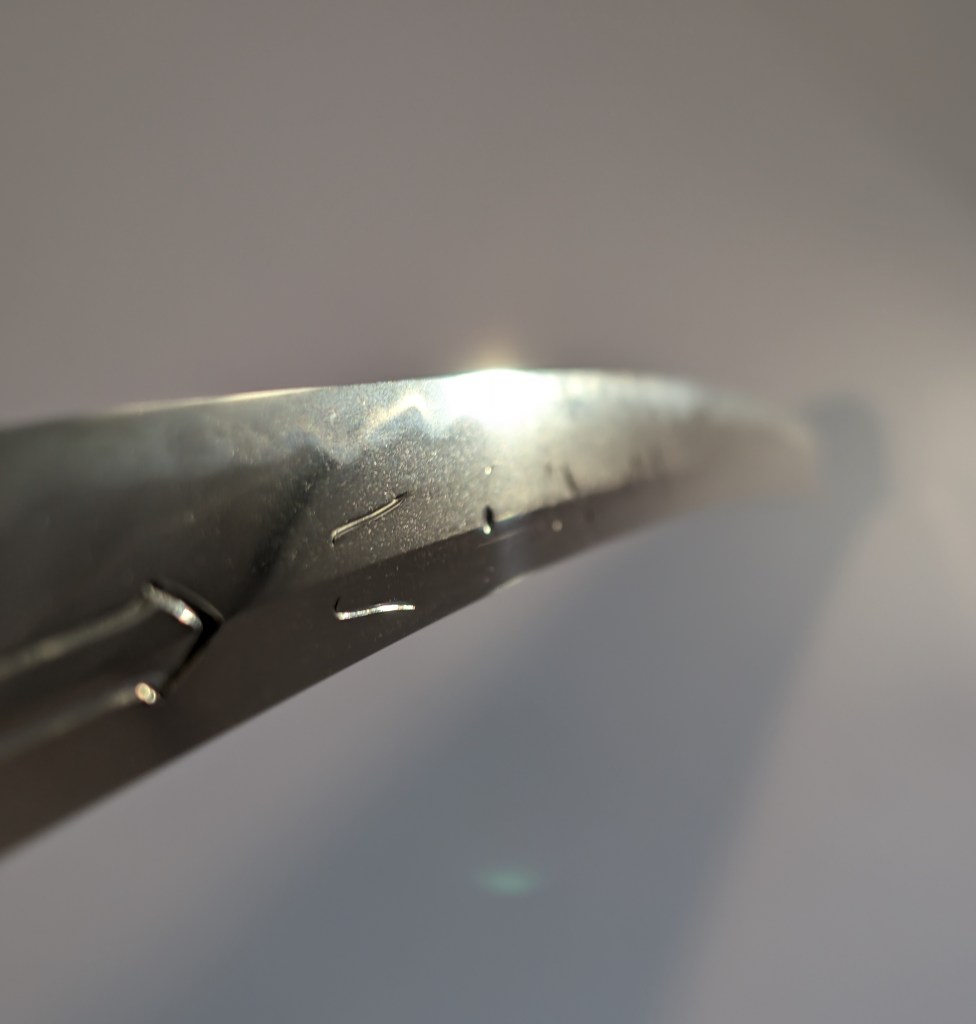
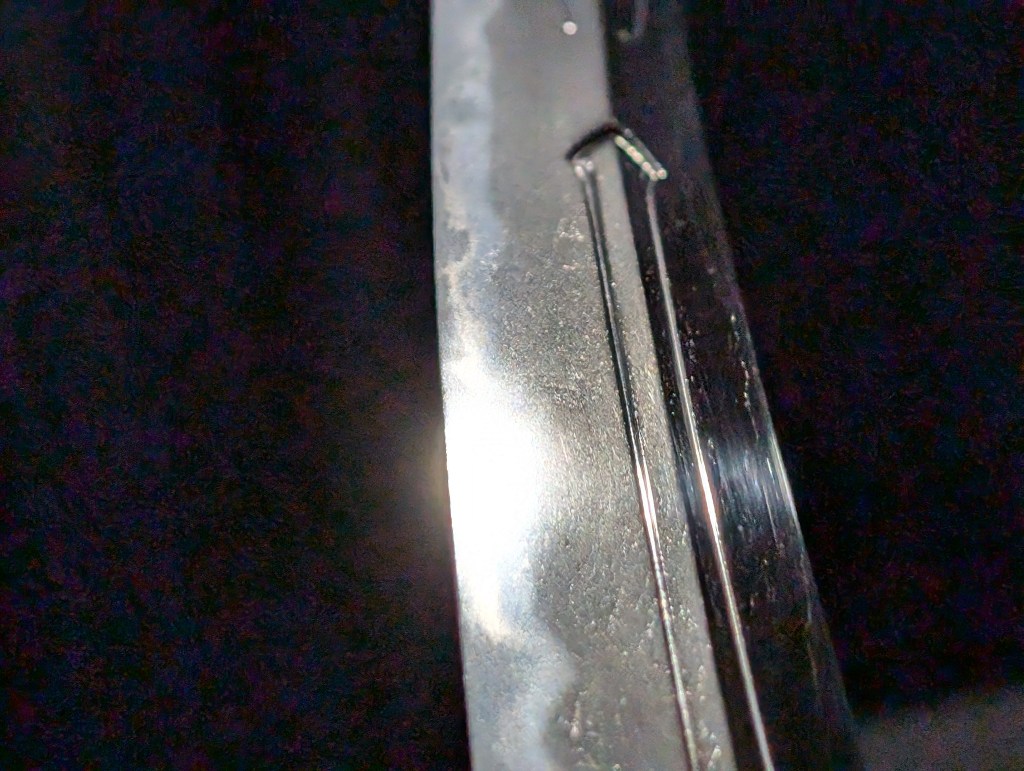
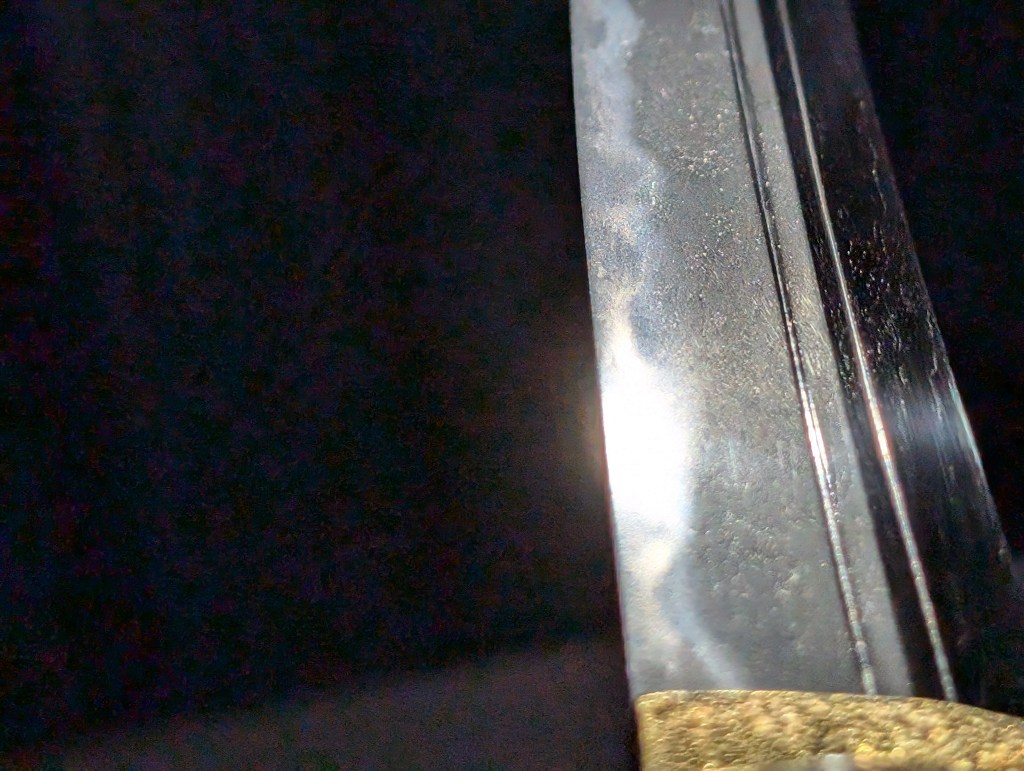
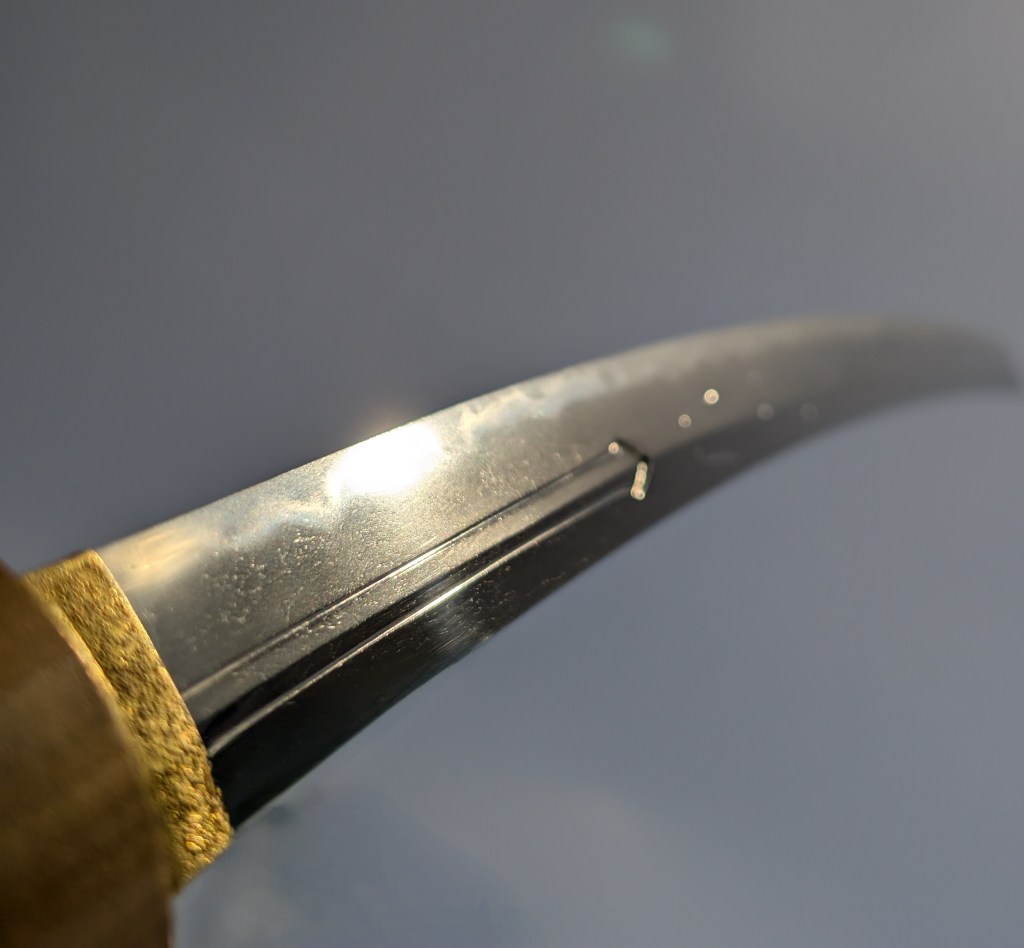
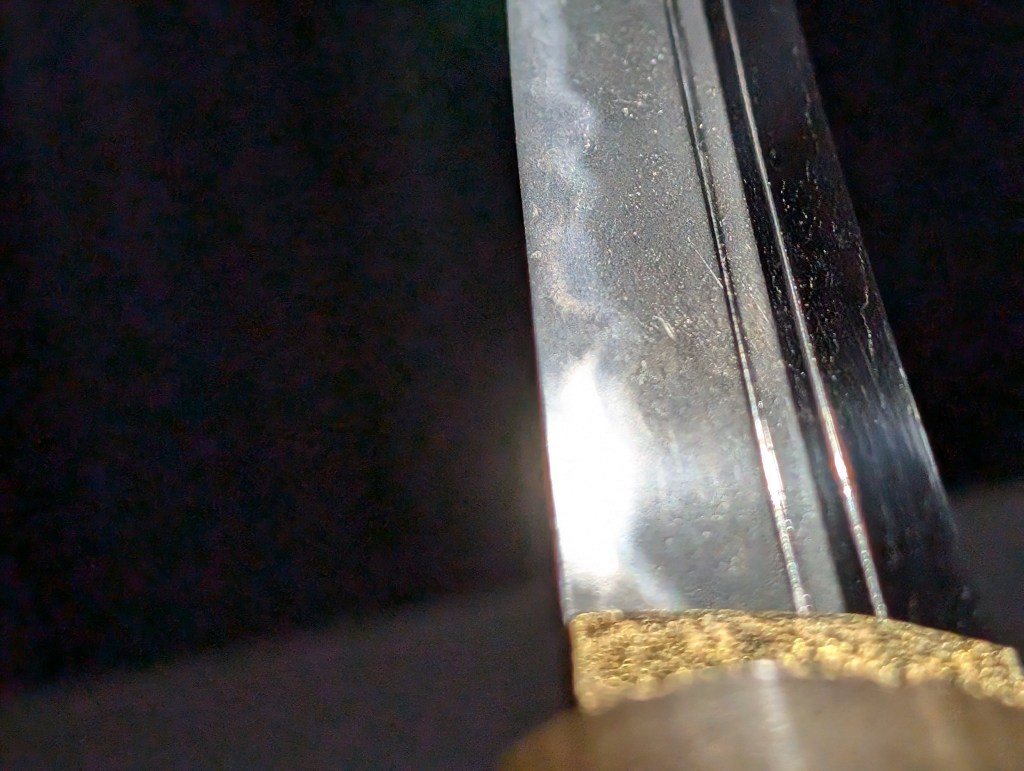
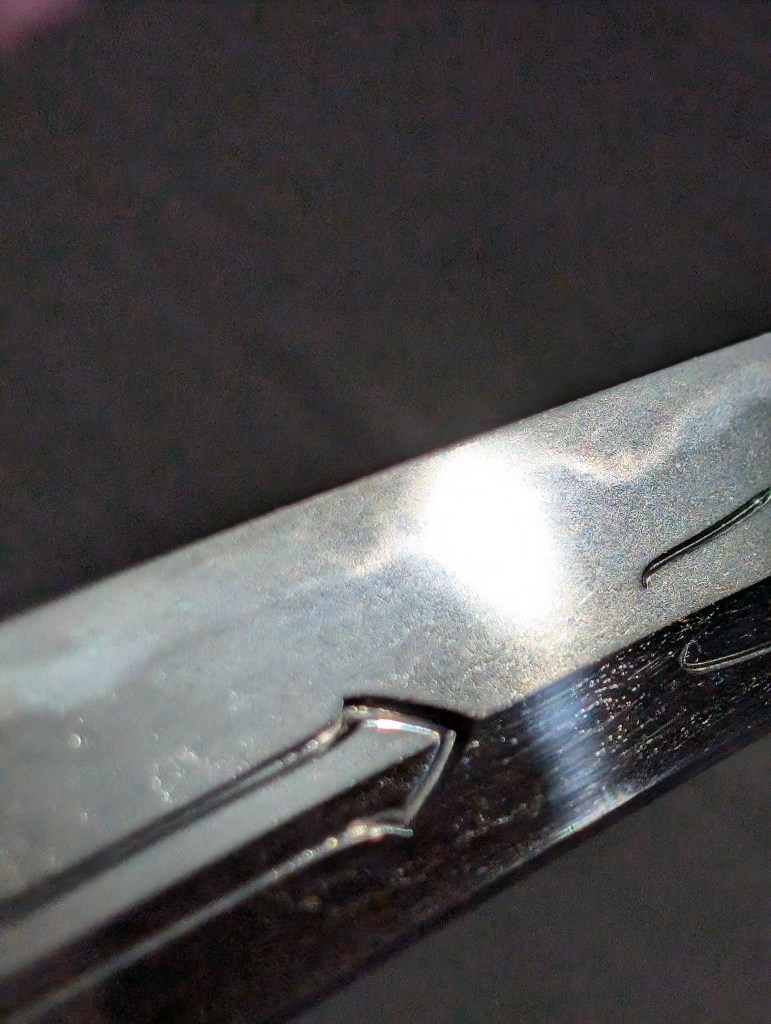
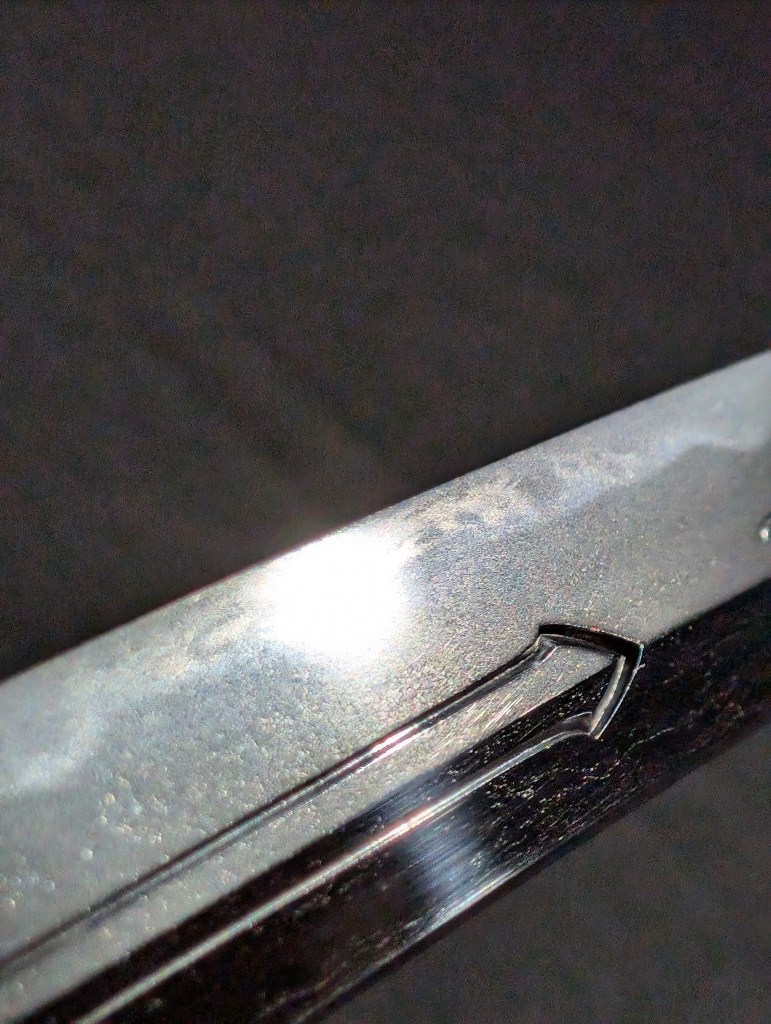
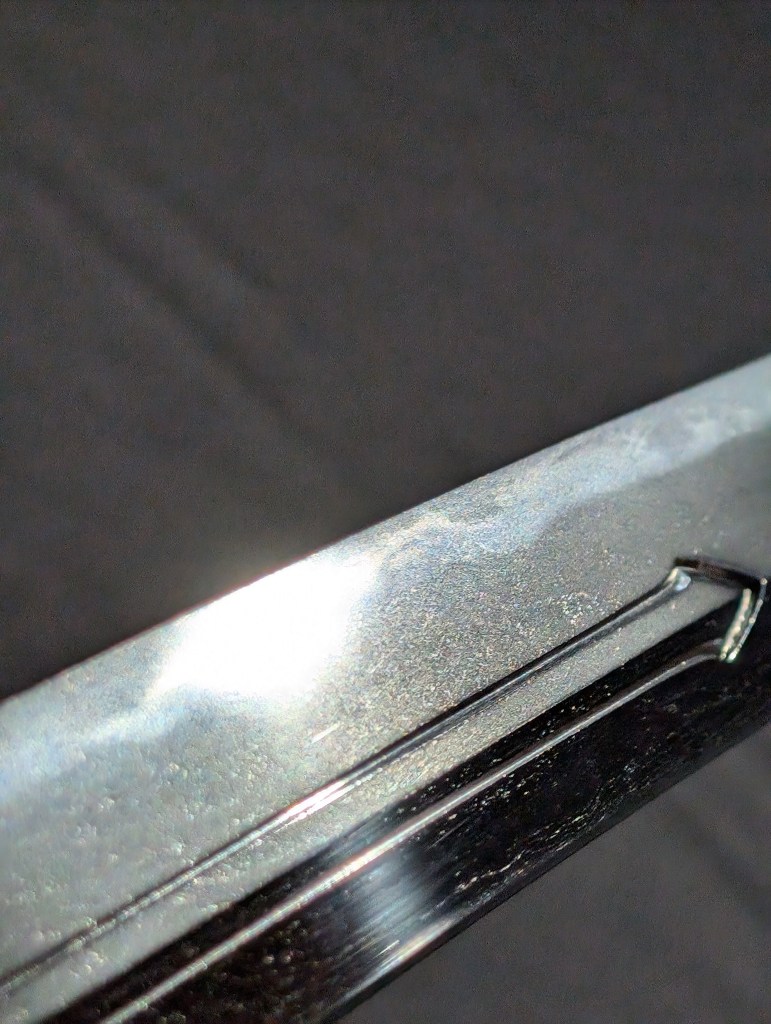
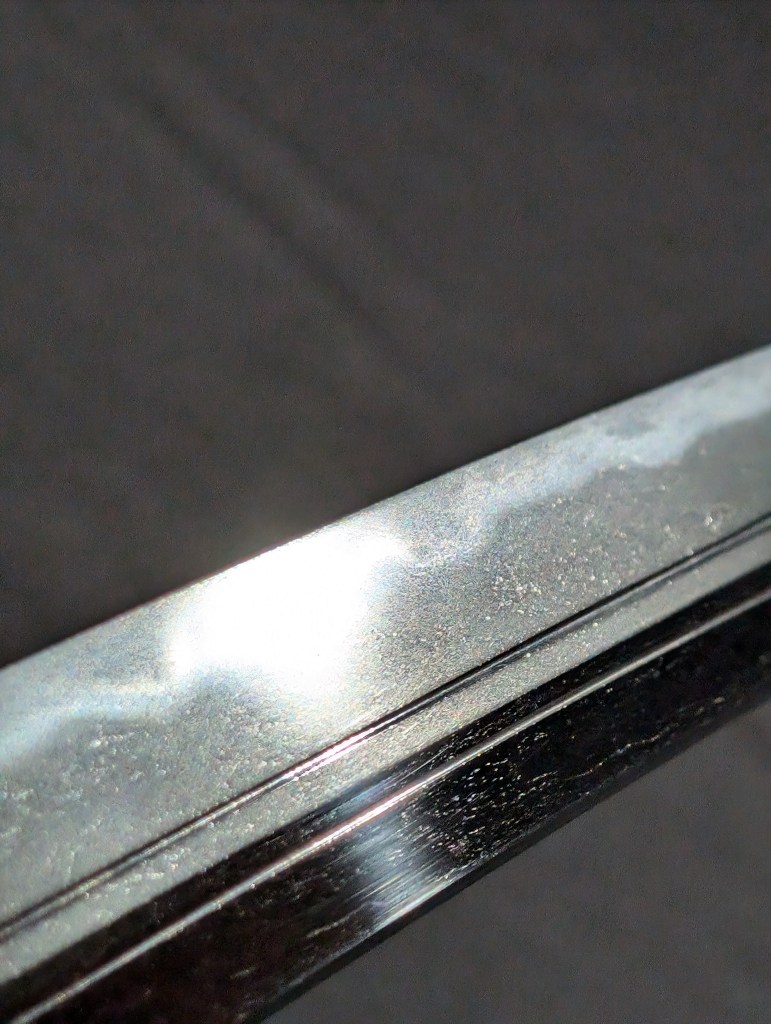
The two blades are shinogi-zukuri and iori mune, which is the most common style of making Japanese swords. What makes the shape of the two blades unique, however, is their expert carvings along the shinogi. The Nidai smith has a symmetrical horimono of a sanko-ken and a Sanskrit “bonji” inscription onto the blade, which are both symbols of religious value, going back to the Buddhist deity Fudo-Myoo: a wrathful spirit who punishes those straying from Buddhism’s path. On the other hand, Shodai Nobukuni displays a more inventive style of horimono, blending form with function. On the katana-ura side, a sanko-ken and bonji are both present, highlighting the religious origin of the two smiths and providing a point of similarity between the two generations. What is unique, however, is the inclusion of bo-hi on the katana-omote. Often mistaken as “blood grooves”, these carvings served a functional purpose in decreasing the weight of the blade, making it lighter and more nimble in the hands of a skilled combatant.
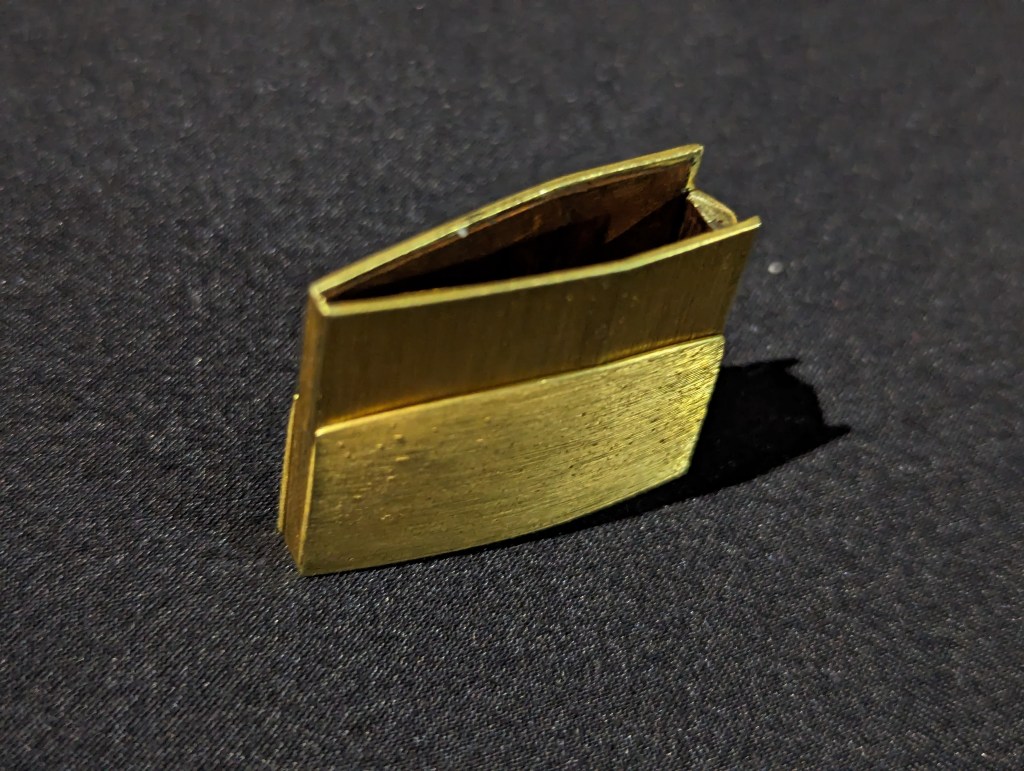
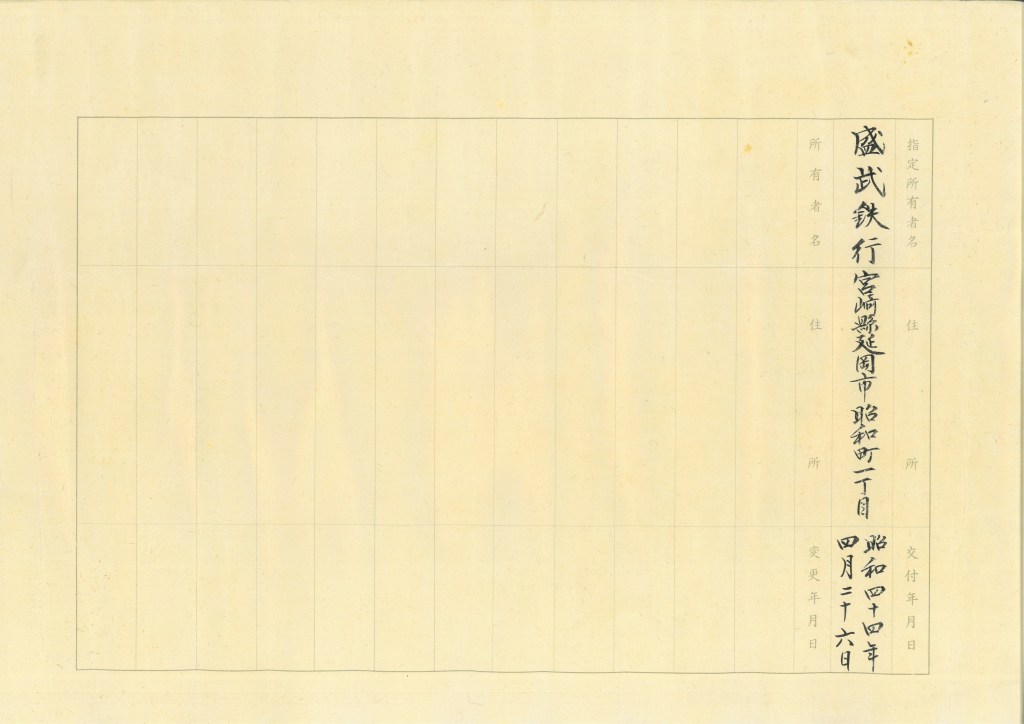
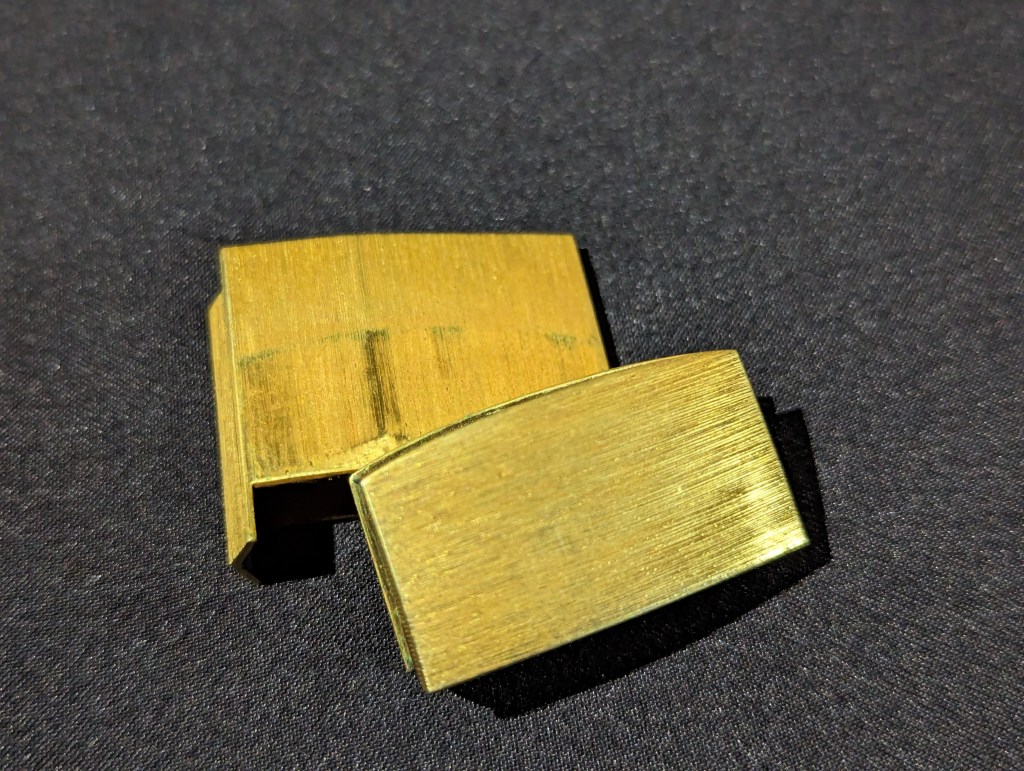
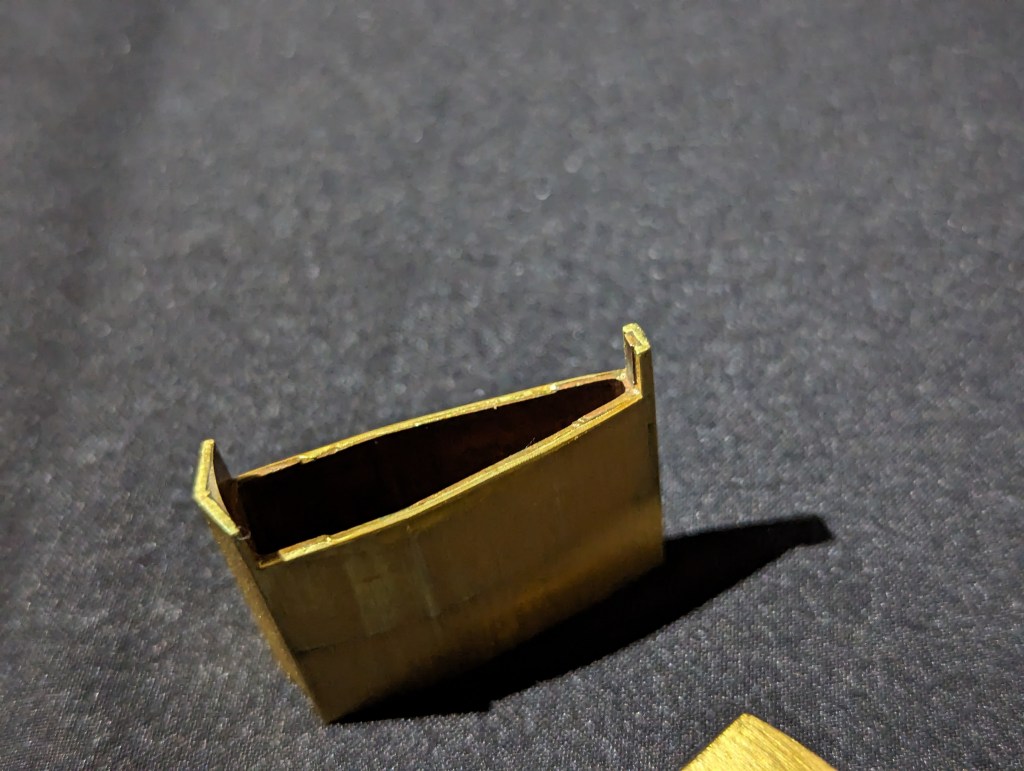
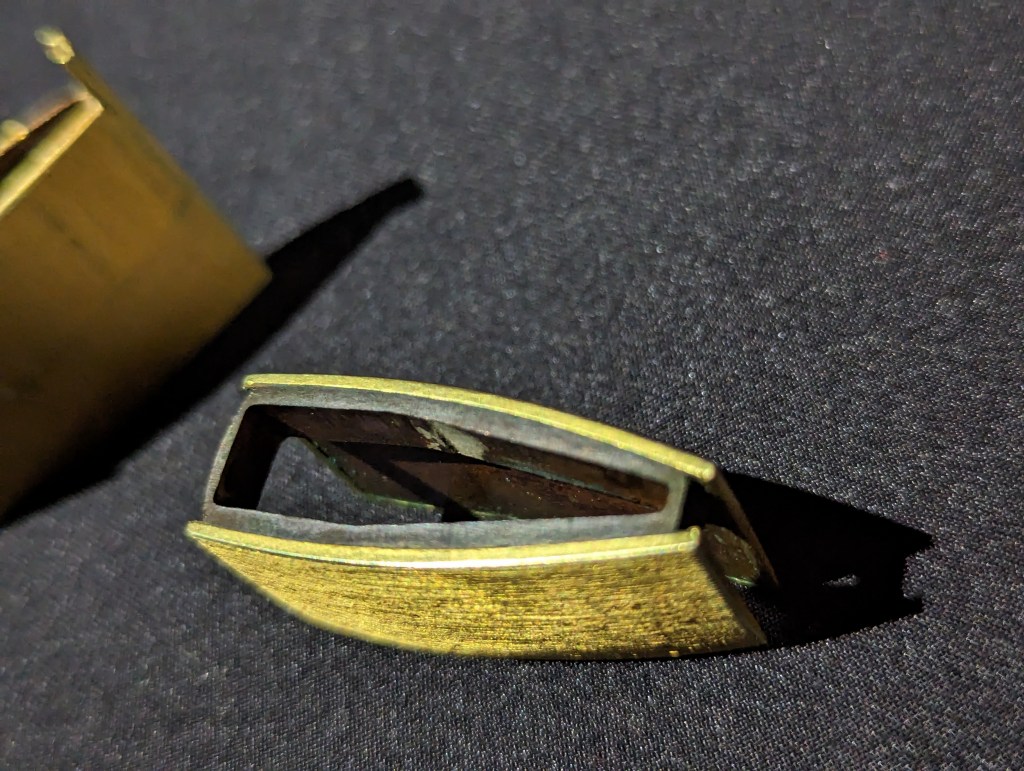
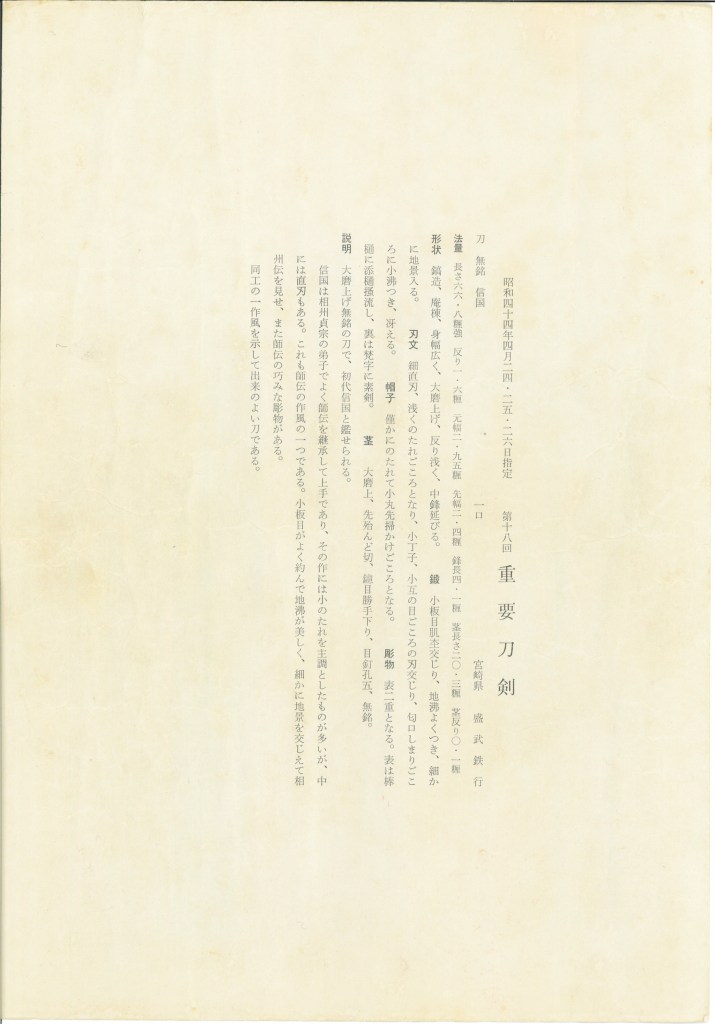
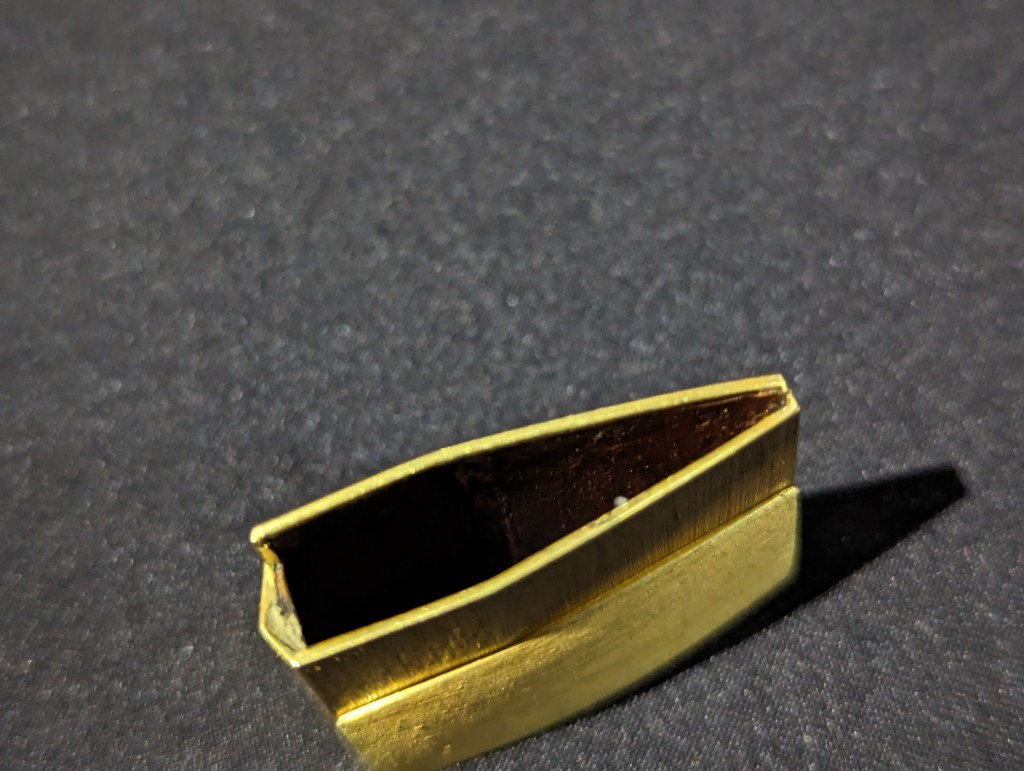
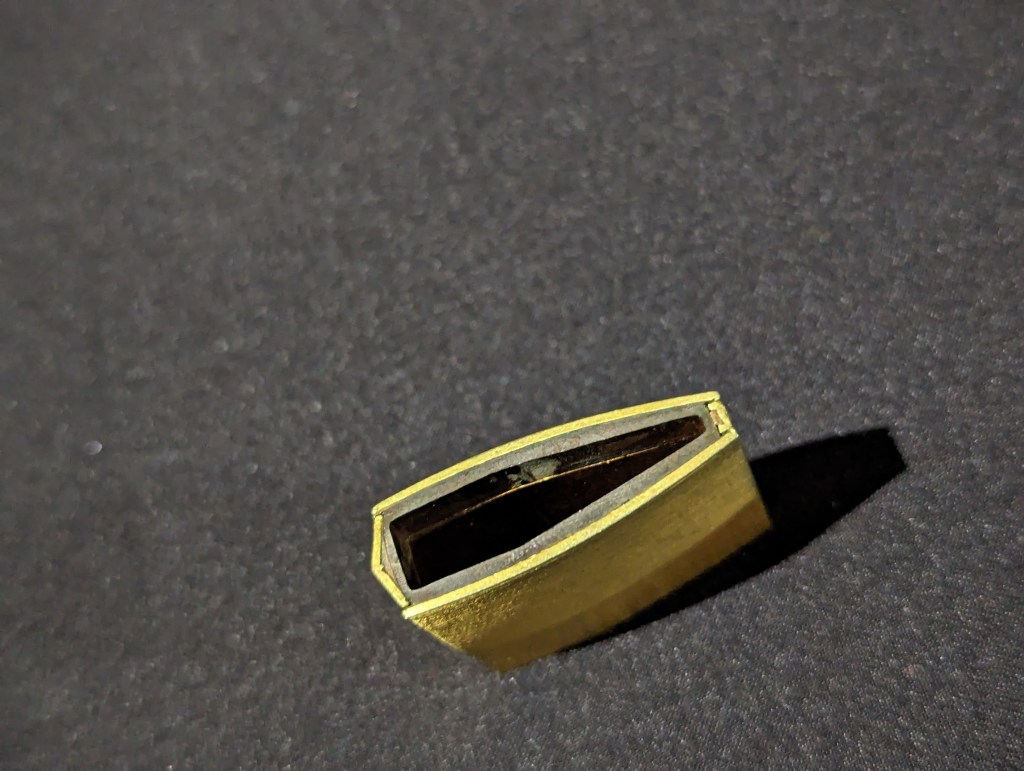
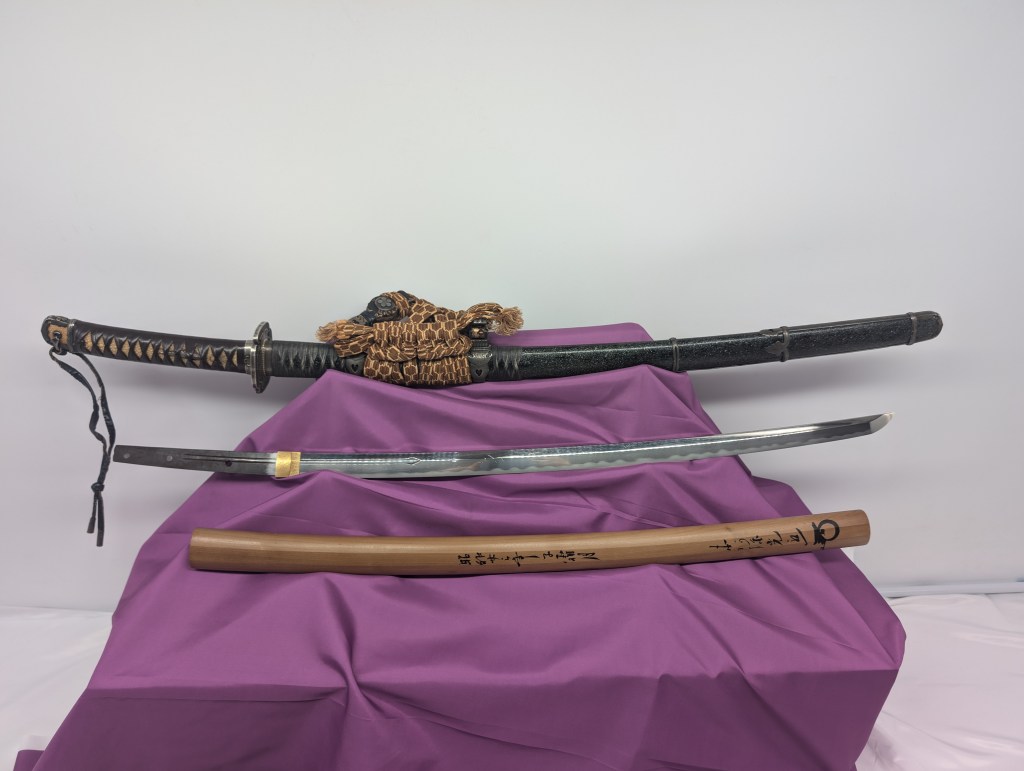
Included with the Nidai blade is a set of itomaki tachi fittings comprising metal accessories and a black lacquer and abalone shell scabbard. The hilt is comprised of white stingray skin over wood with sepia wrappings. The obitori of this set of mountings is particularly beautiful, contrasting with the primarily black scheme through an umber base and off-white hexagonal patterns, adding a layer of order to an otherwise chaotic blend of dark black lacquer and star-like, glimmering abalone. Both blades are rated “Juyo” by the NBTHK, indicating not only excellent preservation, but truly outstanding work which acts as indispensable knowledge for future collectors and academics of the Japanese sword.
The Yamashiro Nobukuni School was a direct evolution of the Yamashiro Ryokai School, a sub-branch of the Yamashiro Rai School, taking influence from the then-legendary Soshu School of Kamakura, Japan. The first generation Nobukuni, who went under the title Genzaemon no Jo, was the son of the excellent Ryokai swordsmith Ryo Hisanobu, and went on to operate from 1334-1356 CE. The first generation travelled to Kamakura, where he studied under the swordsmith Hikoshiro Sadamune, the adopted son of the swordsmith Goro Nyudo Masamune, entering his Santetsu (Top Three Students).
He then returned to Kyoto, founding his sub-branch of the Ryokai and, by extension, the Rai School. The second generation went under the title of Minamoto Shikibu no Jo, operating from 1358 CE to 1387 CE. This smith was known particularly for his high-quality carvings, or horimono, which were plentiful on his blades, and debate exists on whether he studied under Sadamune alongside his father, Shodai Nobukuni. Within these blades, religious imagery is common and is expected following the origins of the Nobukuni School.
The Ryokai and Soshu Schools were both founded and developed within Buddhist religious sites, with both the original Ryokai, alongside the Shintogo smiths and Masamune, being priests, alongside swordsmiths, leading to religious practice likely becoming a hallmark in their swordsmithing training. As such, it is unsurprising to see such religiosity take relevance in the style of making blades. Furthermore, differing influences are evident in both generations, with Shodai taking a return to his roots within Yamashiro-den methods of production, while Nidai leaned further toward Soshu-den traditions, showing a wholesome comparison between the works of father and son.
both swords are already in their new homes, and are presented as an educational article