a masterpiece by Masamune’s Grandson
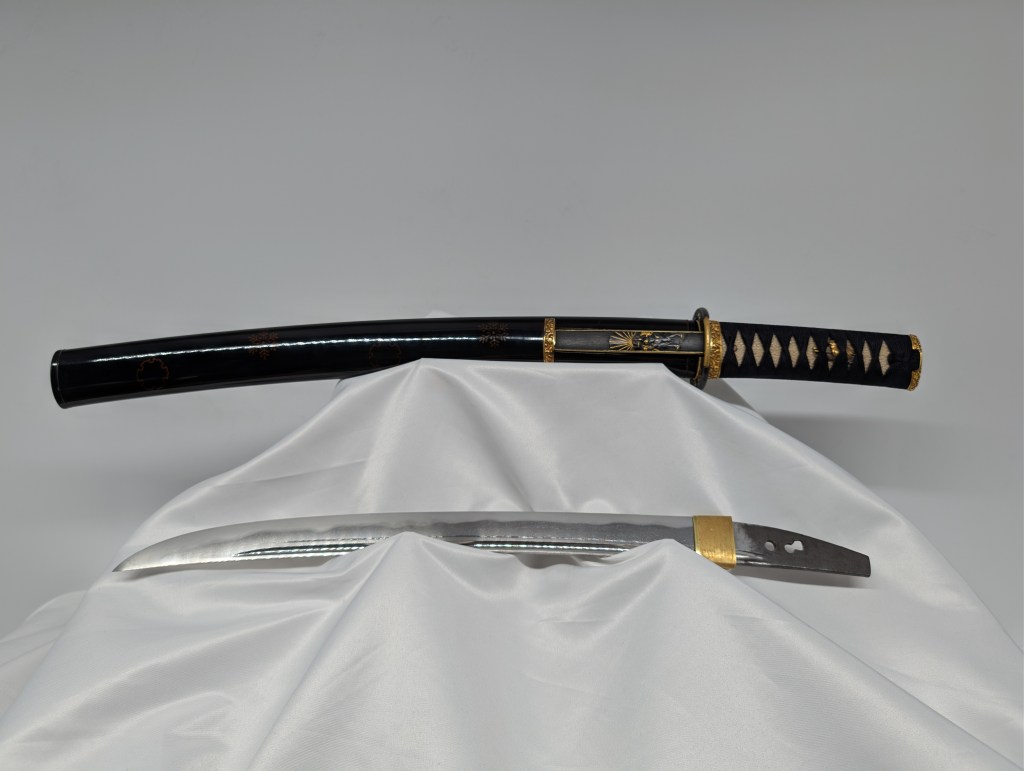
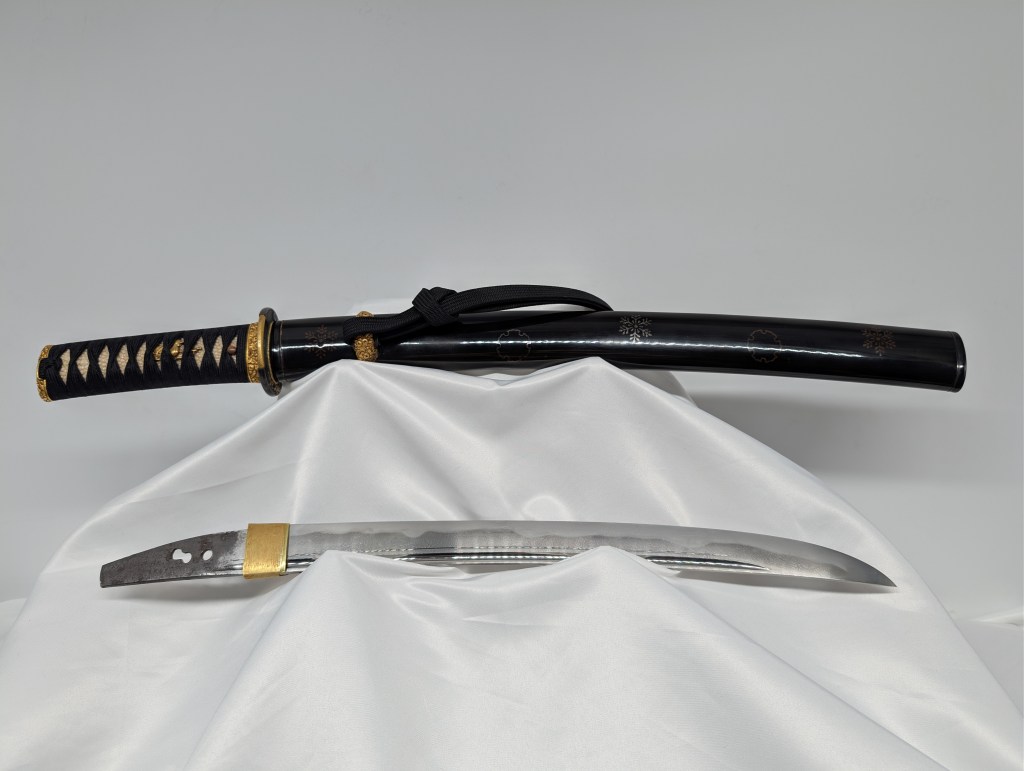
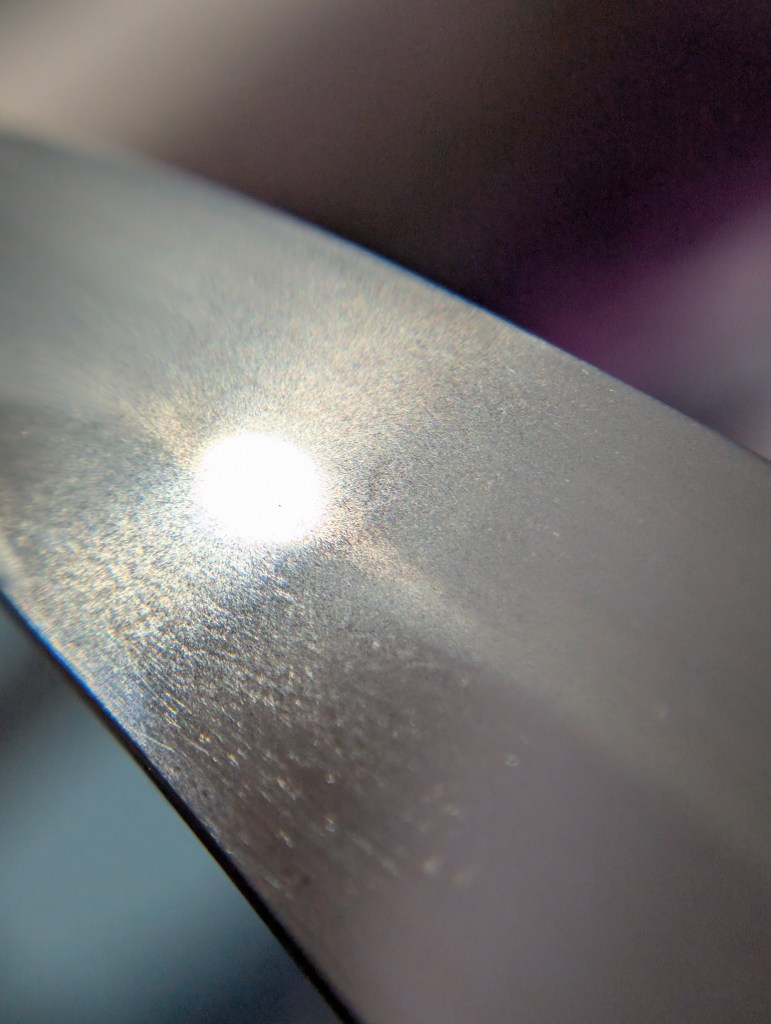
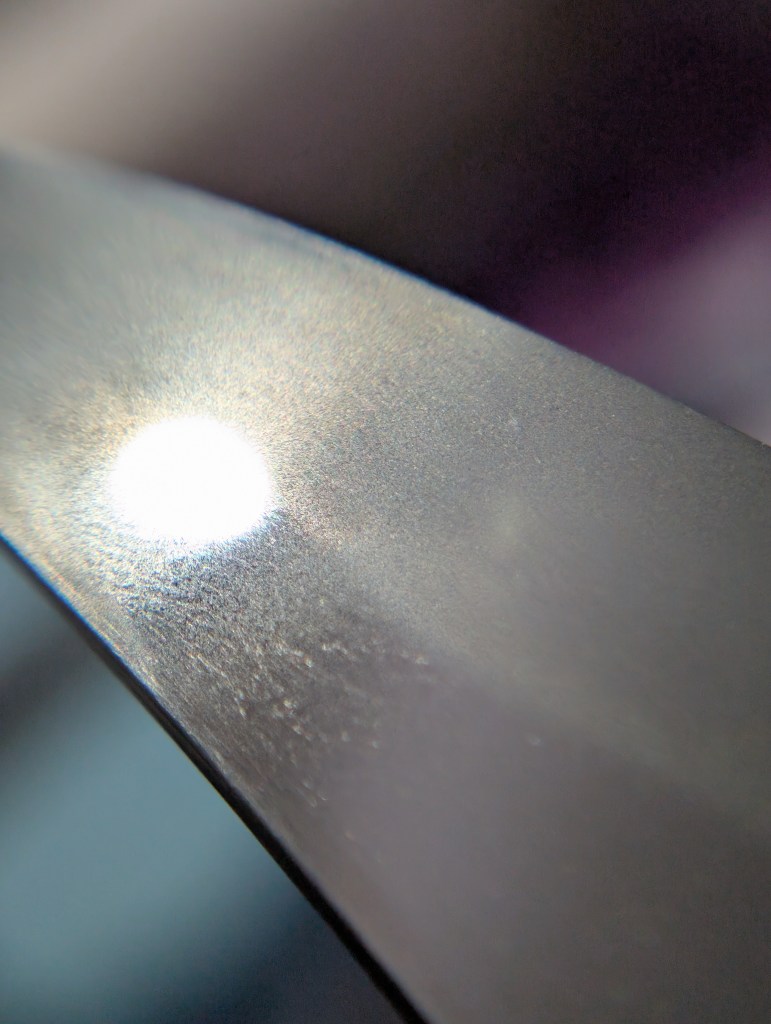
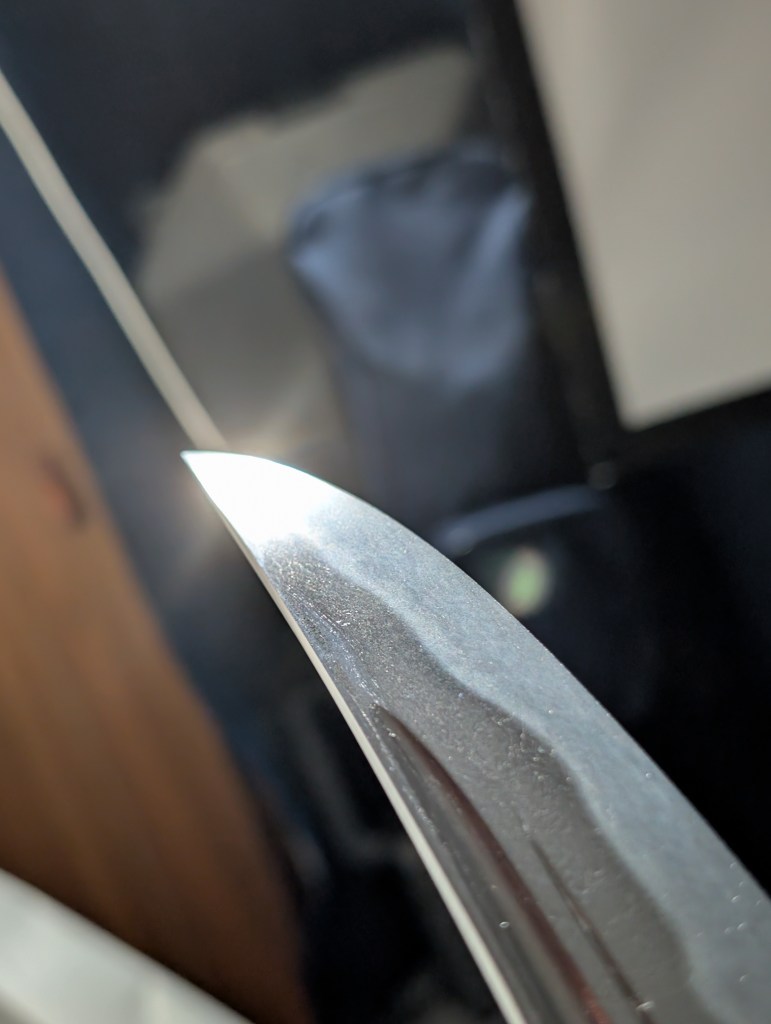
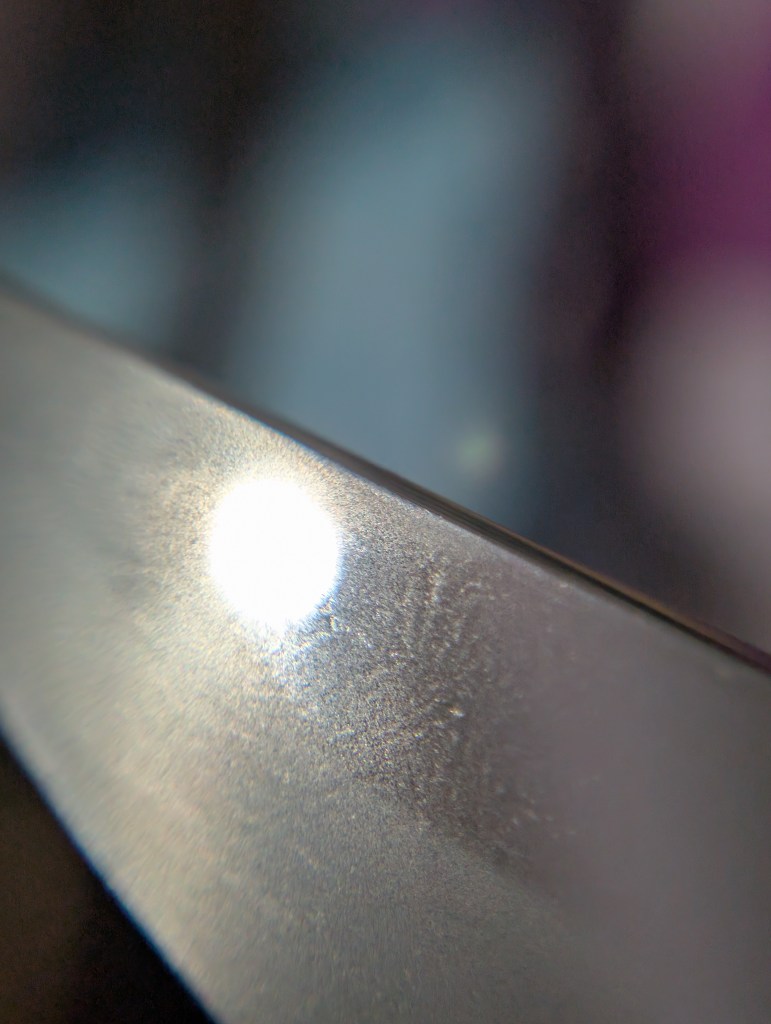
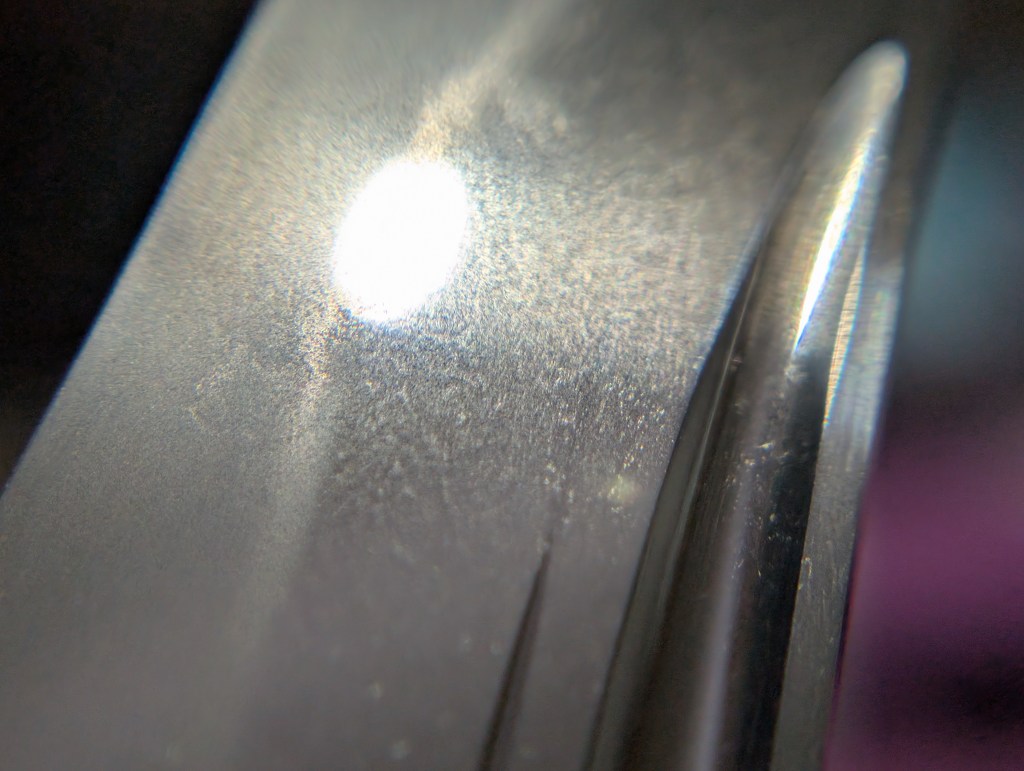
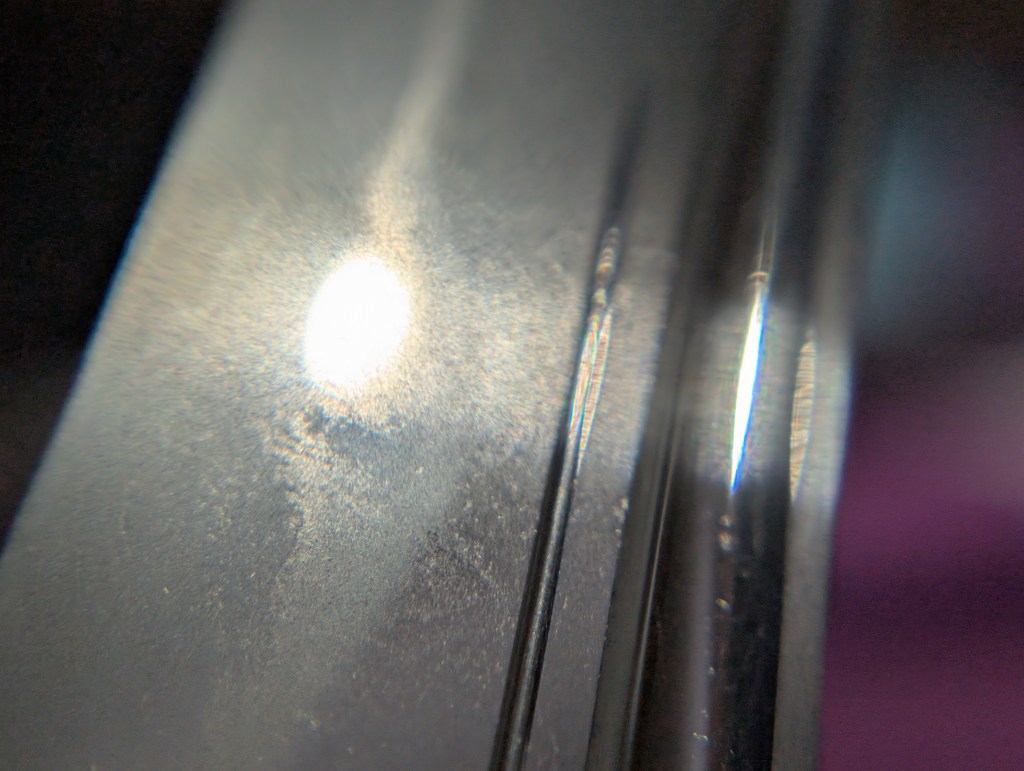
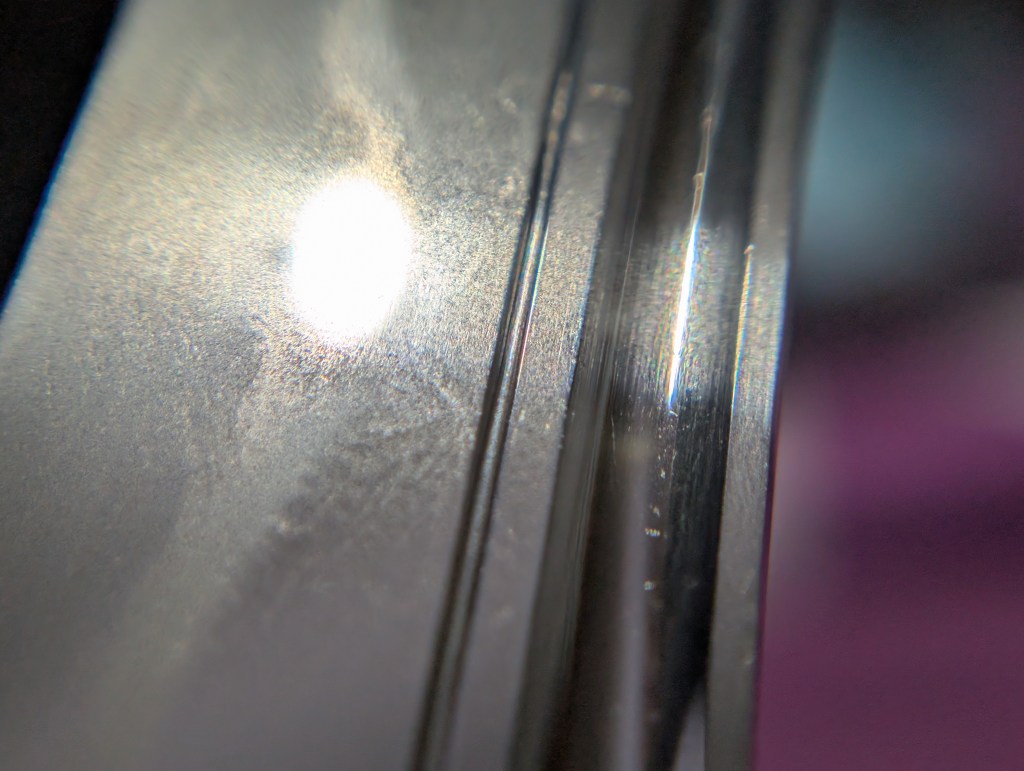
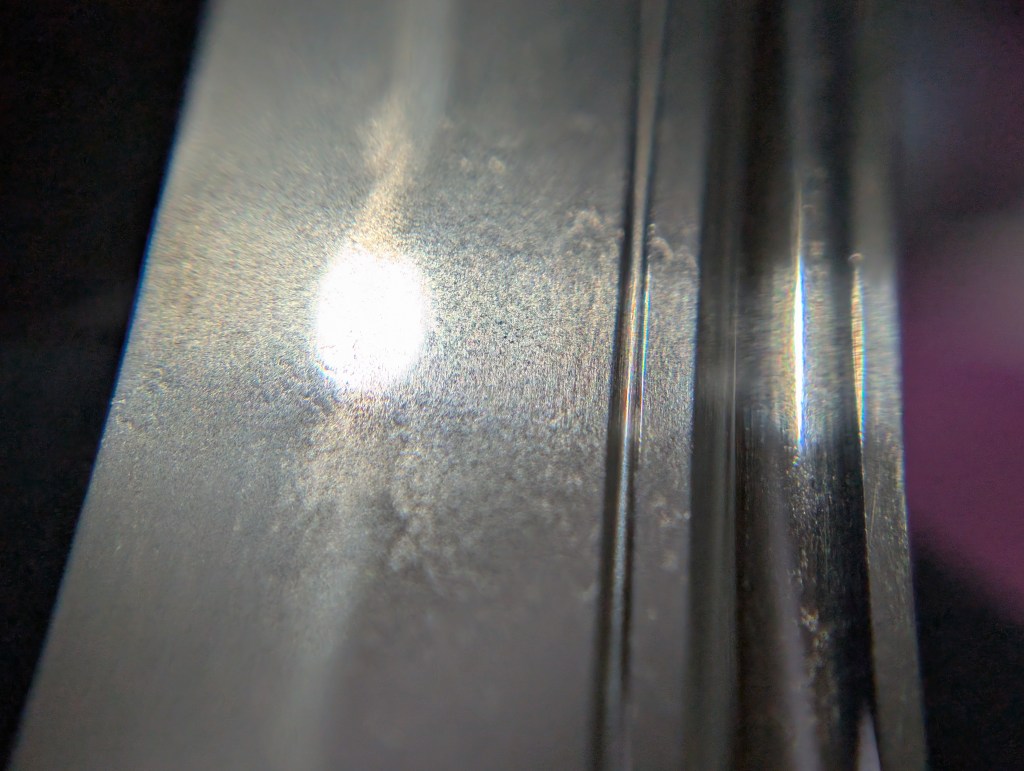
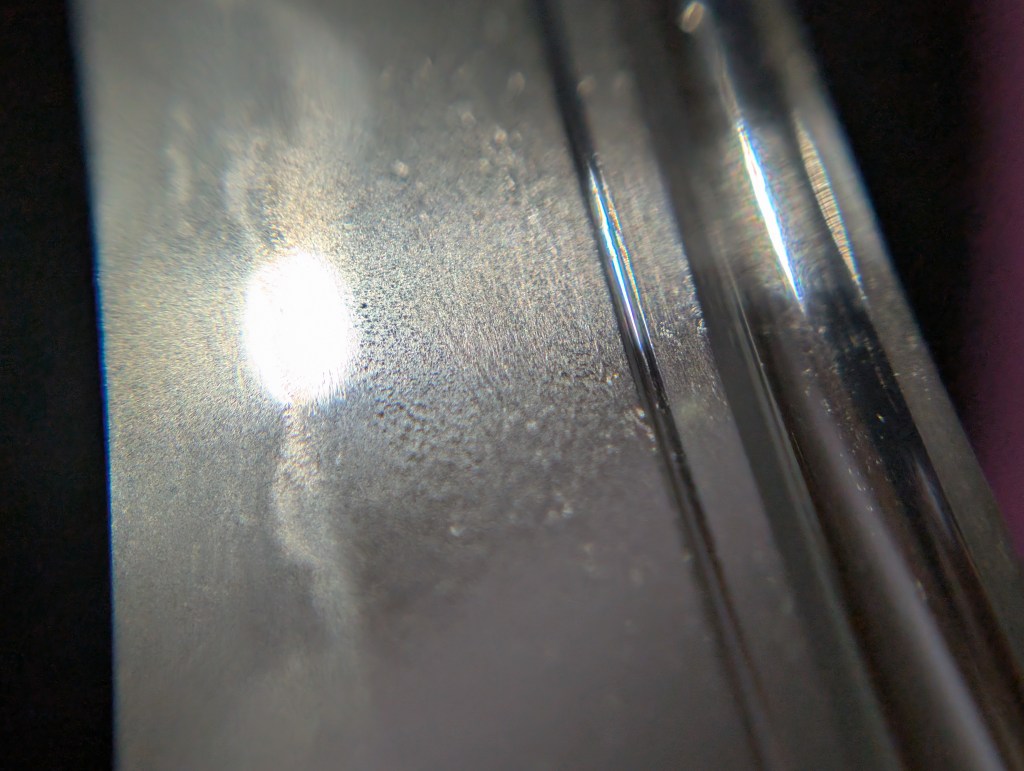
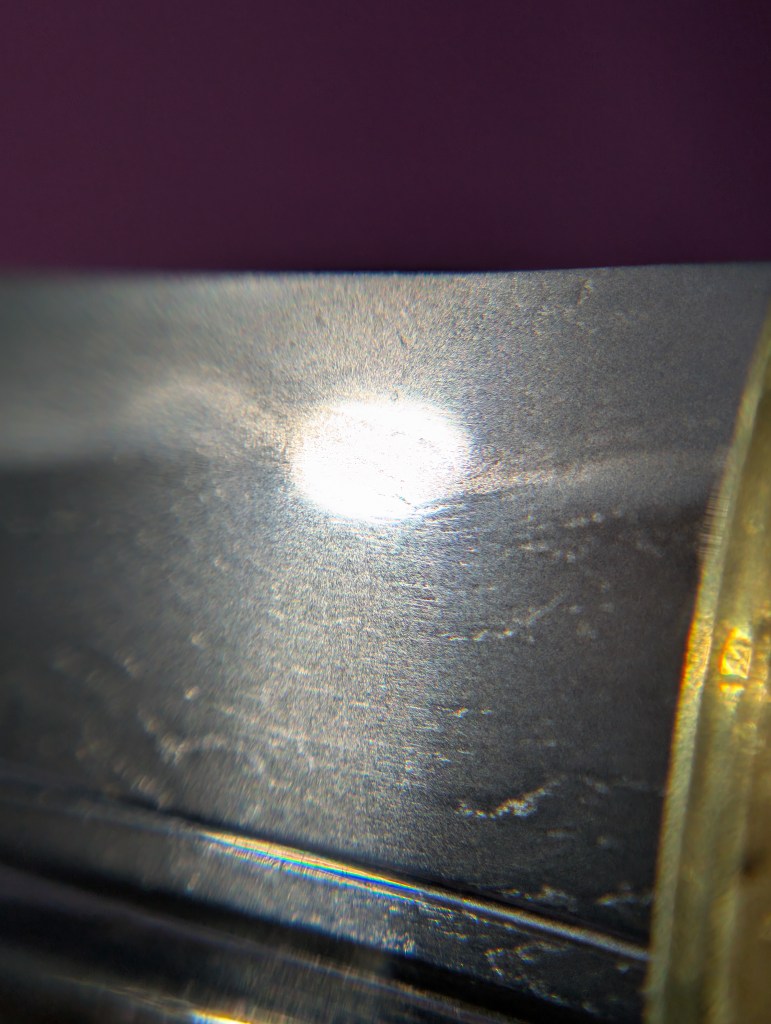
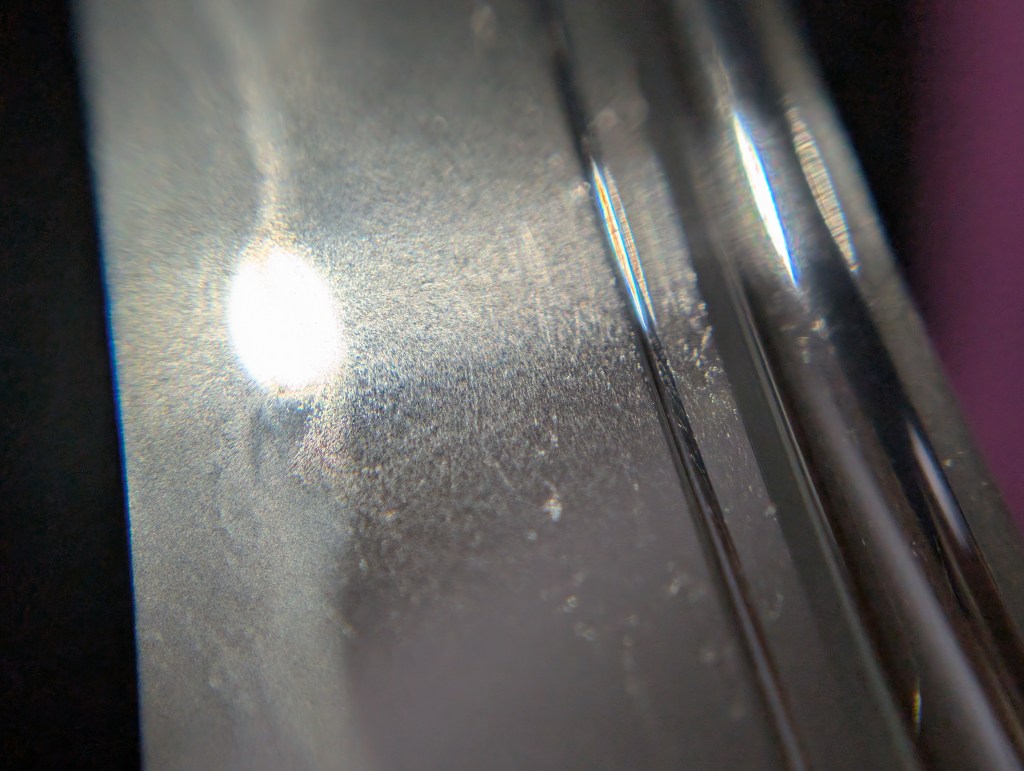
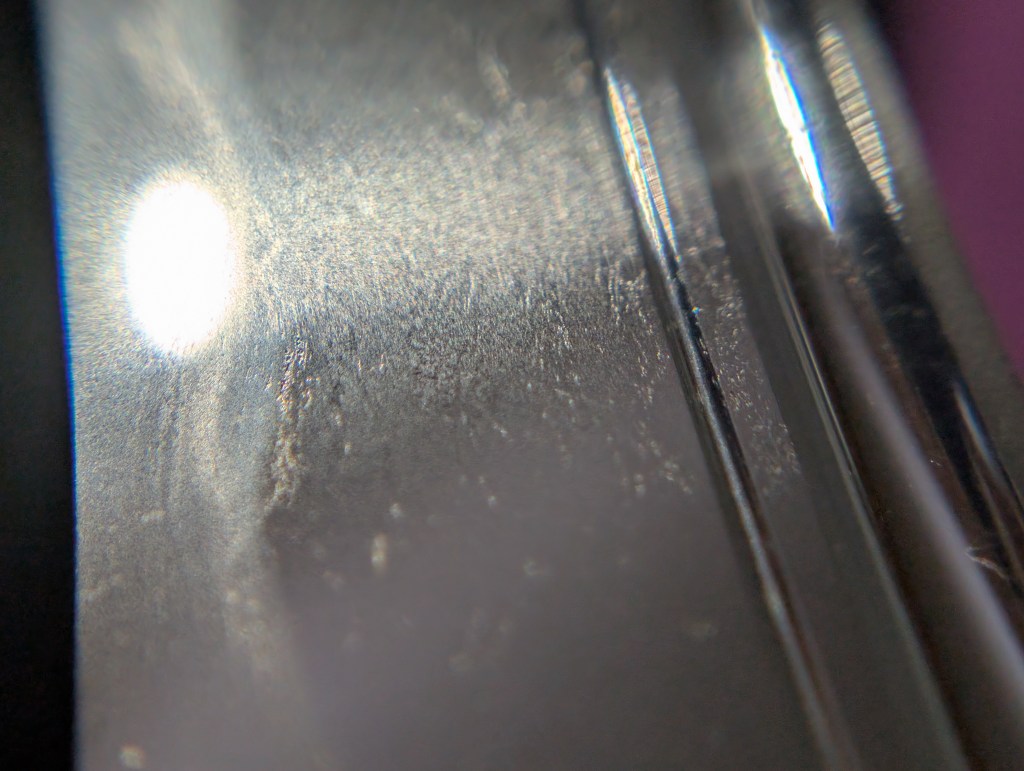
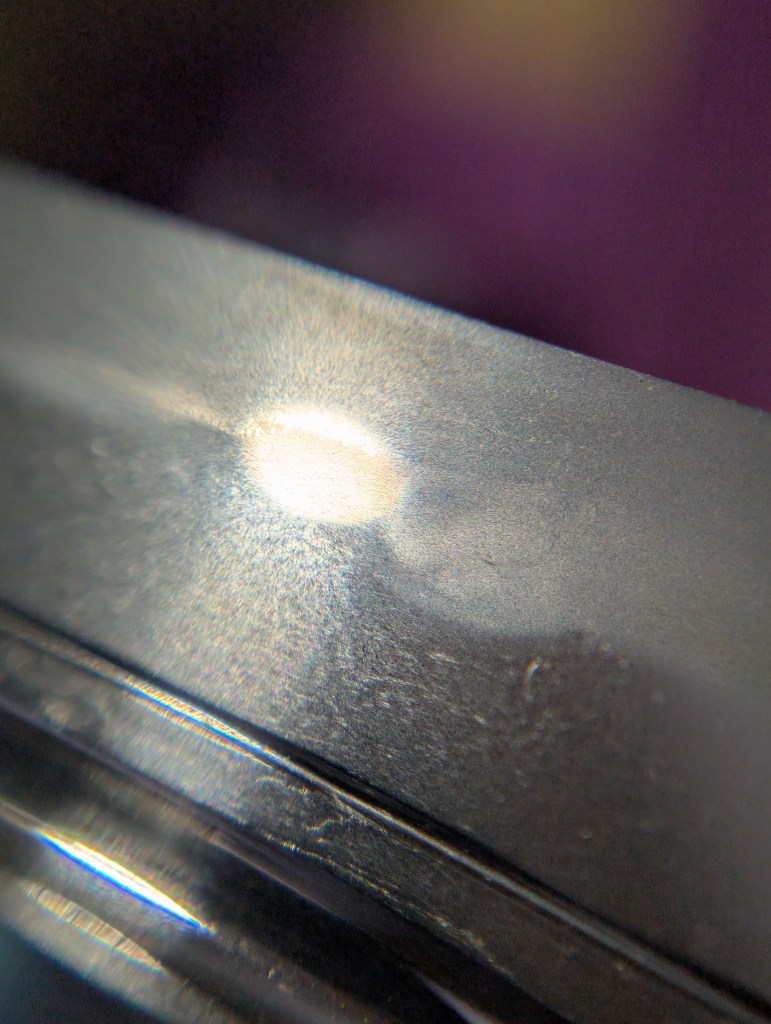
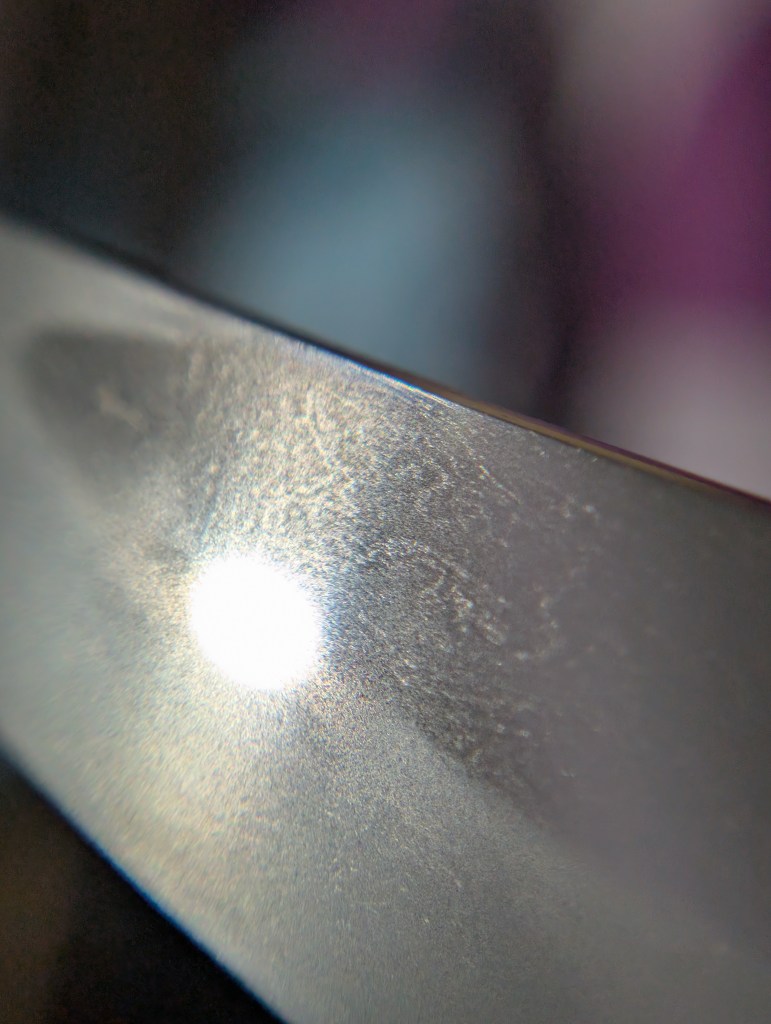
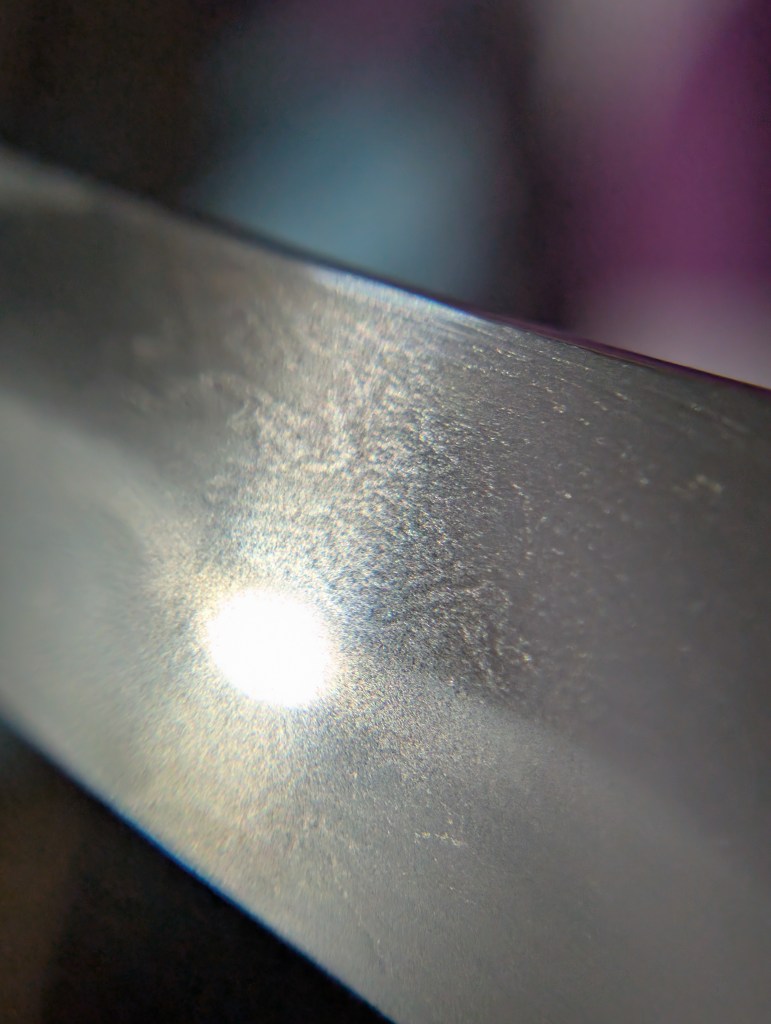
Following the rise of new masters in Sagami Province, such as Hiromitsu and Akihiro, continuous branches of their descendants forged swords into the Muromachi Period, leaving indelible prints on the world of nihonto that permeate into the modern day. The topic of today’s article is a sunnobi tanto from one of these branch founders, that being the son of Soshu Hiromitsu, Masahiro. The blade has a marvelous shape, whose dimensions match daggers of the late Nanbokucho Period, namely, a wide mihaba, an extended curvature, and a partially extended frame along the monouchi. Looking toward metallurgy, the surface grain is comprised of a coarse, tight ko-mokume throughout the blade’s length.
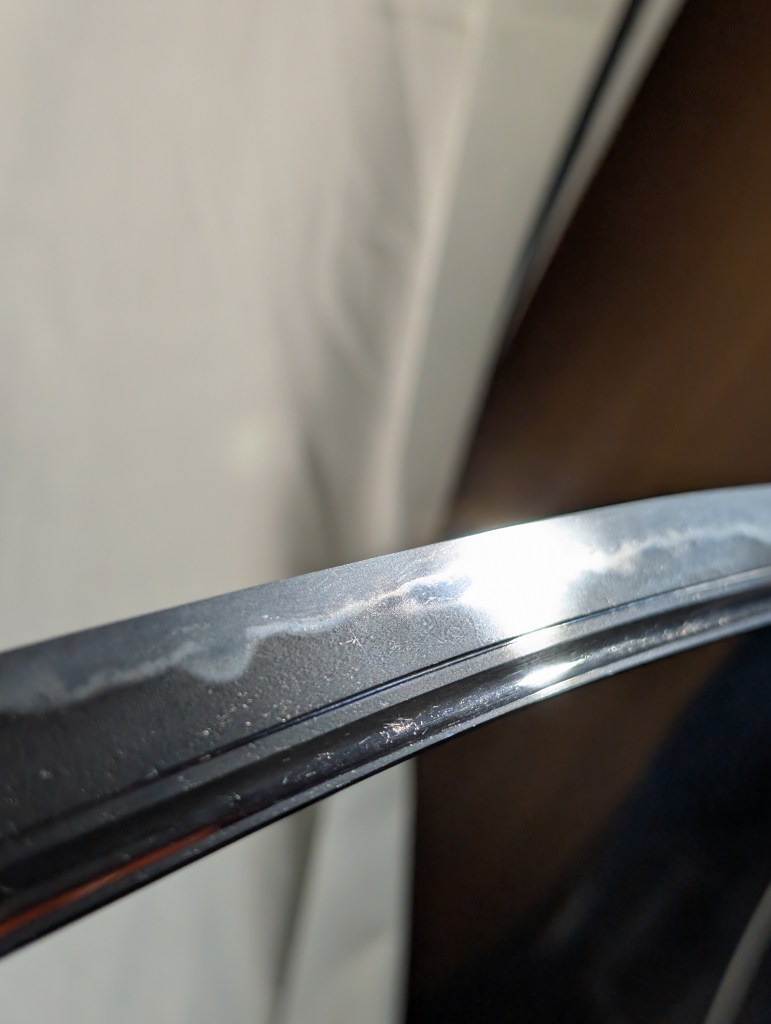
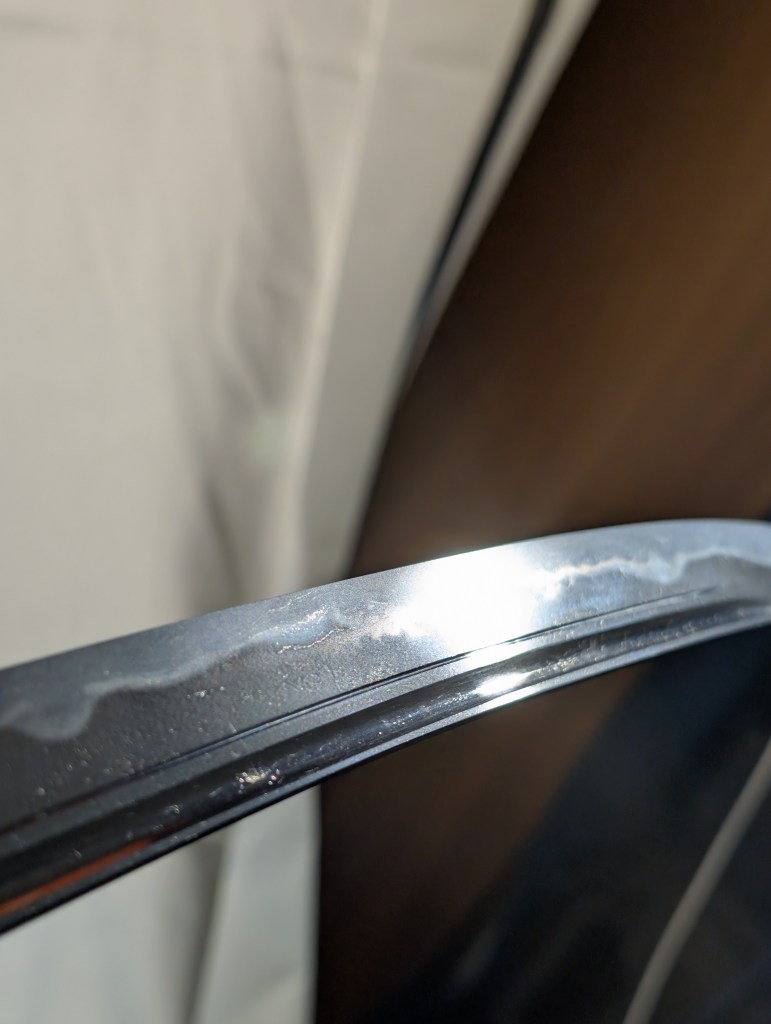
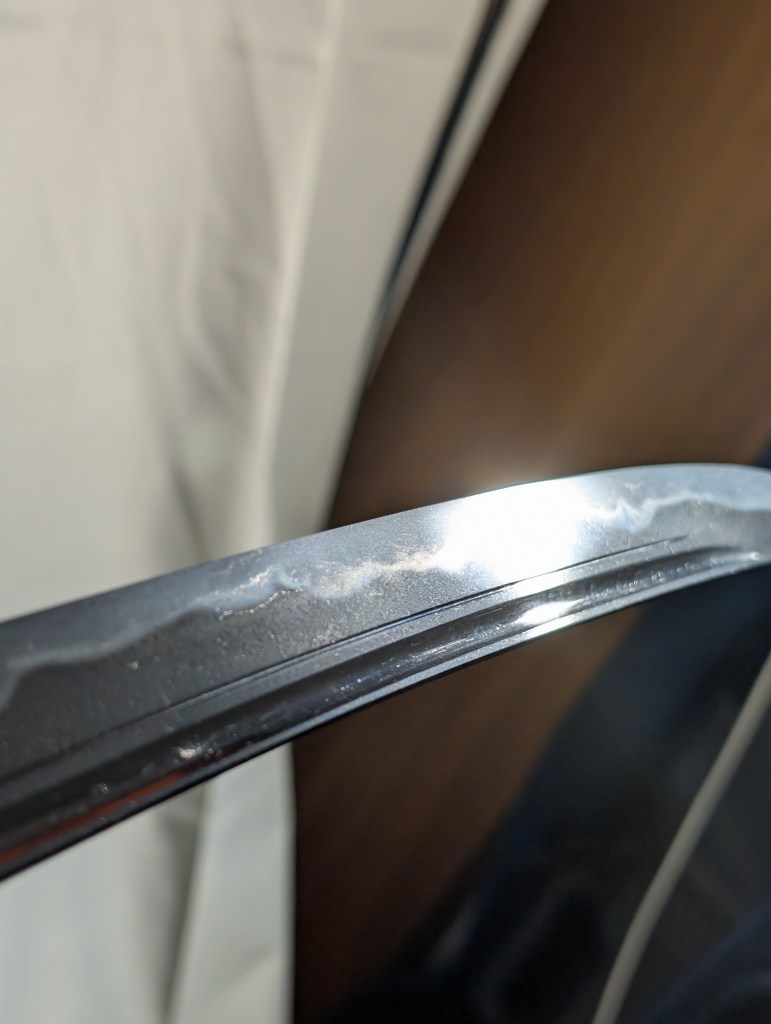
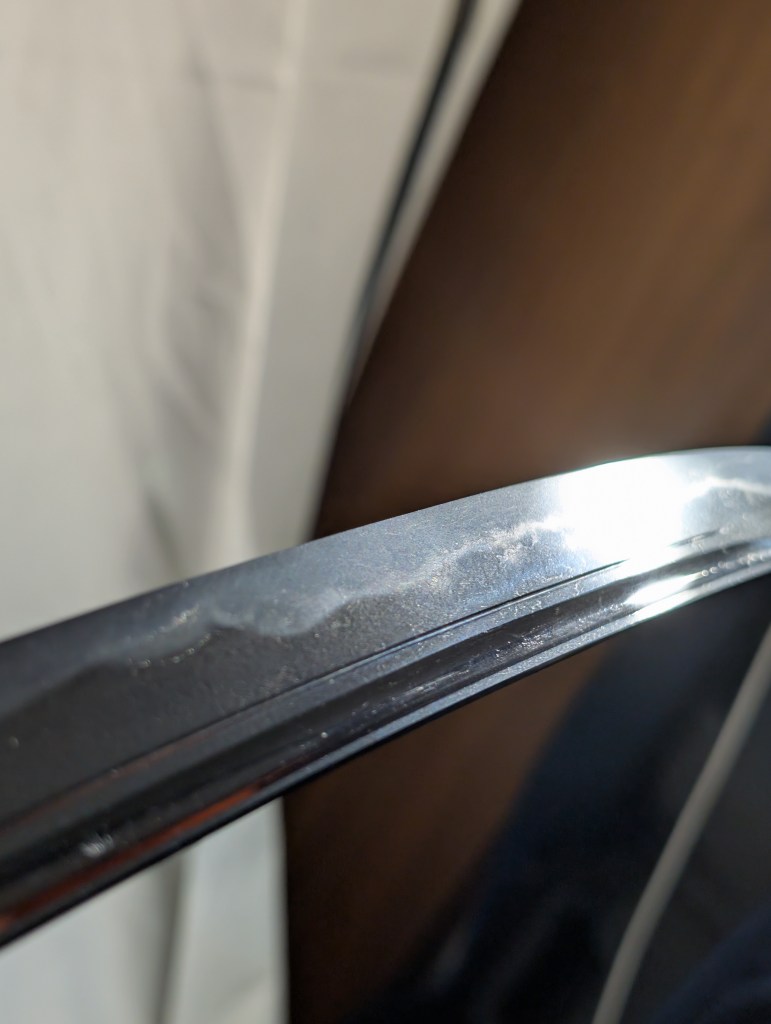
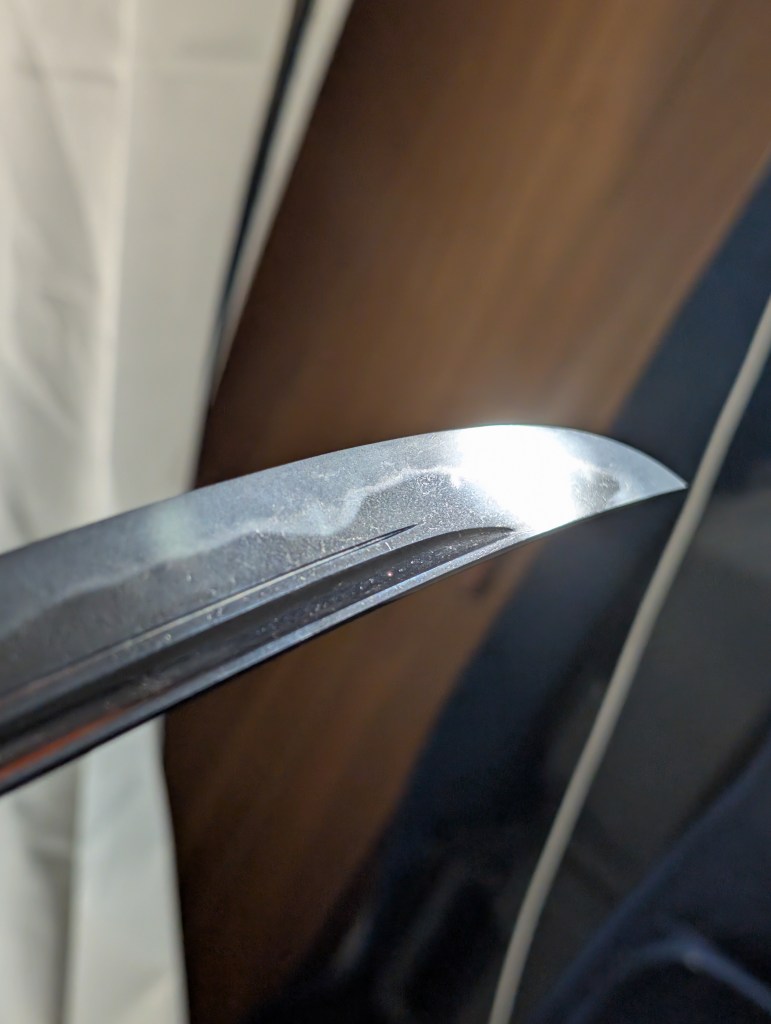
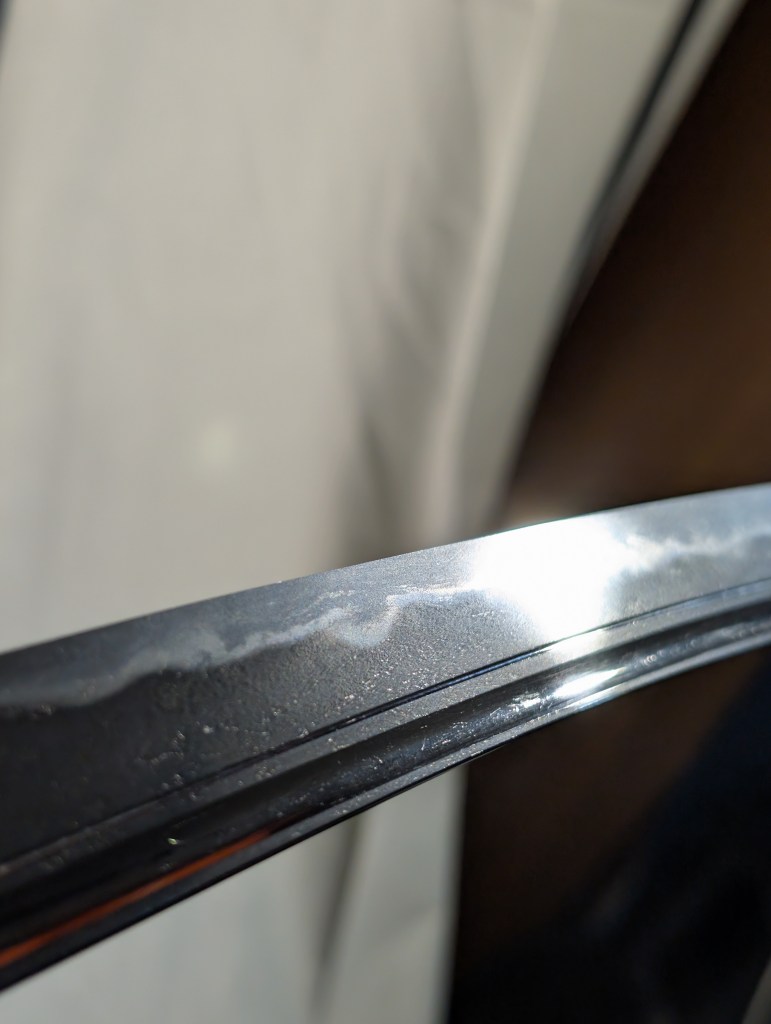
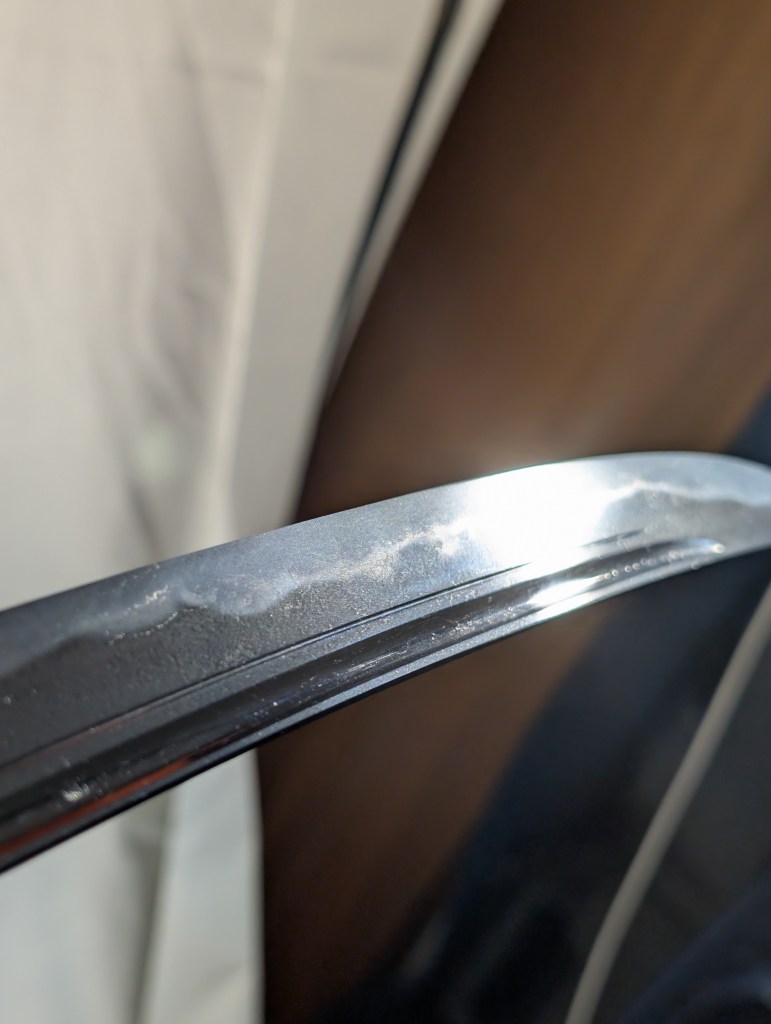
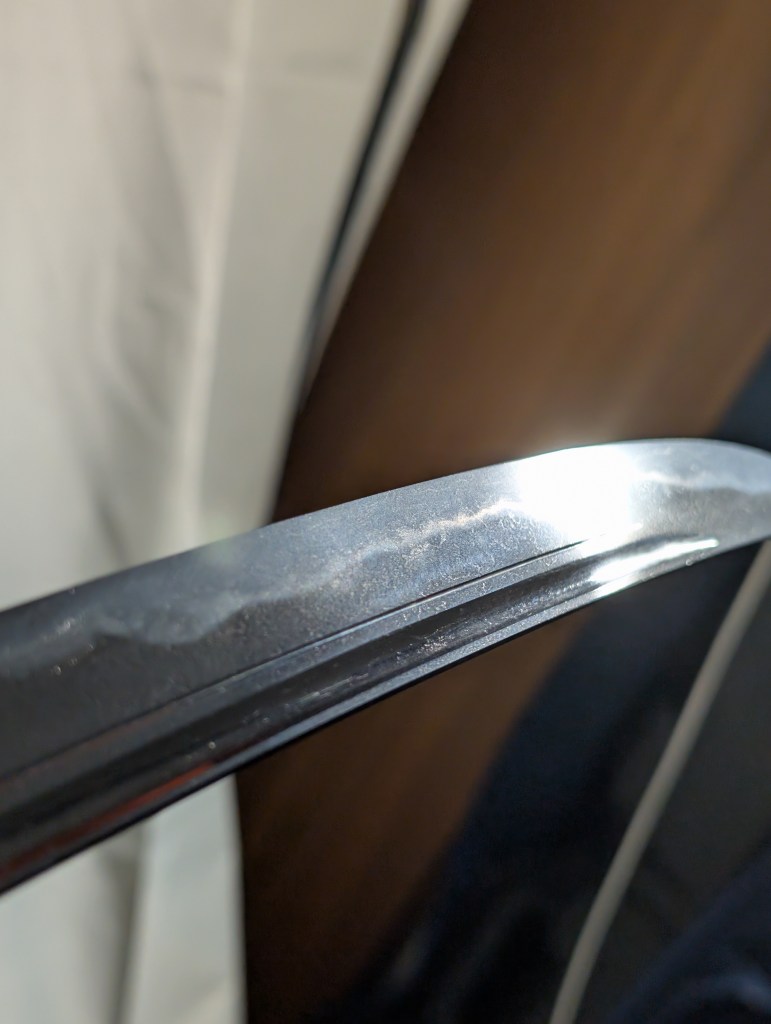
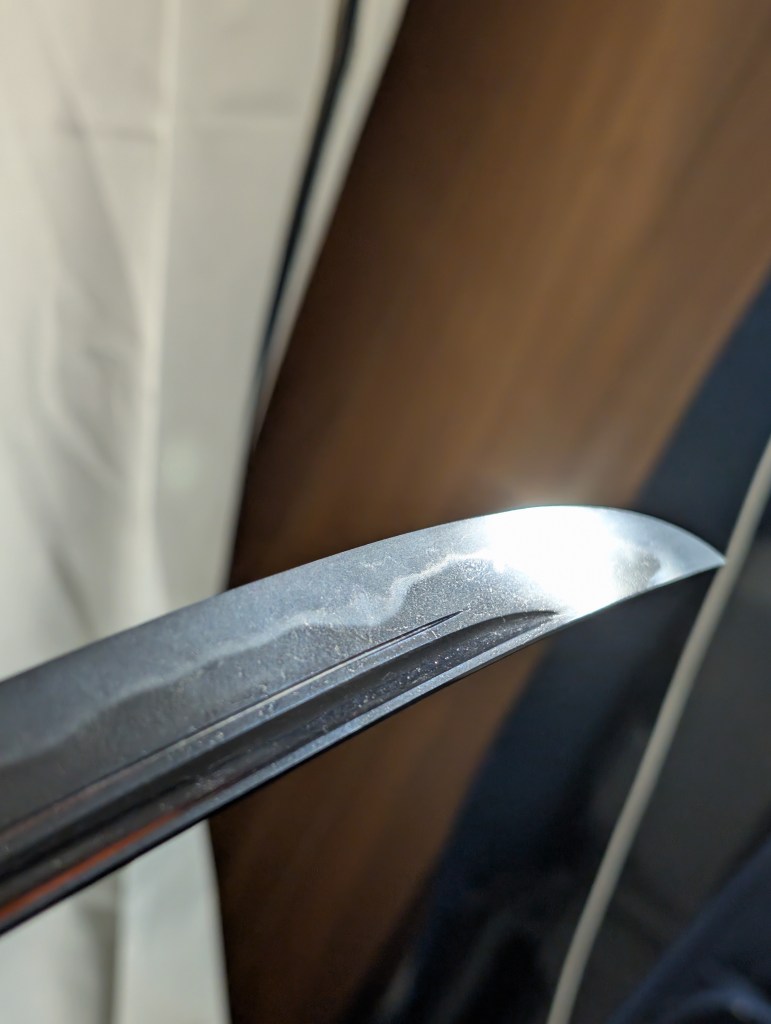
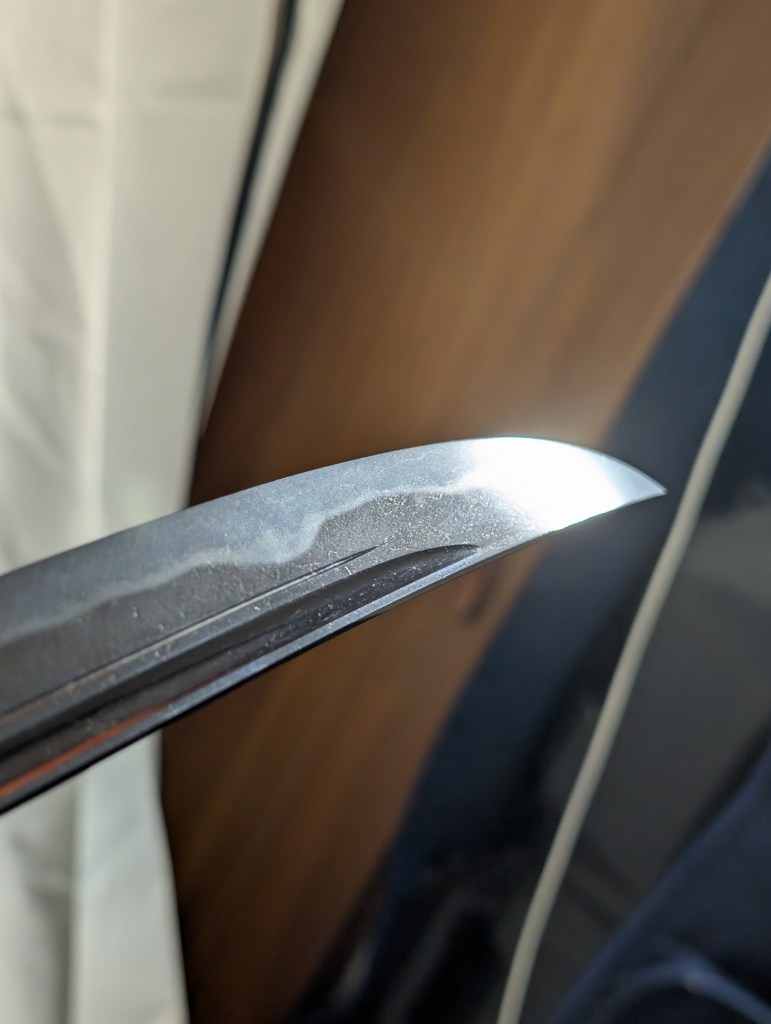
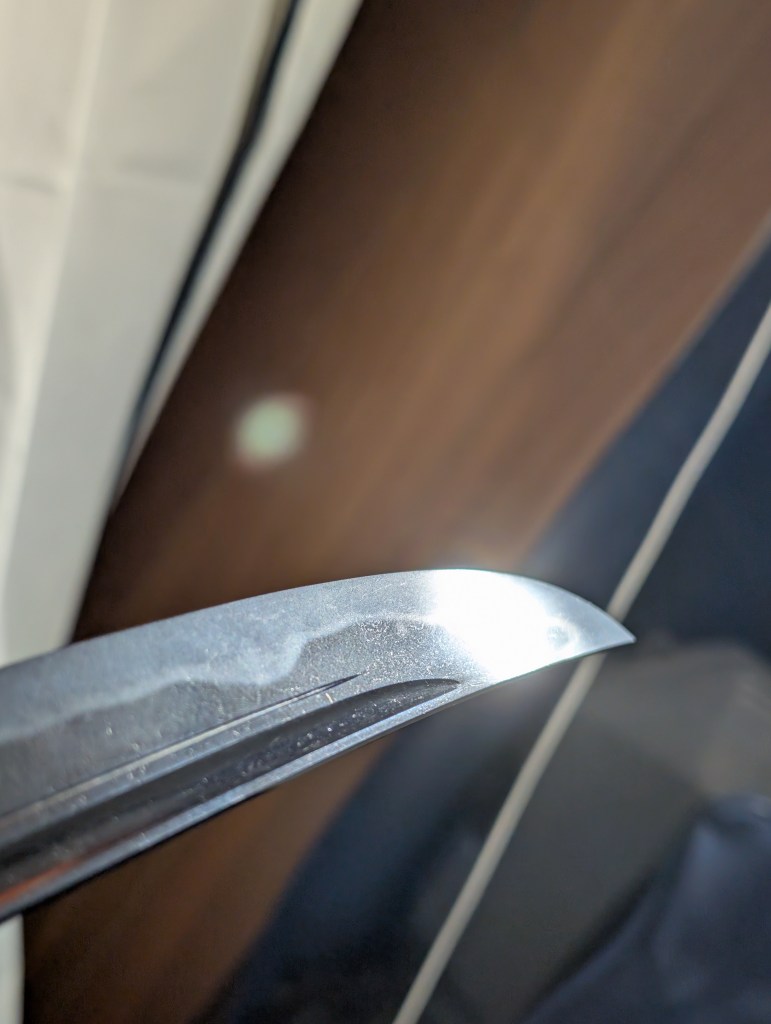
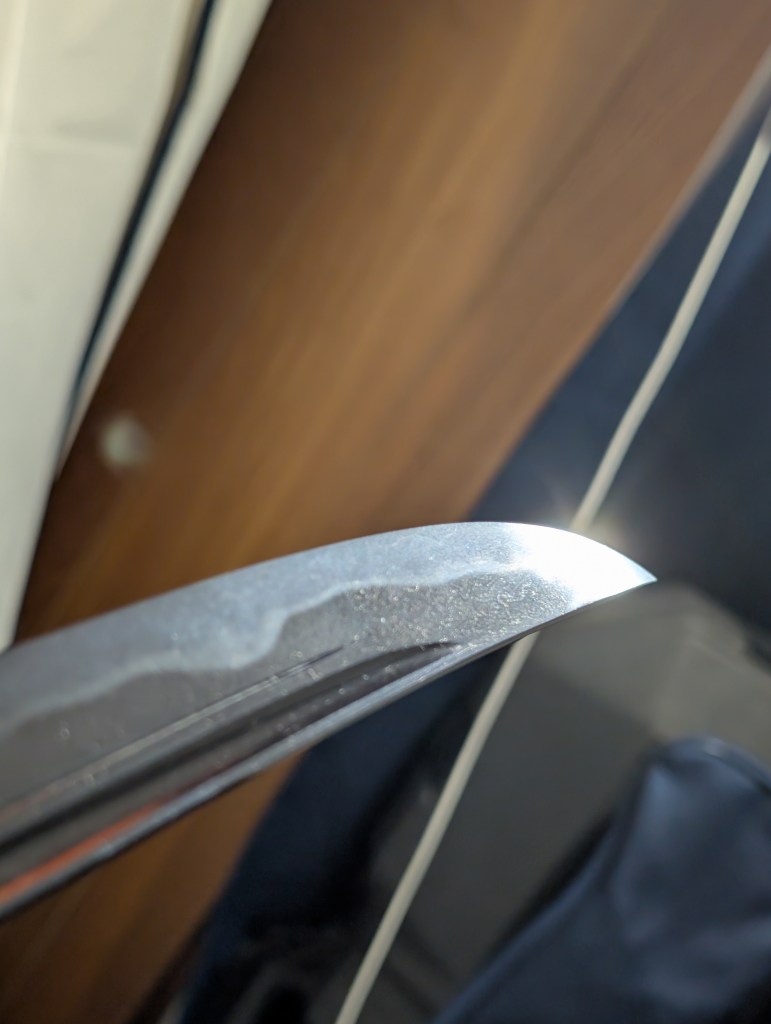
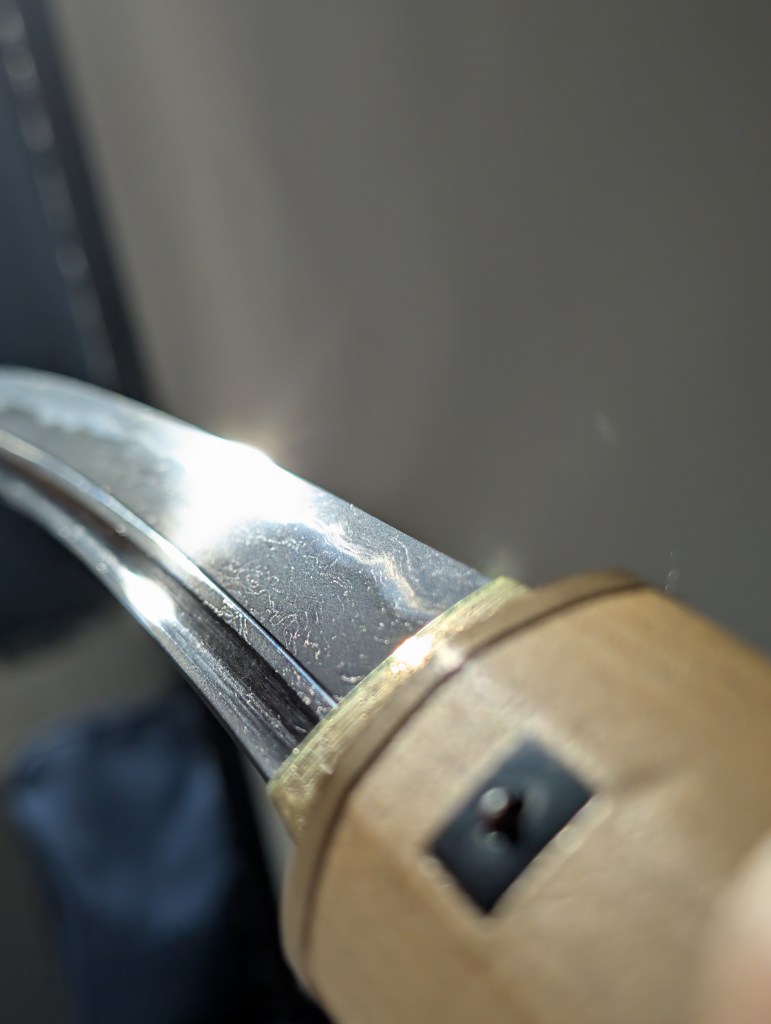
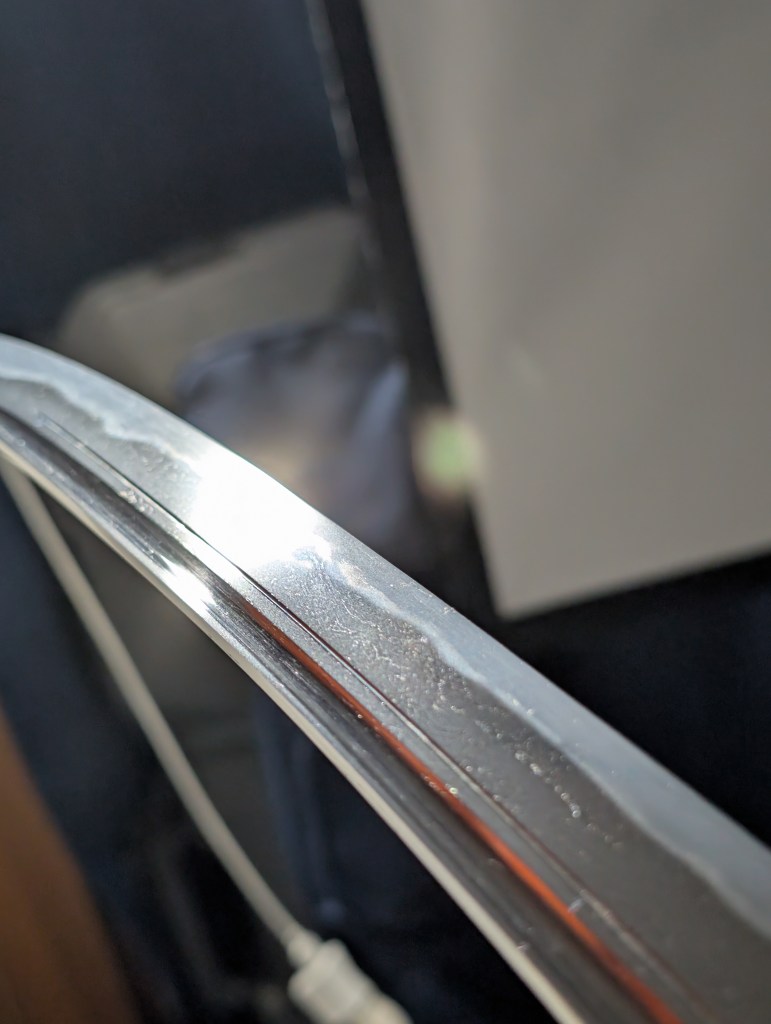
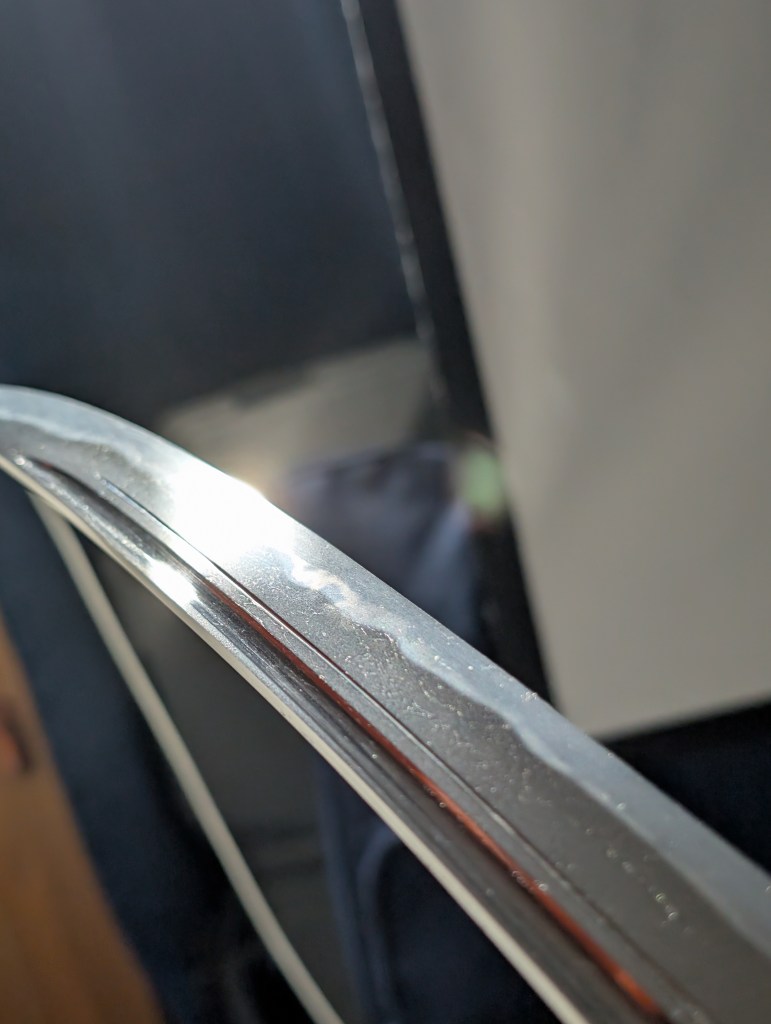
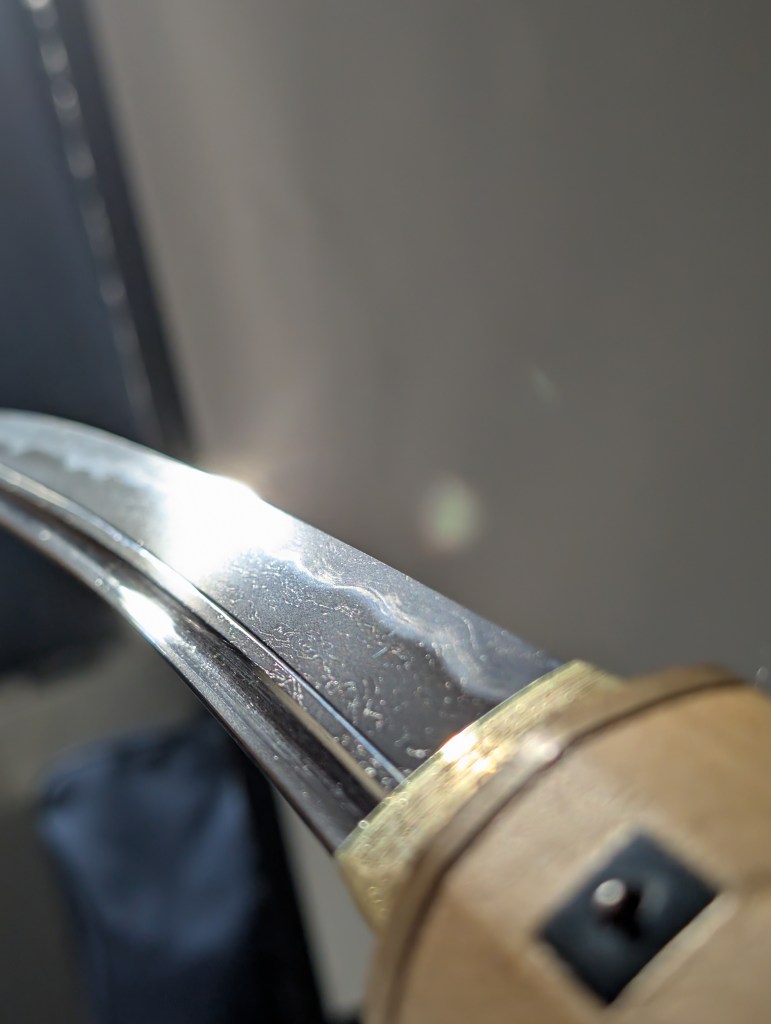
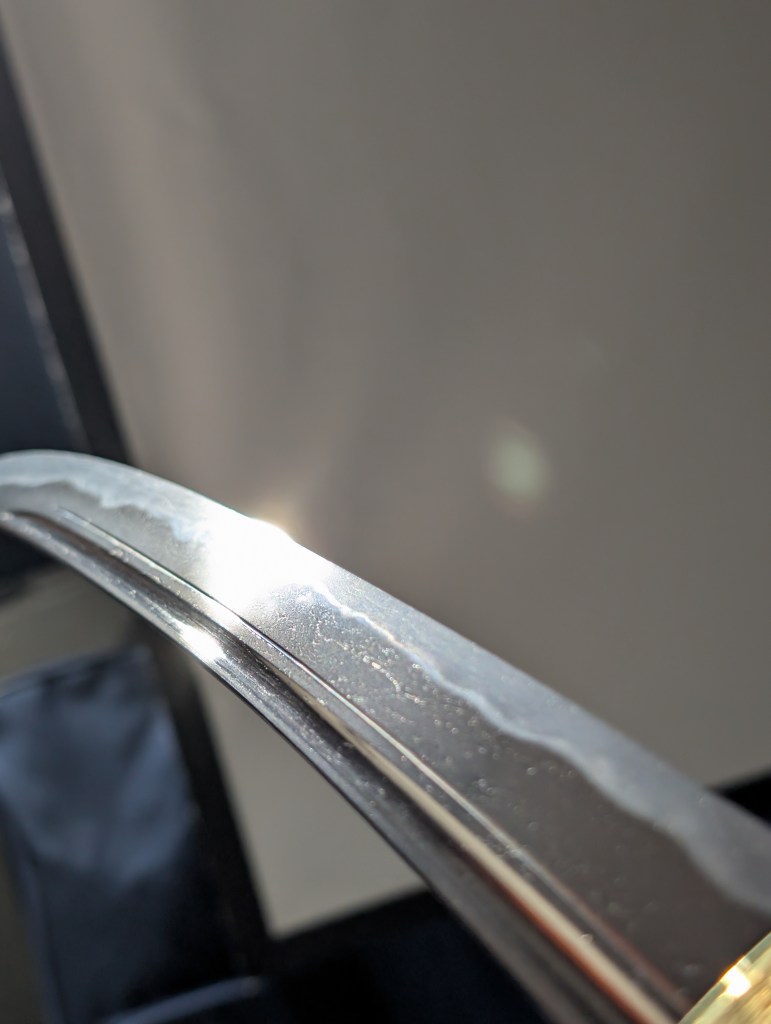
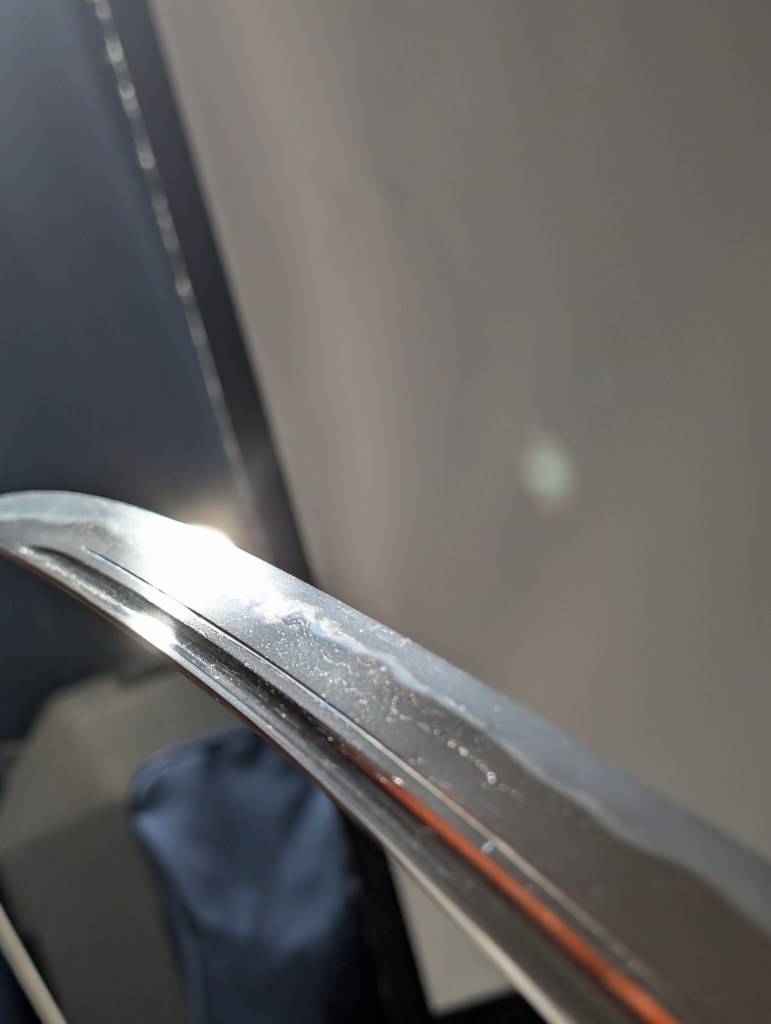
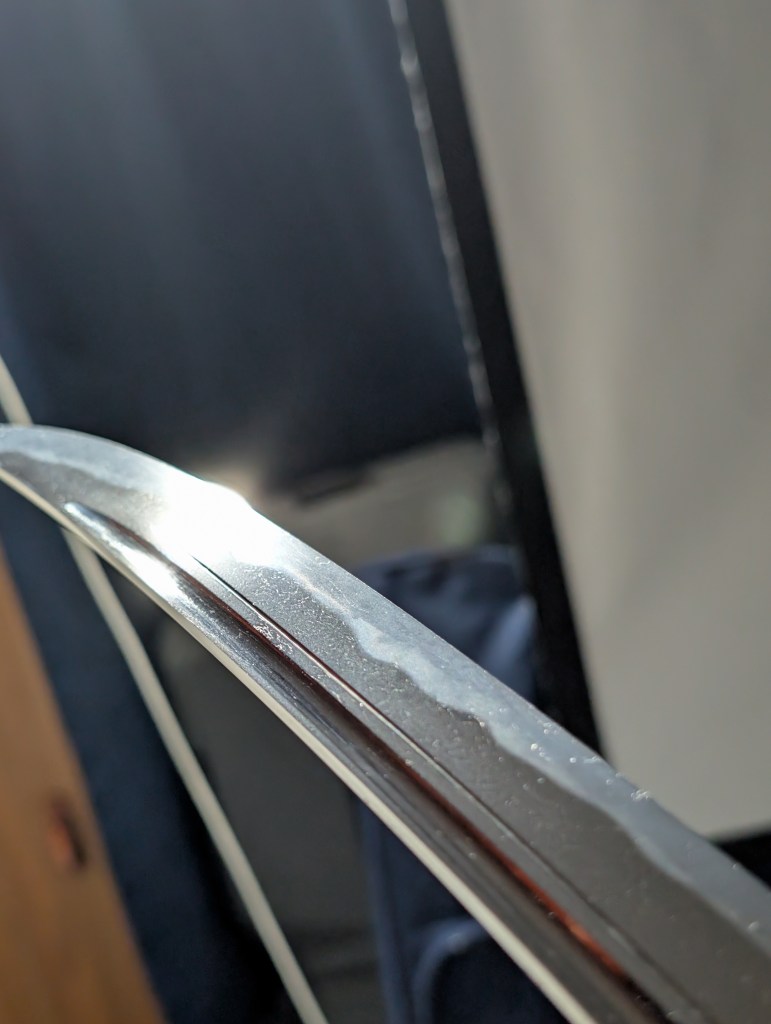
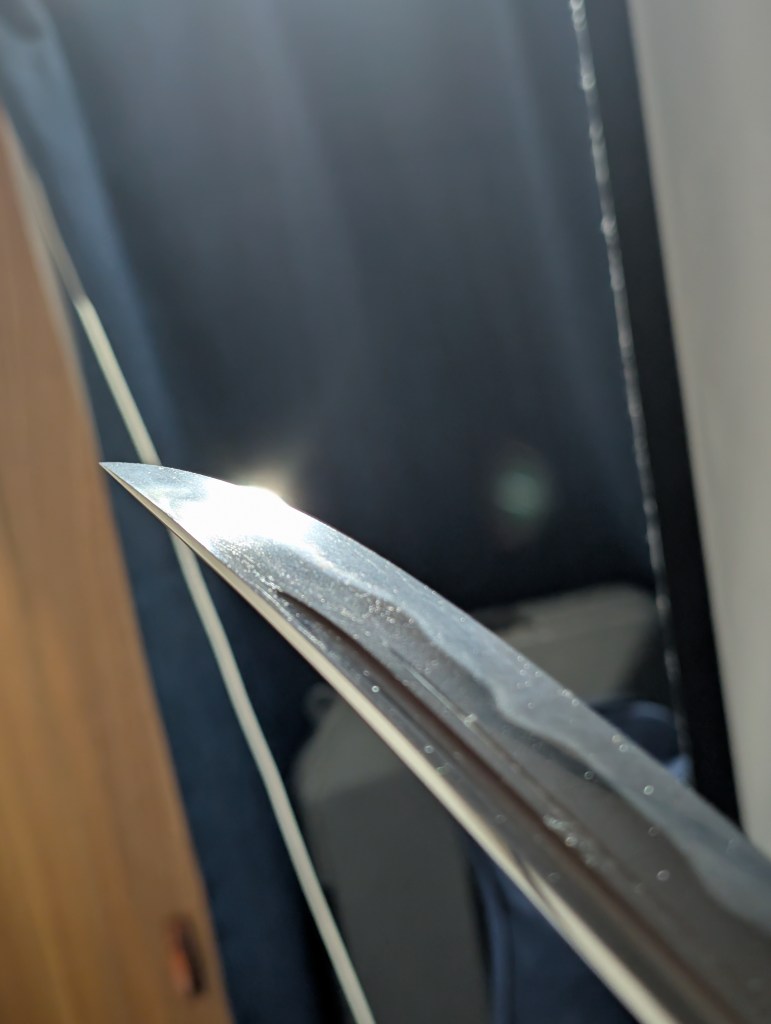
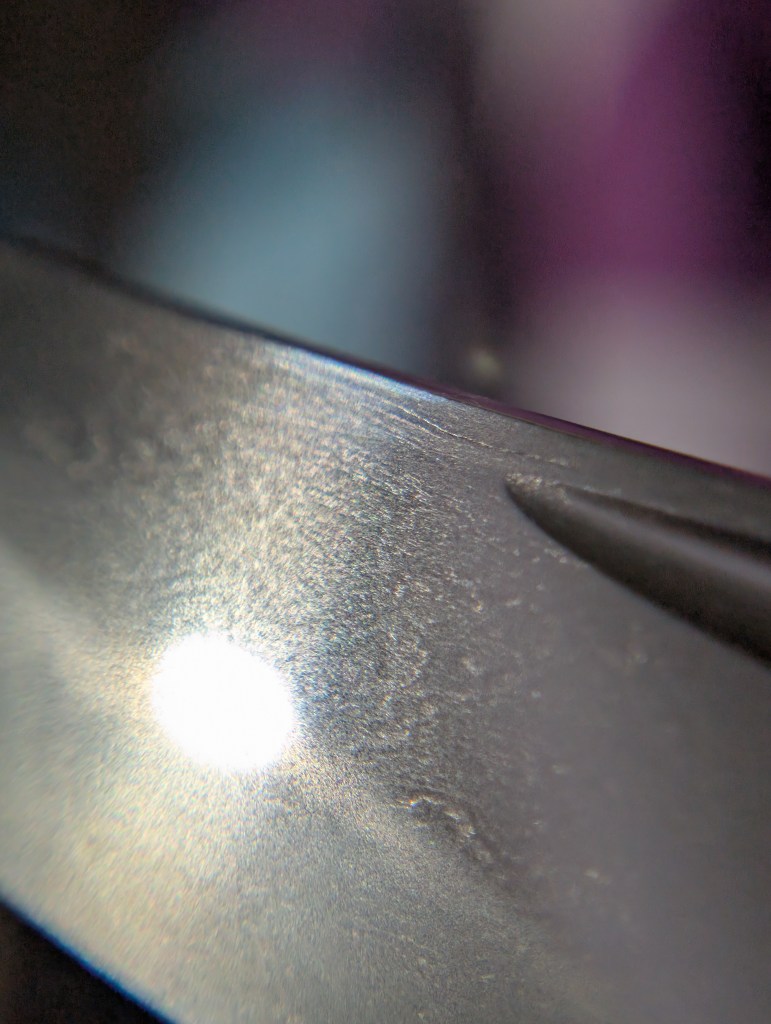
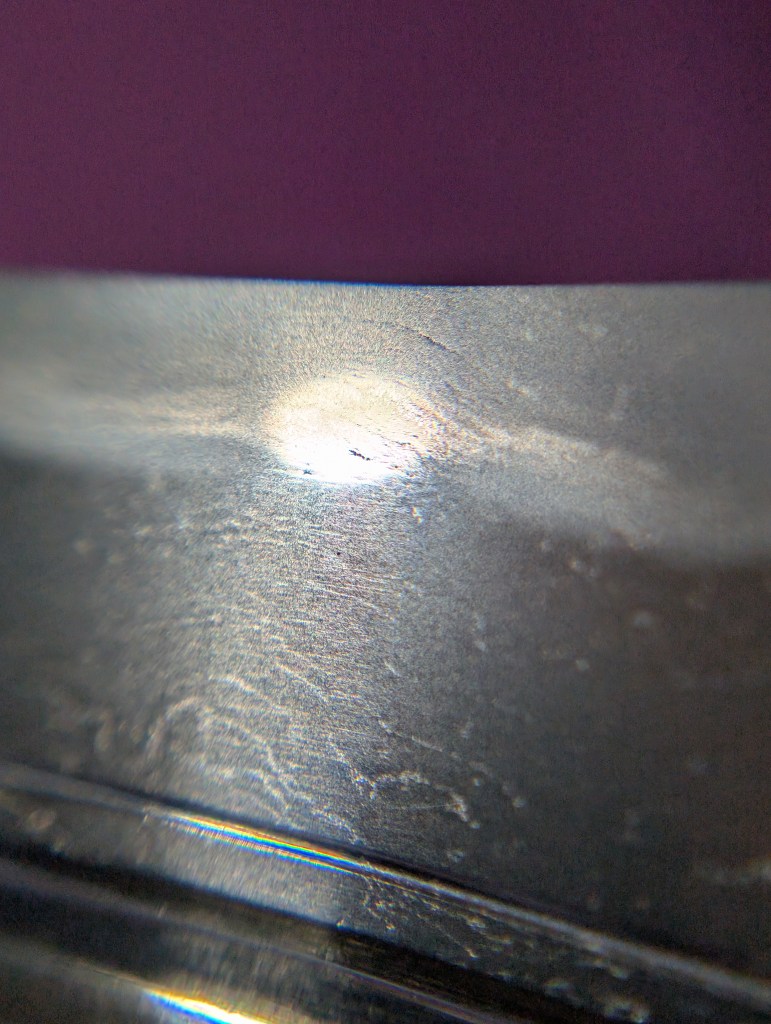
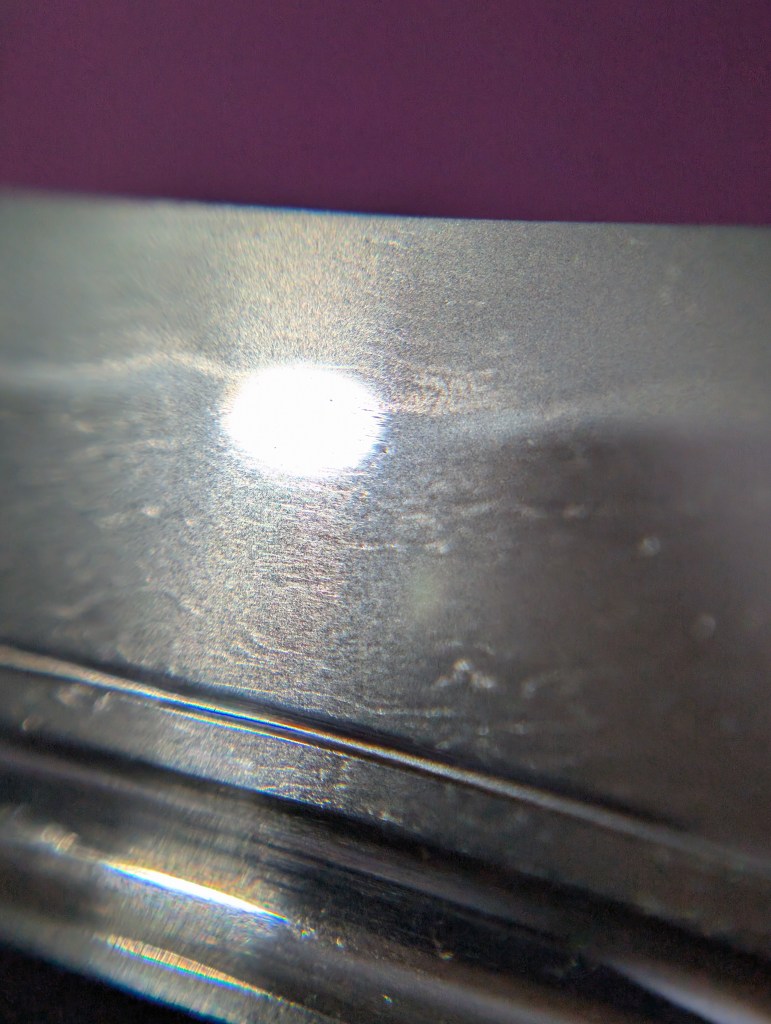
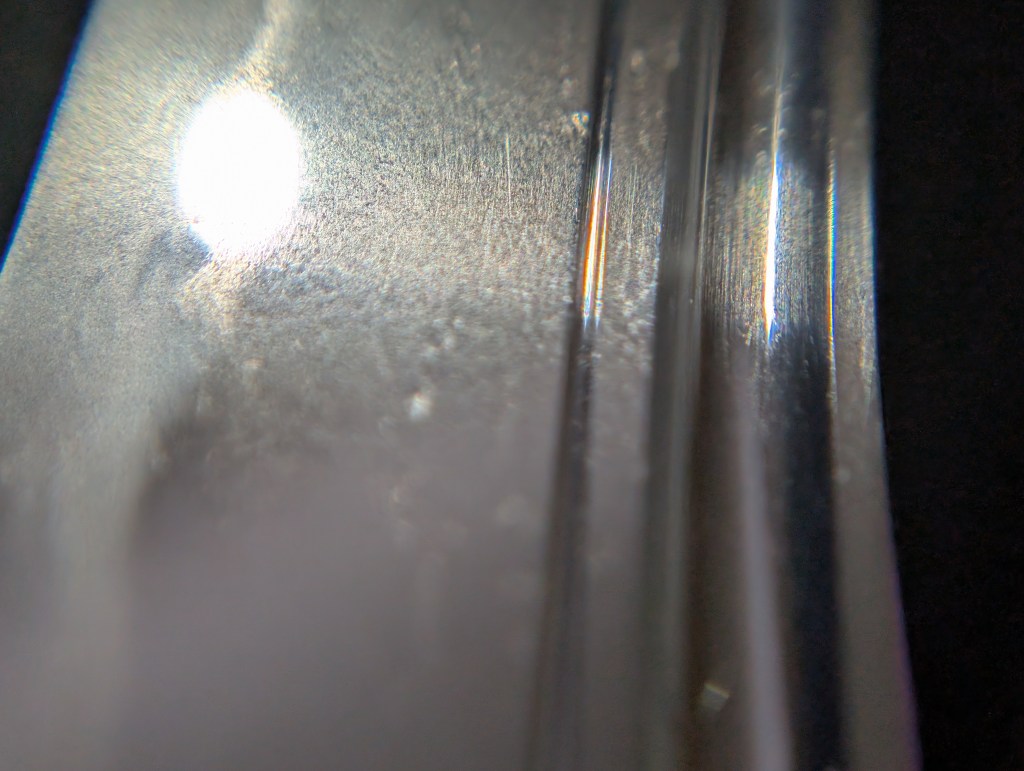
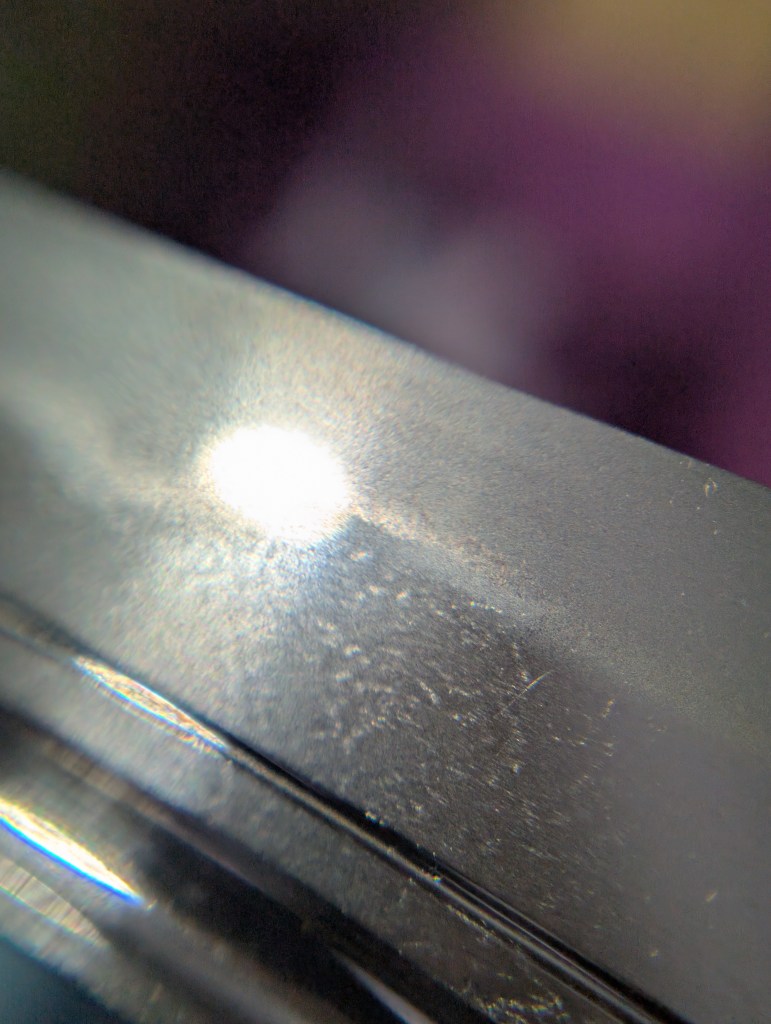
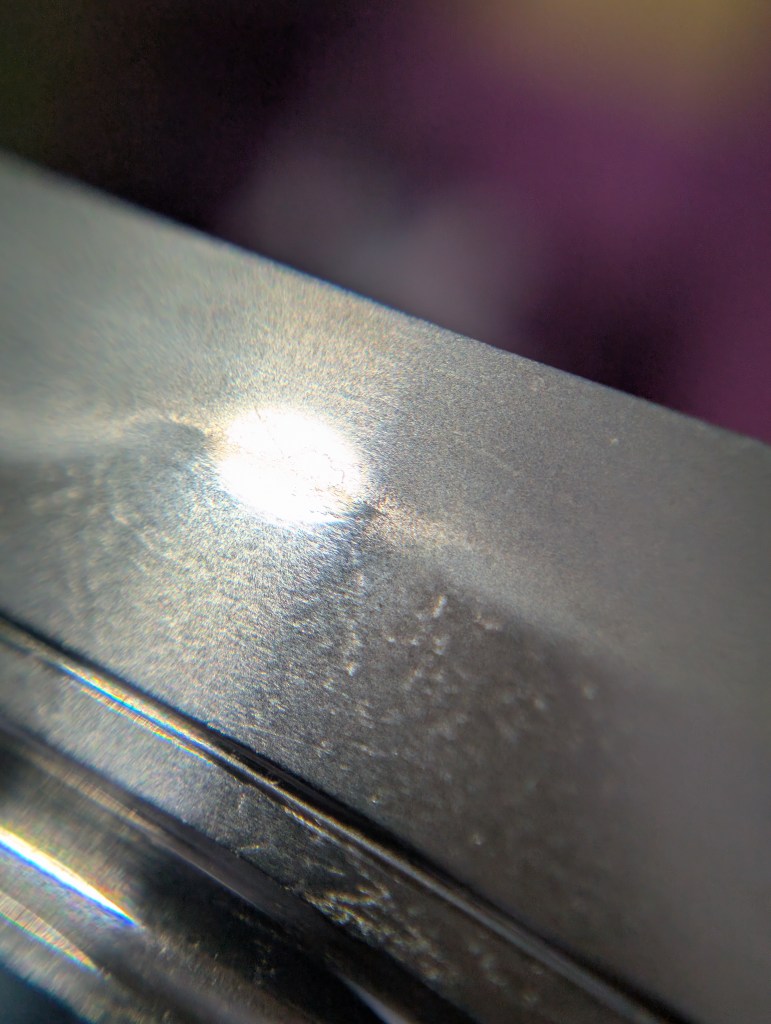
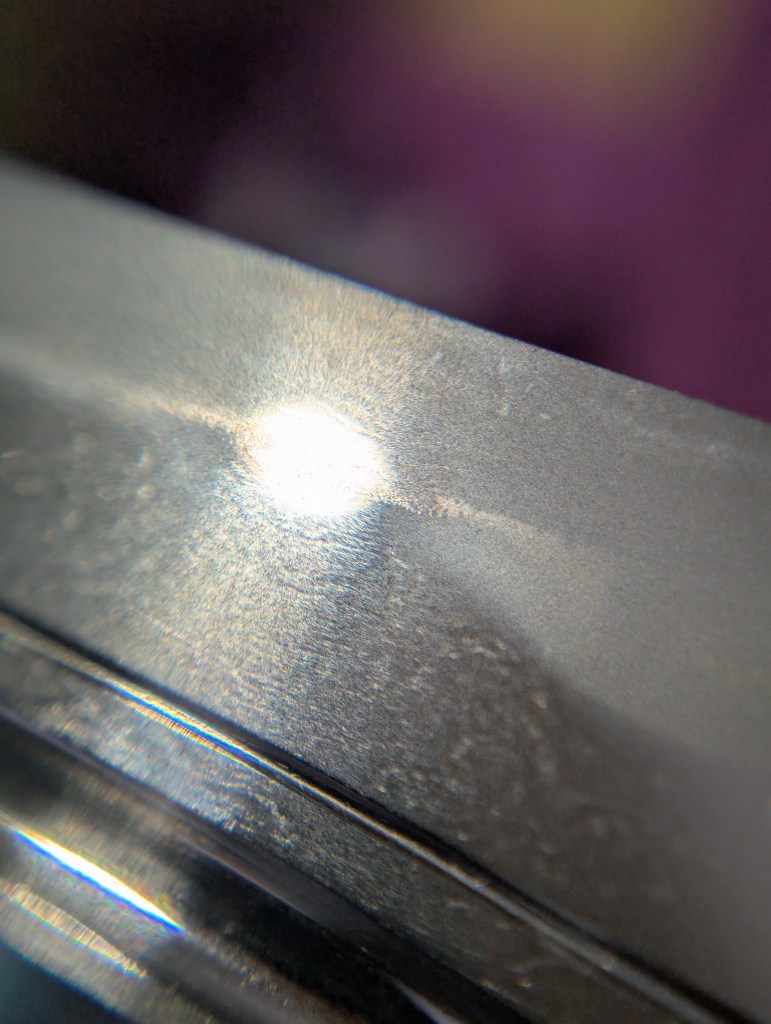
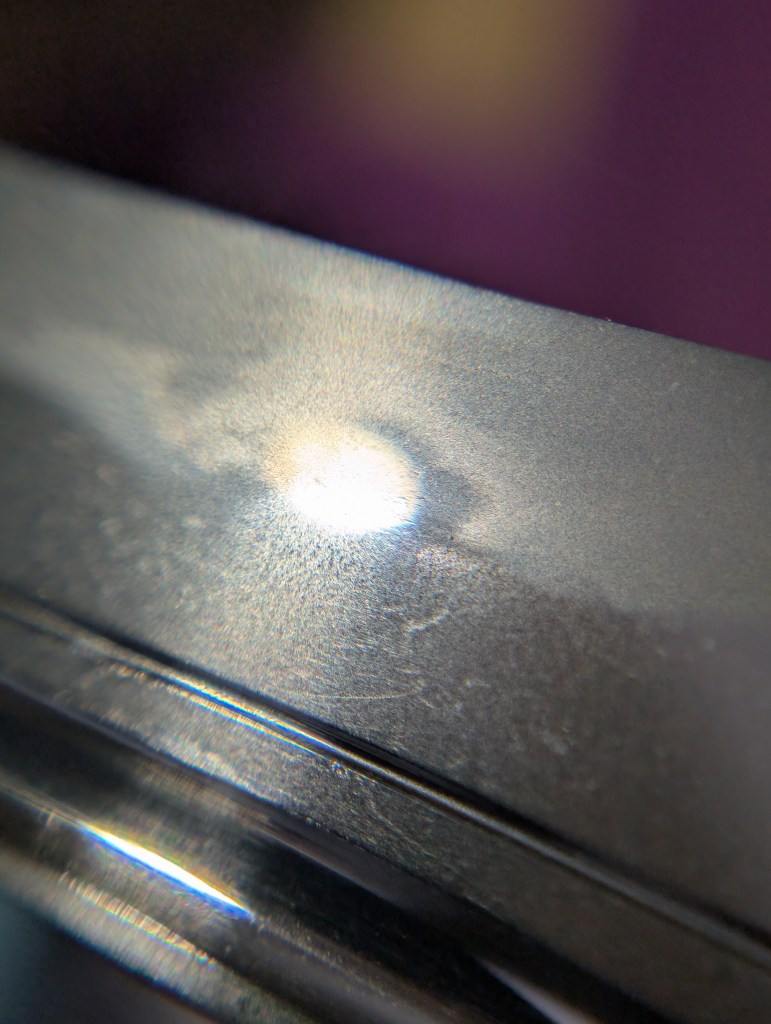
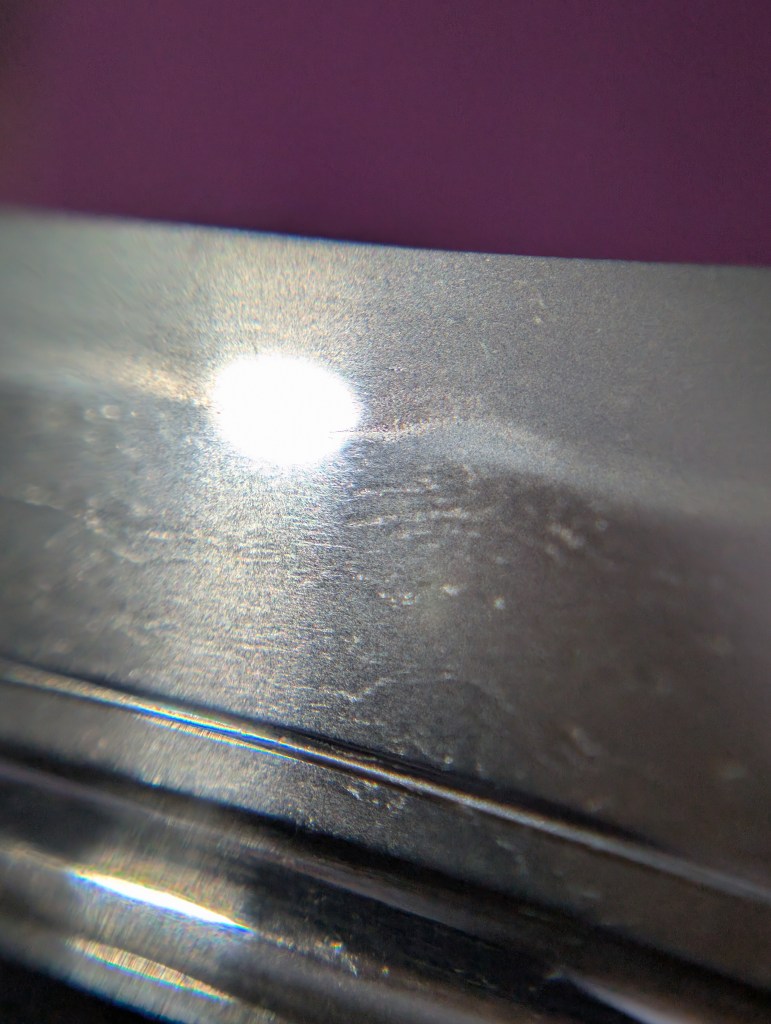
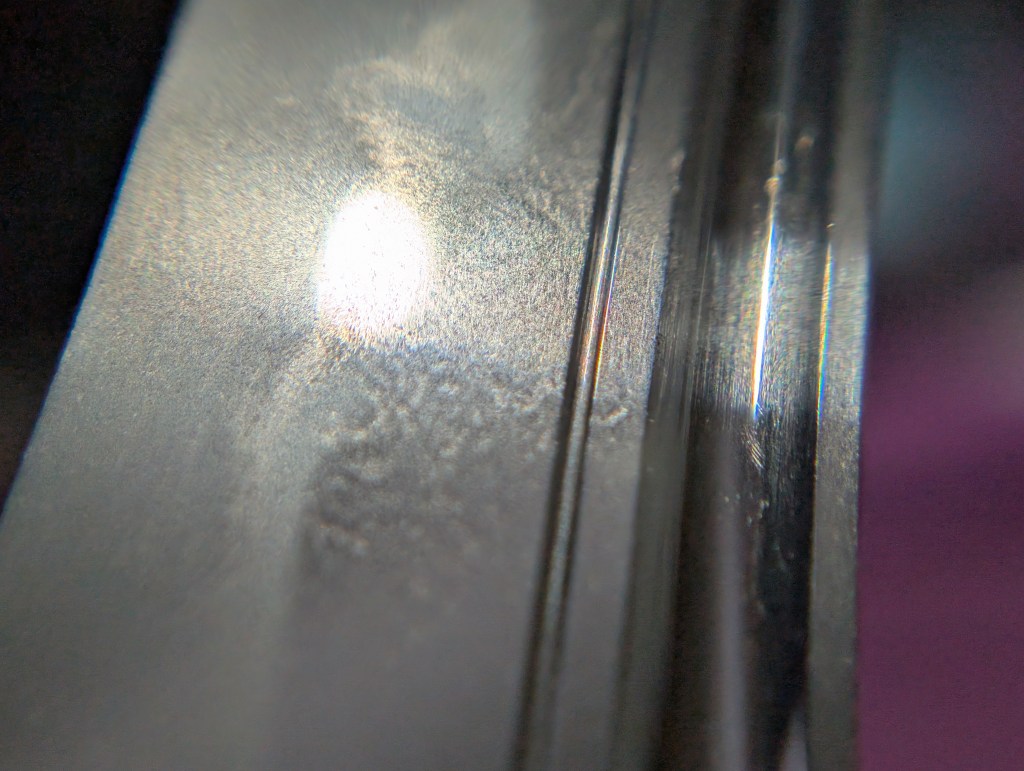
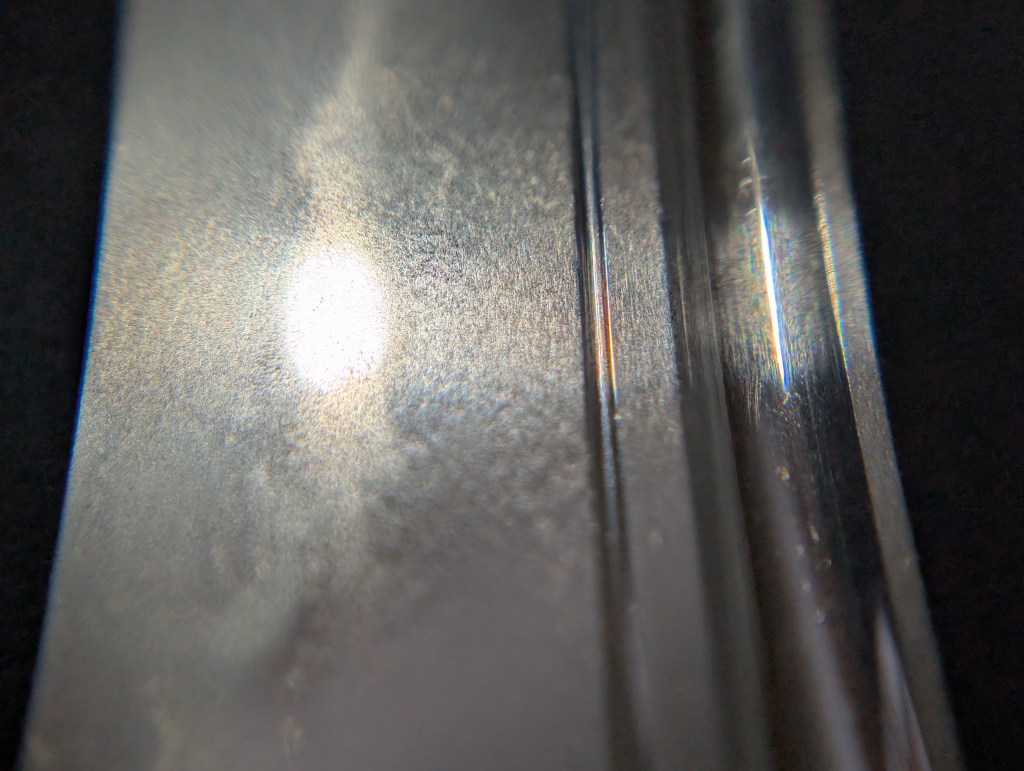
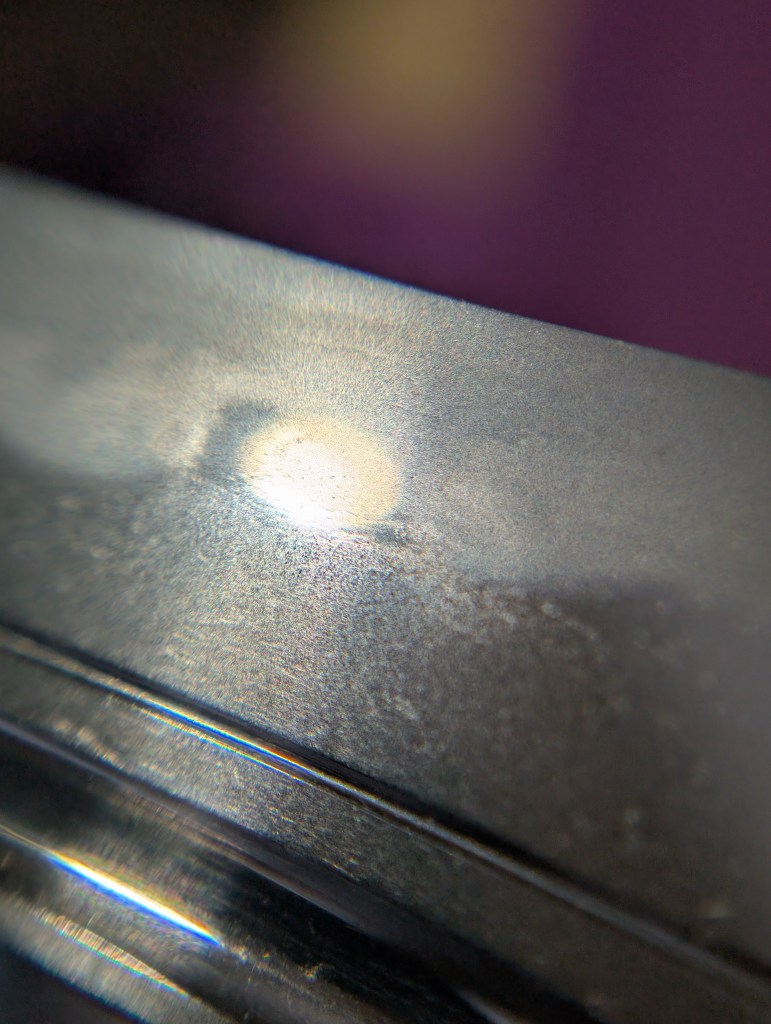
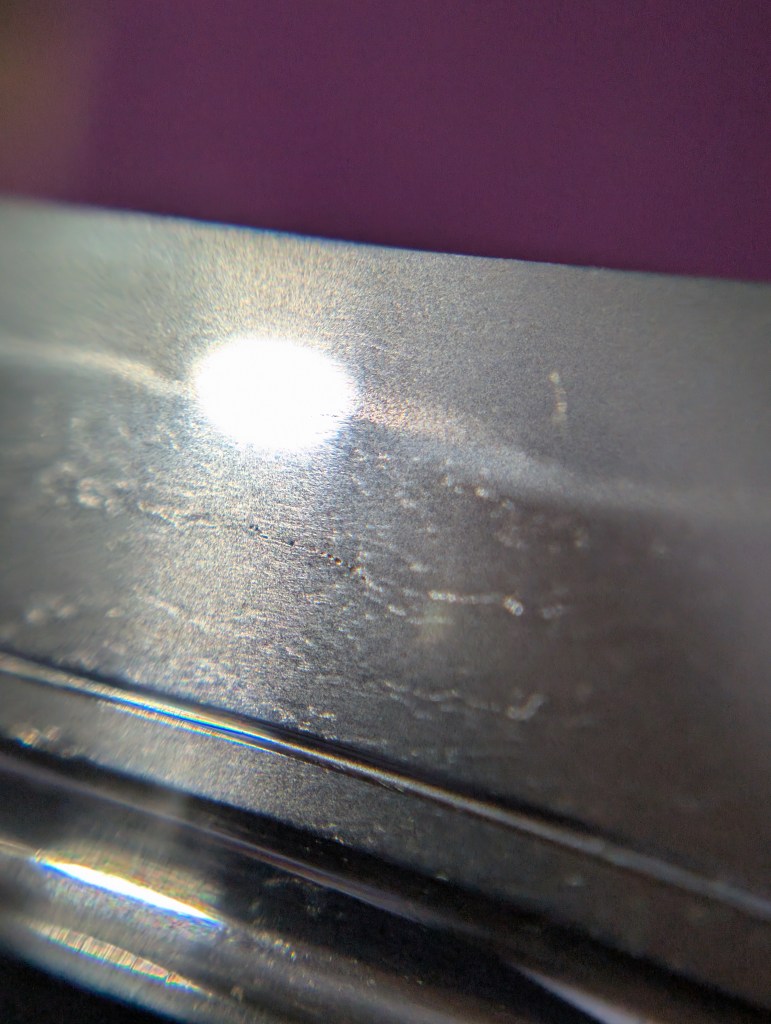
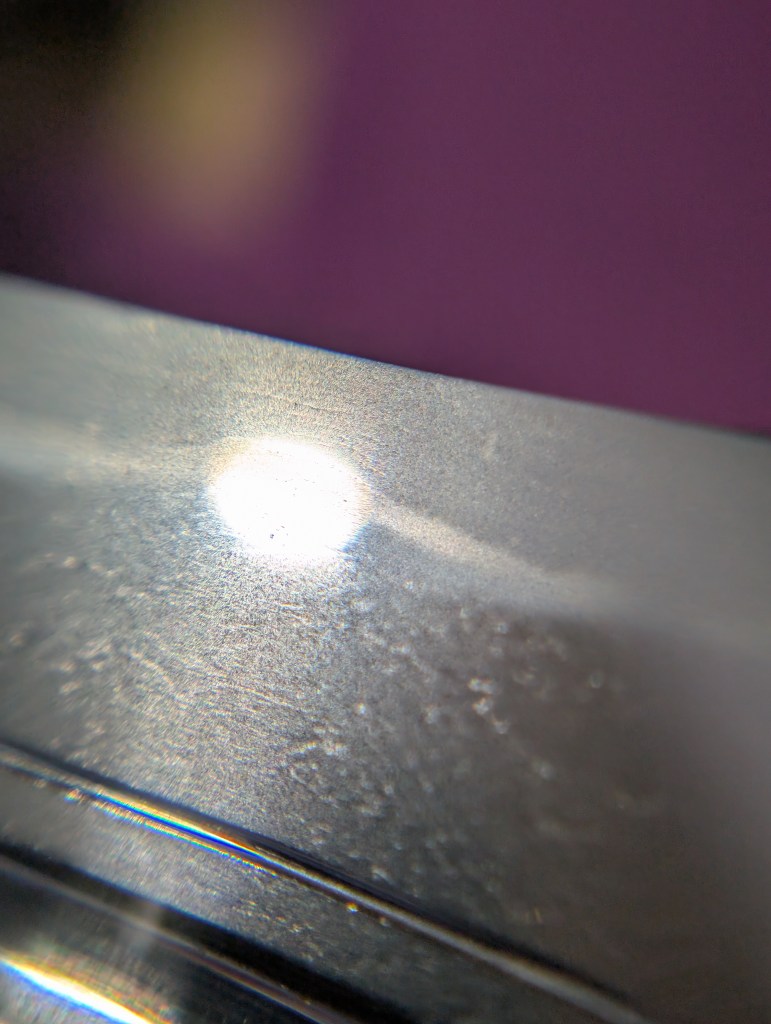
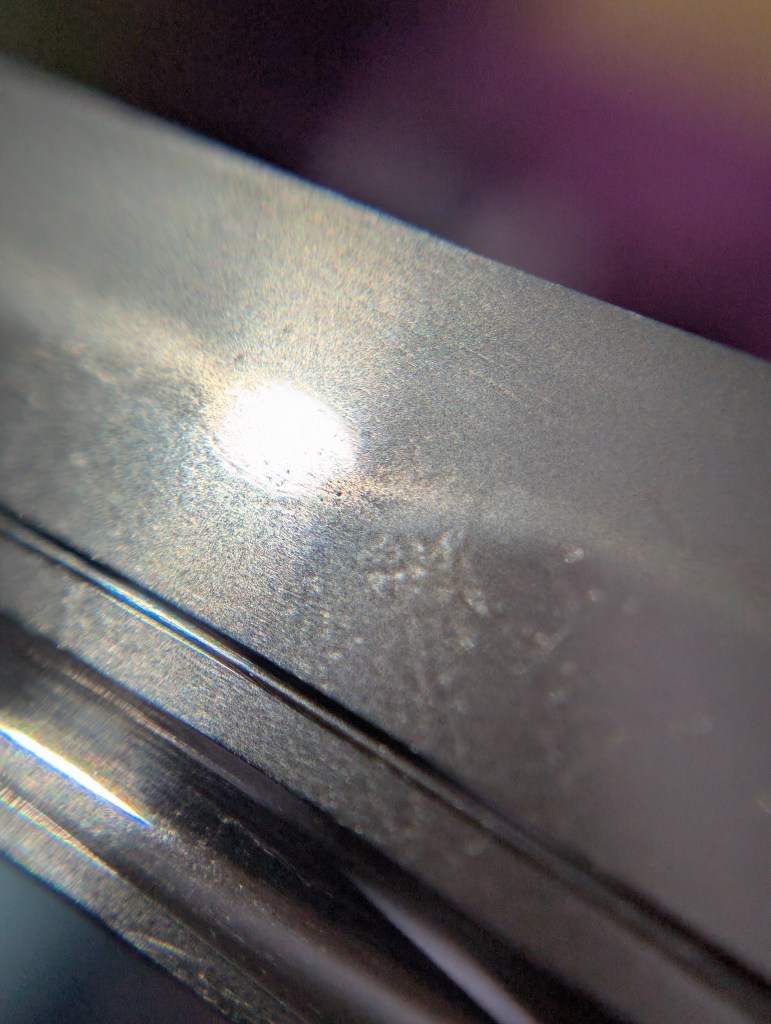
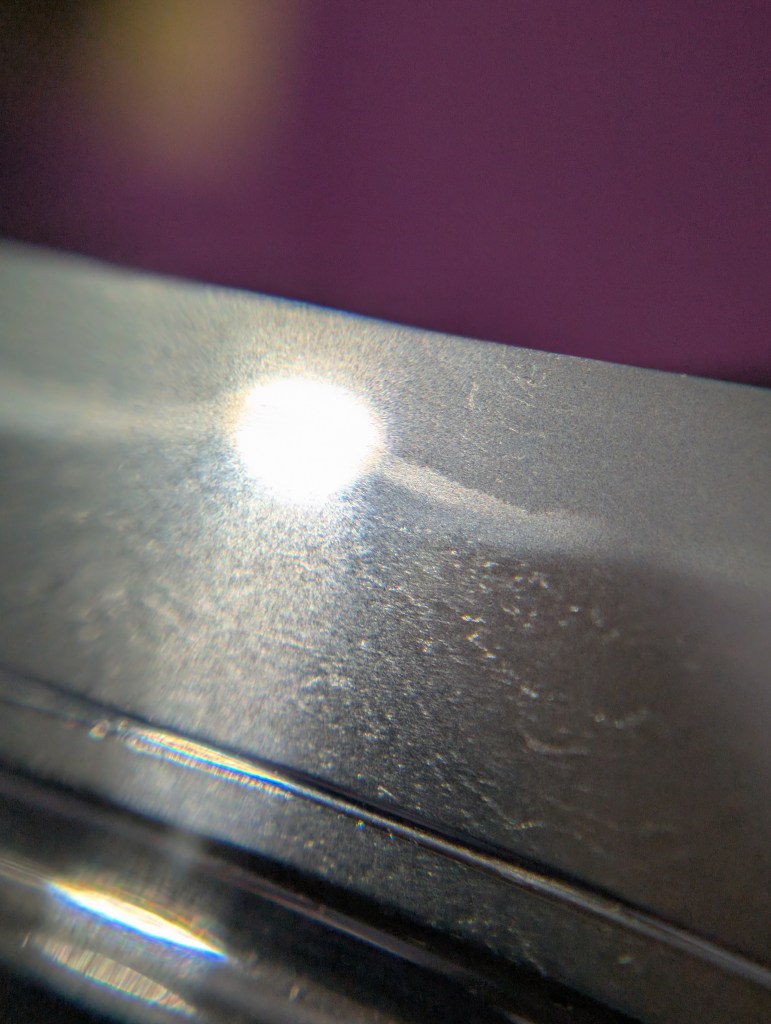
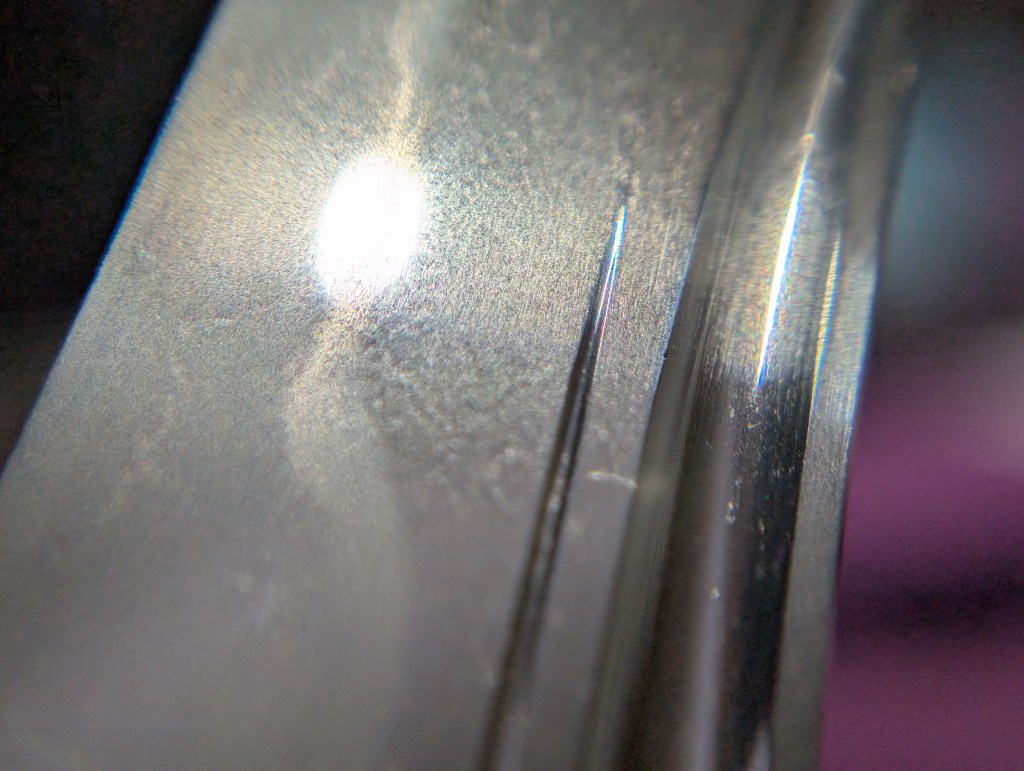
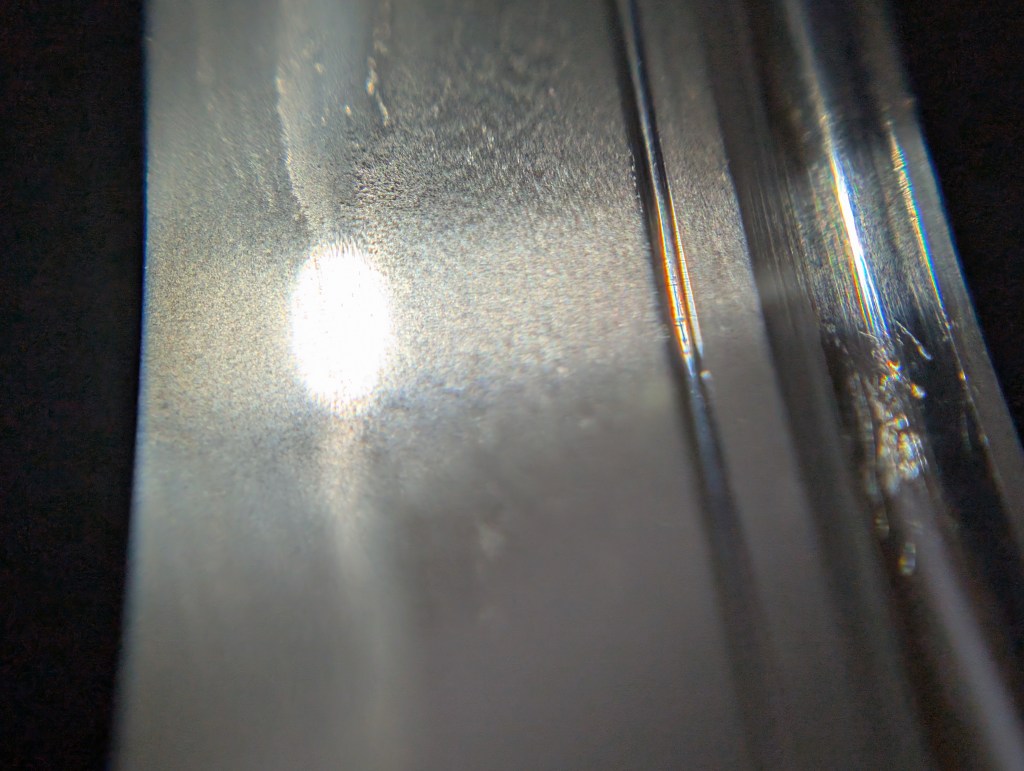
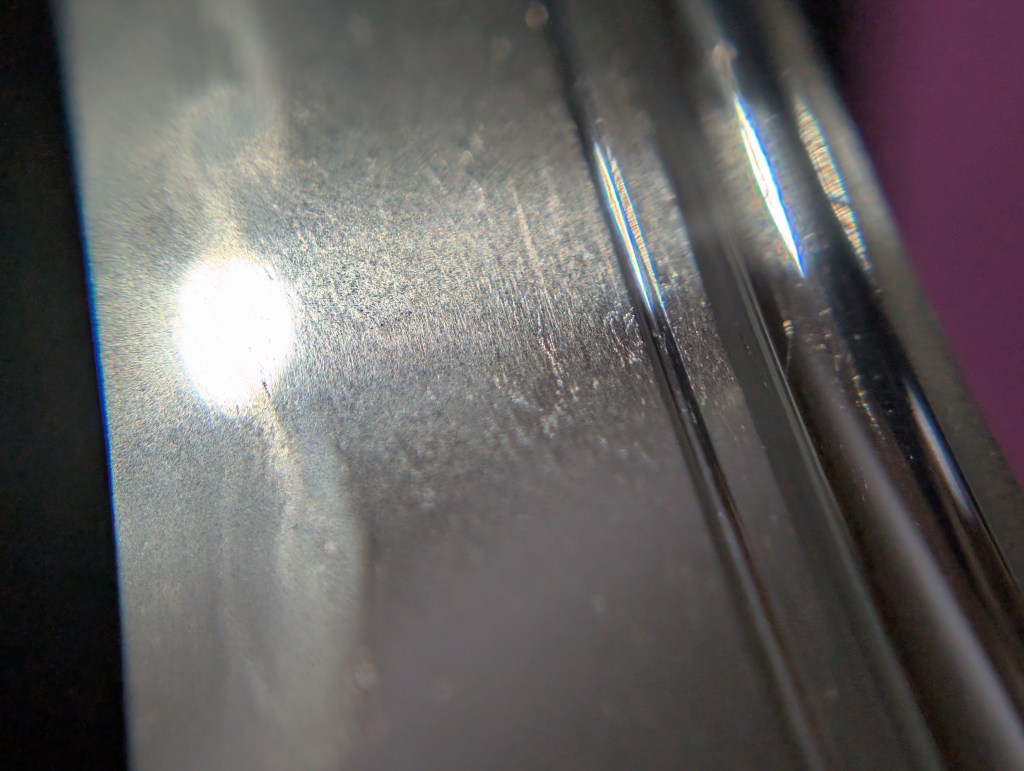
The jiba is extremely bright, being filled with ji-nie, which sparkle and create a whiter surface than the works of Soshu School predecessors, especially Masamune and his disciples. Moving to the cutting edge, the hamon is composed of a gunome-notare-based hitatsura in nie-deki. The hamon begins in a wide, undulating notare before becoming more aggressive by the midpoint of the nagasa, increasing in activity as well. Works of Masahiro are generally lacking in hataraki, although this work is a clear exception, including multilayered sunagashi and faint kinsuji, alongside the typical ashi of various lengths. As a work of hitatsura, occasional tobiyaki are also noted, although they do not sit as high on the ji as examples from his father. This flamboyant temper continues up into the tip of the blade, finishing in a loud midare-komi boshi, coming to an end with a sharp kaeri. With the discussion of the blade’s appearance and metalwork concluded, relevant measurements are listed below.
Measurements:
Nagasa: 34.2 cm (Longer than traditional tanto, leading to the “sunnobi” classification) Sori: 0.8 cm (Rather defined for a tanto of any age) Motohaba: 2.82 cm Sakihaba: 2.12 cm (Particularly wide at the tip, as is expected for Nanbokucho work) Motokasane: 4.9 mm Sakikasane: 3.1 mm The nakago of the blade is nakago-naoshi with a kiri-jiri tip. Due to the straightening of this blade’s tang, any signature that may have been on this blade has been removed. The remaining tang has three mekugi-ana, indicating a history of changing fittings, implying centuries of care and valuation of the dagger.
The blade’s shape is in hira-zukuri, with a mitsu-mune. This is the most common shape for the smithing of tanto, originating from the late Heian Period and continuing into the modern day. Despite this fact, through differences in the dimensions of the blade, the sword’s period of smithing can be determined, namely, due to its wider frame and pronounced curvature, which are emblematic of the period. Besides period differences, the shape of this blade is also accentuated through the inclusion of a tasteful bo-hi and soe-hi engraving along the length of the blade.
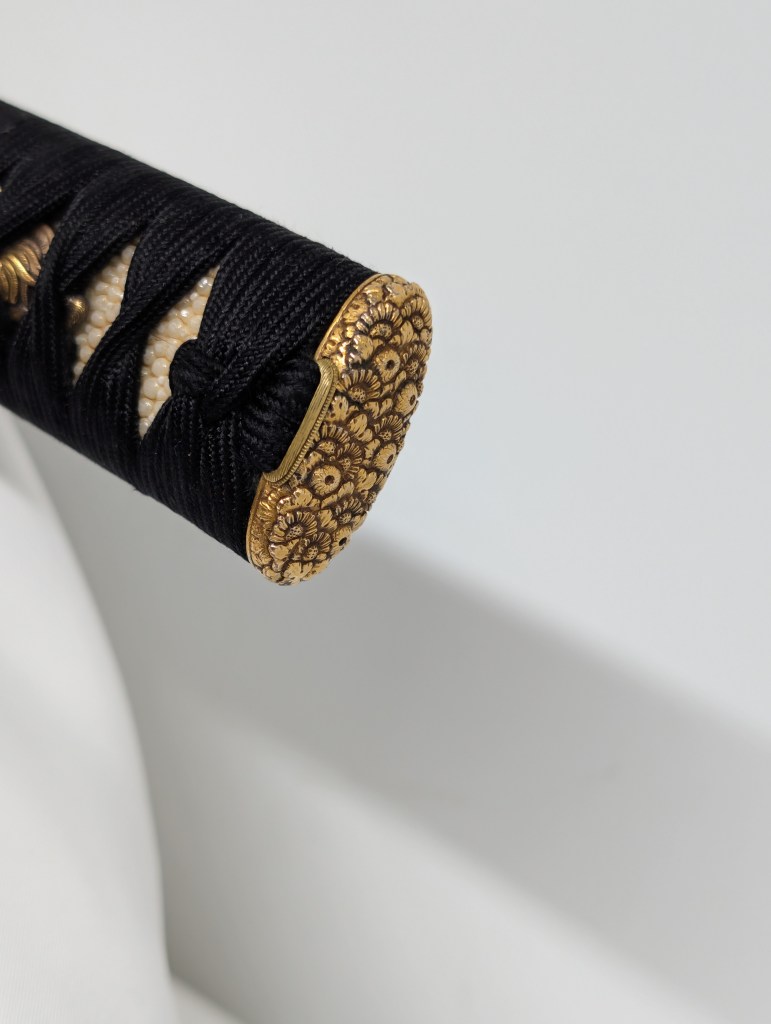
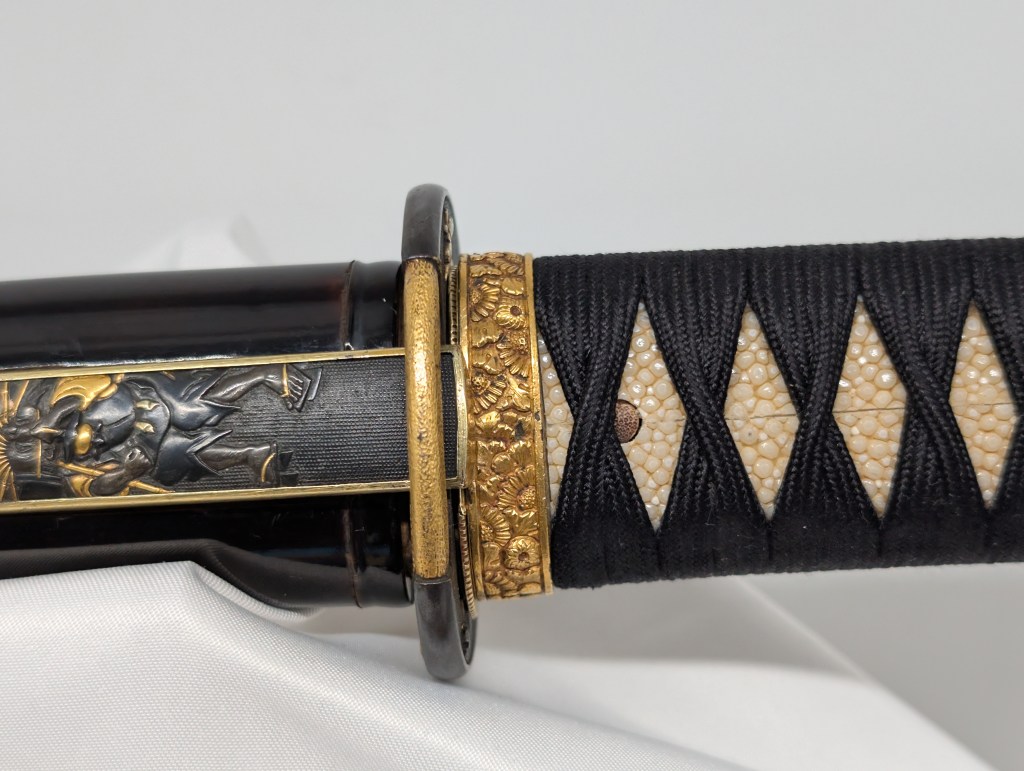
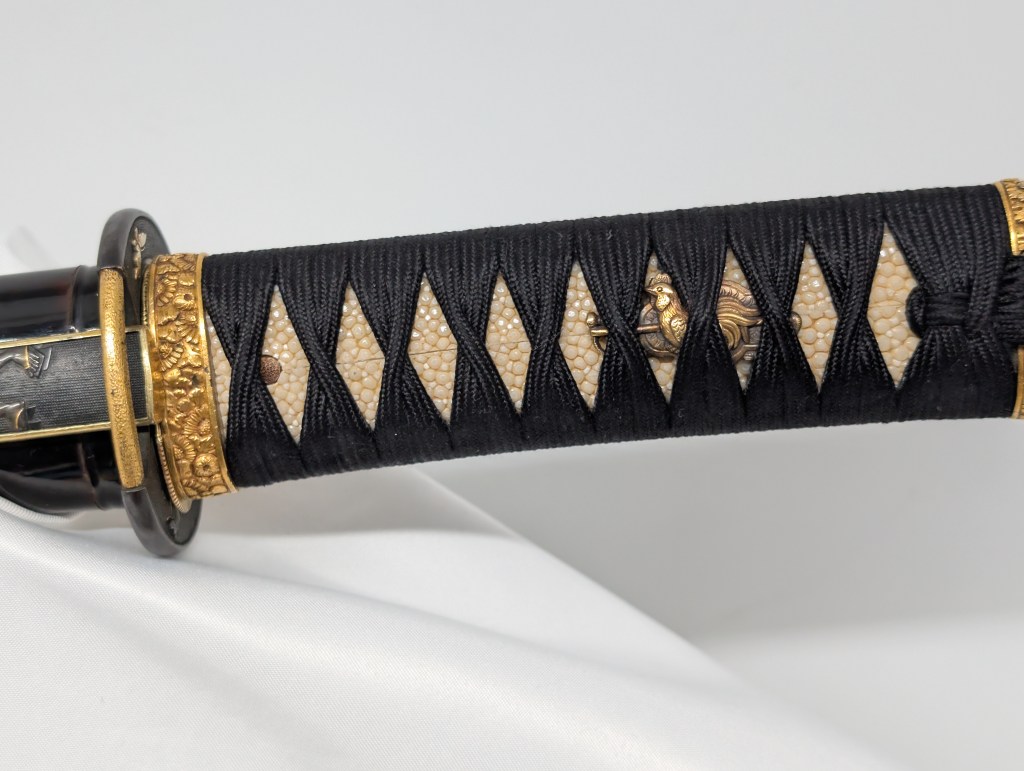
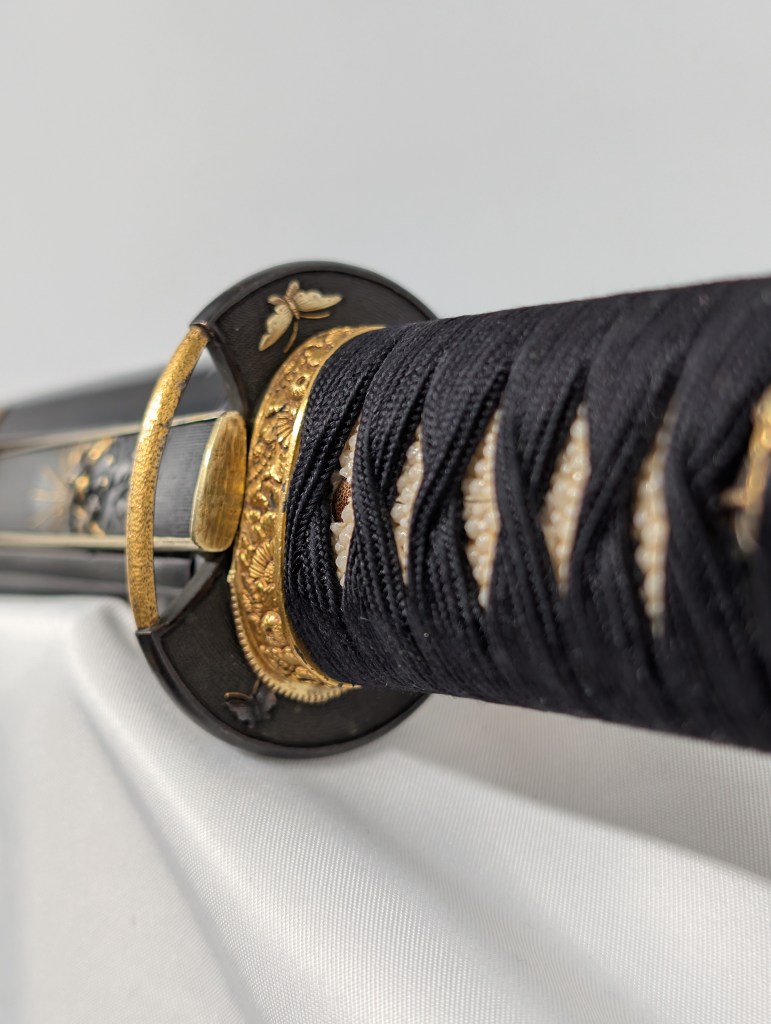
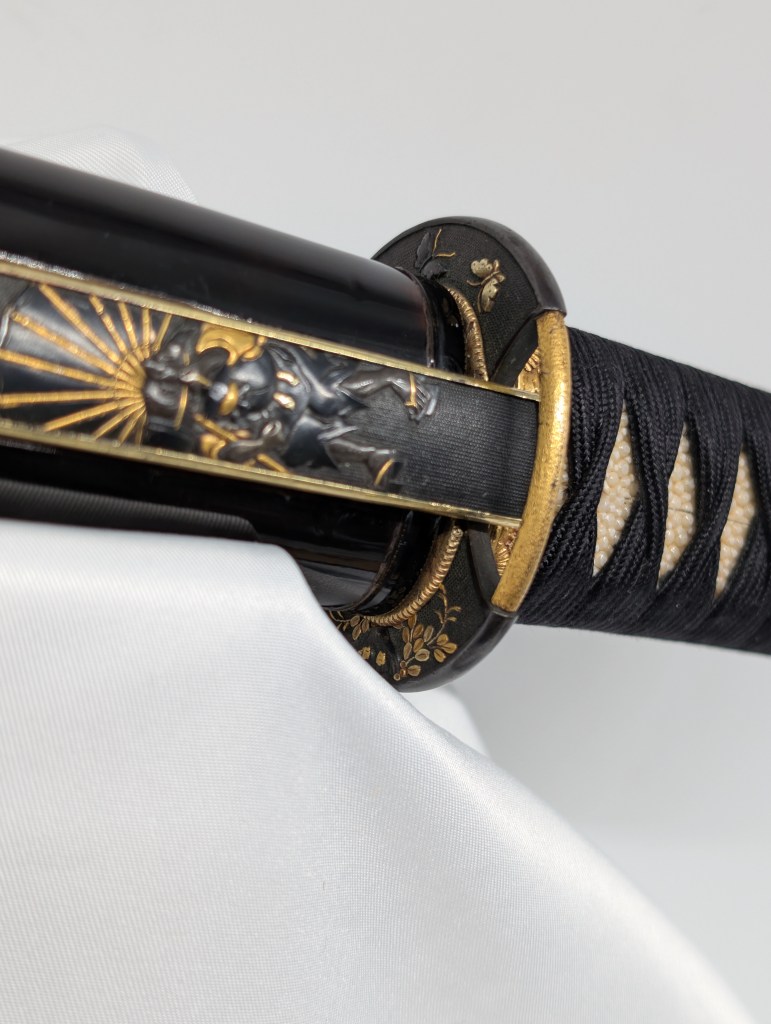
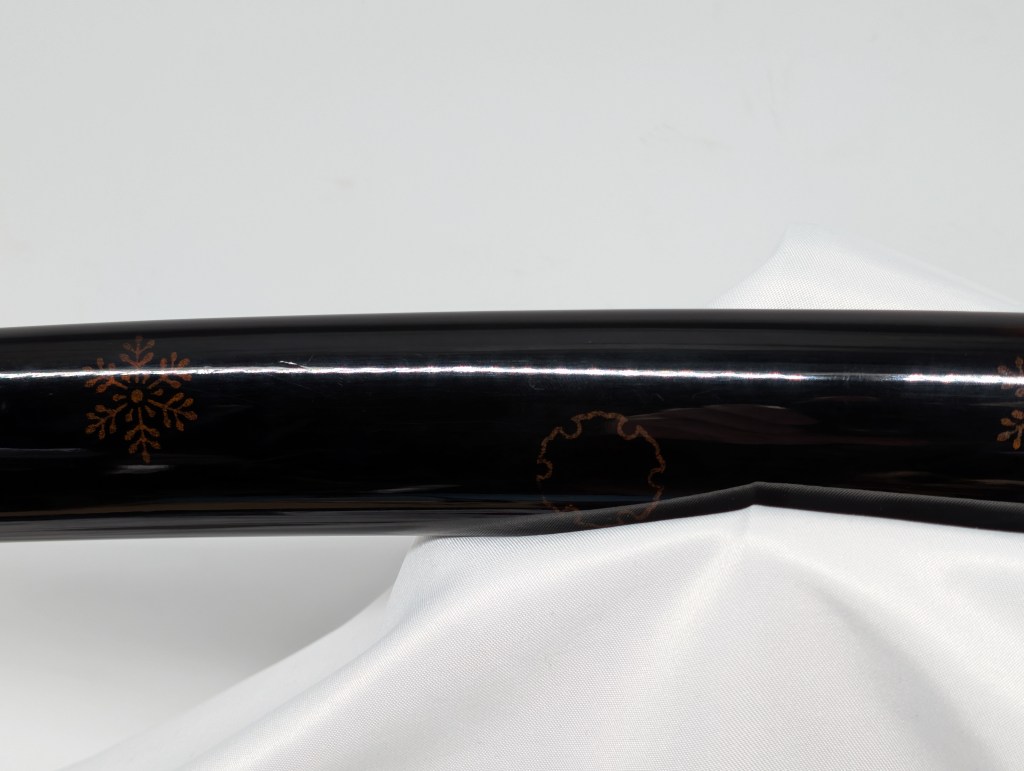
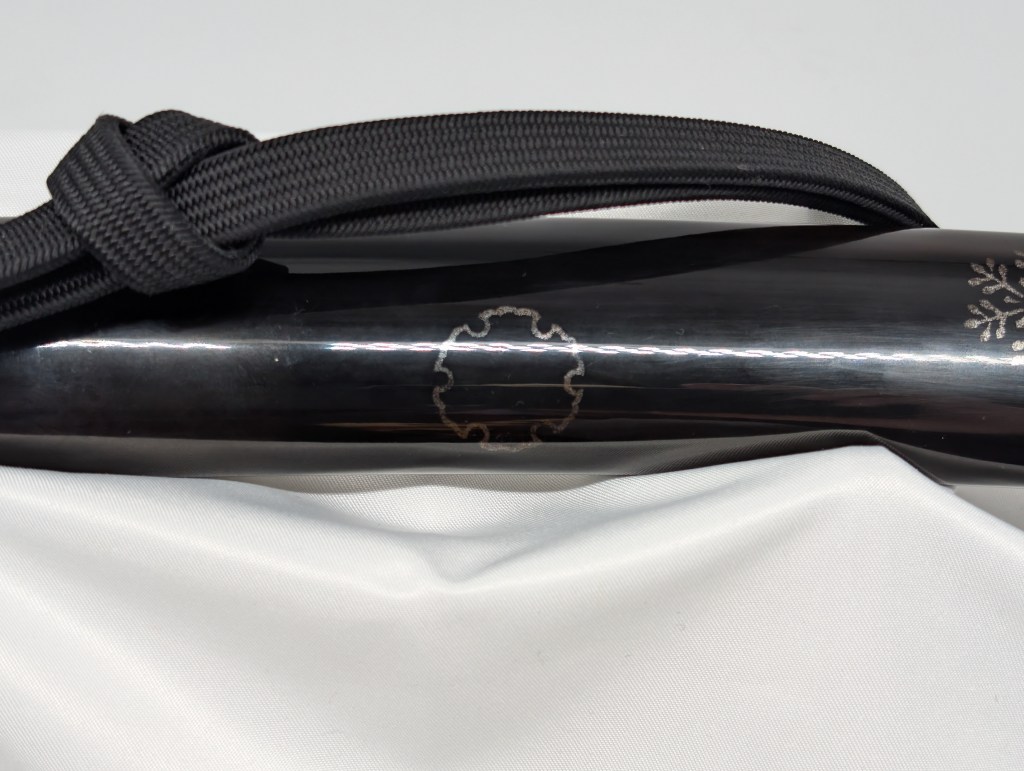
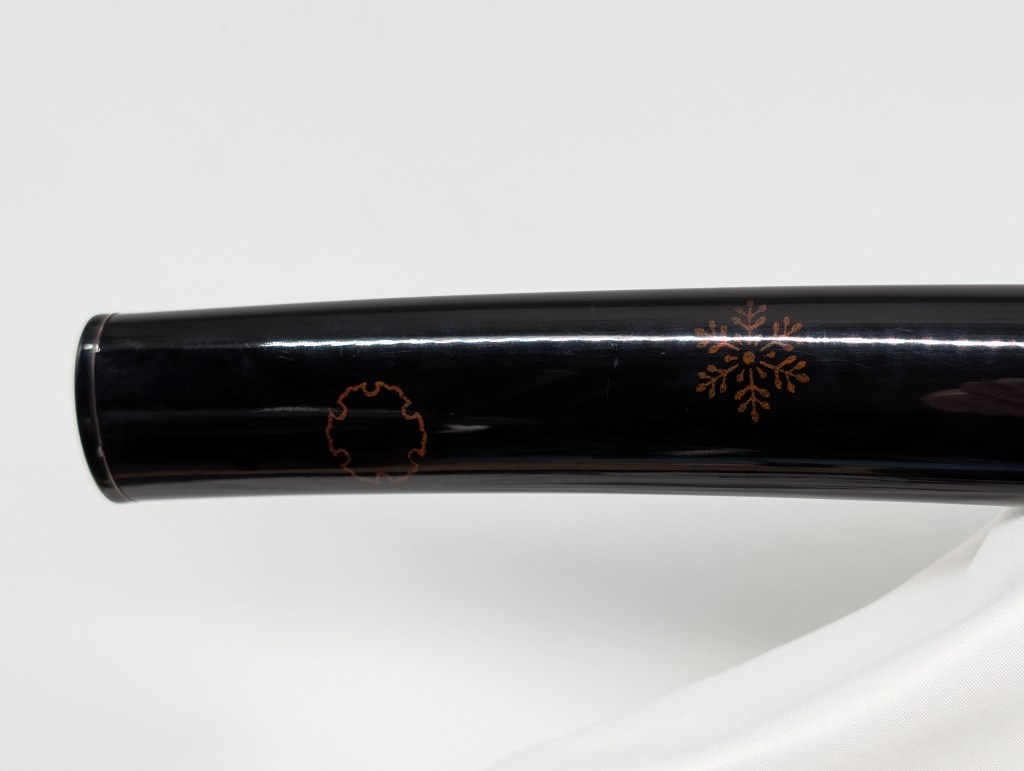
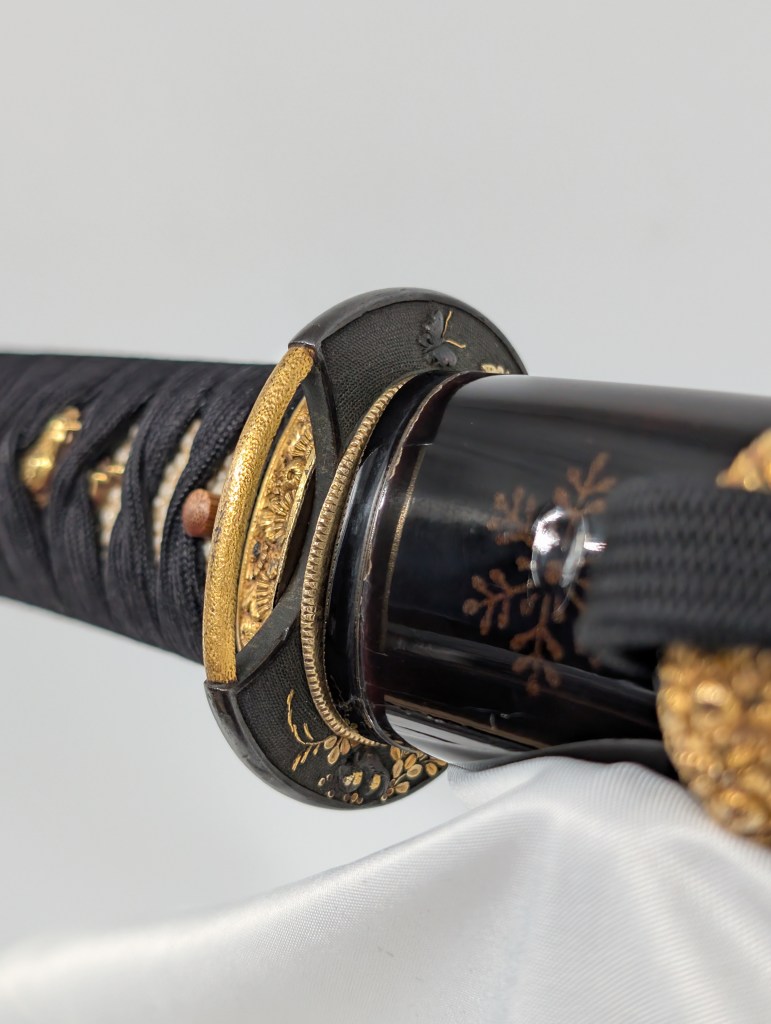
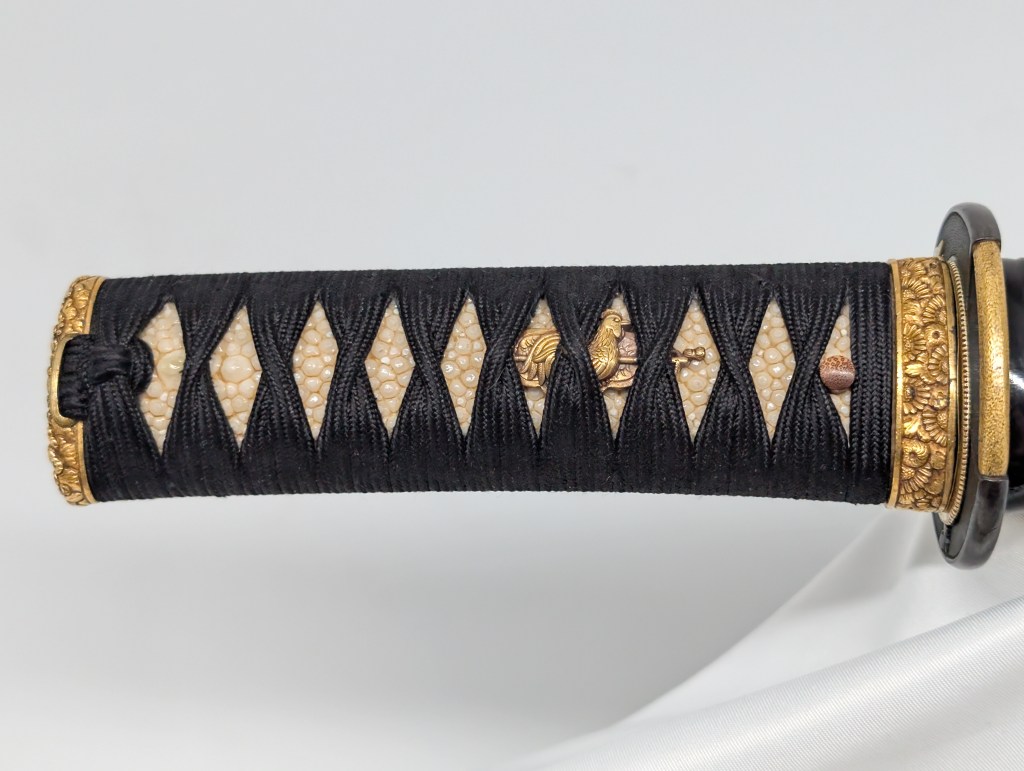
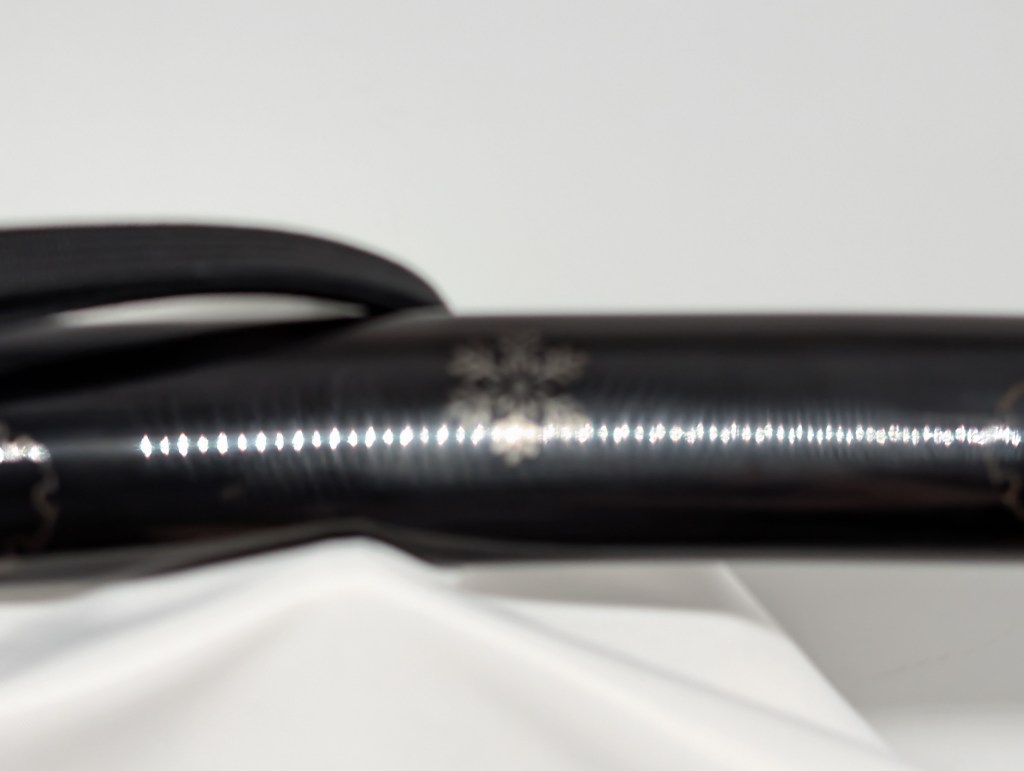
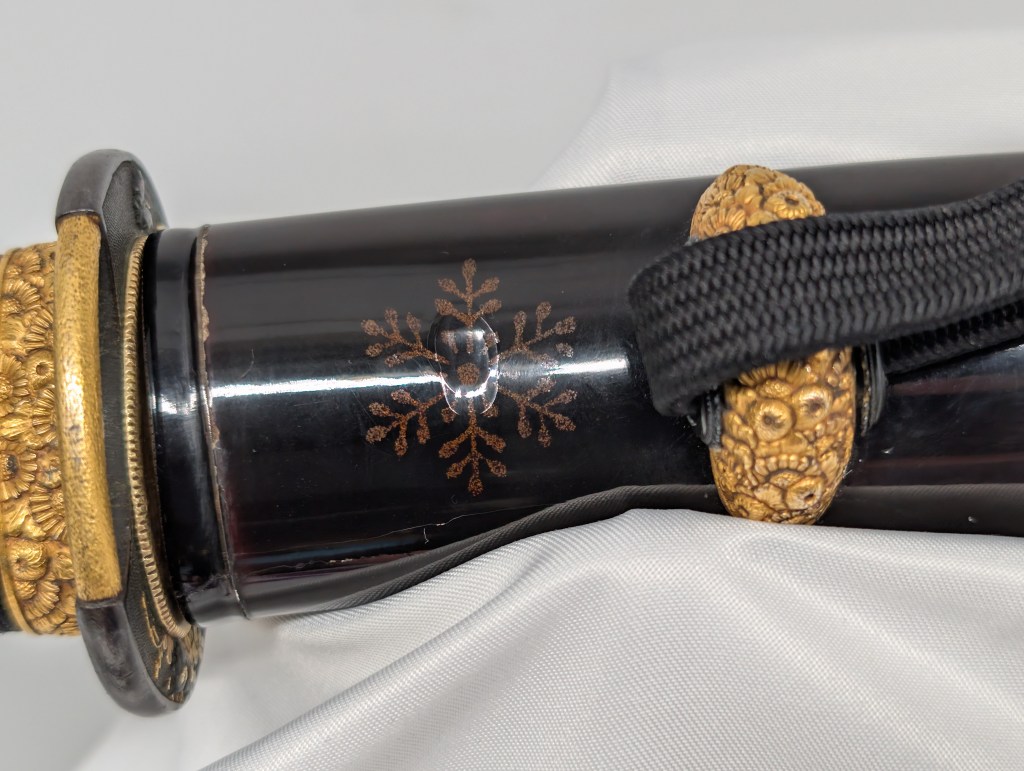
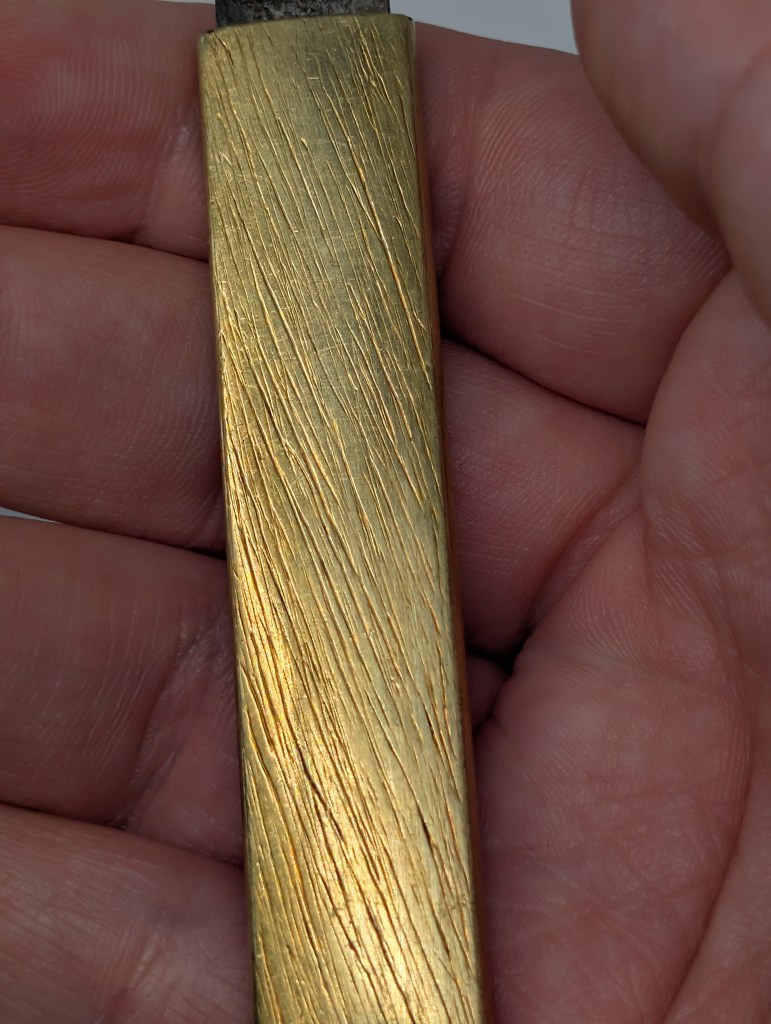
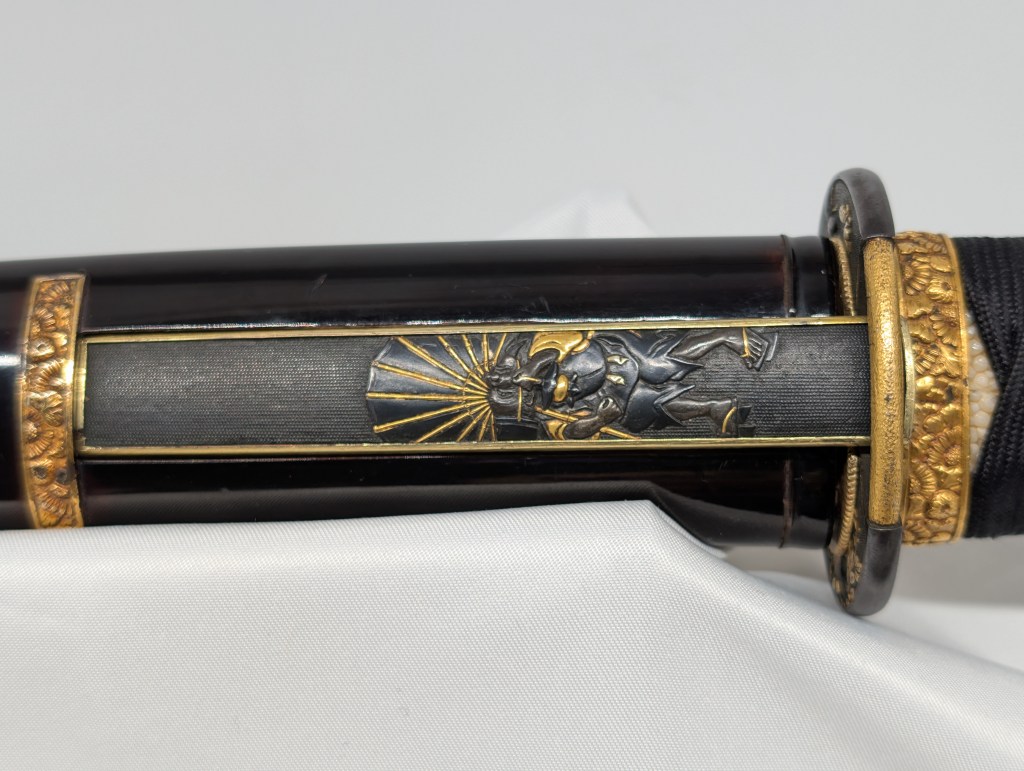
The blade is rated “Hozon” by the NBTHK, indicating that the blade has a baseline quality that is expected for a Japanese sword. Furthermore, the appraisal establishes an identity for the swordsmith, alongside a timeframe during which the sword was forged. Although the lowest rank for a Japanese sword, the rank is a floor, rather than a ceiling, opening up higher avenues of appraisal. Included with this blade is a set of i-ssaku tanto koshirae crafted by the Goto School in the mid-Edo Period. The scabbard is finished in a gorgeous kuro-urushi lacquer, which is accentuated nicely with the inclusion of gold “Sekka Monyou” (snow-flake) motifs. Finishing the saya are matching kojiri and koiguchi, which are carved from black horn, fitting the monochromatic theme of the fittings. Moving to metal accessories, the ko-tsuka sheath and kurigata are both formed of gold, inscribed with floral patterns.
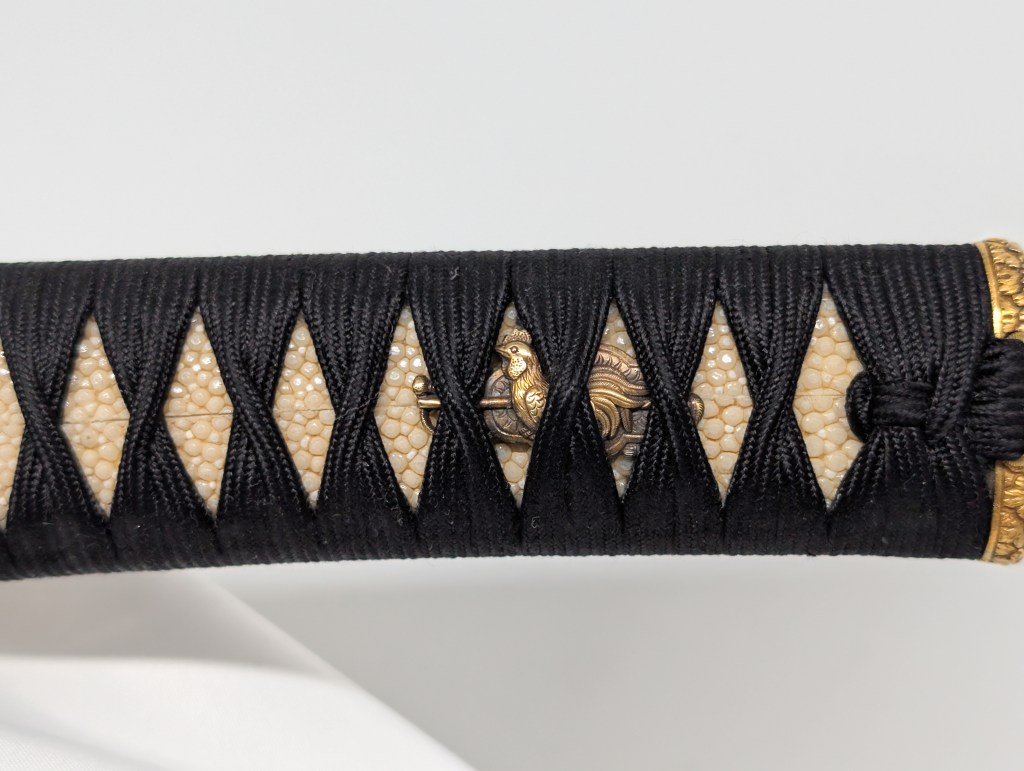
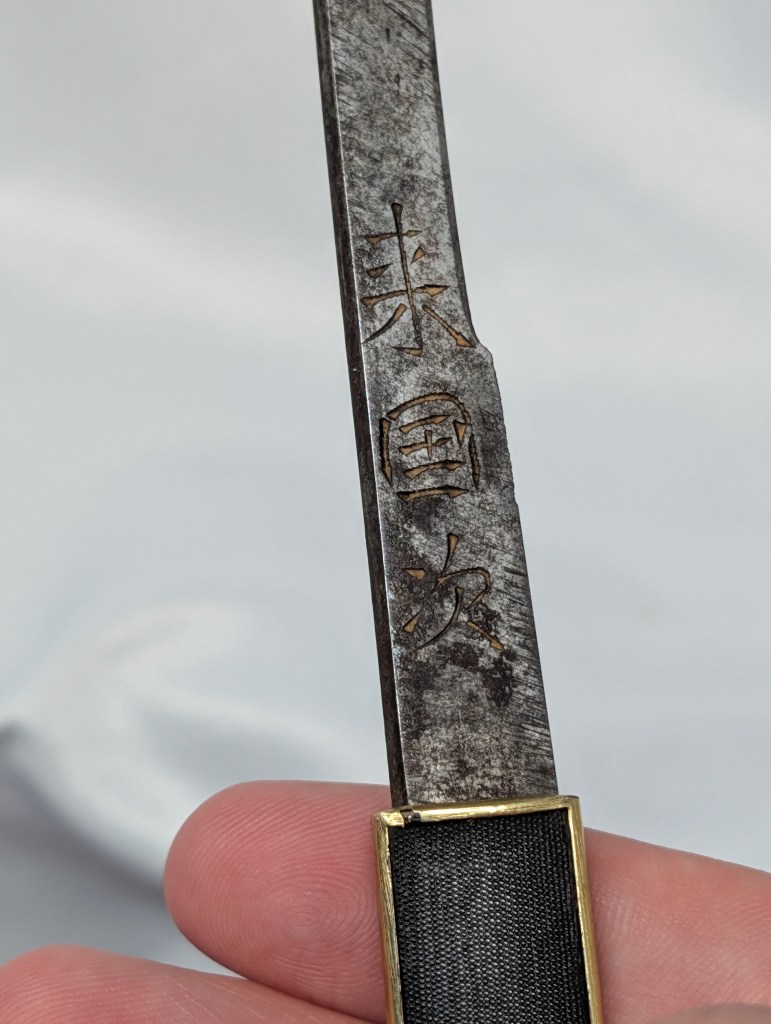
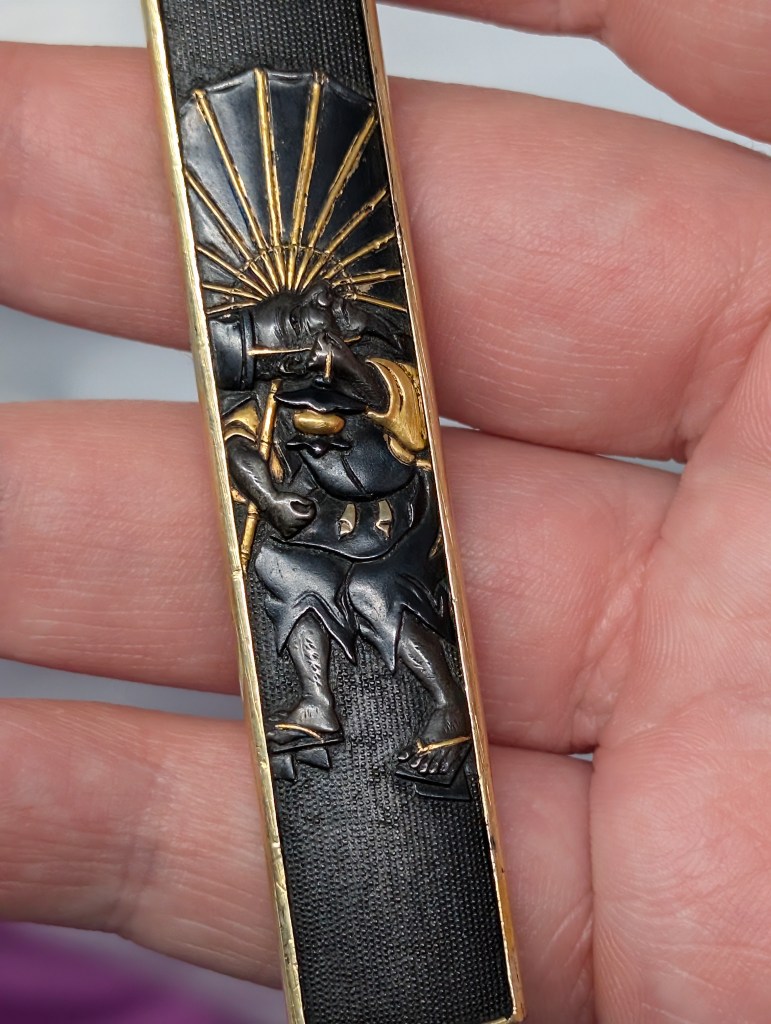
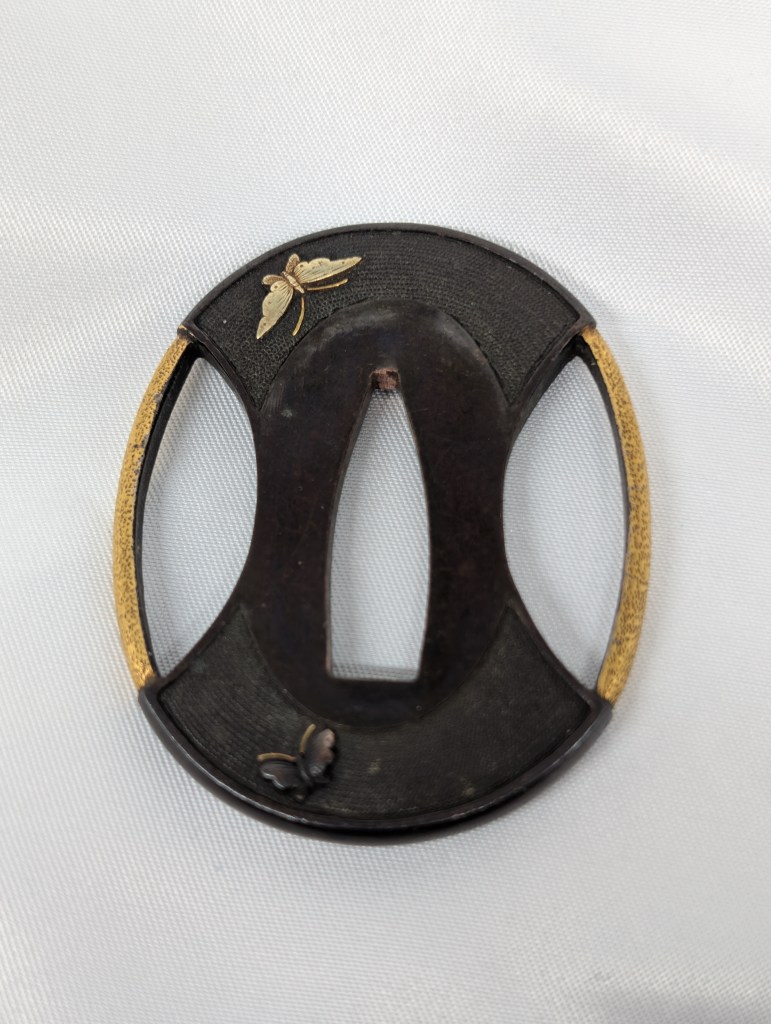
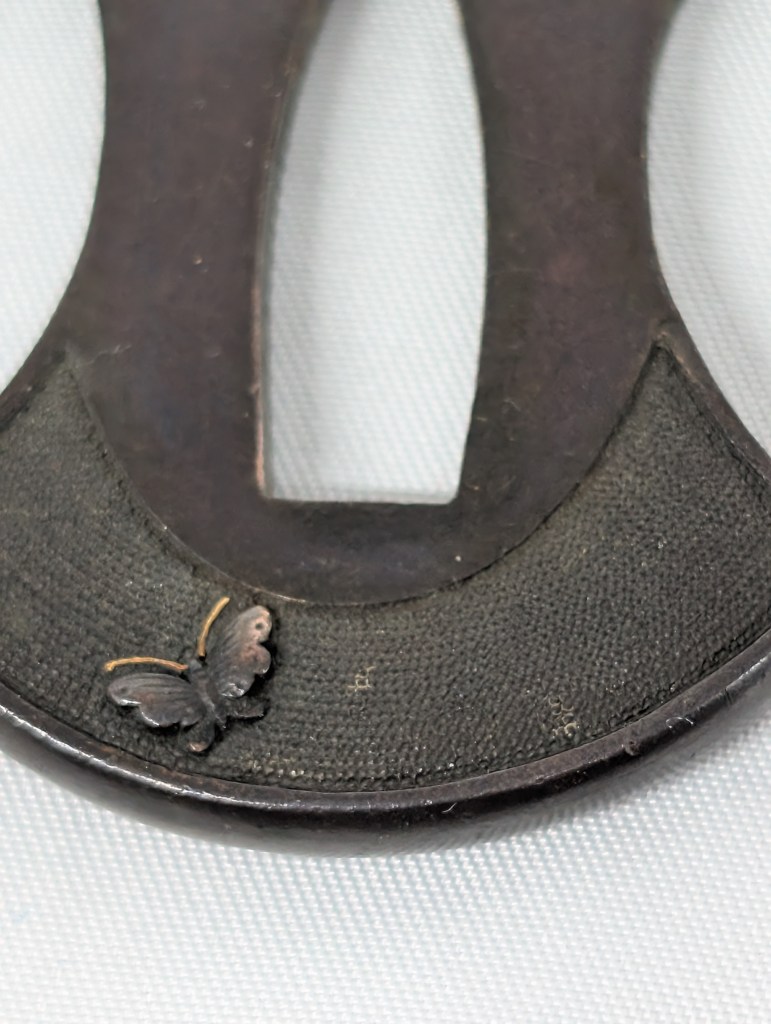
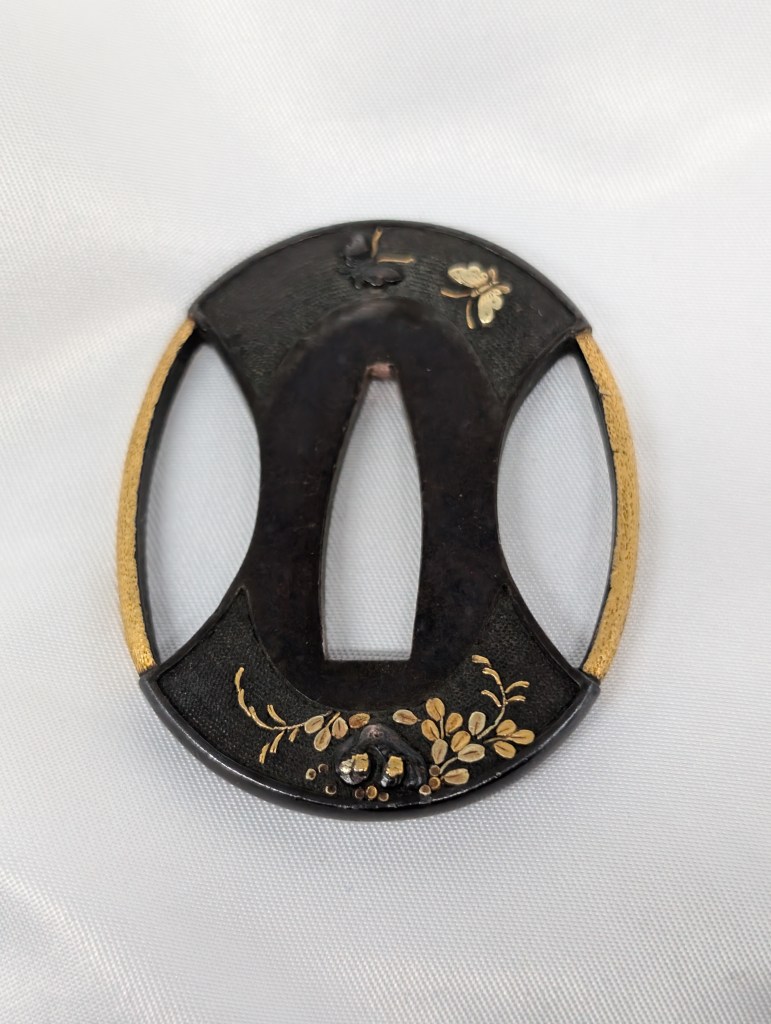
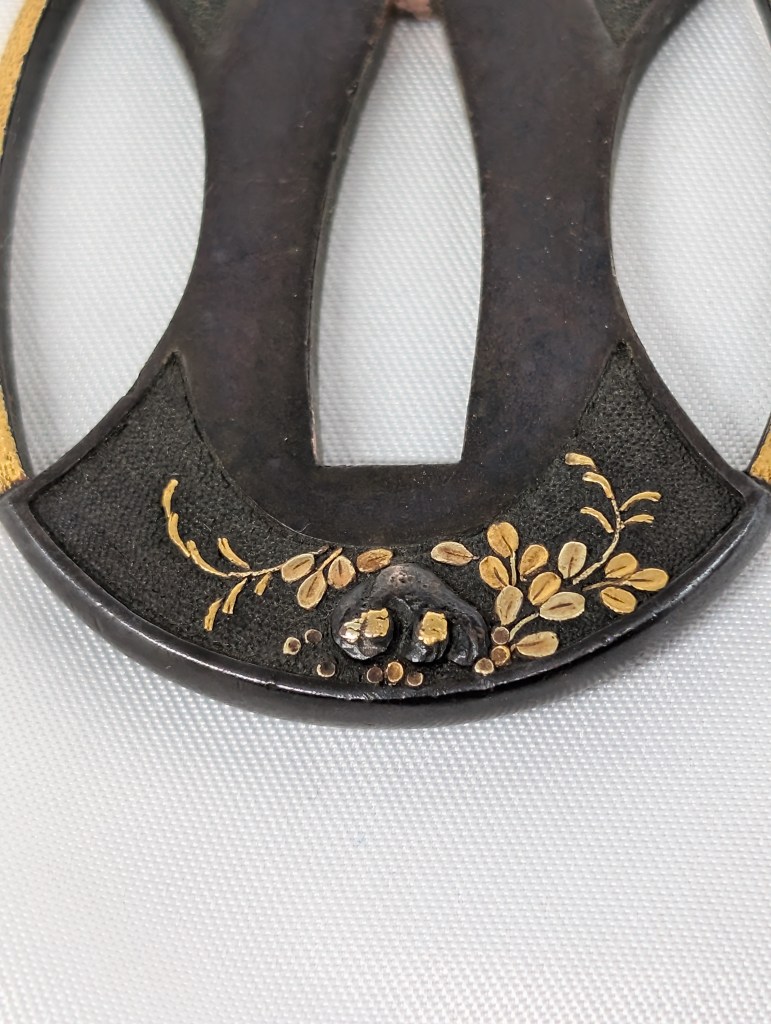
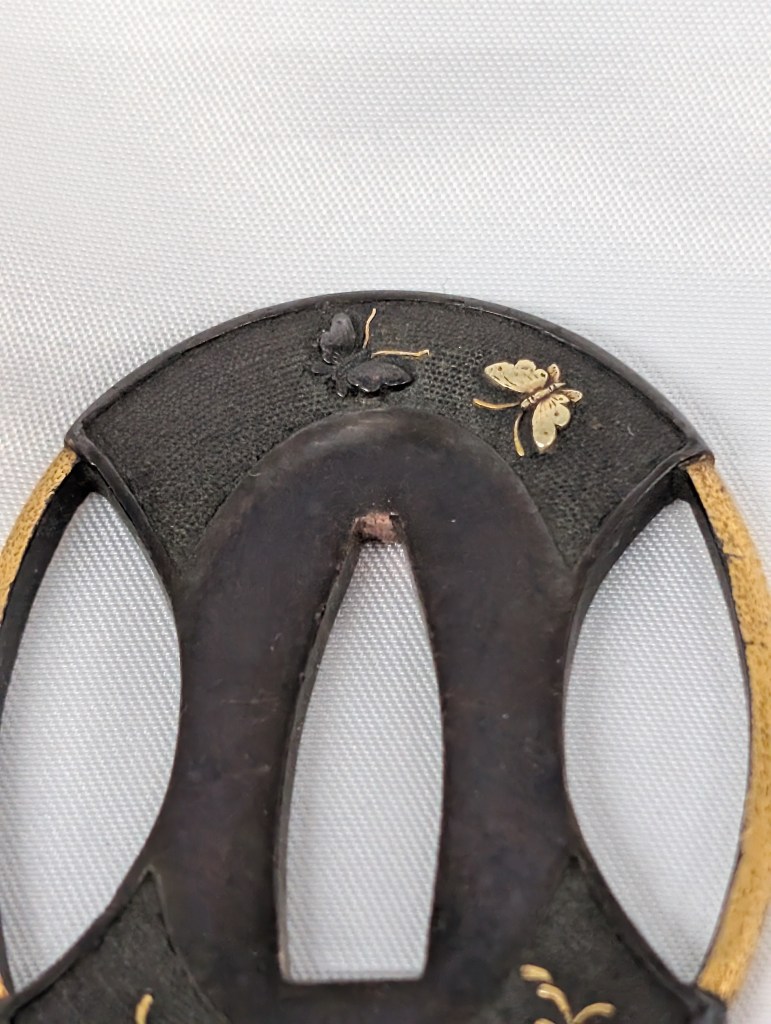
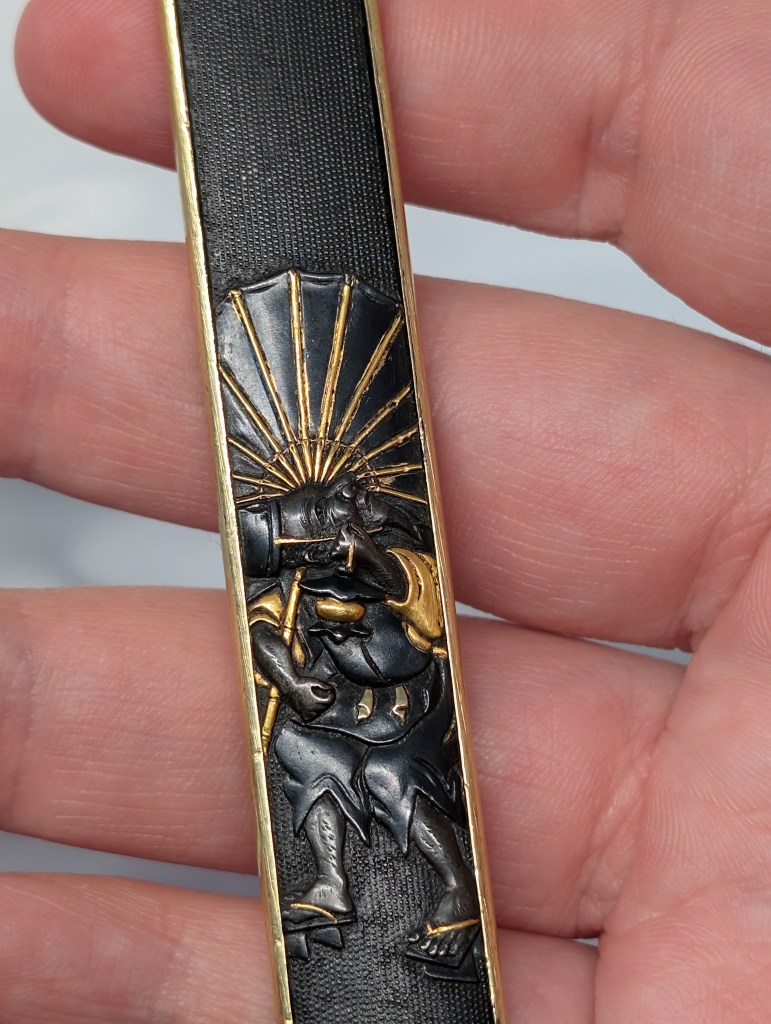
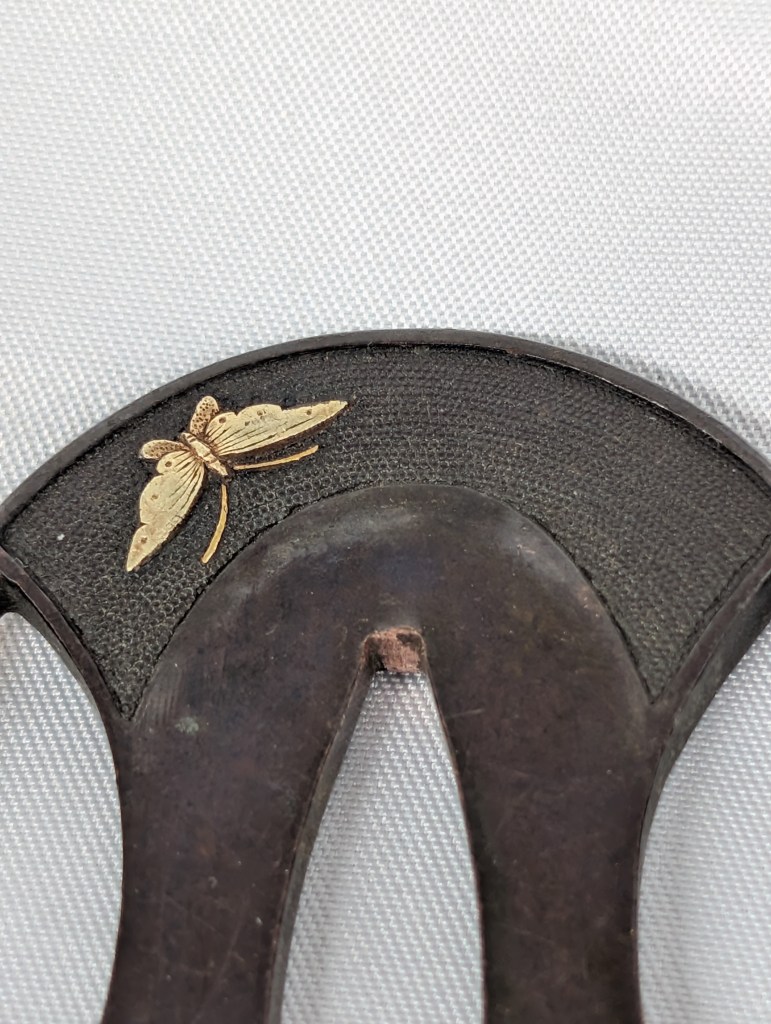
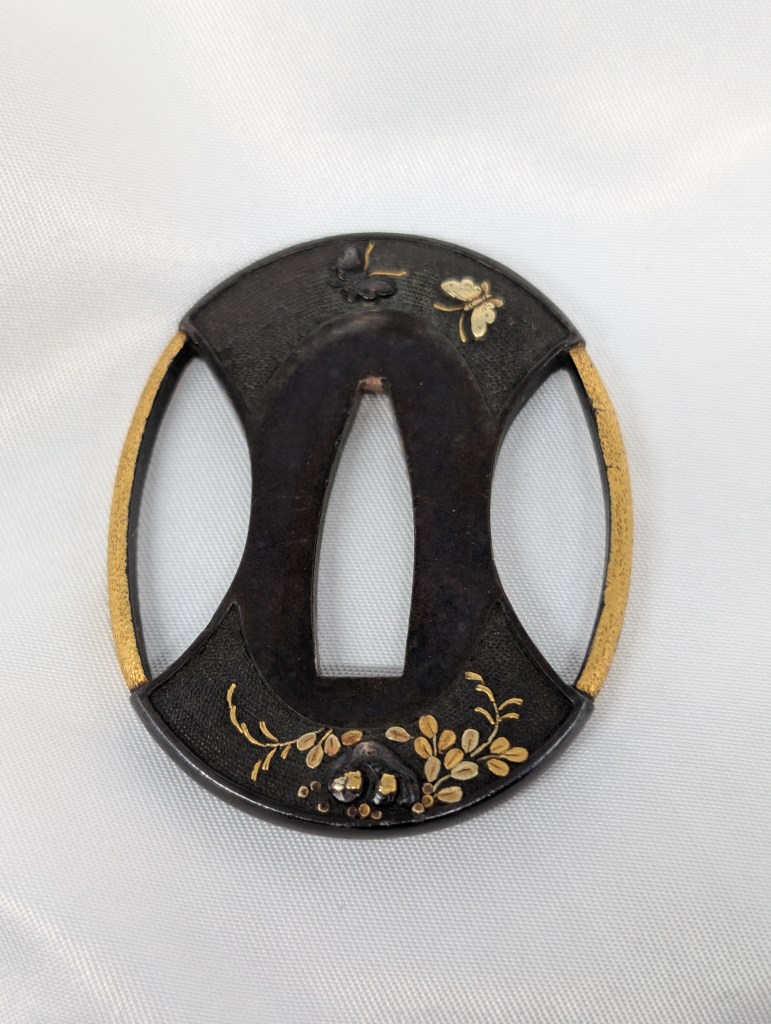
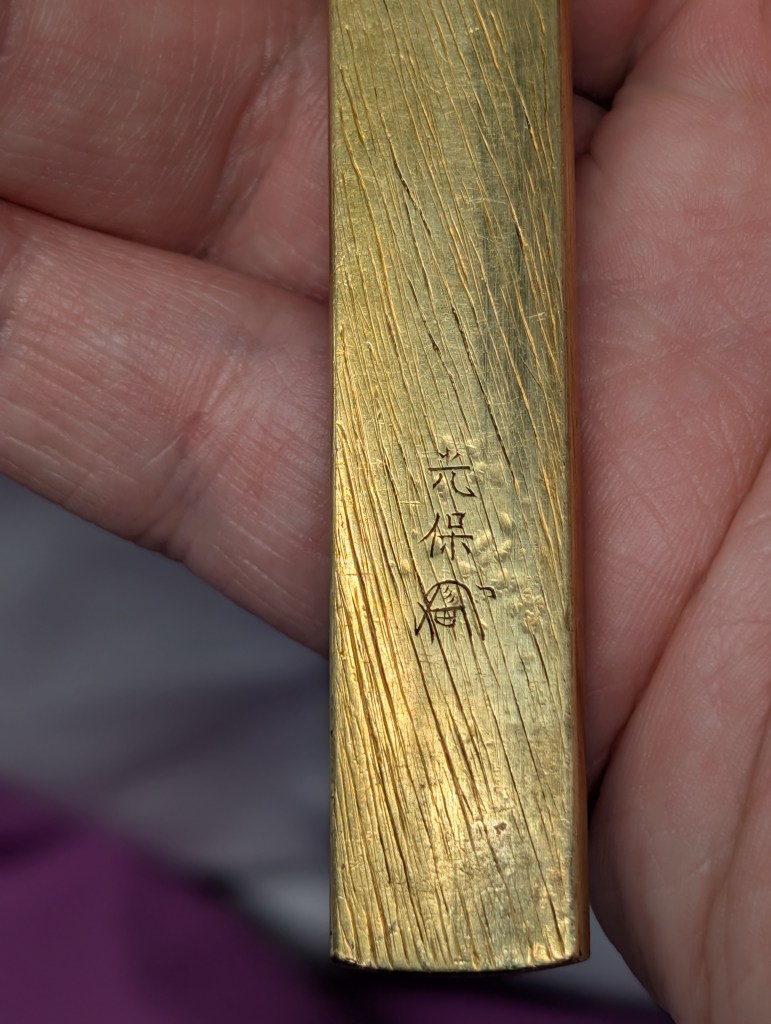
This style matches the fuchi and kashira of the hilt, which are formed in the same style. Fitted inside the scabbard is a fine kogatana mounted with a shakudo nanako ko-suka. The ko-tsuka has gilded edges and a raised figure of a farmer. The tsuka is mounted with white rayskin and finely tied with black silk, matching the silk sageo haphazardly tied to the kurigata. Inlaid into the tsukamaki is a golden menuki with chicken motifs, complementing the agrarian theme of the ko-tsuka. Finally, the koshirae is finished with a fine guard in shakudo with gilded sides, alongside butterfly motifs, coming together with the rest of the fittings to accentuate the luxury of both Nanbokucho Soshu work, alongside the skill of the Goto craftsmen.
Following Masamune and Sadamune, a second generation of masters inherited the Soshu School, becoming prominent tanto smiths known for perfecting the “hitatsura” style of tempering. These two smiths were Soshu Akihiro and Soshu Hiromitsu. Of these two, Hiromitsu was able to produce a long line of descendants, surviving up into the modern day as the “Yamamura Tsunahiro” line of swordsmiths.
These smiths were directly descended from both the Masahiro Branch, alongside the Odawara-Soshu group, which comprised the latter aspect of this branch, which had renamed themselves as “Tsunahiro”, taking the character from the daimyo Hojo Ujitsuna, of whom they entered his service. Returning to the Nanbokucho Period, this long line of swordsmiths began with the son of Hiromitsu, that being the first-generation Masahiro. Various birthdates and activity periods are listed for the swordsmith, due to the variety of conflicting records available for the Soshu School. Taking the broadest of these records into note, Masahiro would have operated from 1347 CE up into roughly 1393 CE, spanning nearly the entirety of the Nanbokucho Period. This period would have been split into two distinctive eras of Masahiro’s work those being his work as a pupil, which lasted from 1347 CE to 1368 CE, and his work as the grandmaster of the Soshu School, which comprised works from 1368 CE to 1393 CE. The greater curve seen on the blade implies a later forge date, leading one to assume that the work was made during Masahiro’s stint as the grandmaster of the Soshu School. Following this period, five generations of Masahiro smiths continued their work in Sagami Province before eventually being recruited as swordsmiths for the Hojo Clan in Odawara, bringing an end to the Masahiro Branch’s activity in the province, setting the stage for future swordsmiths to take up forging in the region as the Edo Period loomed on. Overall, this sunnobi tanto is an excellent example of later Soshu work, reaching the pinnacle of what would be considered “Sue-Soshu”. In addition, the inclusion of tasteful fittings from one of the Edo Period’s most renowned groups of craftsmen elevates the piece further, creating a matched set which is not only representative of nearly a millennium of history, but also of greater status and luxury within the world of Japanese swords.
~ Photographs from Charlie White’s Facebook page; Blade in Possession of Charlie White and written by Nicholas Zogu~































2 responses to “soshu masahiro sunnobi tanto”
This still available?
Hello RJ, please send me an email.