Description
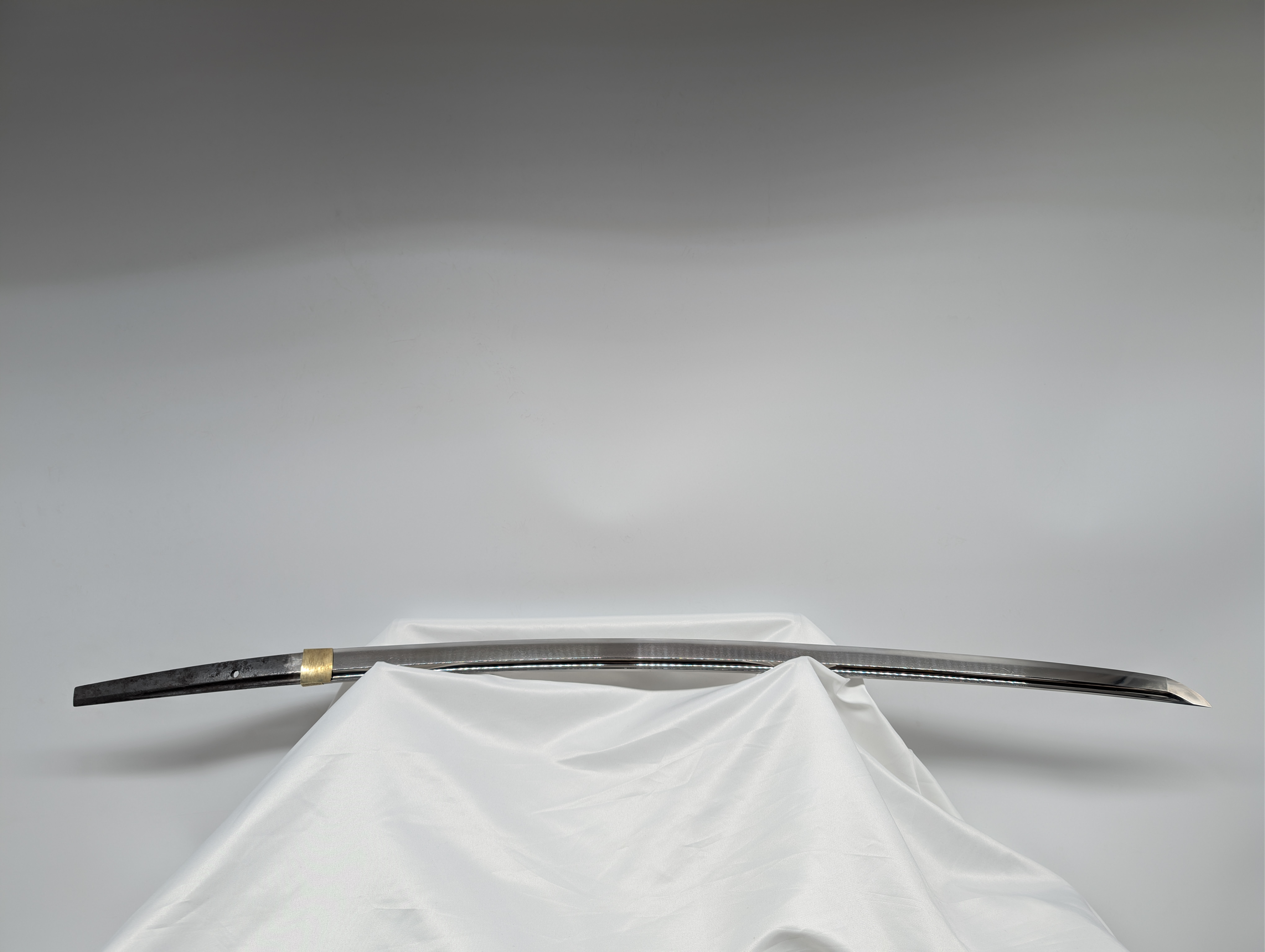
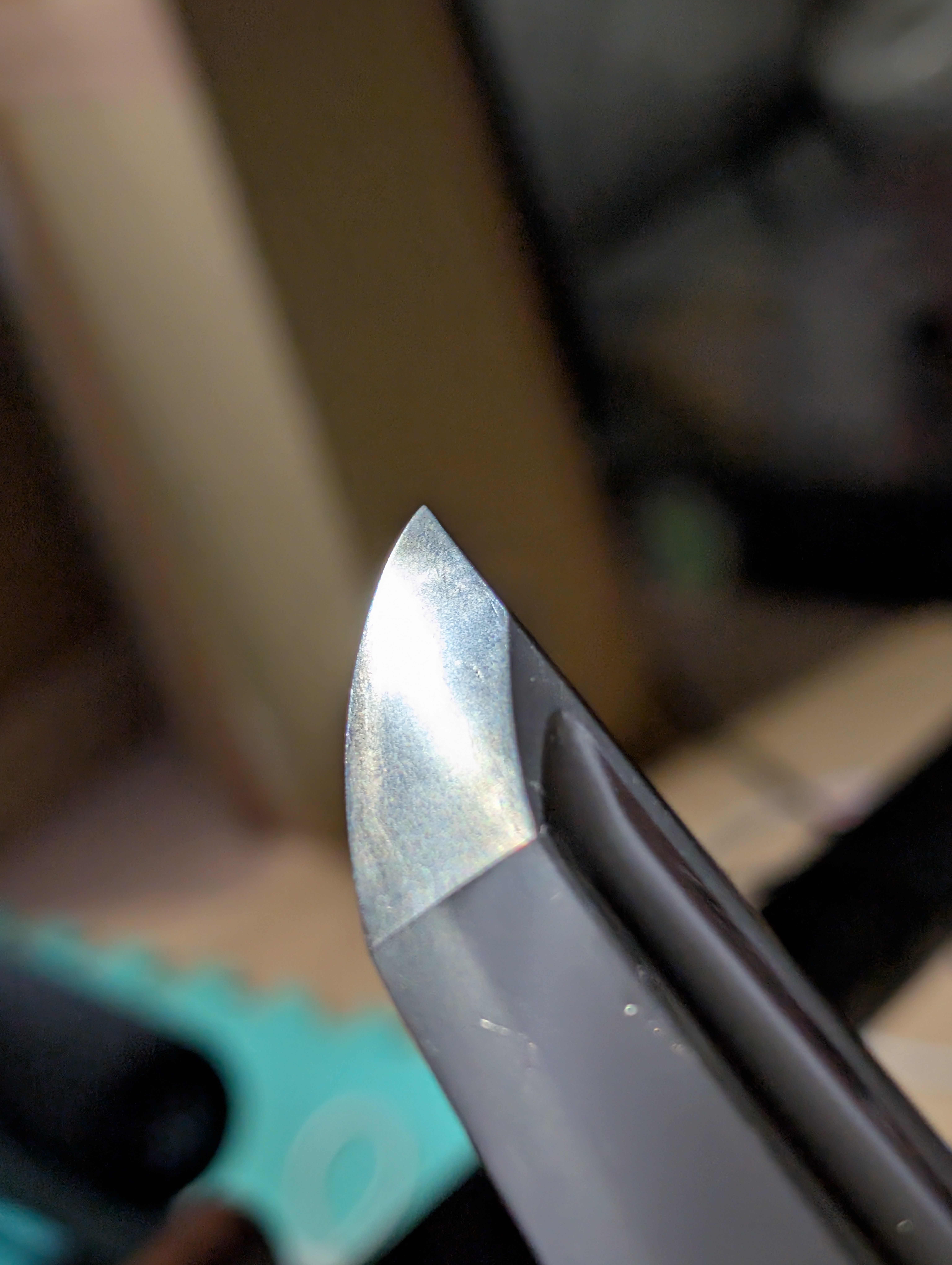
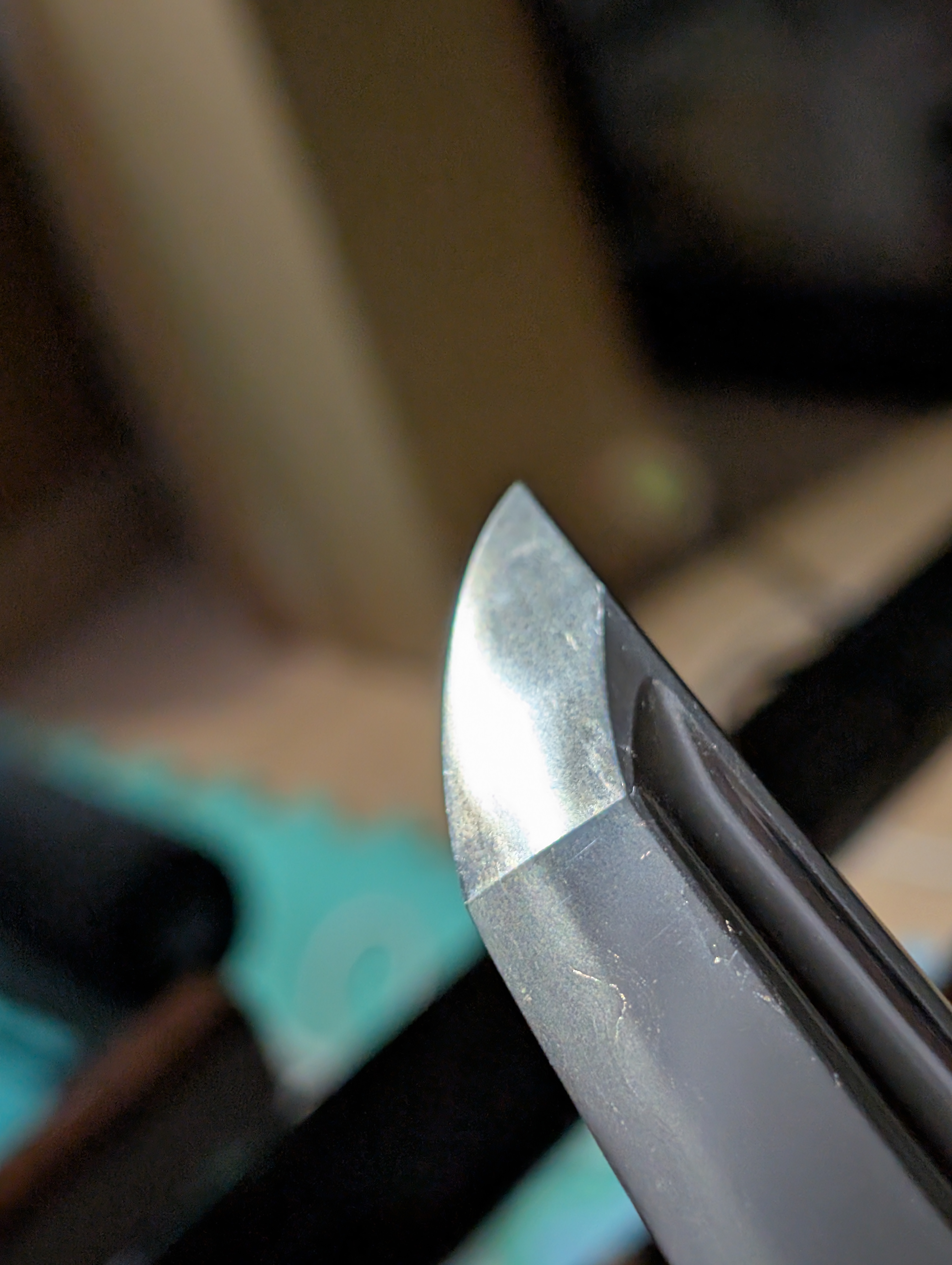
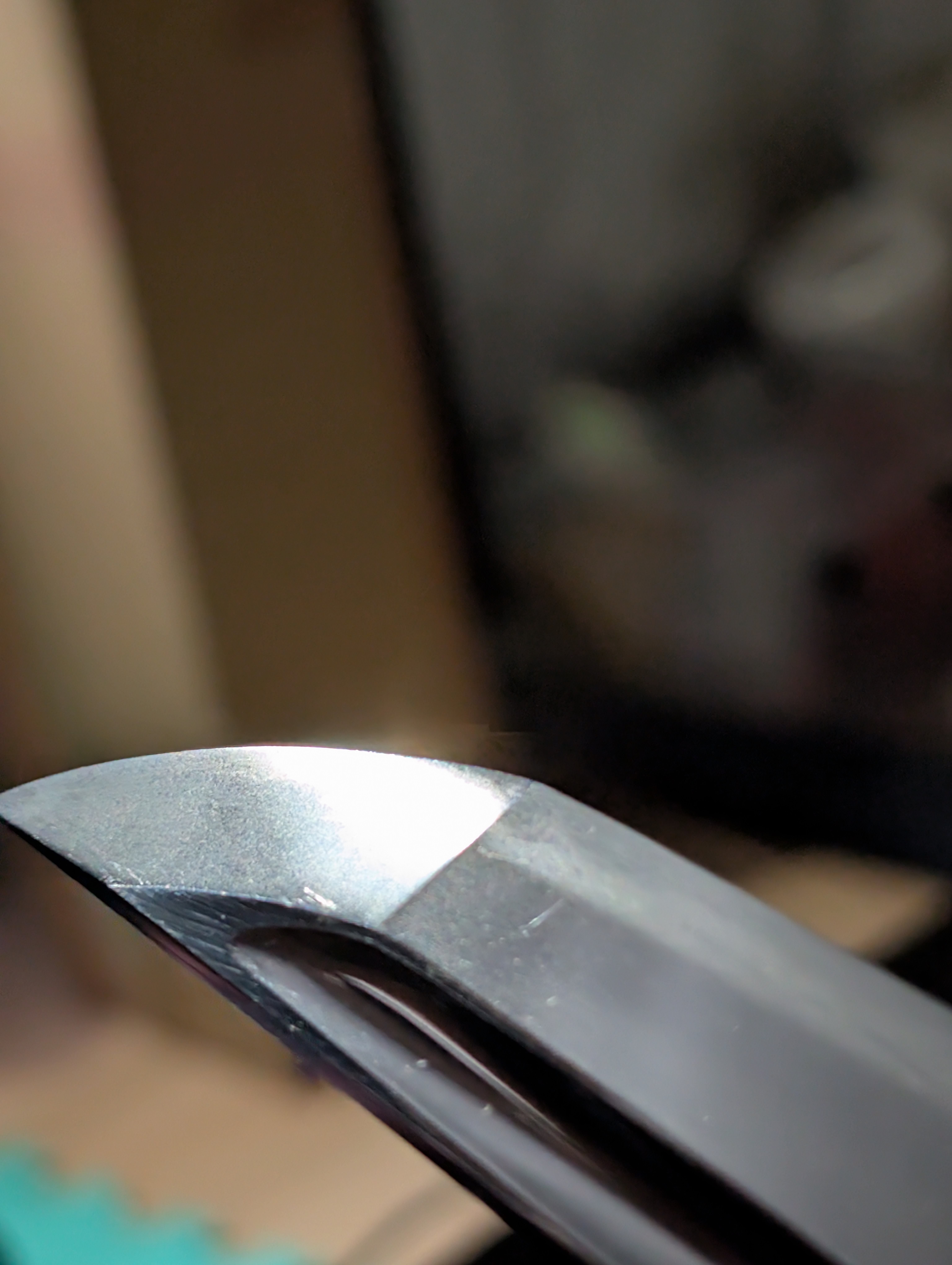
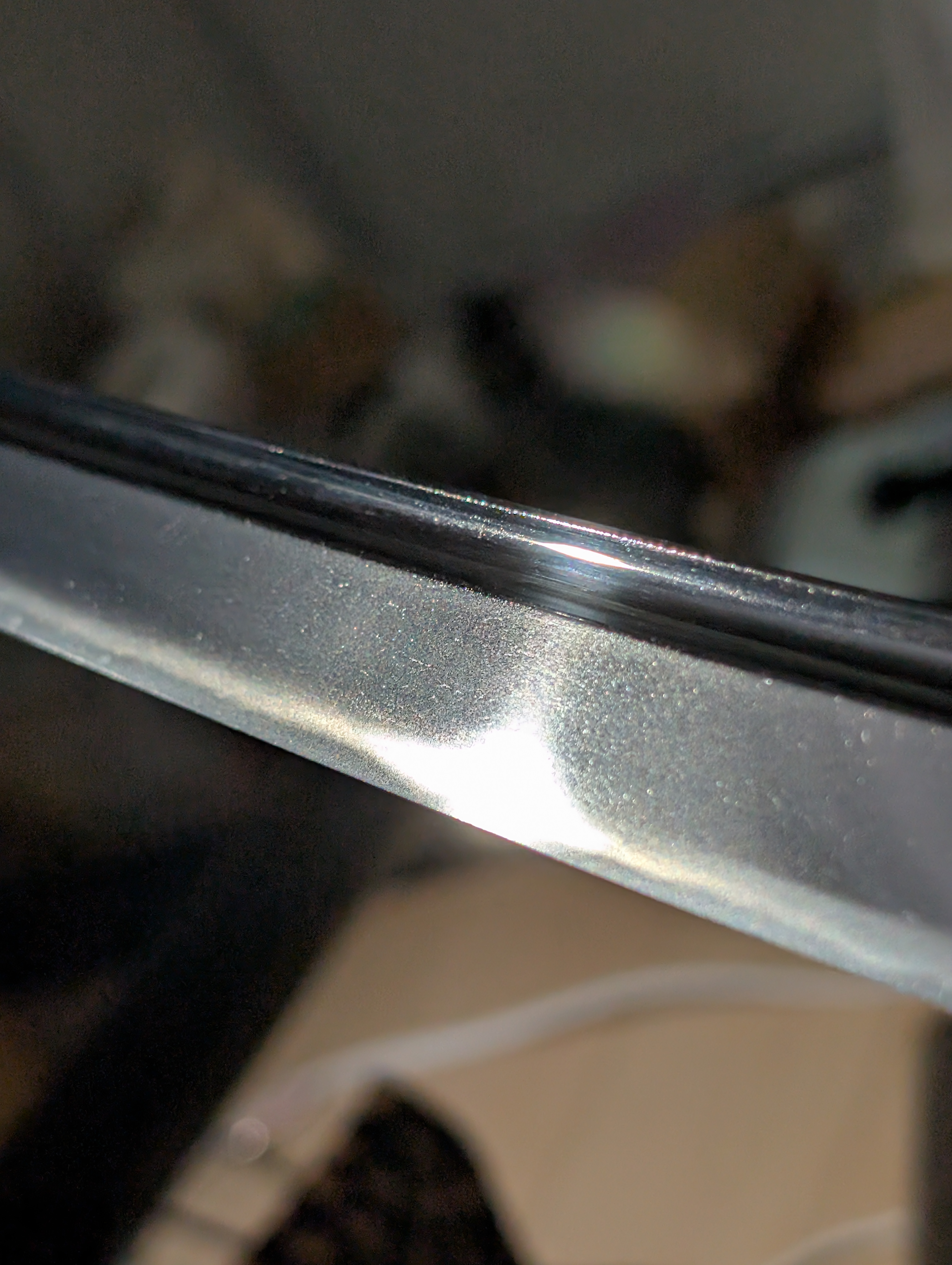
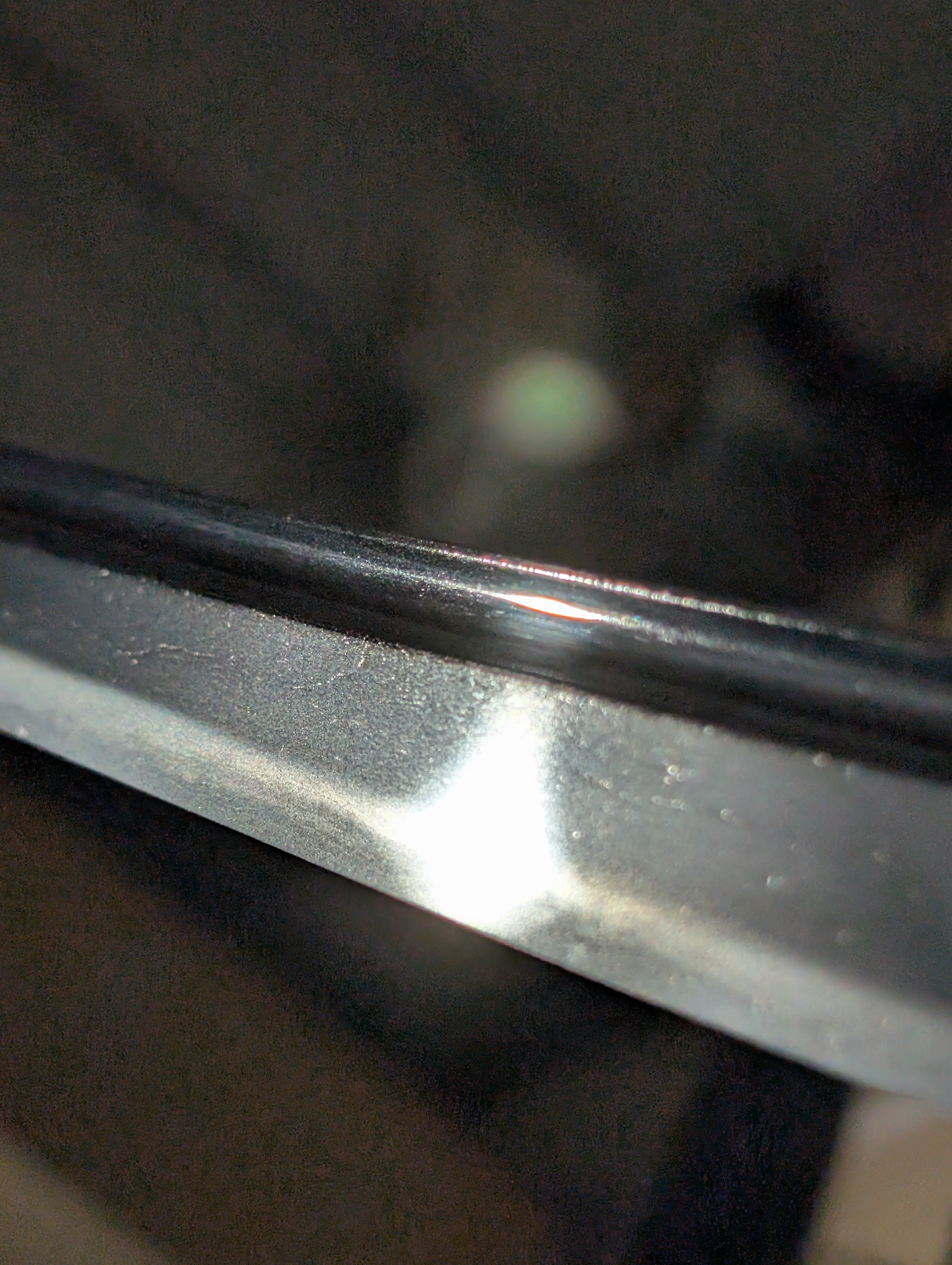
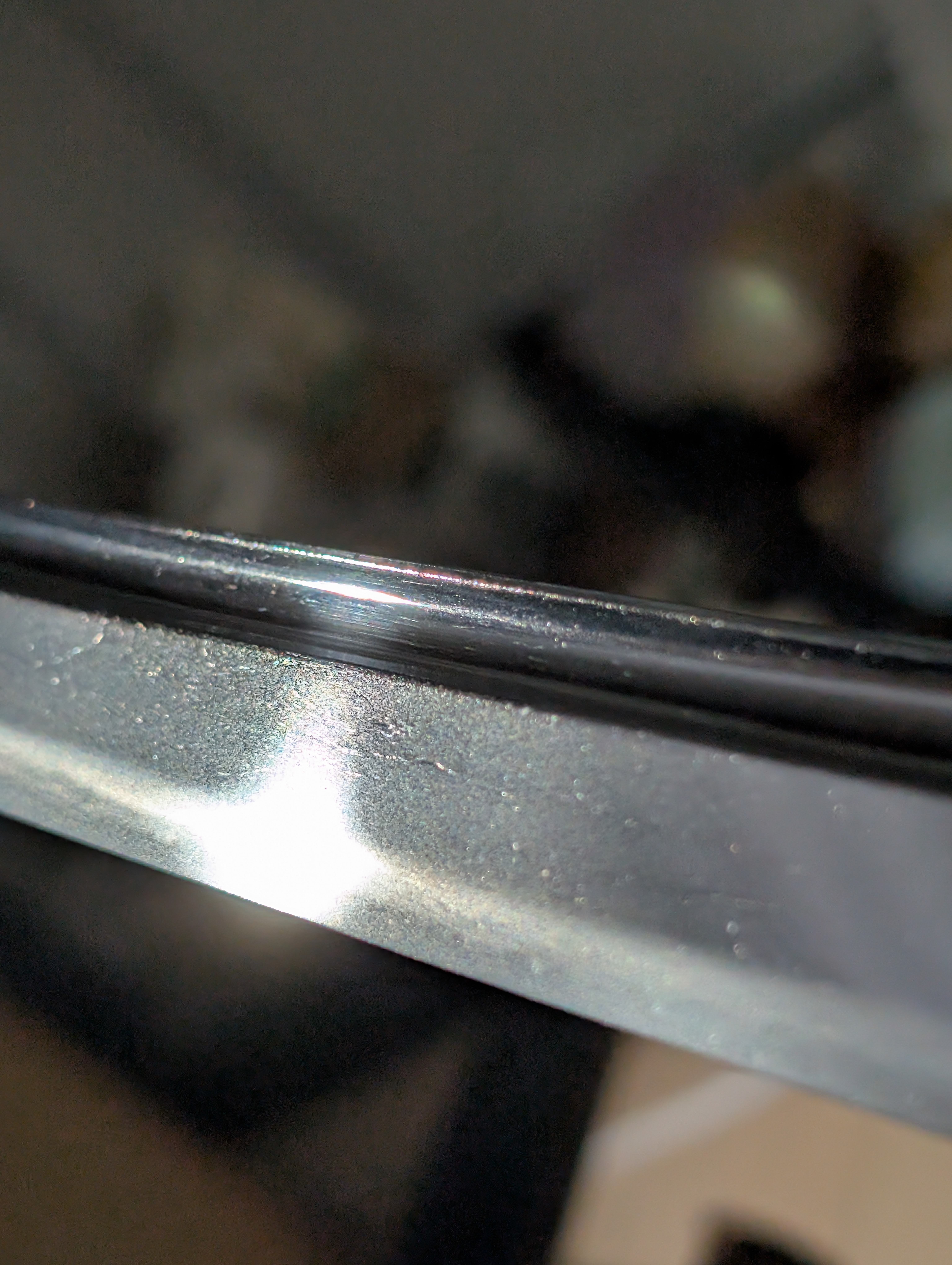
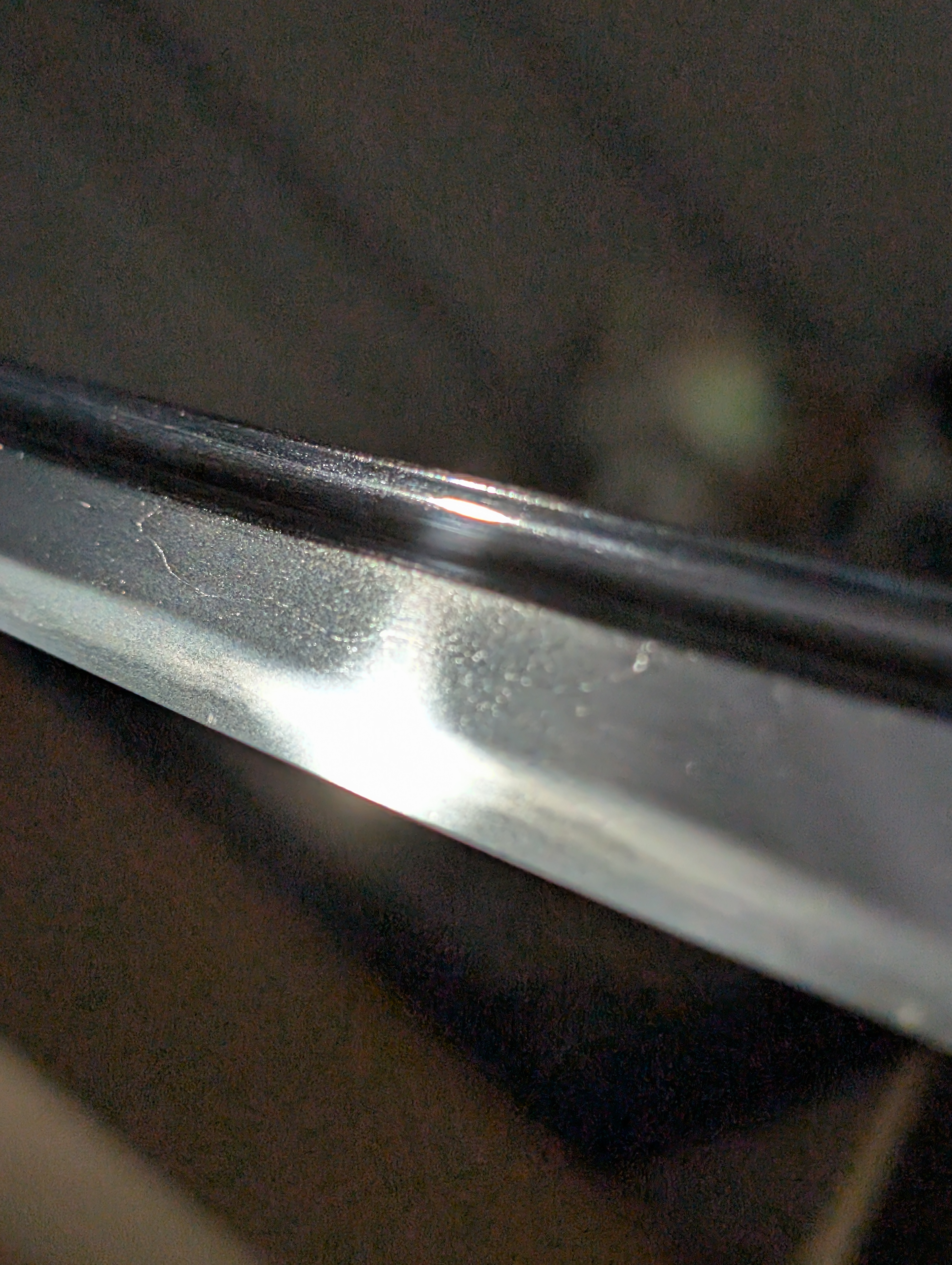
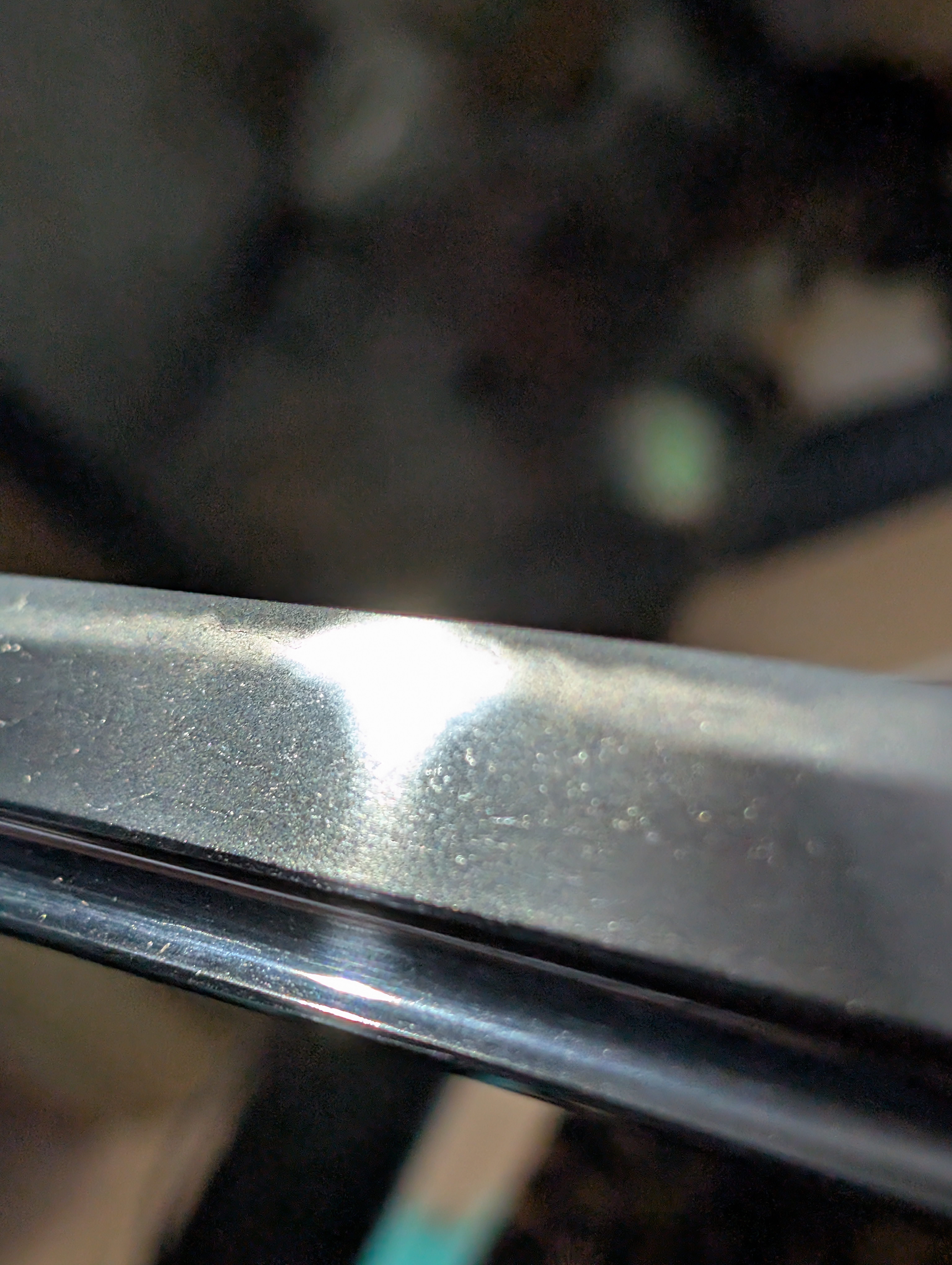
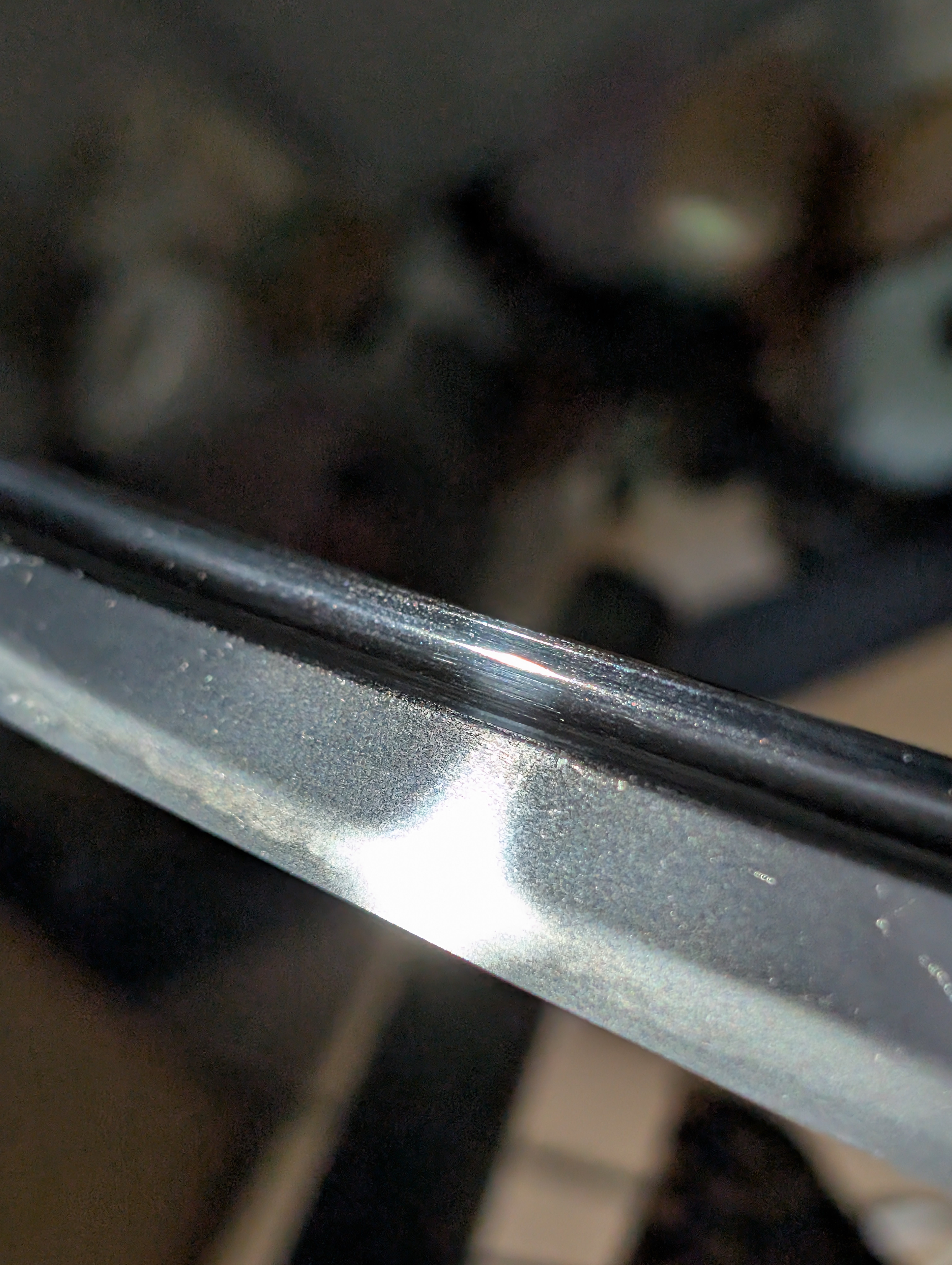
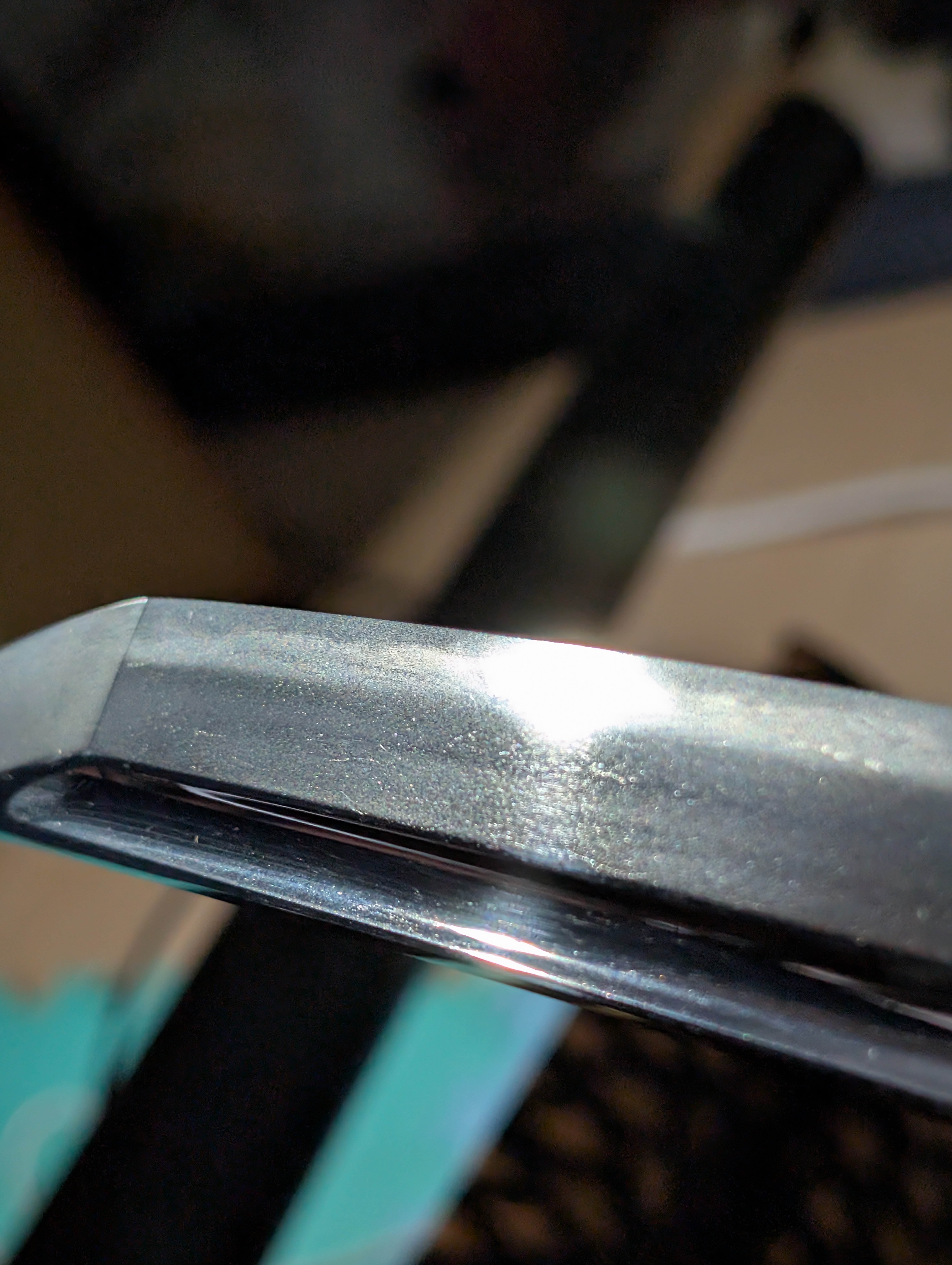
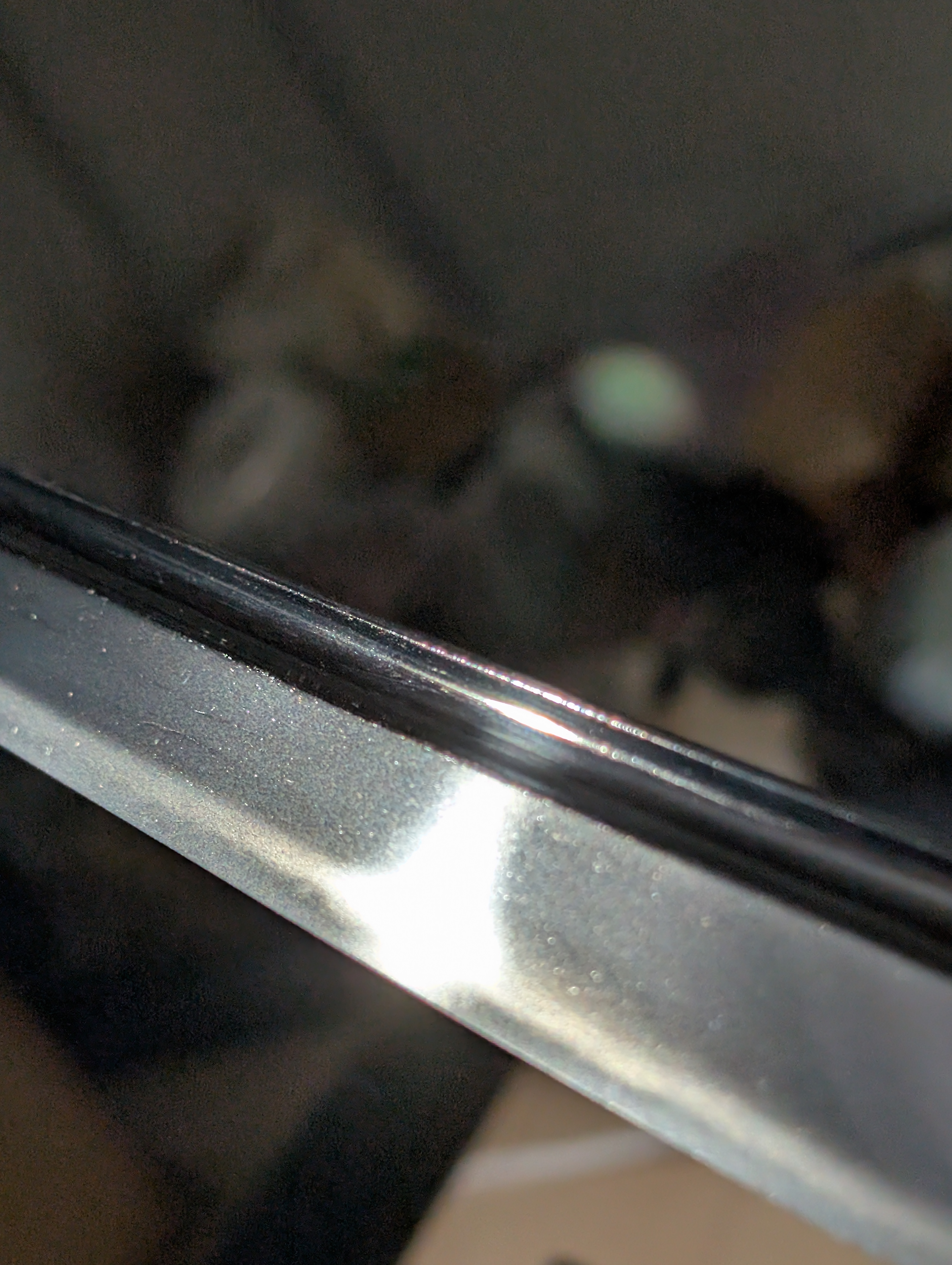
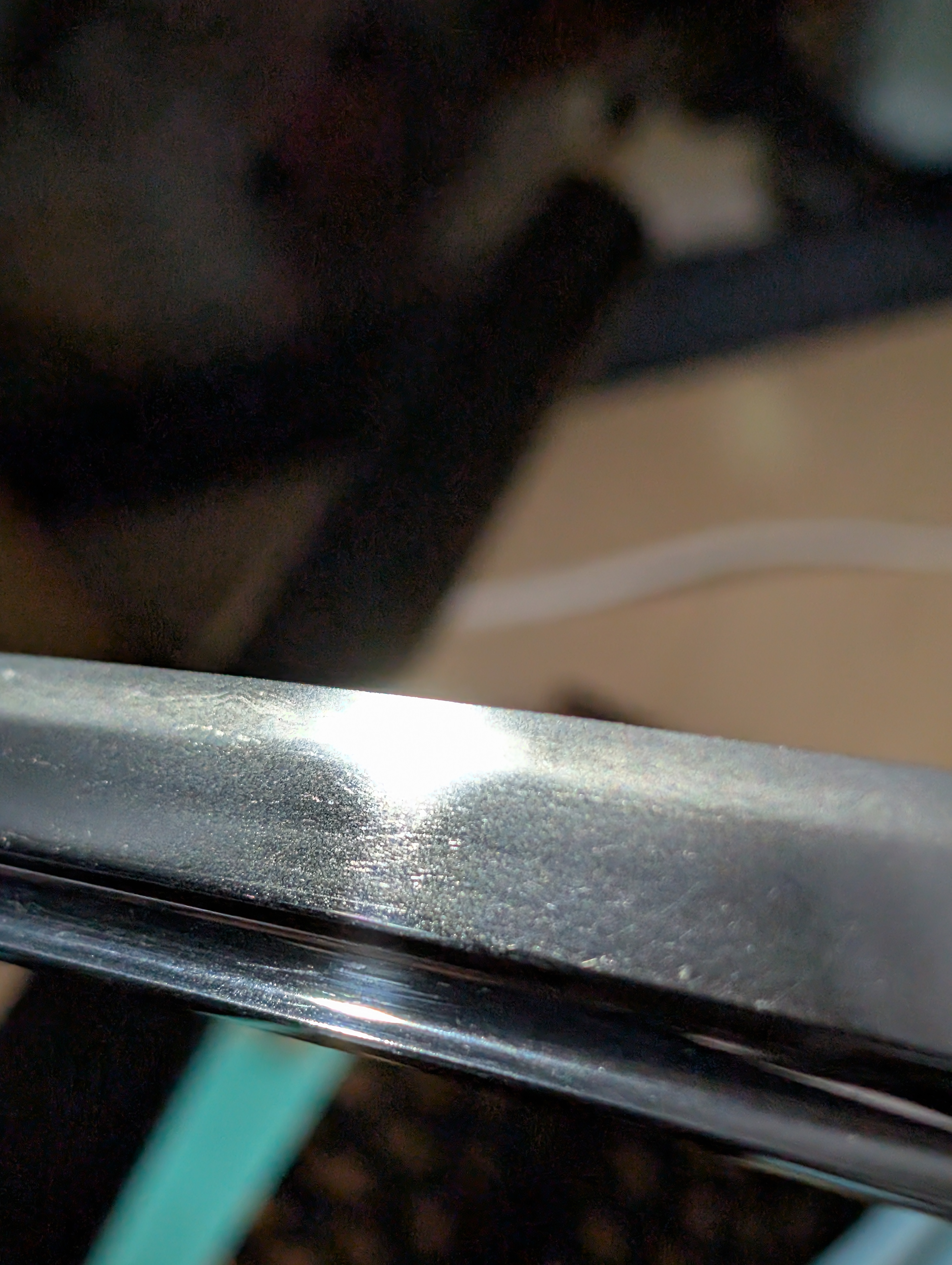
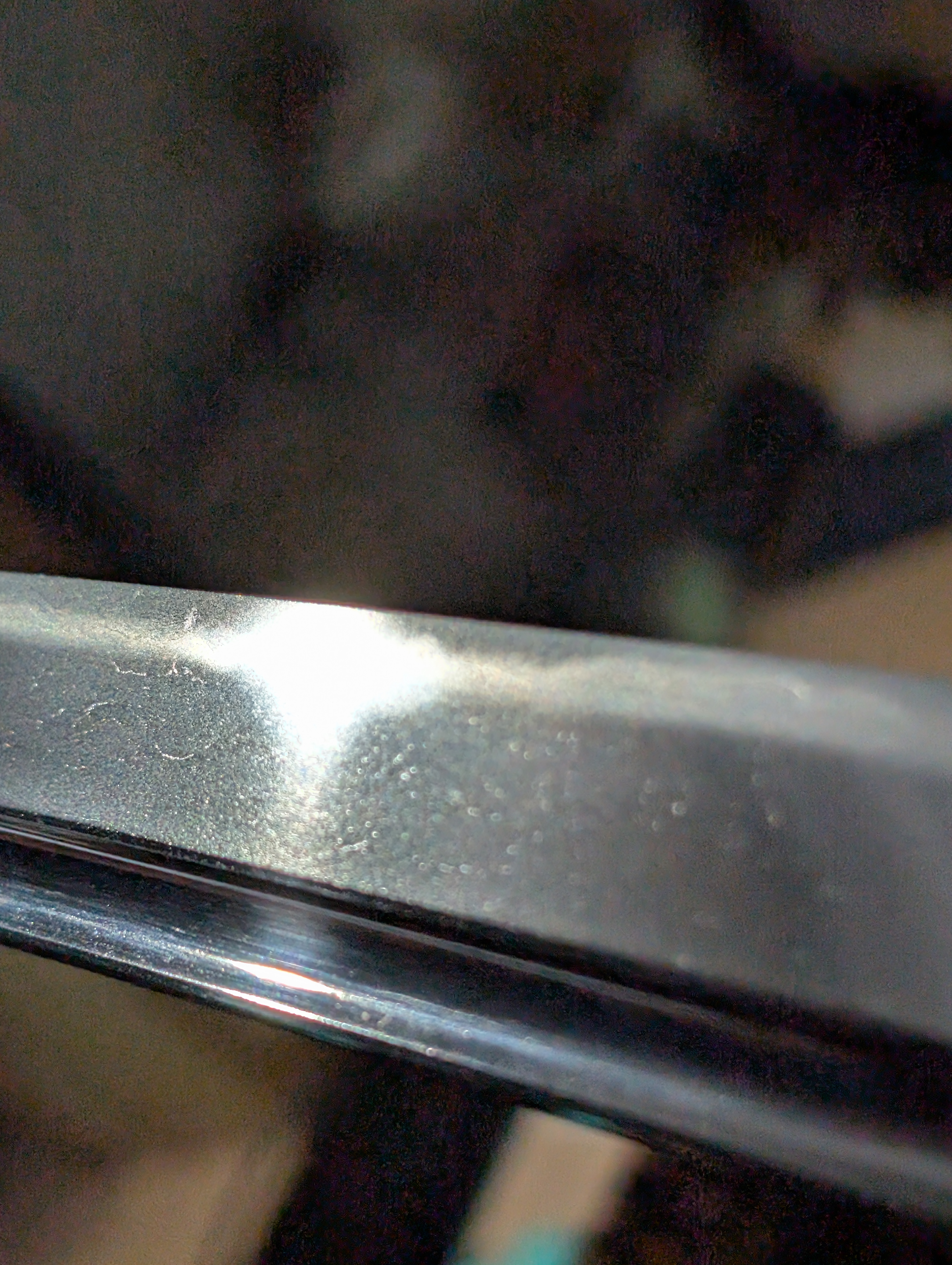
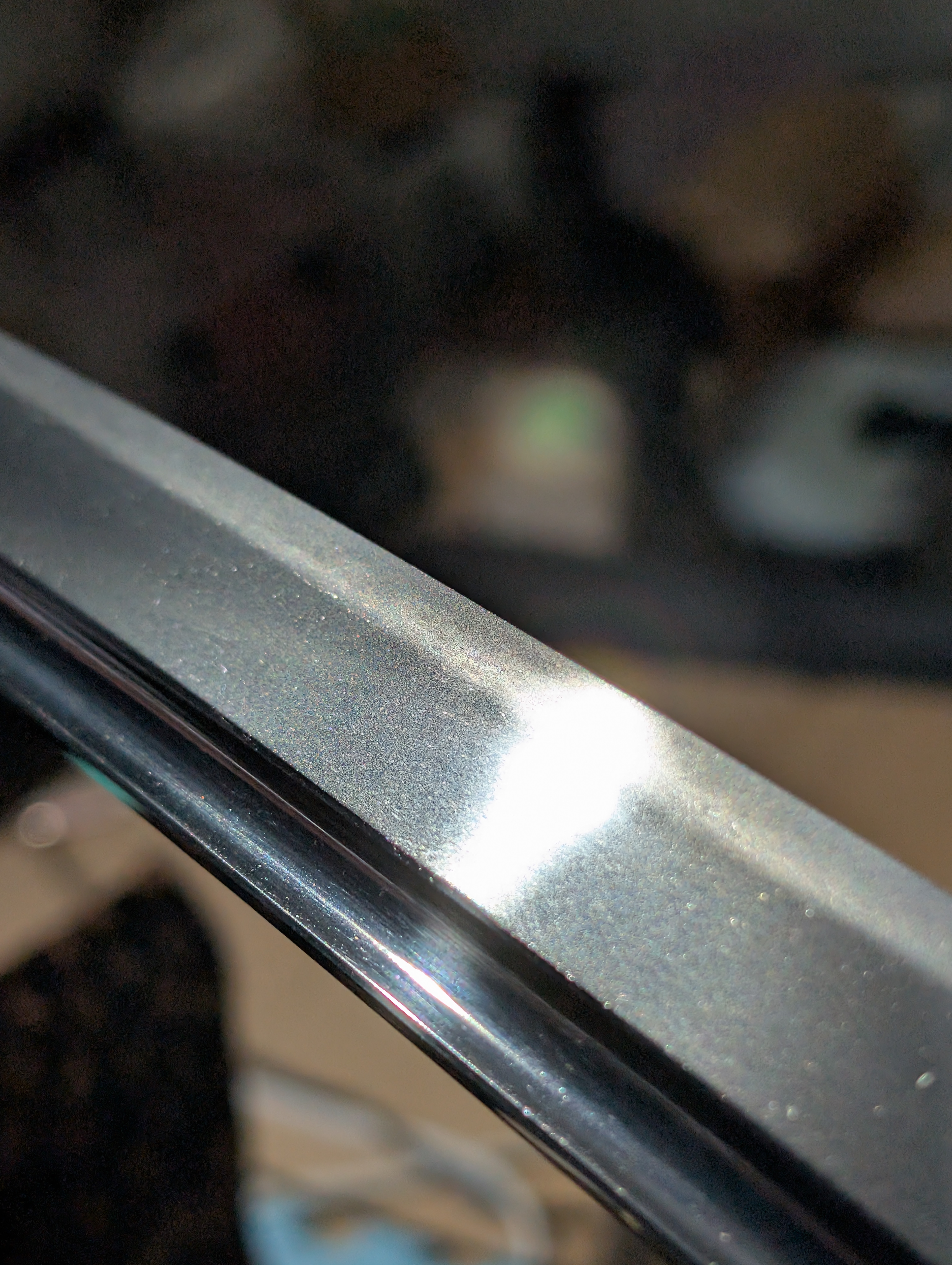
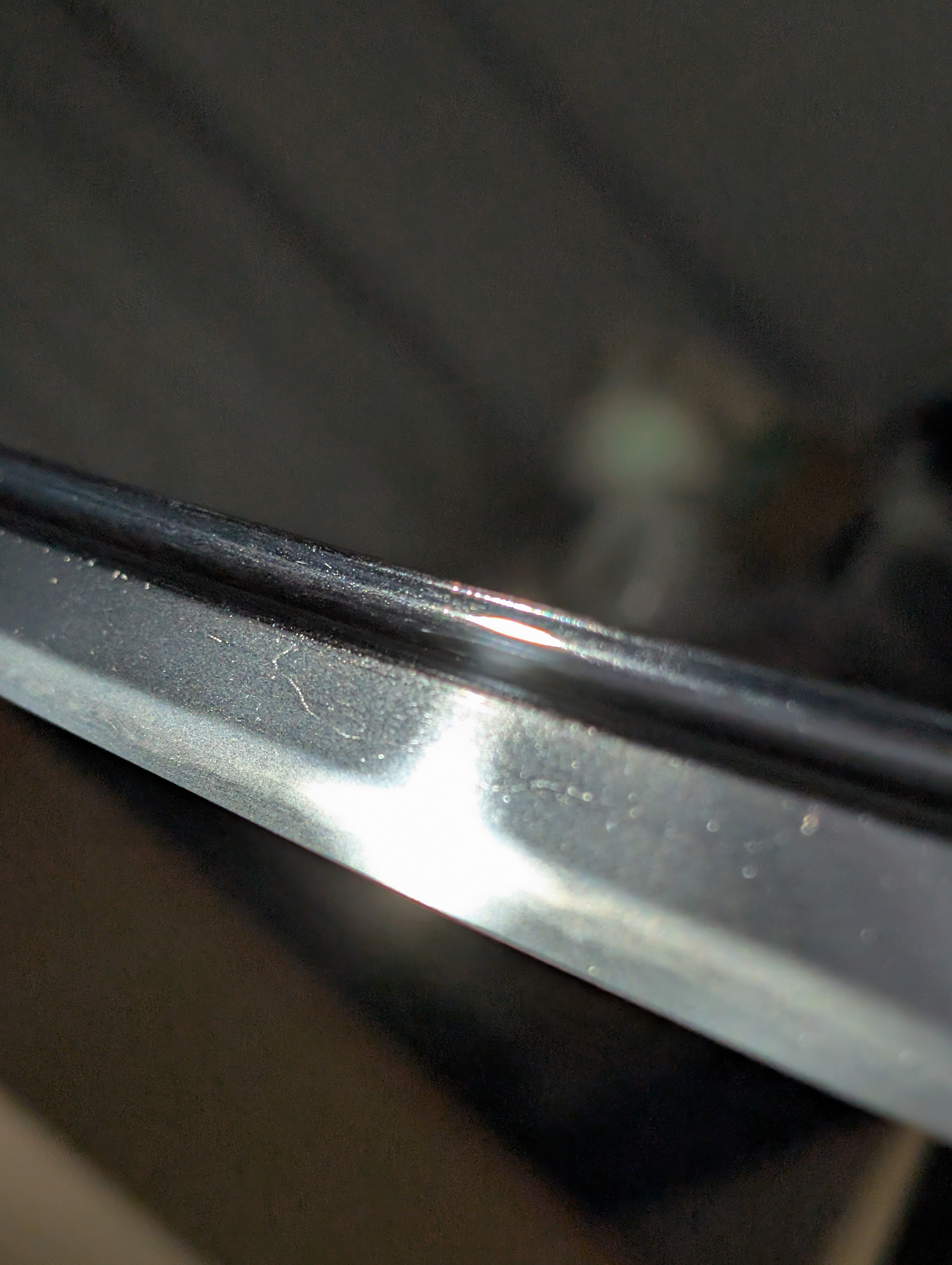
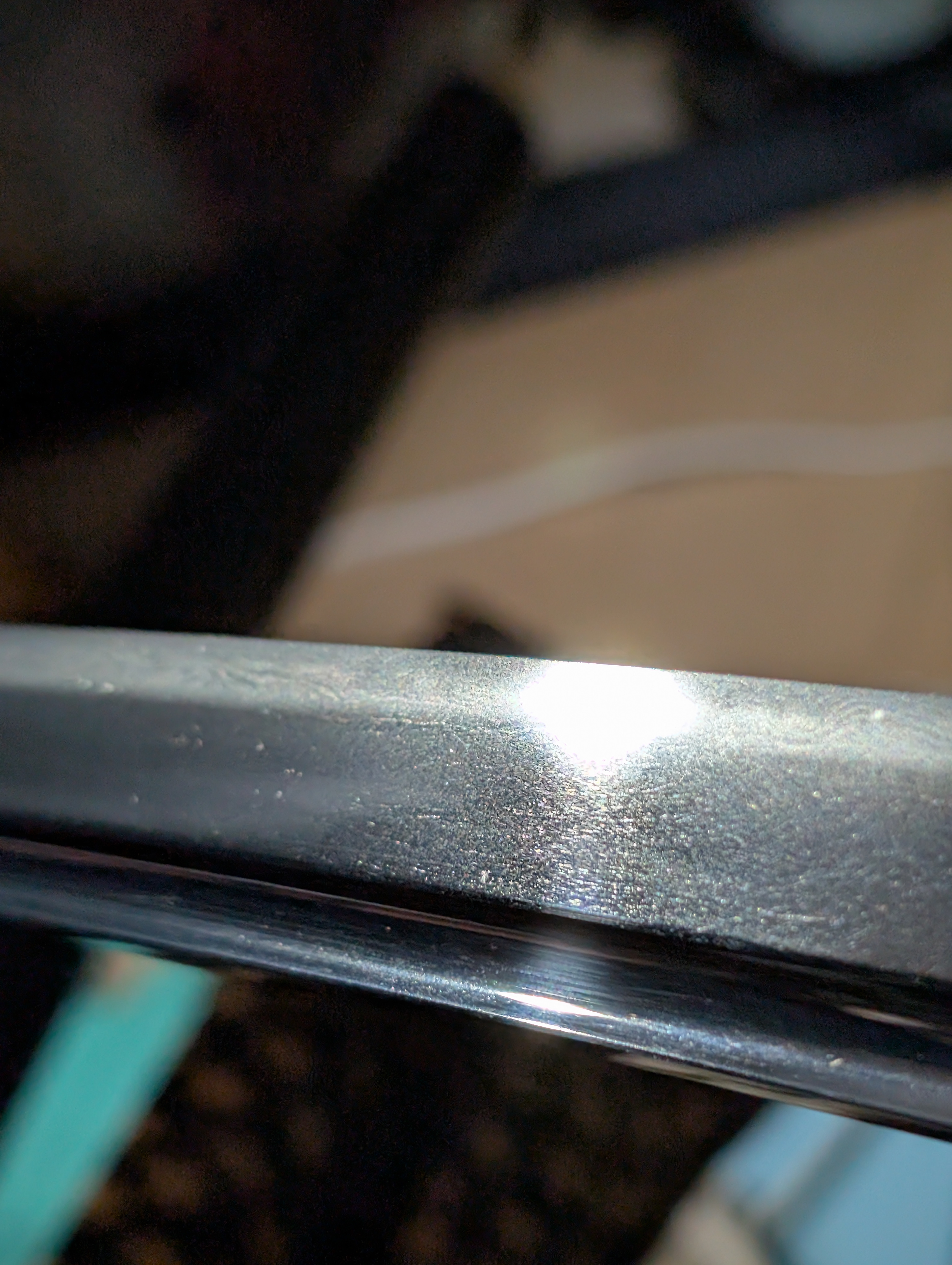
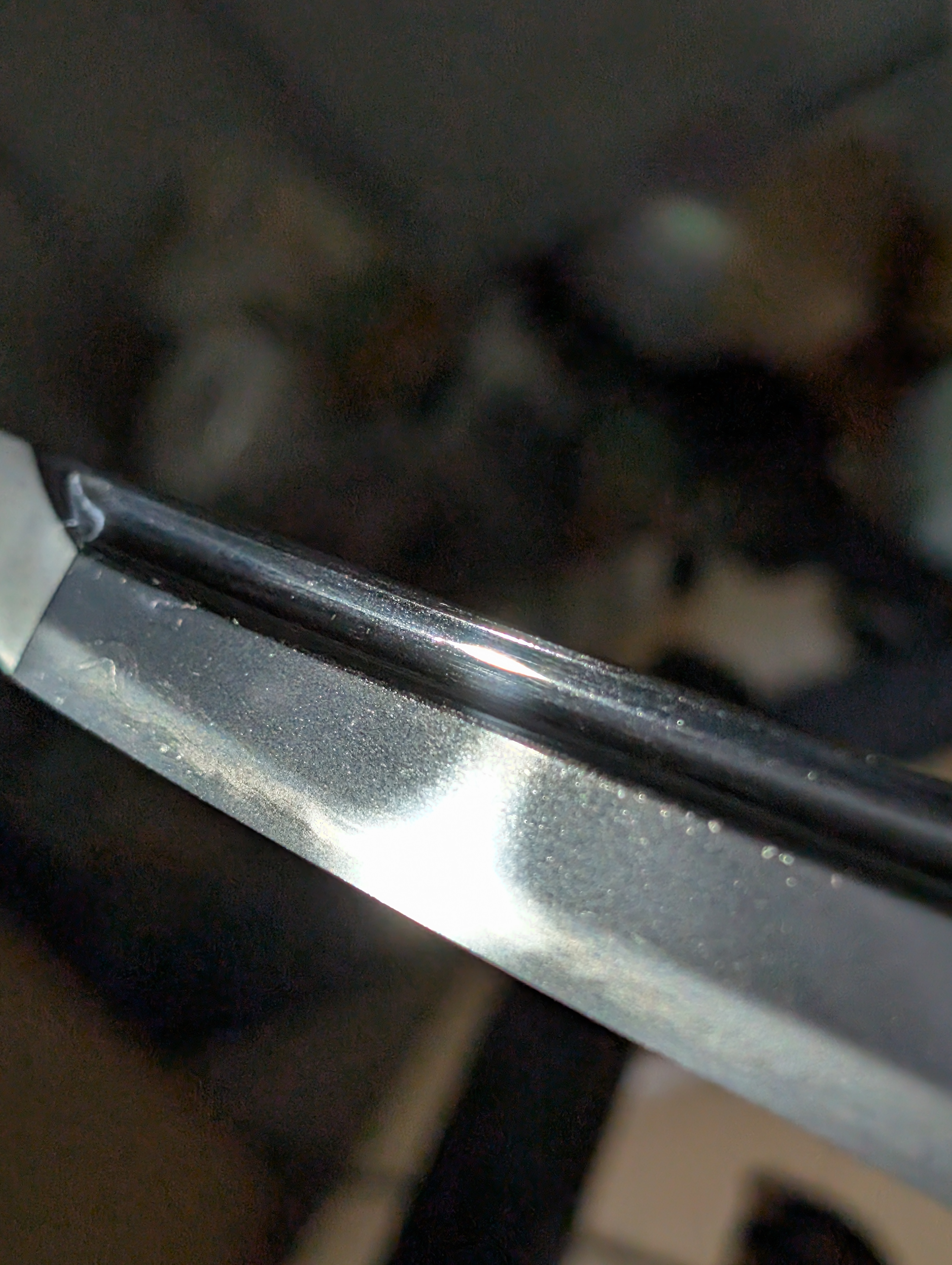
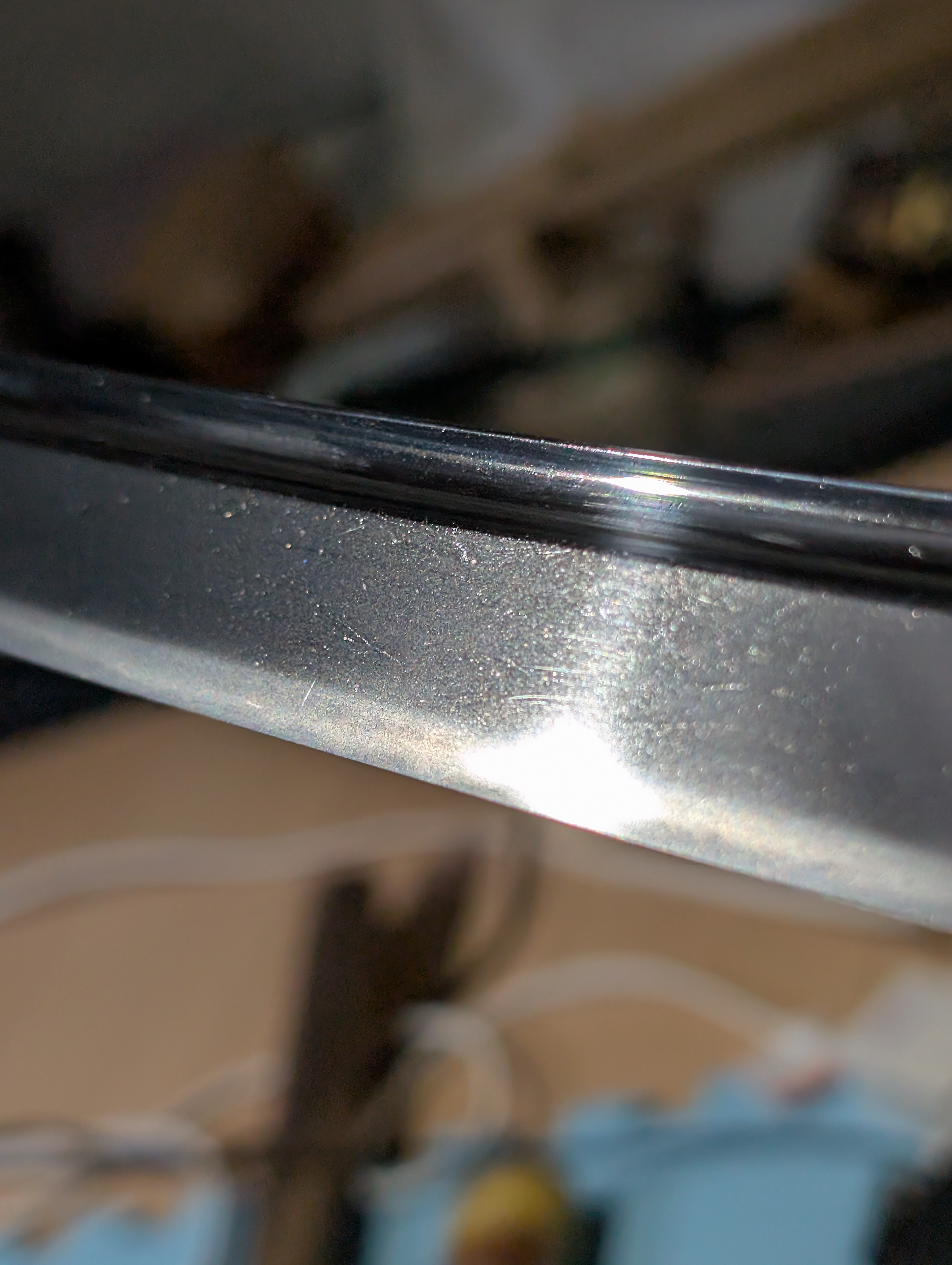
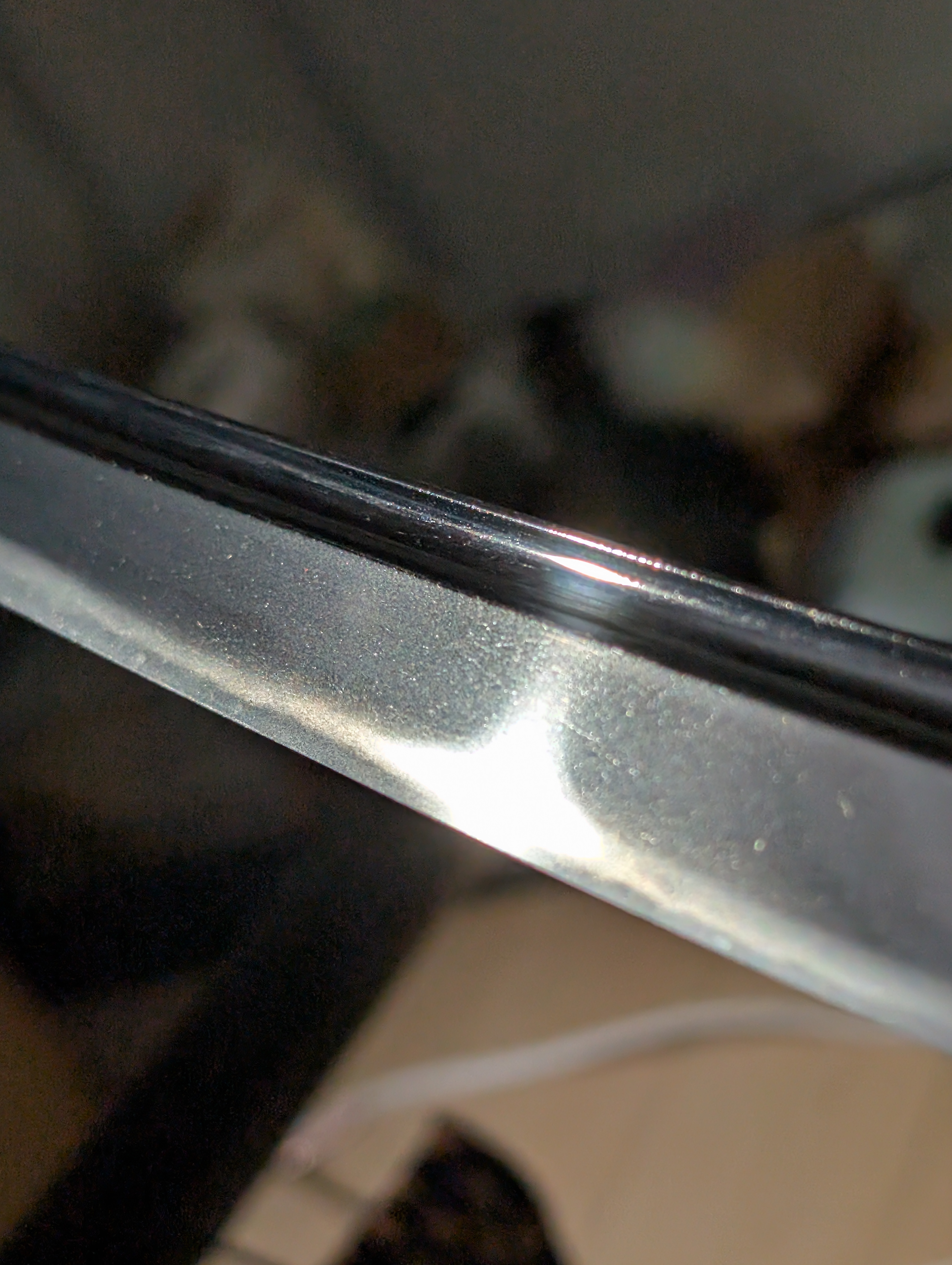
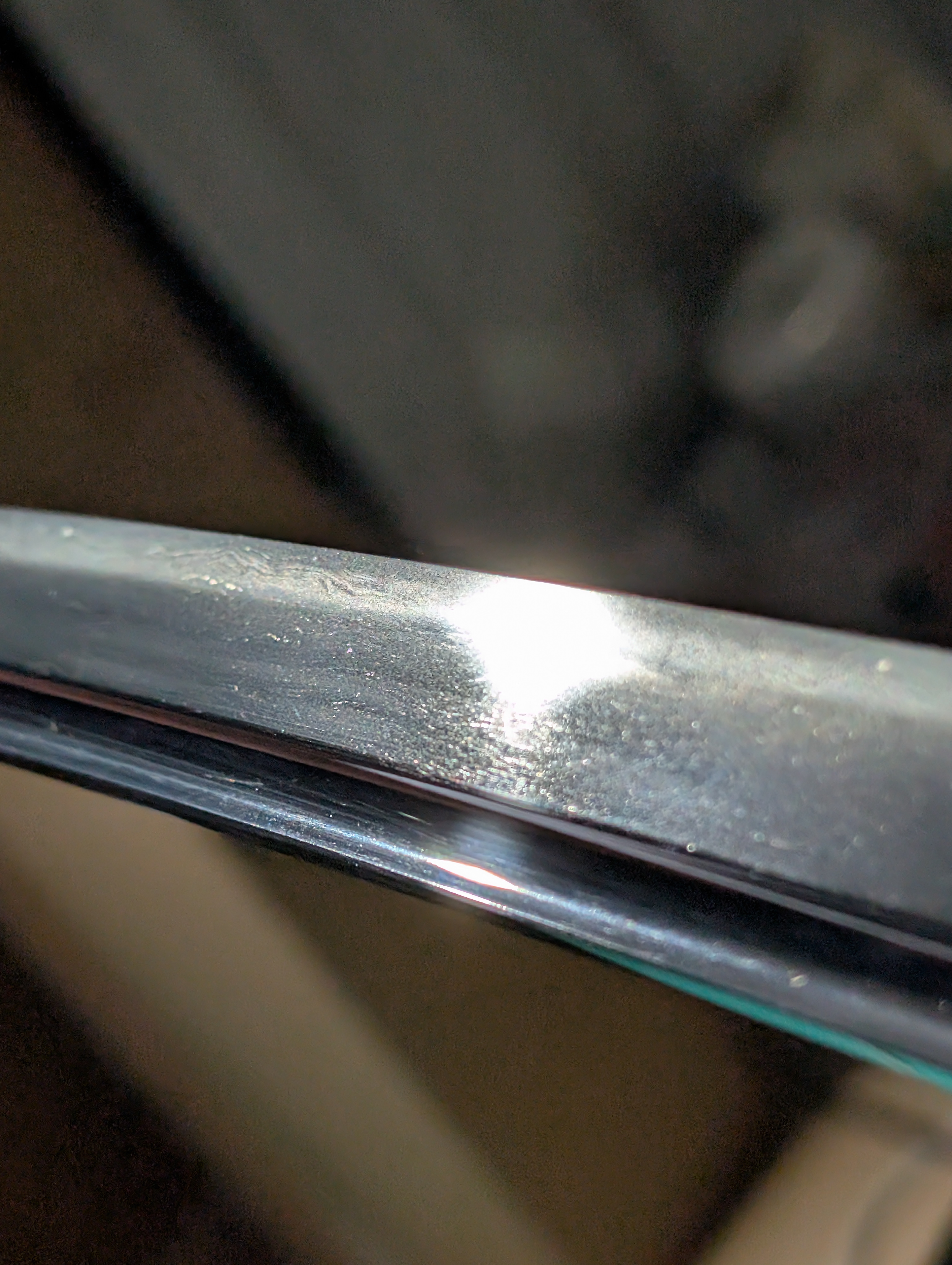
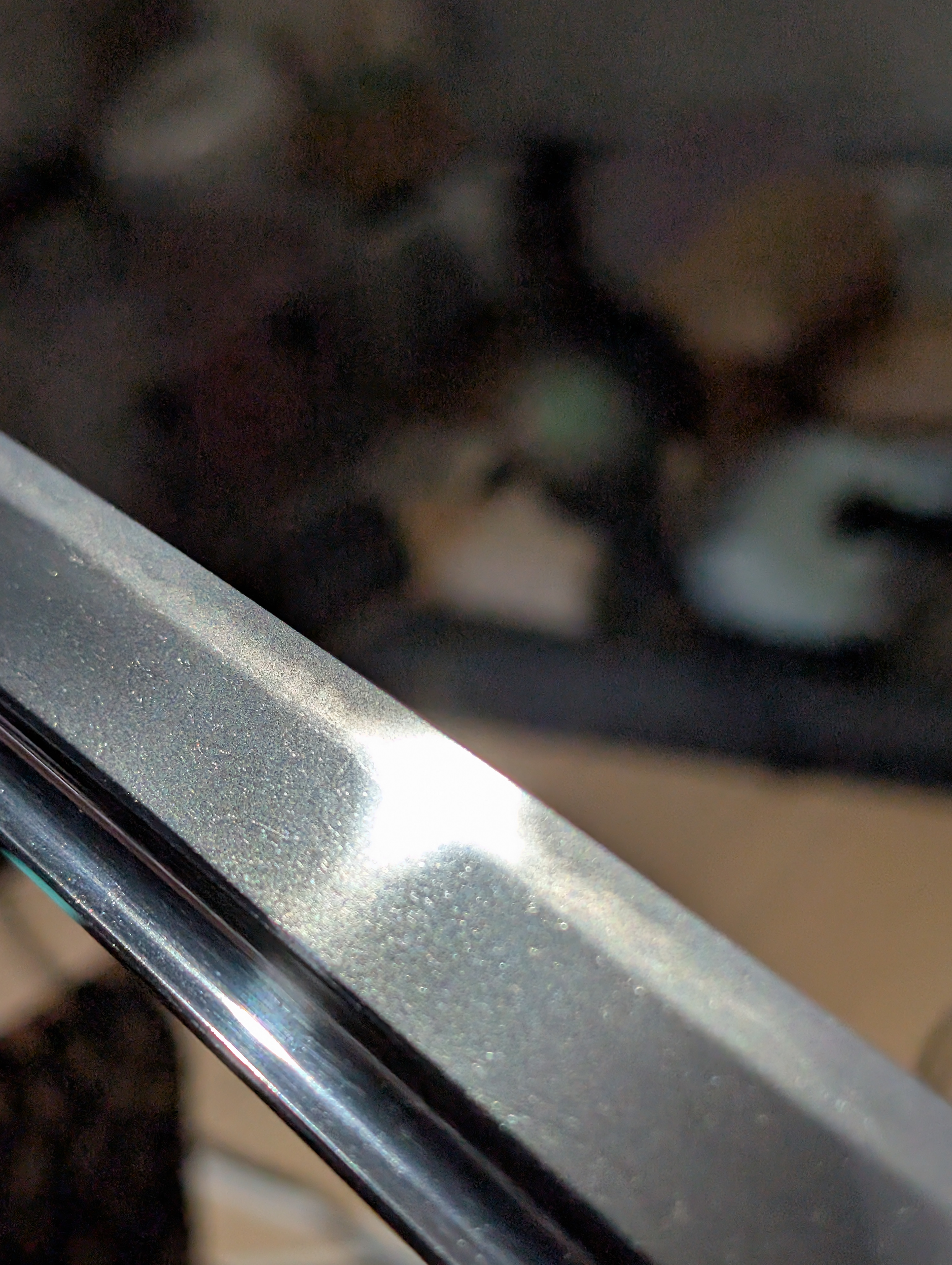
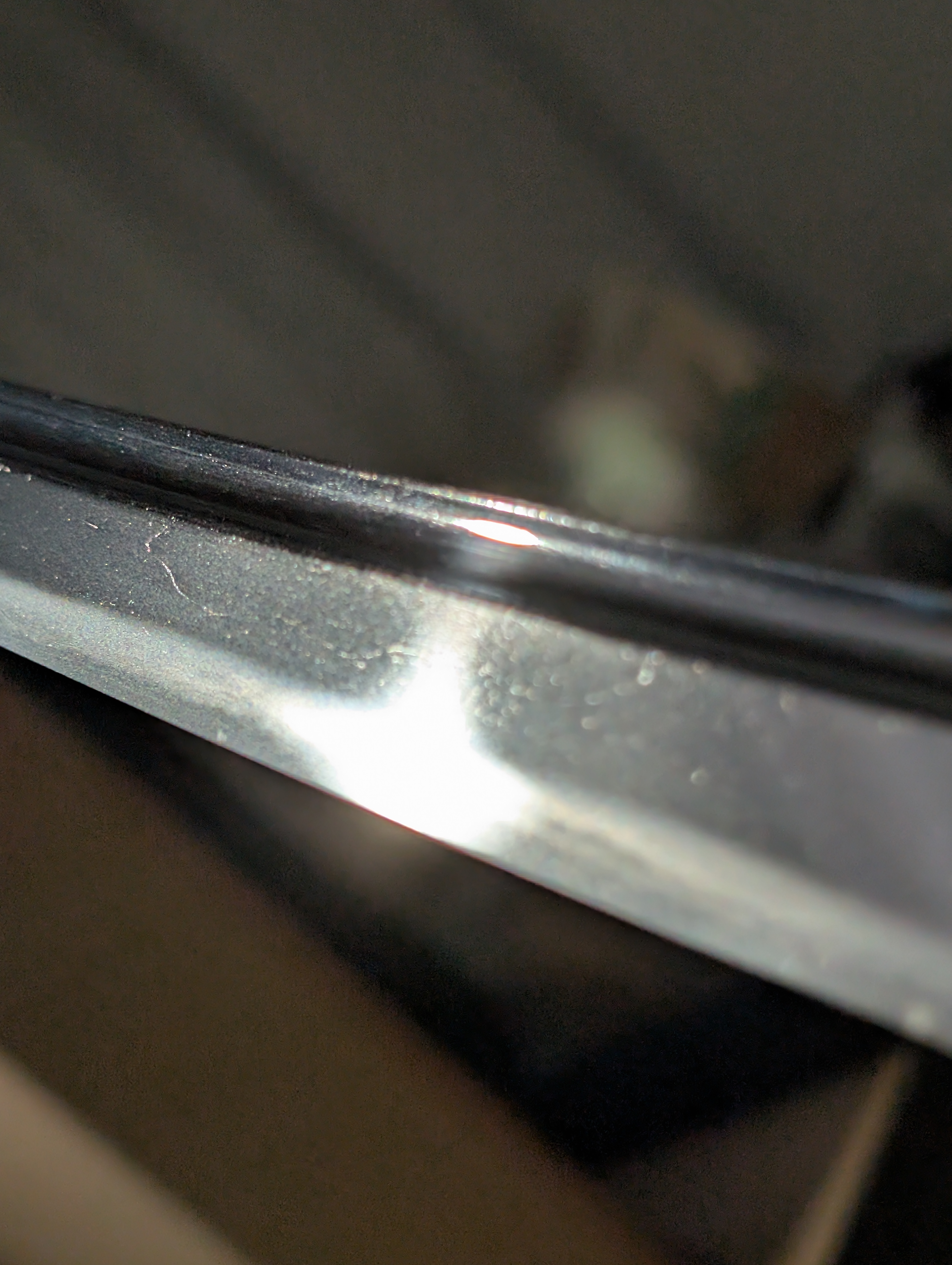
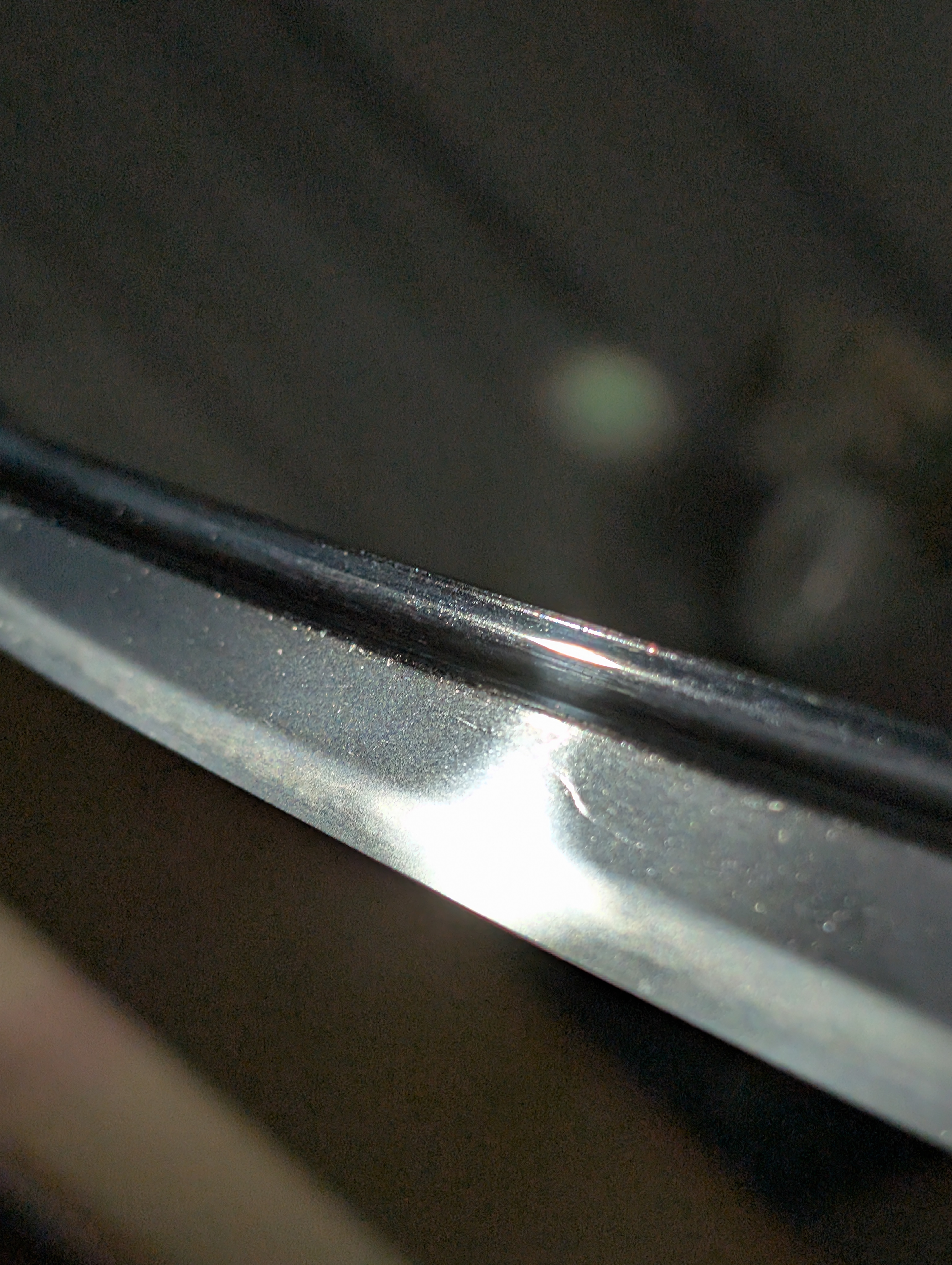
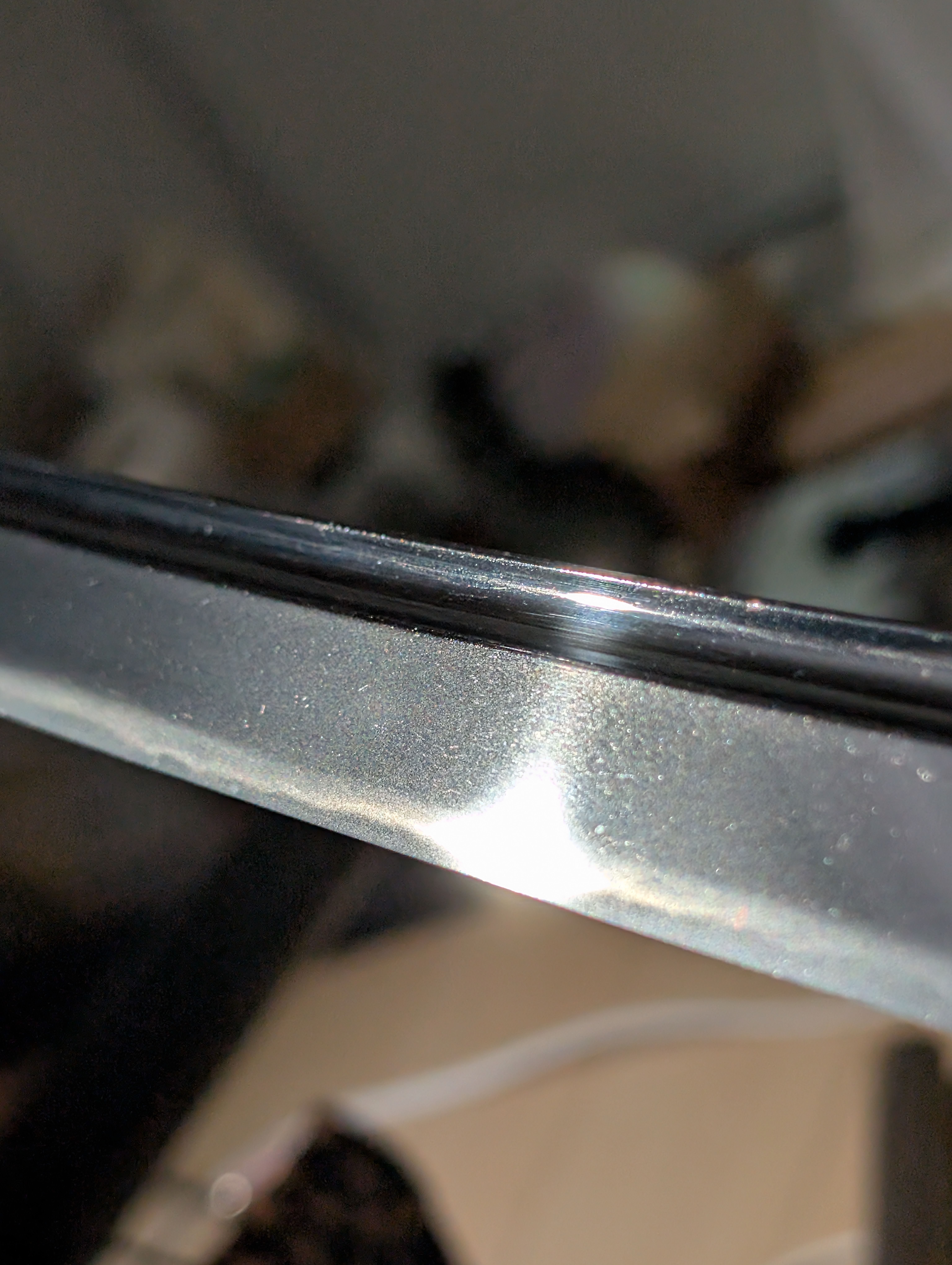
With the decline of the Yamashiro swordsmithing schools, specifically the Sanjo and Gojo Schools, new practices eventually gained prominence, including the Awataguchi School and the Rai School, which guided Kyoto’s swordsmithing tradition toward a period of refinement and innovation. Despite their dominance, however, they were not the only schools to gain fame in the region, as the Ayanokoji School gained similar renown for its work, alongside the close relationship between its founder and the Rai School’s creator. A shortened tachi by the school will be analyzed to determine the depth of their work, alongside their resemblance to the works of their contemporaries. Although greatly shortened, the blade still displays some features typical of the mid-Kamakura Period, including a relatively consistent width throughout, alongside a stubby ikubi-kissaki. A kirikomi battle scar is observed along the ha close to the ha-machi, which may be the cause of the blade’s shortening. Looking to the blade’s metallurgy, the surface grain is composed of an extremely tight ko-itame hada with burls of ko-mokume throughout. The jiba is particularly bright, being exacerbated through both ji-nie and a misty nie-utsuri, with limited chikei breaking apart this monochromy. The hamon is composed of a ko-midare in ko-nie-deki along a suguha base. Despite the subdued form, the temper is extremely active, including ko-ashi, spots of yo, and small spots of uchinoke within the vertical plane. Horizontal nie formations are also apparent, including sunagashi, long lines of kinsuji, and most prominently, niju-ba, which is a defining feature of this school. These formations run throughout the length of the hamon, leading up to the yubashiri formations near the kissaki. These forms foreshadow the termination of the hamon past the yokote, which occurs in the form of a ko-maru boshi with a gentle kaeri. With metallurgical features discussed, relevant measurements will be listed below.
Measurements:
Nagasa: 72.4 cm (Particularly long, especially for a greatly shortened blade)
Sori: 1.8 cm
Motohaba: 2.87 cm (Rather wide, amounting to a greater preservation of length)
Sakihaba: 2.0 cm
Motokasane: 5.8 mm (On the thinner side for Kamakura Period blades)
Sakikasane: 4.5 mm
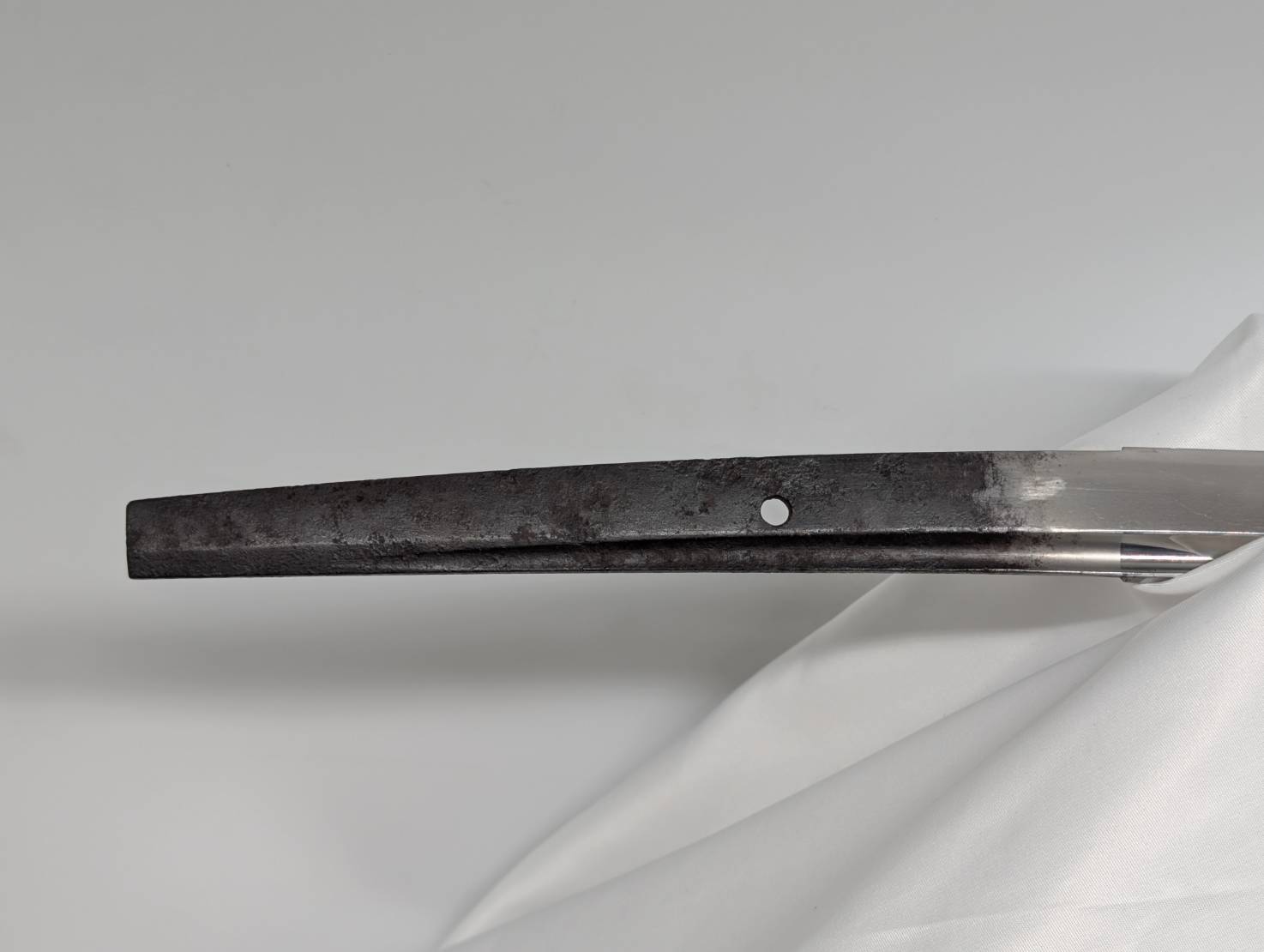
The nakago of the blade is o-suriage with a kiri-jiri tip. Although likely signed at one point, due to the blade’s great shortening, no signature is present on the blade’s tang. One mekugi-ana is punched into the nakago, which is strange on account of the blade’s greater shortening. This hole is most likely not the original hole punched, which was lost during shortening.
The blade’s shape is in shinogi-zukuri with an iori-mune. This style is the most commonly encountered shape for a Japanese sword, originating in the late Heian Period and continuing production up into the present day. Although typical, the manufacturing period expresses the pinnacle of Yamashiro Tradition workmanship, such as a center-based curvature. This blade is also elevated through the inclusion of a classic bo-hi horimono, which not only adds a layer of depth through contrasting surfaces but also reduces the blade’s weight for combat.
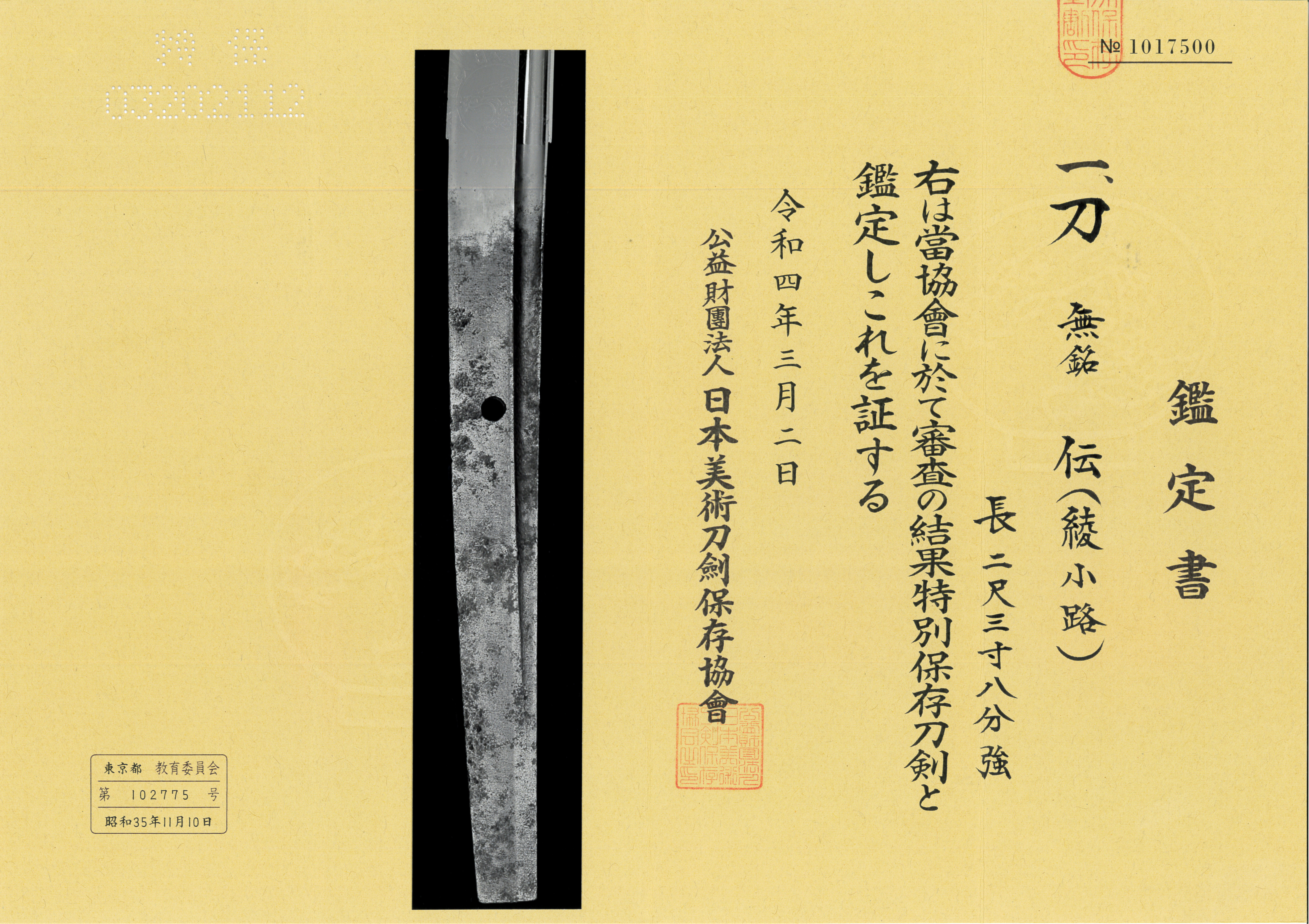
The blade is rated “Tokubetsu Hozon” by the NBTHK, indicating a higher degree of quality than is usually noted on nihonto, generally hinting at a finer craftsman or a uniquely excellent example. Regardless of the reason for the blade’s excellence, the ranking stands as a testament to meticulous craftsmanship, alongside centuries of careful preservation.
The Ayanokoji School was founded by the swordsmith Sadatoshi in the early Kamakura Period, with the swordsmith opening up a workshop in Kyoto’s Ayanokoji District (where the name of the school originates from) and taking on new students. Various theories exist to explain Sadatoshi’s origin, ranging from him being a distant descendant of the Gojo School, one of the founding Yamashiro Schools, alongside an alleged lineage from Rai Kuniyoshi. Most accepted, however, is a theory purporting that Sadatoshi was a descendant of a swordsmith named Nagamasa, who was affiliated with either the Mutsu Mogusa School or an unknown school in Totomi Province. Regardless of origin, Sadatoshi gained renown in swordsmithing, being believed to have formed a close friendship with fellow swordsmith Rai Kuniyuki due to their proximity and similarity in workmanship. Although unsubstantiated, it is believed the two made dai-mei works for one another, leading to later theories about the incorporation of the Ayanokoji School into the Rai School. Former curator of the Metropolitan Museum of Art, Markus Sesko, elaborates on the relationship between these two smiths, stating, “There are theories that Ayanokôji Sadatoshi and Rai Kuniyuki made daisaku works for each other and that Kuniyuki was Sadatoshi’s son, i.e. that they really worked very closely together. The degree of truth of all that might never be found out but what we can say is that their workmanship has indeed many things in common.” What is confirmed, however, is the school’s longevity, continuing for various generations of grandmasters throughout the mid-Kamakura Period to the late Kamakura Period, eventually declining after the leadership of Ayanokoji (Joshu) Sueyuki, who operated from approximately 1293 CE to 1326 CE. Different theories exist as to the fall of the Ayanokoji School, the most probable of which is the school’s incorporation into the Rai School. This is corroborated through the later workmanship of Sueyuki, who worked in “kyo-saka-ashi,” a distinctive form of choji formation practiced within the Rai School following its invention by Rai Kunitoshi, Kuniyuki’s son and pioneer of the Rai School’s expansion. Through this history, alongside excellent workmanship, the blade above not only stands as a fine example of Kamakura Period Yamashiro work but also as a segue between the founding Kyoto Schools and the Rai-led future of Kyoto swordmaking practices, making the piece worthy of further study and appreciation.